VoluntoldHQAbout

Somebody talked you into this. Now let's make you good at it.

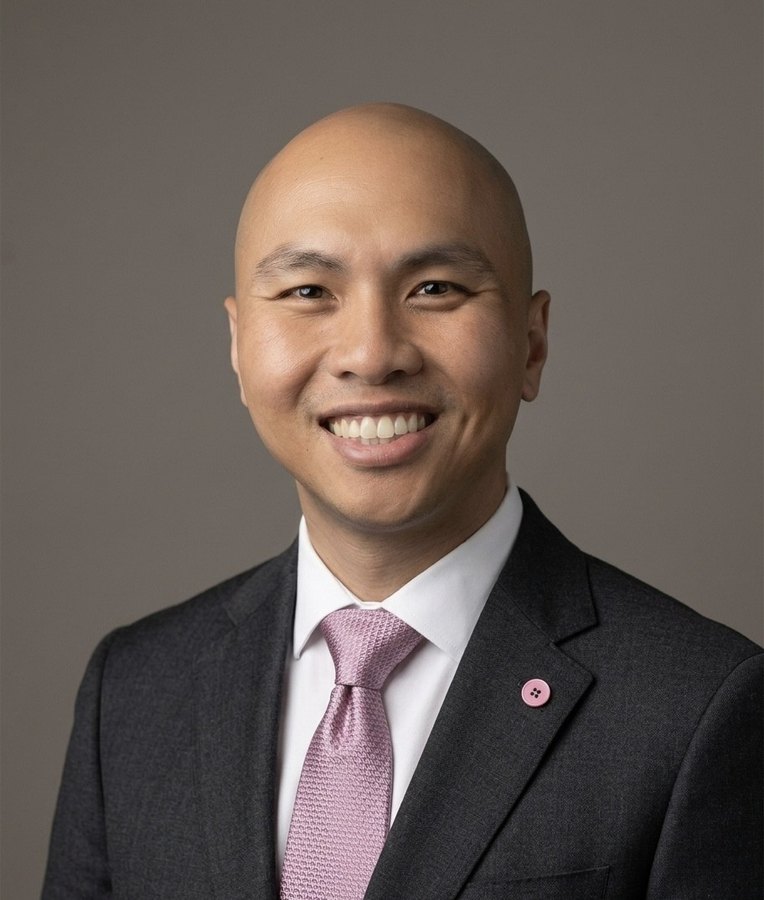
Former GM. 20-year coach. I show you what the player, the parent, and the coach each see in the same moment.

VoluntoldHQ is for the coach who didn't exactly volunteer — the parent whose hand went up a beat too slow, the assistant who inherited a clipboard, the tenured coach still looking for a sharper edge. I've been all three.

Kyto Khouang, founder of VoluntoldHQCertified Sport Psychology Coach — Spencer Institute
Kyto KhouangCSPCCertified Sport Psychology Coach
Spencer Institute (CSPC)
B.S. in Psychology, University of Arizona Global

Both Sides of the Whistle

I've been around sports my whole life, whether I was playing or coaching. I've based 42 years of my life around it. Now I want to share what I've experienced and what I've learned — not really a how-to, more just how I see it, from a different perspective than most.

I played almost every sport growing up, but football was always the one that had me. After high school, I had a few offers to keep playing and ended up in the Rocky Mountain Football League and the Utah Indoor Football League — adult leagues for guys who weren't ready to walk away from the game. I played for over 15 years before I decided it was time to focus on my career and start a family. That's when I started coaching youth football, to fill the emptiness that came with stepping away from playing. Somewhere in there I also ended up running a football team at the semi-pro level as GM, which taught me as much about building a program as playing or coaching ever did.

Since then, I've moved from little league DC and OC, up through JV, and now onto the varsity coaching staff. I've coached just about every sport along the way — tball, soccer, volleyball, football. Right now I'm the varsity DB/WR coach at my high school, I coach my daughter's volleyball team, I'm a soccer dad on the sidelines the rest of the time, and I coach my son's tball team. Competition's still an itch, so I stay active playing rec league adult softball, volleyball, and basketball.

I've got a Bachelor's in Psychology with a minor in Organizational Management from University of Arizona Global, and I'm a Certified Sport Psychology Coach (CSPC) through the Spencer Institute — the part of the game that lives between a kid's ears. I also lead a sales and merchandising team in my day job. Same approach either way: you're building people, not just hitting numbers.

None of that matters unless it helps you run a better practice on Tuesday and have a calmer sideline on Saturday.

What I've Seen

There's no shortage of youth sports resources out there. What's missing is anyone tackling the mental side, or the generational gap between coaches, players, and parents — which is exactly where I live. I've seen the same things play out over and over:

After a rookie coach got thrown into a season with zero training and nobody checking on him. After a kid quit a sport he used to love because of how a coach talked to him. After a player got overlooked — not because he wasn't good enough, but because of what his last coach said about him.

None of that is really anyone's fault. It's just what happens when nobody hands a volunteer coach a playbook for the part of the job that actually matters.

What I Believe

The biggest gap in youth sports isn't talent. It's training and retaining the coach and the player.

Youth sports has an adult problem. Officials, umpires, coaches, parents — all of it — take things too far, and it ends up making the whole thing less fun for the kids it's supposed to be for.

I see it show up in three places:

  • In their training — most youth coaches get a whistle and a roster. Not a curriculum.
  • In their confidence — first-year coaches second-guess everything because nobody told them that's normal.
  • In their second chance — a kid who gets labeled early rarely gets a fair look again.

The Bridge

I got coached by people who cared more about how my uniform looked than anything else. Military-style, rah-rah, that whole approach. The moment that actually changed how I think about coaching was when a coach wrote on my goals sheet that I needed to watch who I was hanging around with. He didn't know me. He had a perception of me, and he coached off that instead of who I actually was.

I grew up under that style and became a millennial coach. Now I'm coaching Alpha and Gen Z kids, and dealing with the parents raising them, and a lot of what I learned doesn't translate over without some work.

I don't think it's old-school vs. new-school, like one side has to win. I think it's about someone who's actually stood in both rooms, who can carry what's still worth keeping from the old way into how I coach now — for the kids on the field and their parents on the sideline.

What You'll Actually Get

Real moments from the bench. Lived experience before advice. And a few quiet tools that do actual work — a readiness assessment, a practice-plan builder, a script for the conversation you've been dreading. Everything personalized comes through Scout, the recommendation brain that reads your answers and points you at the one next step that matters.

No funnels. No hype. One coaching read a week, and tools that respect your time.

Glad you're here.

Follow along @voluntoldhq.

VoluntoldHQ — For Rookie Coaches & Youth Sports Parents