Third quarter. Your kid checks out, heads to the bench, and gives that quick look to the sideline.
You know the look. Half frustration. Half fishing. They want confirmation that, yes, somebody else also saw the missed pass, the late whistle, the coach leaving them out there too long or not long enough.
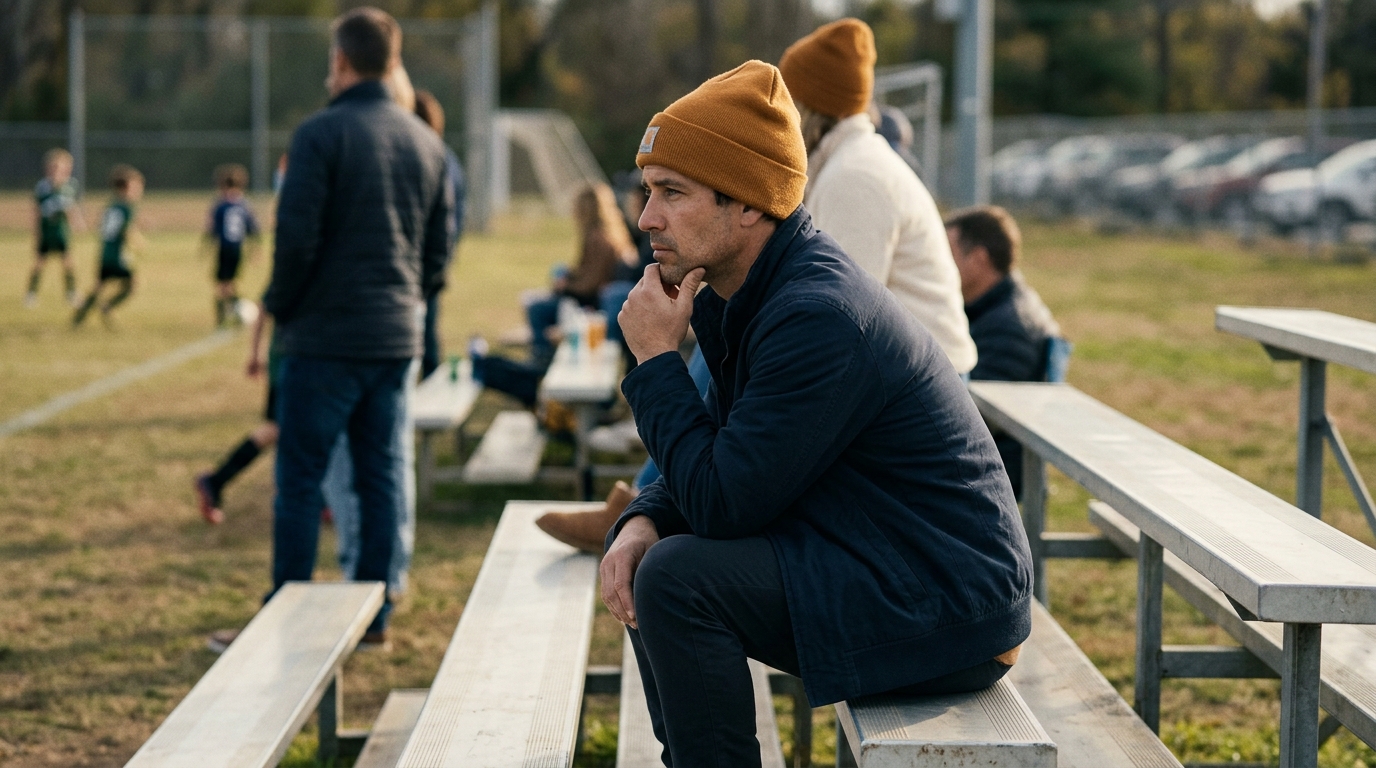
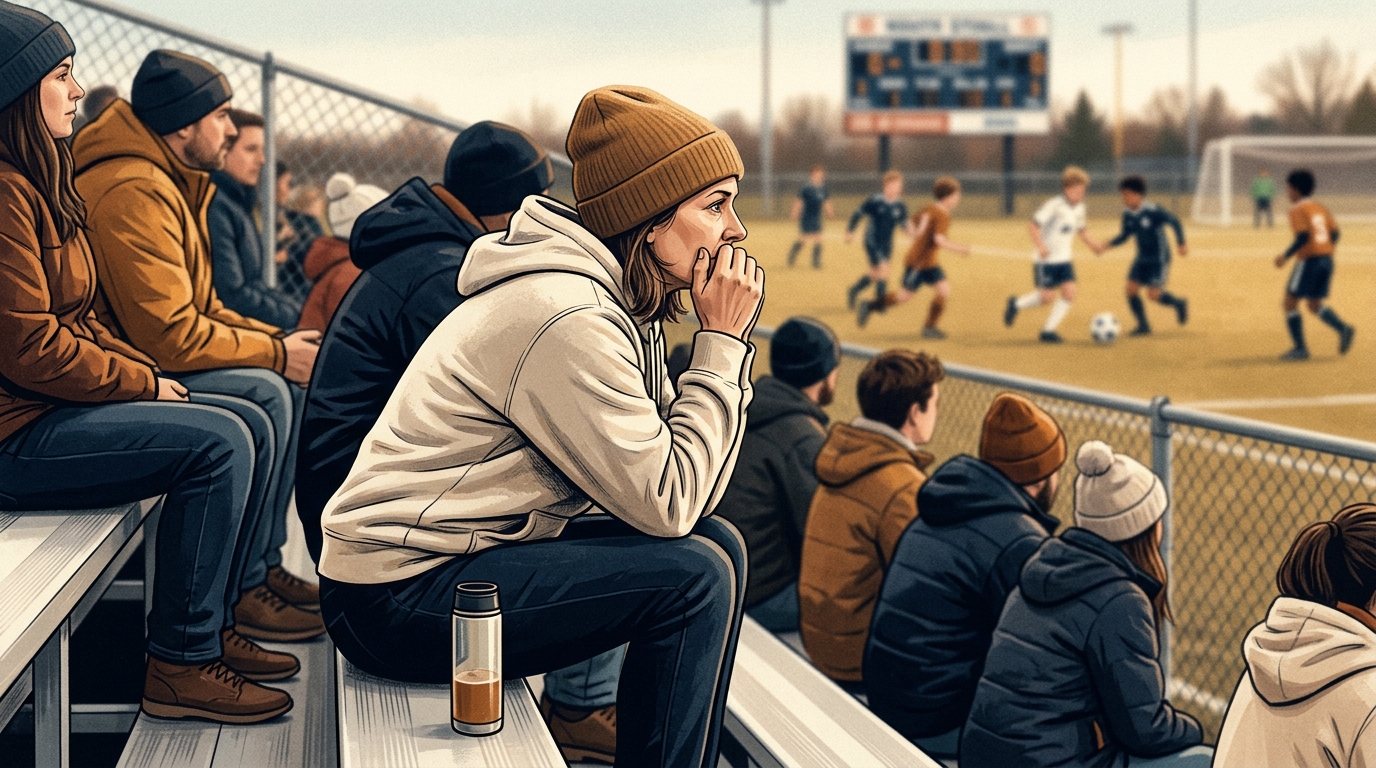
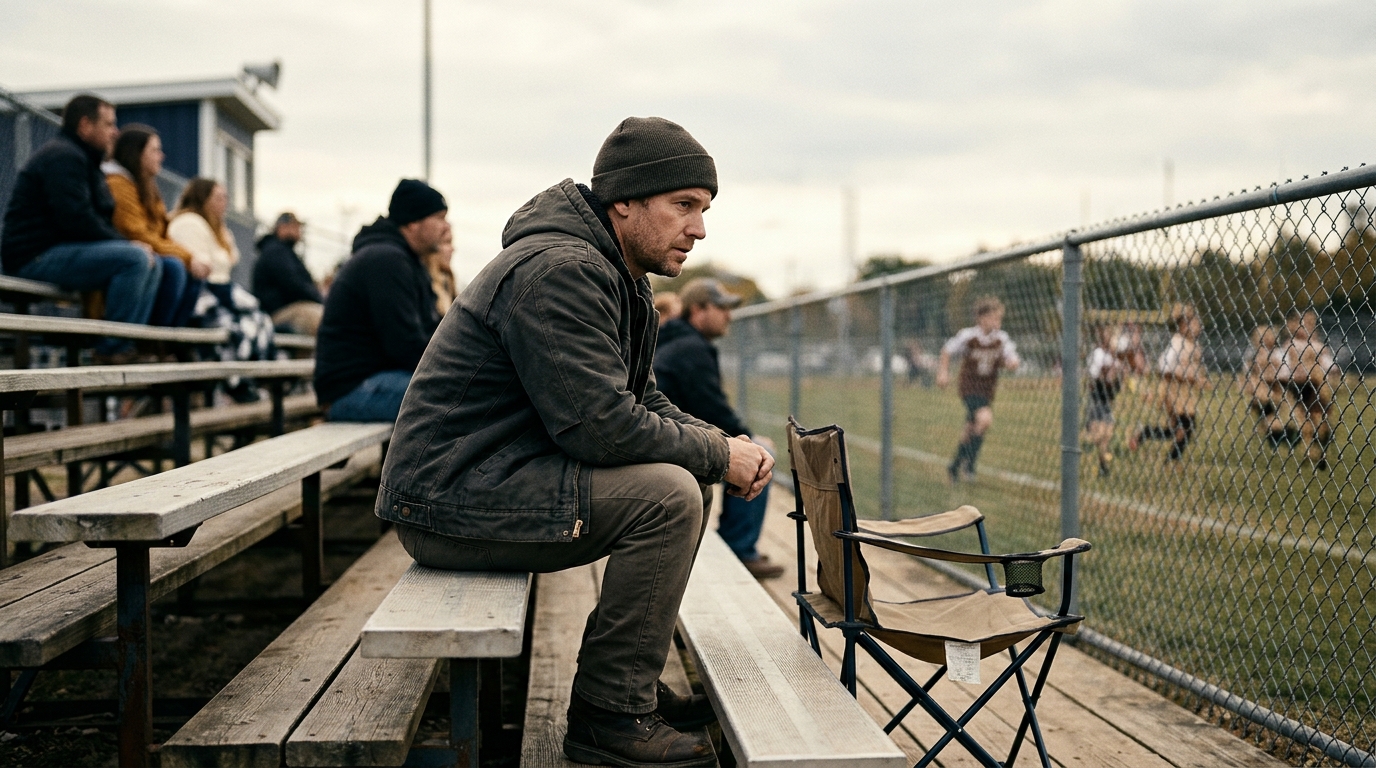
And from the folding chair, with a water bottle in one hand and three opinions in your throat, it is real tempting to become an assistant coach nobody asked for.
I have seen parents do it with good intentions and loud faces. A hand signal. A head shake. The universal palms-up what was that? move. Then the car ride gets built right there on the sideline, one look at a time.
The hard truth: if your kid keeps checking your reaction during the game, they are playing two games. One for the team. One for you.
That’s too much for any kid
Most kids can handle a mistake. What scrambles them is trying to sort out who they need to answer to in the moment.
Coach says one thing. The game demands another. Then they glance over and Mom or Dad is giving live commentary with eyebrows and arm gestures.
Now they are not just thinking about the next play. They are managing your disappointment, your confusion, or your advice.
That is a heavy backpack to wear in cleats.
I say that as somebody who has coached a long time and watched good families accidentally make game day harder. Not because they were mean. Because they cared and forgot that caring can get loud, even when you never raise your voice.
Your sideline job is steadiness
Kids borrow our nervous systems. They really do. If we flinch at every mistake, they start scanning for danger instead of playing.
Your job from the chair is not to correct. Not to signal. Not to referee. Not to coach through eye contact.
Your job is to be boring in the best possible way.
- Clap for effort.
- Stay even after mistakes.
- Keep your face from becoming a scoreboard.
- Let the coach own the instruction.
That sounds small. It is not small. A steady parent on the sideline gives a kid room to recover fast.
Micro thought: Calm is not passive. Calm is useful.
What to do when your kid looks at you midgame
They will look. Of course they will.
When they do, keep the message simple and physical: a thumbs up, a clap, a nod that says keep going.
Not a lecture face. Not the mechanics hand motion. Not the dramatic shrug when a coach decision goes sideways.
You are not trying to solve the whole afternoon in one glance. You are trying to send one clean message:
I’m with you. Go play.
That message travels a lot better than, Here are the four things I need you to fix right now.
If you need to talk to the coach, don’t recruit your kid into it
This is where sideline behavior and the ride home connect.
Some parents start building a case during the game. They ask their kid questions between innings, after a shift, walking to the parking lot. Who said what? Why were you there? Did coach tell you anything? Did everybody else get a turn?
Now the kid is not decompressing. They are gathering evidence.
That is not support. That is making them the middleman.
If you truly need a coach conversation later, let it be your conversation. Clean, direct, adult to adult. Do not make your kid carry your frustration home like a team bag full of wet gear.
Kids should not have to wonder whether one rough game is about to become a family investigation.
A better sideline rule
Here is a practical one: before the game starts, decide that your kid will not learn any new sports information from you during competition.
No technique fixes. No tactical reminders. No arguing through body language. No post from the chair.
If they look over, they get support, not instruction.
If they struggle, they get steadiness, not a second coach.
If you are upset, you write a note in your phone, take a lap to the concession stand, or talk to another adult about literally anything else until the game ends.
That one rule cleans up a lot.
Micro thought: The sideline gets quieter when the parent stops trying to rescue every play.
What this teaches your kid
It teaches them that mistakes do not change your posture.
It teaches them they can play a bad stretch without checking whether you still approve of them.
It teaches them that the bench, the field, and the car are not three different courtrooms.
And over time, it helps them keep their eyes where they belong: on the game, on their teammates, on the next job.
That is a real gift. Not flashy. Not Instagram-worthy. Just solid parenting that makes sports feel lighter for the kid carrying them.
Because most of the time, they do not need us to be smarter during the game.
They need us to be steadier.