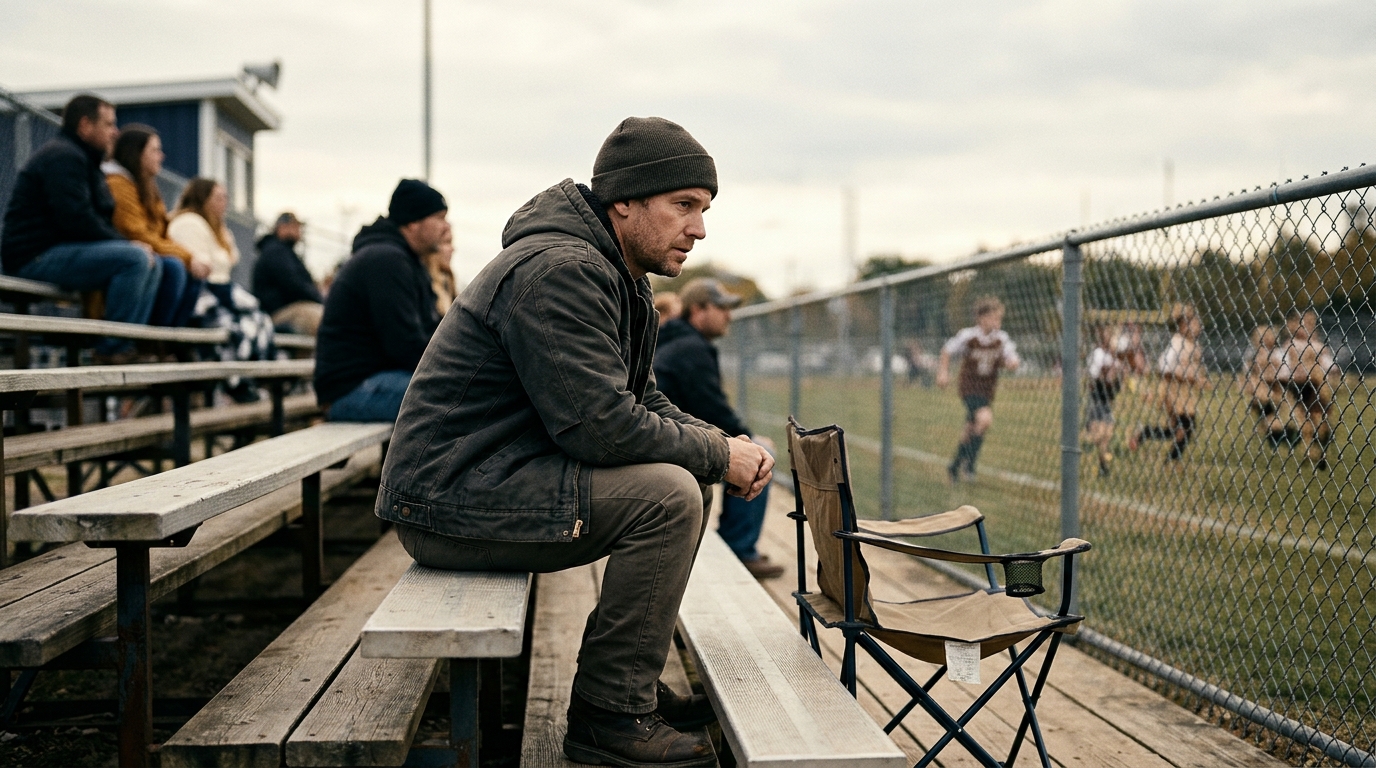
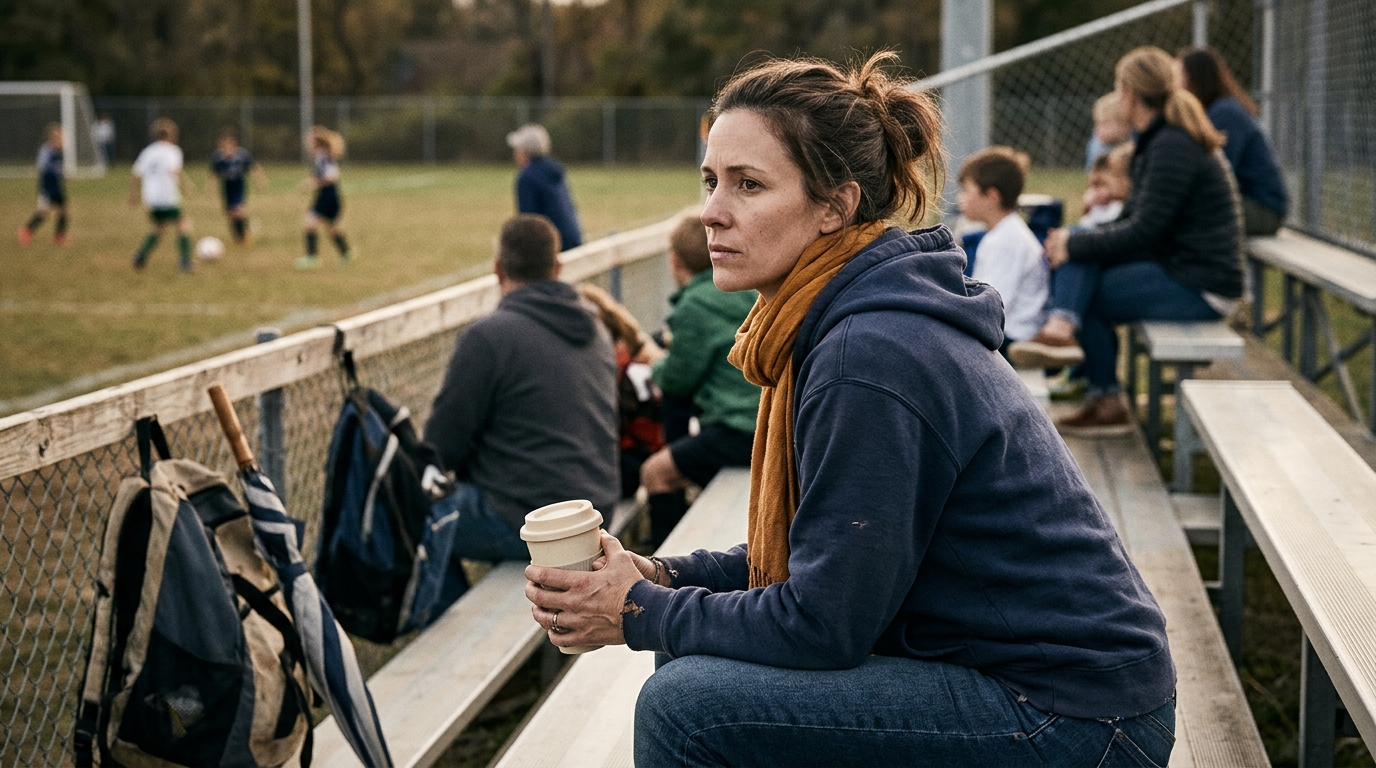
Game ends. Kids are dragging bags. One parent is waiting by the fence, already halfway into a speech. Another is walking straight at the coach with their car keys still in hand. Their kid is ten steps behind, staring at the dirt and kicking a water bottle cap like it said something rude.
You can feel how fast this goes bad.
Not because anybody is a bad parent. Usually it is the opposite. They care. They watched every inning, every shift, every missed chance to sub, every moment their kid looked confused or frustrated or left out. By the time the handshake line breaks, they are carrying a whole backpack full of thoughts.
The problem is they try to bring all of it into one moment.
That is where sideline parents get themselves in trouble. Not with one big blowup, usually. With the pile-on. A comment to the kid in the car. A quick “just one question” for the coach. A little sideline replay for your spouse. Another comment at dinner. None of it feels huge. Together, it turns one game into a house guest.
So here is a practical rule I like for parents:
After the game, you only get to carry one thing home.
Not five things. Not the whole scoreboard. One thing.
Why this works
I have been around enough fields to know most bad postgame conversations are not really about the topic. They are about timing and overload.
A kid gets in the car already tired, hungry, hot, embarrassed, wired up, or all five. A coach is still putting equipment away, answering lineup questions, checking on field cleanup, and thinking about the next practice. And a parent is trying to process everything they just watched in real time.
That is not a clean setup for a smart conversation.
When you force yourself to choose one thing, you stop treating the ride home, the parking lot, and the fence line like open office hours.
Everything feels urgent after a game. Most of it is not.
What counts as the one thing
Your one thing should be useful, not just emotionally loud.
Good one things sound like this:
- “I loved how you stayed in it after that mistake.”
- “Next time, let’s remember your water bottle so the second half is easier.”
- “Tomorrow I want to ask coach where you should stand on that play.”
- “You looked more ready when you warmed up early.”
Bad one things usually sound like a recap show:
- “Why didn’t you shoot?”
- “The coach should have played you more.”
- “You have to stop doing that thing with your glove, your feet, your swing, your passing, your face…”
- “Let’s go through the third quarter.”
If your one thing starts pulling three other things behind it, it is not one thing.
How this helps with your kid
Most kids do not need a full debrief 90 seconds after competition. They need the temperature lowered.
Sometimes the best one thing is not instruction at all. It is steadiness.
“Glad I got to watch you.”
“Tough one. You’ll be okay.”
“Go get your stuff. We’ll head out.”
That does not mean you ignore what happened. It means you stop acting like every rough game needs an emergency family summit.
I have seen kids survive bad games just fine. What sticks to them is the feeling that they are getting evaluated on the walk to the car.
If home starts to feel like another bench, kids get small in a hurry.
How this helps when you need to talk to the coach
Parents get sideways with coaches when they show up carrying seven complaints disguised as one question.
If you need to ask something, use the same rule. One thing.
Not your whole season file. Not every shift pattern from the last three games. One clear issue.
Examples:
- “Can you help me understand where she should line up on that restart?”
- “What should he work on first to earn more trust there?”
- “I think we missed the team communication on arrival time. Can you resend it?”
That is a conversation. Not a dump truck.
Coaches are much more likely to answer well when they are not getting hit with ten minutes of built-up sideline frustration in the parking lot.
How this helps with your own behavior
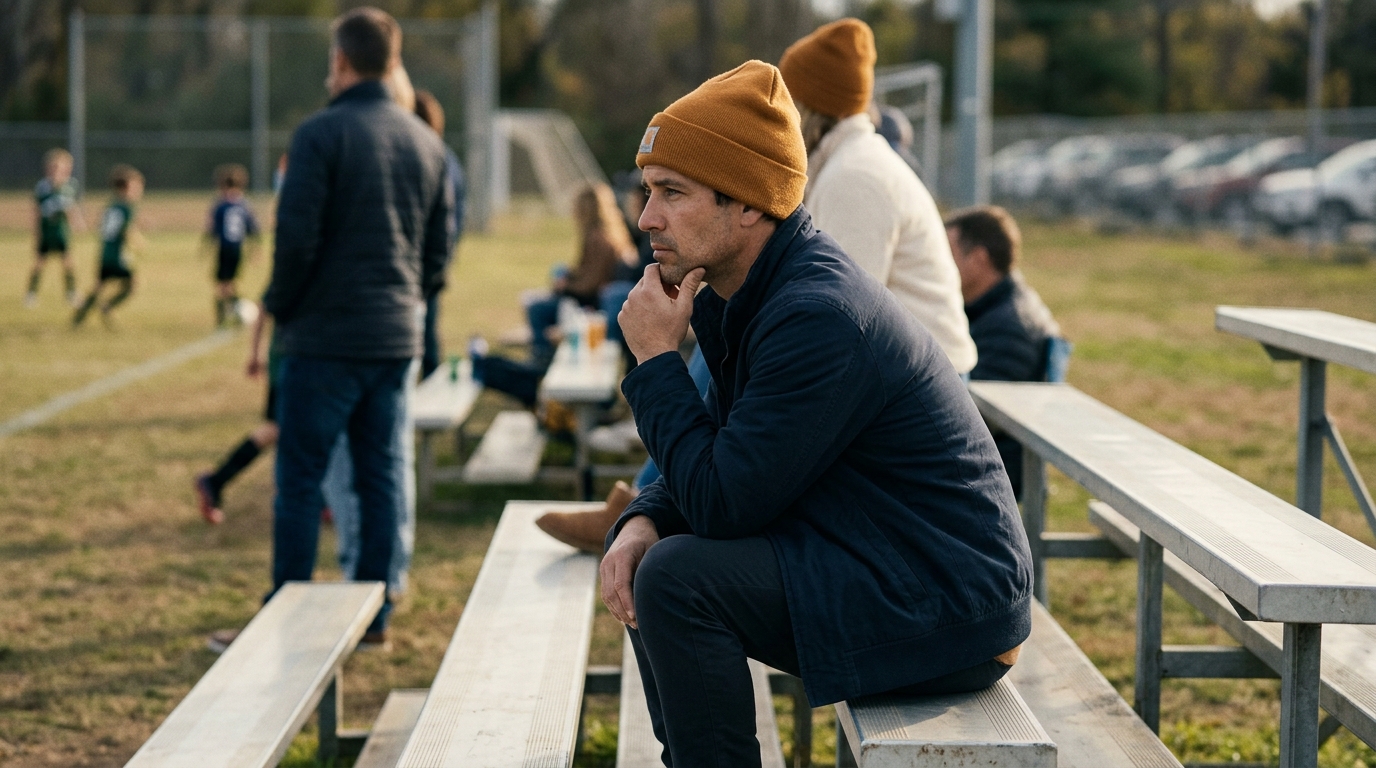
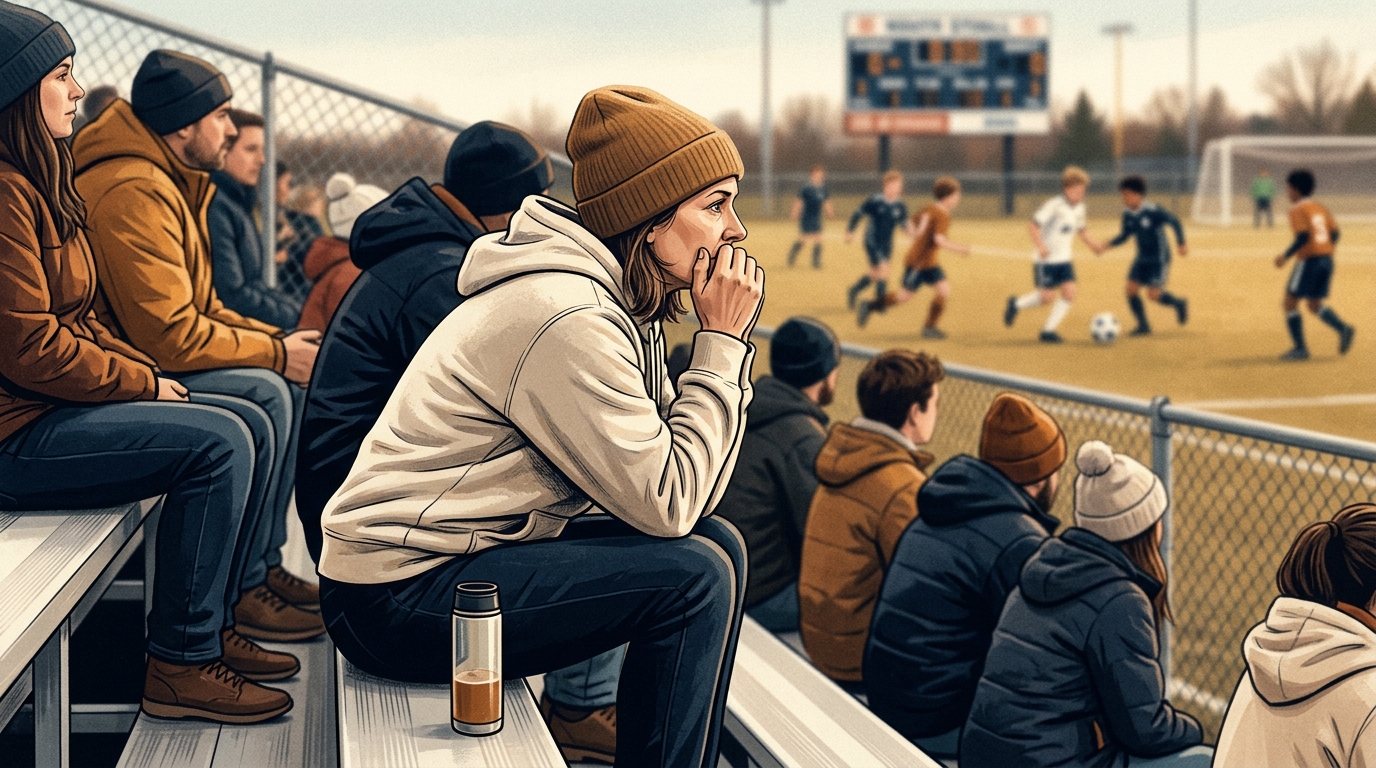
Parents know when they are carrying too much. You can feel it. You start narrating the game to yourself before it even ends. You rehearse what you are going to say. You watch your kid and the coach and the other parents all at once, and suddenly everybody is on trial.
That is your sign.
Pick one thing before you reach the car.
If you cannot pick one, that usually means you should pick none for tonight.
There is a lot of maturity in deciding, “I do not need to unload this now.” That is not being passive. That is having some control over your own weather.
A simple parking-lot filter
- Does this need to be said today?
- Does this need to be said by me?
- Will saying it help, or just relieve me?
If you get shaky answers there, leave it in the parking lot.
What your kid remembers
Years from now, your kid probably will not remember your exact technical advice after a random game in April.
They will remember whether getting in the car felt safe or tense.
They will remember whether you chased the coach with steam coming out of your ears.
They will remember whether every hard day became a family performance review.
That is why this matters.
After the game, you do not have to solve everything. You do not have to correct everything. You do not have to carry everything.
Pick one thing worth bringing home.
Leave the rest where the cleats came off.