
Talent helps. Mindset travels. Every season, no matter the sport, I end up saying the same seven things to my players. Not because they sound good on a poster, but because these are the reminders kids actually need when the game gets messy, emotions get big, and confidence starts wobbling.
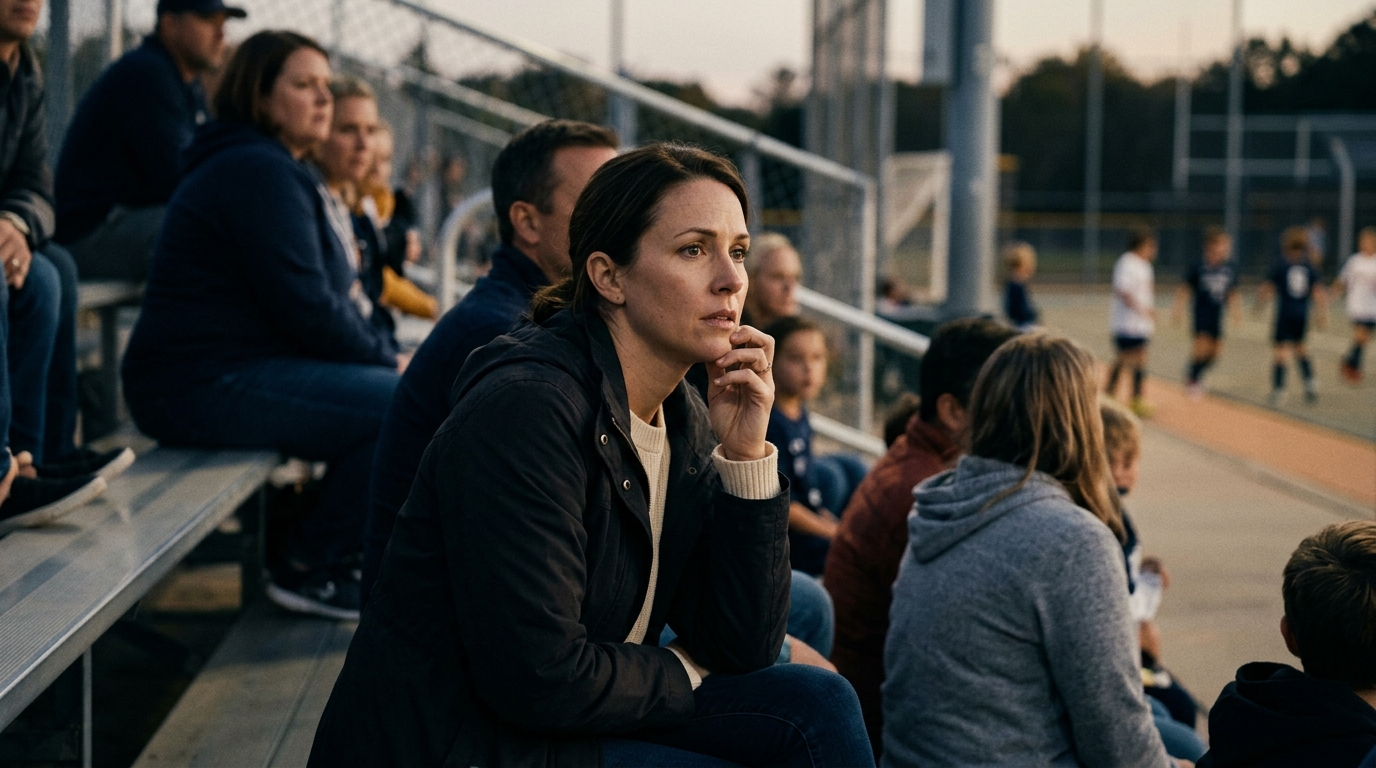
I’ve said these in huddles after ugly first halves, on benches with tears starting to form, and walking off fields where a kid was sure they “blew it” for everyone. Parents need them too, because half of staying motivated is hearing the right message enough times that it finally sticks.
“Mistakes Are Proof You’re Playing”
You can always spot the kid who’s scared to mess up. They play careful. They hesitate. They pass up the play they normally make because now they’re trying not to fail instead of trying to compete.
I’d rather coach the kid who goes for it and misses than the one who hides all game. If you’re making mistakes, good. That usually means you’re involved. Own it, fix what you can, and get to the next play.
If nothing ever goes wrong, you’re probably staying too safe.
“Your Energy Is Contagious”
Bench kids know this one fast. So do parents in the car after a game. One athlete slumps, eye-rolls, or checks out, and it spreads. One athlete claps, talks, stays engaged, and that spreads too.
I’ve coached teams where the best spark didn’t come from the leading scorer. It came from the sub who was first up to celebrate a teammate, first to sprint into drills, first to keep the group alive when things got flat.
If you’re in the game, bring juice. If you’re out of the game, bring more.
“Effort Beats Talent—Every Time”
Every coach has seen it: the naturally gifted kid who coasts, and the less flashy kid who just keeps working. Over time, the worker becomes the one everybody trusts.
I’ll take the hustler. I’ll take the kid who listens, tracks back, competes for loose balls, runs hard in warmups, and does the little things when nobody’s handing out praise. Highlights are nice. Effort wins coaches over and helps teams win games.
Talent gets noticed. Effort gets relied on.
“Nobody Cares How You Feel—They Care How You Respond”
That one sounds blunt, and I mean it kindly. Kids are allowed to feel frustrated. They’re allowed to be disappointed after a bad shift, a bad call, or a rough game. But the response is the part everybody else has to live with.
Do you fold? Do you blame? Do you drag the mood down? Or do you reset and keep playing?
I’ve had athletes learn this the hard way after one bad referee call turned into five minutes of distracted play. The call was over. The reaction kept costing them. Feel what you feel. Then choose what happens next.
Emotions happen. Response is a skill.
“You’re Not Just an Athlete—You’re a Leader”
Leadership doesn’t start in high school. It starts the first time a younger teammate watches how you handle losing, correction, waiting your turn, or cheering for someone else.
I’ve seen 9-year-olds act like captains without ever wearing the title. They help pick a teammate up. They listen. They stay steady. They make the group better just by how they carry themselves.
Every season is habit-building. Are you becoming someone others trust to follow?
“Be Coachable—That’s Your Superpower”
Some kids think being coached means they’re doing something wrong. It doesn’t. It means someone sees room for growth and thinks you can handle it.
The athletes who keep improving aren’t always the most talented. Usually they’re the ones who can hear feedback without shutting down. They try it. They adjust. They try it again.
Coaches notice body language, effort, and willingness long before stats tell the full story. Be the player who can take direction and use it.
Coachability is confidence without ego.
“You Belong Here”
This is the one some kids need most and say the least. The smaller kid. The newer kid. The one who isn’t starting yet. The one comparing themselves to the teammate who seems ahead in everything.
I’ve had enough sideline and bench conversations to know comparison can drain a kid faster than conditioning ever will. They start wondering if they’re enough, if they should even be out there, if everyone else got something they didn’t.
So I tell them clearly: you belong here. On this field, on this court, on this mat, on this team. Your role might change. Your skill will grow. But you do not need to earn the right to believe you belong.
“Motivation isn’t always loud. Sometimes it’s showing up on the hard days, giving real effort when nobody’s watching, or bouncing back after a loss. For athletes, it’s learning to compete with heart. For parents, it’s staying steady, cheering with patience, and remembering the goal is growth, not perfection.”
Final Word:
If you want to motivate your athlete, don’t just repeat these when they’re struggling. Live them where they can see them. After a rough game. After a mistake. During the quiet middle of a long season when progress feels slow.
Kids borrow belief before they build their own. They watch how we handle pressure, frustration, effort, and setbacks. Growth is a team sport. That includes parenting from the sideline.