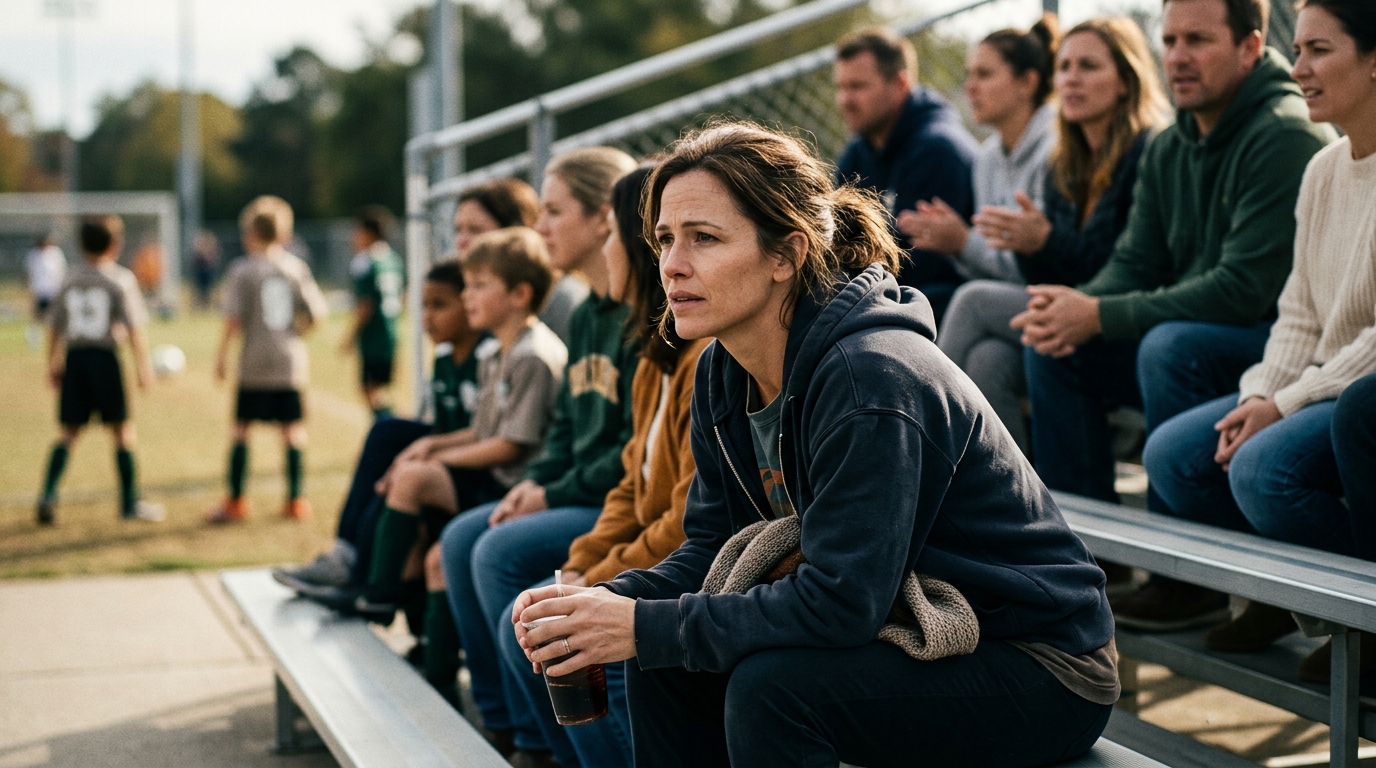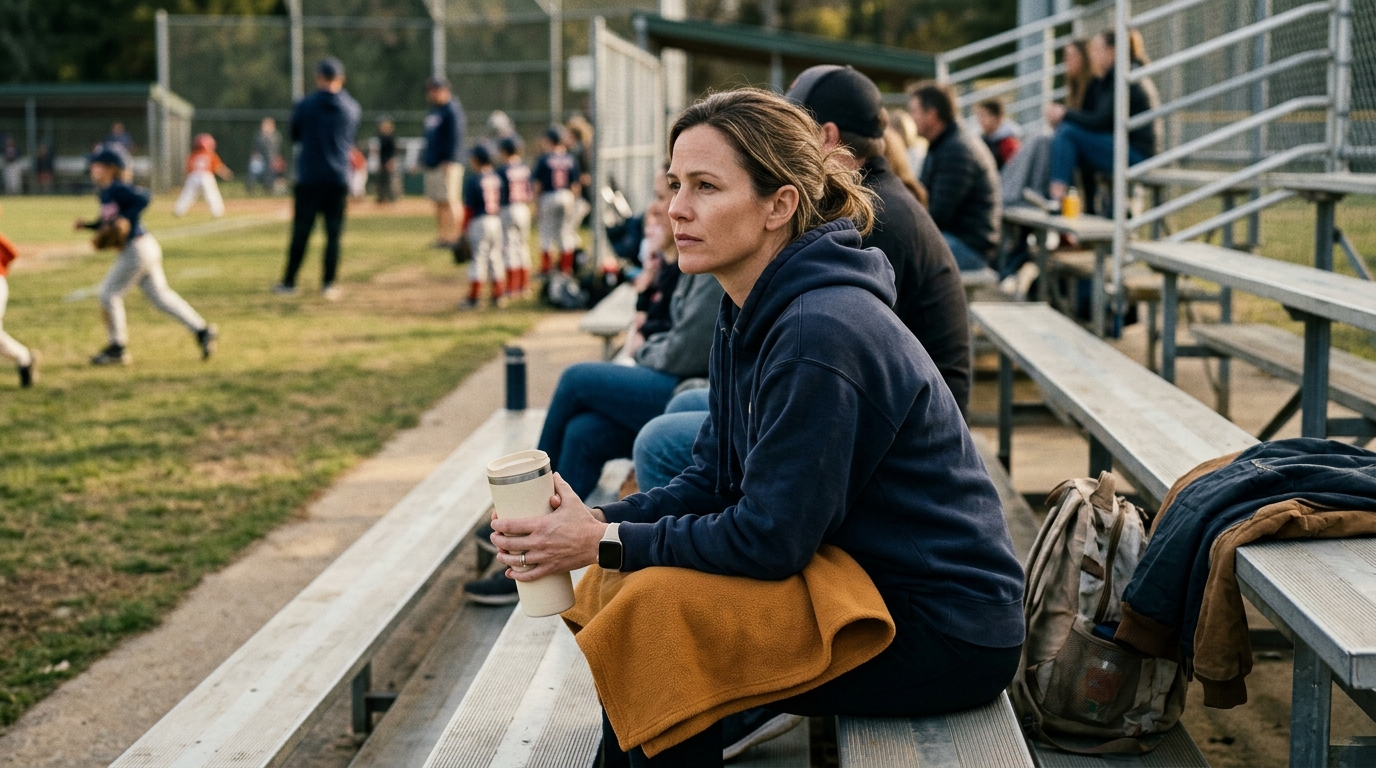

The game ends, your kid yanks one sock halfway off, and before the seat belt even clicks you hear yourself say it: You’ve got to be ready when they put you in.
Now the whole ride is about defense. Their defense. Yours. What coach did. What the ump missed. What should have happened in the second inning. Ten minutes later, nobody feels helped.
I’ve seen this one from every angle: as the kid in the passenger seat, as the coach loading gear after a long night, and as the adult who had to learn that being upset for your kid can still land on your kid.
Most parents don’t mean to turn the ride home into a review session. They just hate seeing their kid disappointed, confused, or fired up. So they fill the space. Fast. Usually with the very thing the kid doesn’t need yet.
Here’s the practical fix: don’t make your first sentence about performance.
Why the first sentence matters
The first sentence sets the lane.
If your opener is about playing time, mistakes, hustle, the lineup, the coach, or what should have happened, your kid hears one thing: we are doing a postgame breakdown now.
And once that door opens, it’s hard to close.
Kids are usually still coming down from the game. Their body is in the car, but they’re still on the field. They’re replaying one strikeout, one missed mark, one substitution, one look from the coach. If your first line jumps straight into the evidence locker, they don’t feel settled. They feel watched.
That doesn’t mean you ignore the game. It means you don’t lead with analysis.
Use an opening line that lowers the temperature
You don’t need a script. You need one simple habit.
Try one of these first:
- Glad I got to watch you play.
- You looked like you were working hard out there.
- Tough one. Want quiet or want to talk?
- I’m happy to be here with you.
- Need water or food first?
That’s it. Nothing fancy. Nothing fake. Just something that reminds your kid the car is not an extension of the sideline.
Small thought: comfort first, correction later.
What to do when they bring up the coach
This is where parents get pulled into the ditch.
Your kid says, Coach never plays me when it matters or Coach is harder on me than everybody else, and you want to either fix it or join it.
Don’t do either right away.
You do not have to defend the coach on the spot. You also do not need to build a case against the coach from the front seat.
Start here:
- Tell me what happened.
- What made it feel that way?
- What part bothered you most?
Those questions slow the moment down. They help you separate facts from frustration. Half the time, the kid doesn’t need you to agree. They need you to listen long enough to get the story straight.
I’ve coached plenty of kids who went home with one version of a moment that looked very different from the bench. Not because they were lying. Because hurt has bad eyesight.
Small thought: you can be on your kid’s side without taking their first version as the final version.
When you want to talk to the coach
Some conversations do need to happen. But not because your kid is mad in the back seat and not because you’re still carrying the fourth quarter in your chest.
If you decide there’s a real issue, get clear before you say a word to the coach.
Ask yourself:
- Am I asking for information or demanding a result?
- Do I want clarity on development, role, or communication?
- Can I say this without bringing the whole game into it?
If the answer is no, wait.
Coaches can usually handle a reasonable question. What wears people out is the parent who shows up loaded with every facial expression, every substitution, and every feeling from the ride home.
Keep it plain. Keep it short. Keep your kid out of a loyalty test.
The goal is not to prove you care. The goal is to help your kid stay coachable and supported at the same time.
What support actually sounds like
Support is not always a pep talk.
Sometimes support sounds like:
- You don’t have to solve tonight tonight.
- If you want, we can think about one thing to work on tomorrow.
- It’s okay to be frustrated and still be part of the team.
- You’re allowed to not love how that went.
That kind of support keeps dignity in the car. It doesn’t rush them past disappointment, but it also doesn’t turn disappointment into identity.
Bench lesson from years around kids: the ones who stay steady usually have somebody at home who doesn’t make every game feel like a referendum.
Manage your own film session
Parents have to do this part honestly.
Sometimes the reason the ride home goes bad is simple: you had a bad game.
You got invested in stats. You got annoyed at the coach. You watched another kid get the chance you wanted for yours. You felt yourself tense up every inning and never came down.
That happens. But your kid should not have to carry your spillover.
Before you start talking, check your own engine. If your voice is tight, if your questions sound like traps, if you’re really trying to settle yourself by talking at them, be quiet for a minute.
Grab the snacks. Turn the air on. Let the road do some work.
The car ride home should feel like a place to land, not another place to perform.
Your kid already had a game. They do not need a sequel before you hit the second stoplight.
And a lot of the time, the healthiest thing you can say first is the thing that feels almost too small:
Good to be with you. We can talk when you’re ready.