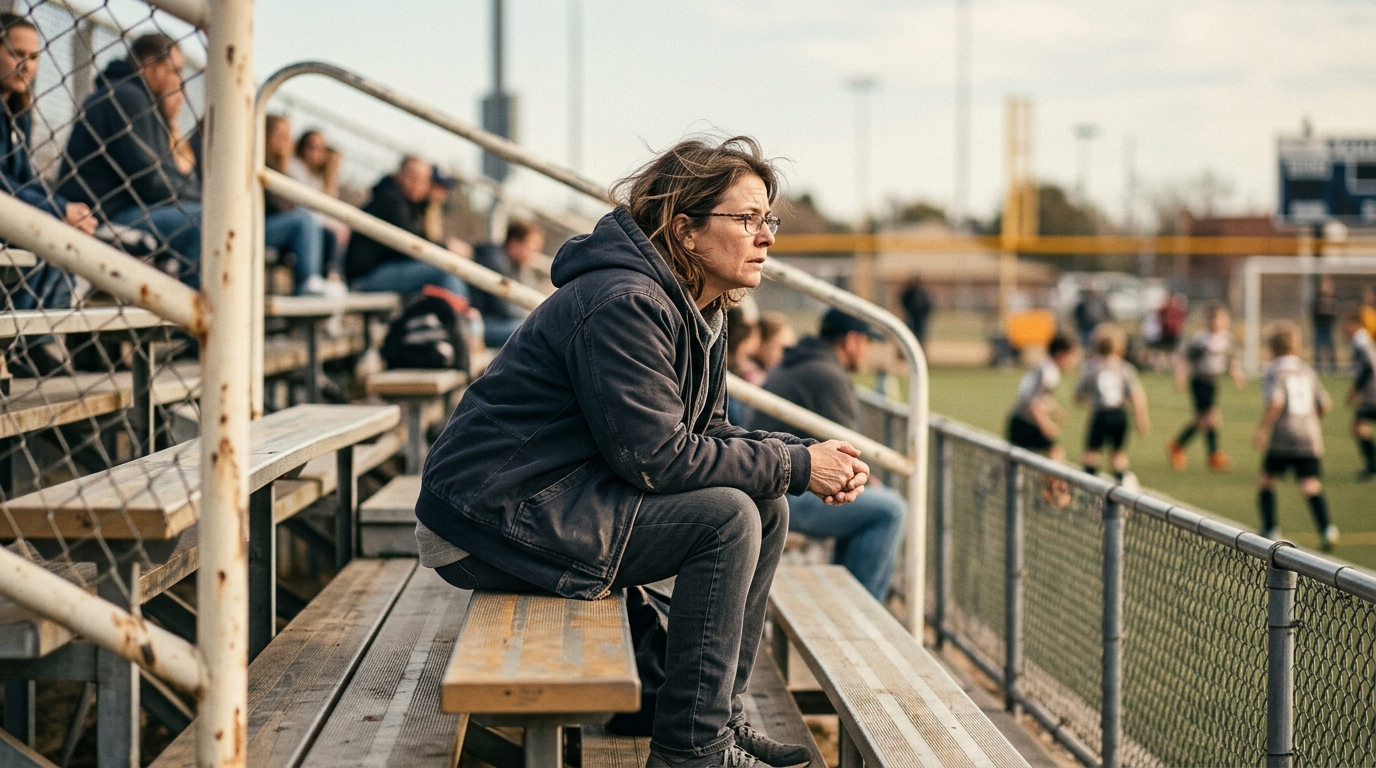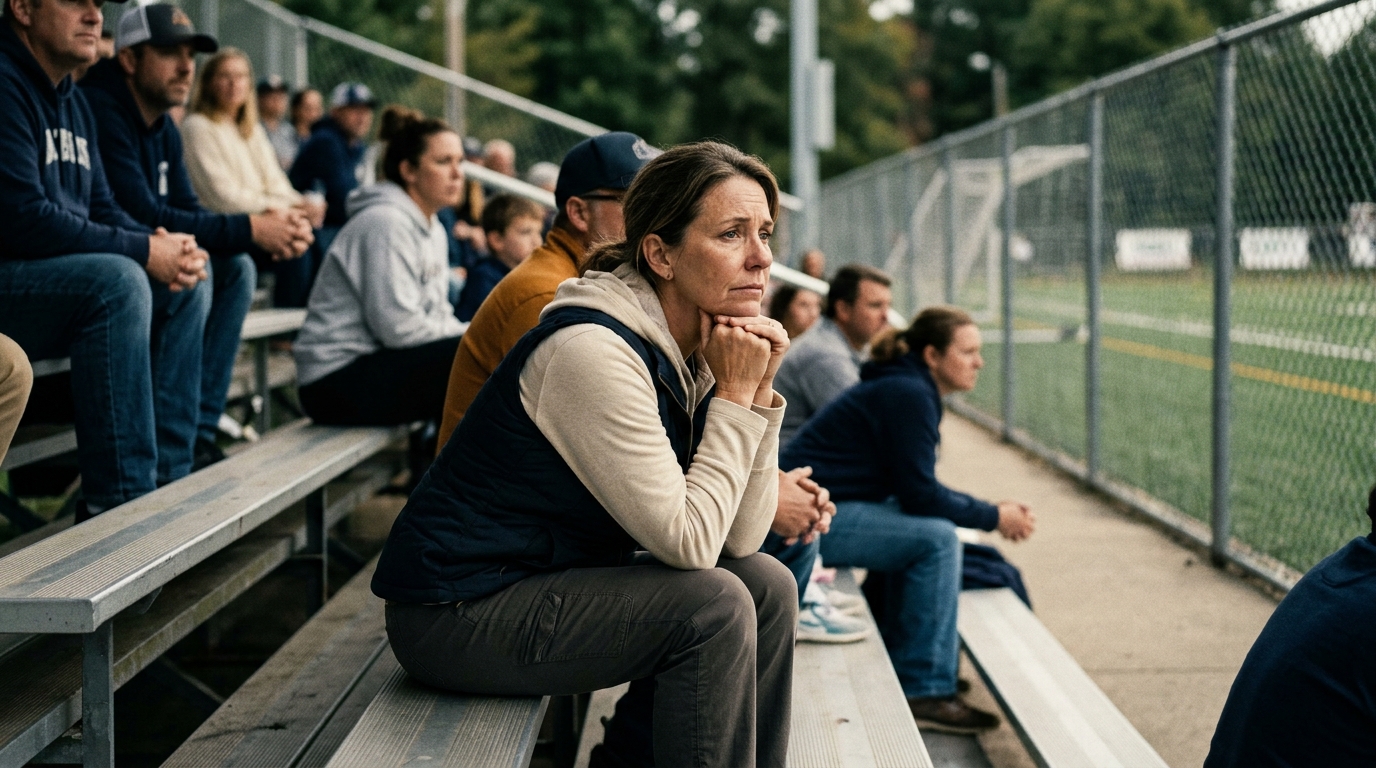
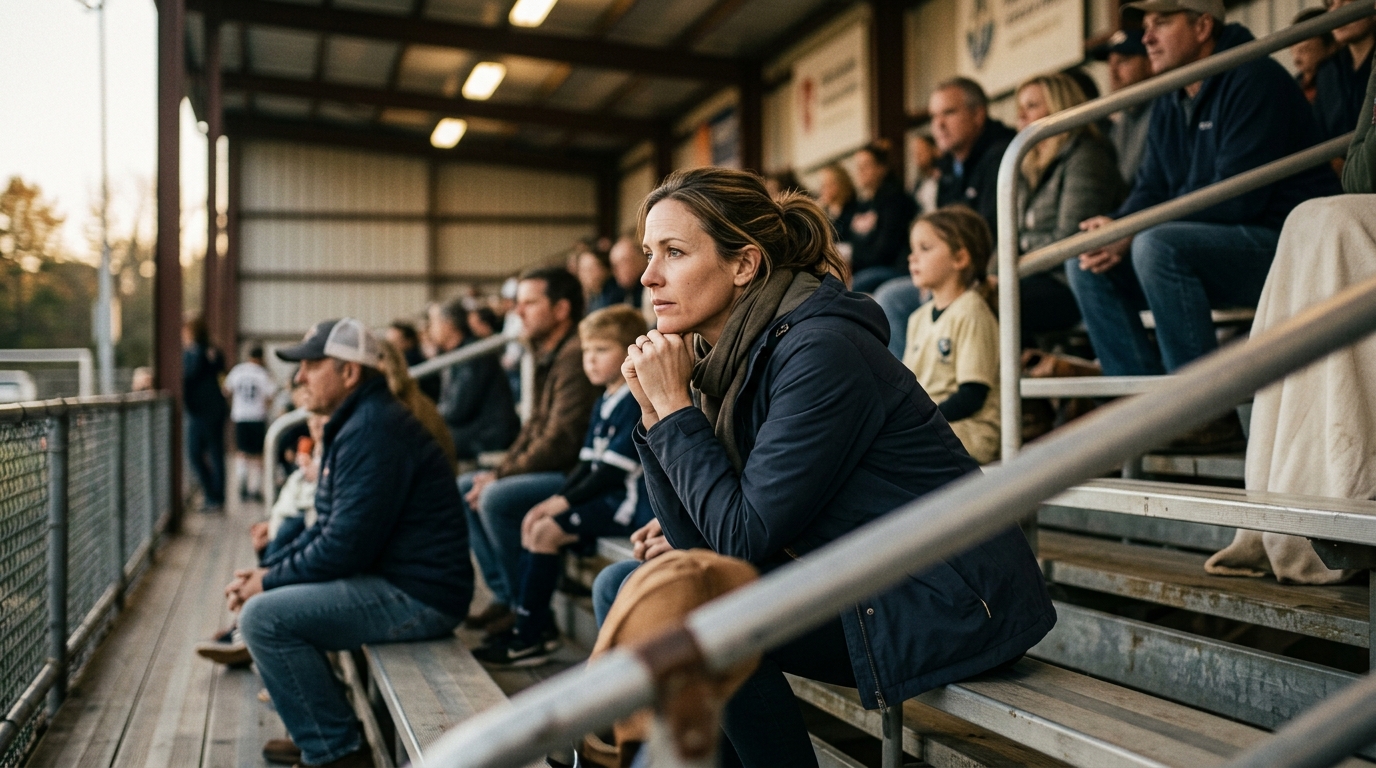
The game ends. Kids are peeling off shin guards or untying cleats in that half-rush, half-drag they all have after a long afternoon. Your kid gets in the car, shuts the door, and stares straight ahead. You can feel the whole game still sitting in the front seat with you. The missed chance. The turnover. The inning they didn’t get. The thing the coach said. The thing the coach didn’t say.
And right there is where a lot of good parents accidentally make a regular Tuesday feel like a verdict.
I’ve coached long enough to know this part matters as much as a lot of practice plans. Not because the ride home has to be magical. It doesn’t. Most rides home are ordinary. Quiet. A little sweaty. Somebody’s hungry. Somebody forgot a water bottle. That’s fine. The goal is not to turn the car into a counseling office. The goal is to not turn it into a courtroom.
Parents usually get in trouble here for one of two reasons: they ask too much, or they say too much. Sometimes both before the first stop sign.
Most kids don’t need a breakdown before they’ve even cooled off
I’ve seen kids walk off the field still replaying one moment, while the parent is already doing a full postgame review.
Why didn’t you shoot there?
What happened on that play?
Did coach tell you to do that?
Were you paying attention?
Why were you on the bench so long?
None of those questions sound outrageous by themselves. That’s what makes this tricky. A lot of sideline-parent mistakes are made with decent intentions and bad timing.
Right after a game, your kid usually needs one of three things:
- quiet
- food
- a little space before words
Sometimes they want to talk right away. A lot of times they don’t. If you miss that read, the ride home gets crowded fast.
Use one opening line and let it breathe
If you want a practical rule, use one easy opener and stop there.
“Glad I got to watch you play.”
That’s it.
Not fake hype. Not a lesson. Not a trap disguised as a compliment. Just a clean statement that says, I’m here, I saw you, and I’m not about to turn this into an interrogation.
Then let the car be quiet for a minute.
I’ve had parents tell me that feels unnatural at first. I get it. Adults hate dead air. We rush to fill it because we’re uncomfortable. But a lot of kids need that minute to come back to themselves before they can tell you anything honest.
If they start talking, don’t steal the microphone
When your kid does open up, the biggest job is to not jump in too early with your own analysis.
If they say, “I played terrible,” you do not need to sprint into a speech.
Try this instead:
- “What felt off?”
- “What did you notice?”
- “What do you want to work on next time?”
Those questions keep the responsibility with the player without making them feel pinned to the seat.
That matters. Kids build ownership when they get to name their own game before the adults name it for them.
And if they don’t want to talk? Don’t force a performance review out of them just because you drove them there.
Not every quiet kid is upset.
Not every talkative kid wants advice.
Not every bad game needs a family meeting.
Talking to the coach can wait until your pulse drops
Now let’s talk about the other part of this sideline-parent moment: what you do with your own reaction.
Sometimes the hardest thing in youth sports is managing the story you start telling yourself before you have all the facts.
Your kid played less than usual. They were moved to a different spot. The coach corrected them sharply. A lineup choice surprised you. You’re sitting there in the bleachers building a whole case in your head by the final whistle.
I’ve been around enough benches to say this plainly: the conversation you want to have right then is usually not your best version of that conversation.
Coaches are still coaching after the game ends. They’re packing up, checking on kids, talking to assistants, and replaying their own decisions too. If you walk over hot, even if your words stay polite, your energy won’t.
A better move is simple:
- write down the question you think you have
- wait until later that night or the next day
- see if the question still holds up after your emotions settle
A surprising amount of sideline frustration burns off once the game is no longer five inches from your face.
Support is not the same as rescue
One thing parents wrestle with is knowing when to step in for their kid and when to let their kid handle it.
Here’s the plain version: if it’s confusion about role, playing time, or feedback, your kid should gradually learn to have some of those conversations themselves as they get older. That doesn’t mean you abandon them. It means you help them prepare instead of rushing in as the lead speaker every time.
Support sounds like:
- “Do you want help figuring out what to ask?”
- “Let’s think about how to say it respectfully.”
- “If you talk to coach, keep it short and clear.”
Rescue sounds like grabbing the problem and making it yours.
Kids can tell the difference.
The real win is a car ride your kid doesn’t dread
Over time, your kid will forget plenty of scores. They’ll forget random league games and half the tournament weekends you swore were unforgettable. But they will remember the feeling of getting in the car with you.
Did the air get tight?
Did every mistake come back out?
Did they have to manage your mood on top of their own?
Or was the ride home a place where the game could stay the right size?
That’s the rule, really. Keep small games small. Keep one bad play from becoming a character discussion. Keep one lineup choice from becoming a family issue. Keep your voice steady enough that your kid doesn’t have to brace for impact after competing.
You do not need the perfect words every time. You just need enough discipline to not make a hard moment heavier than it already is.
That’s good sideline parenting. Sometimes it looks a lot like saying less, waiting longer, and remembering that the person in the passenger seat is still a kid on the way home.