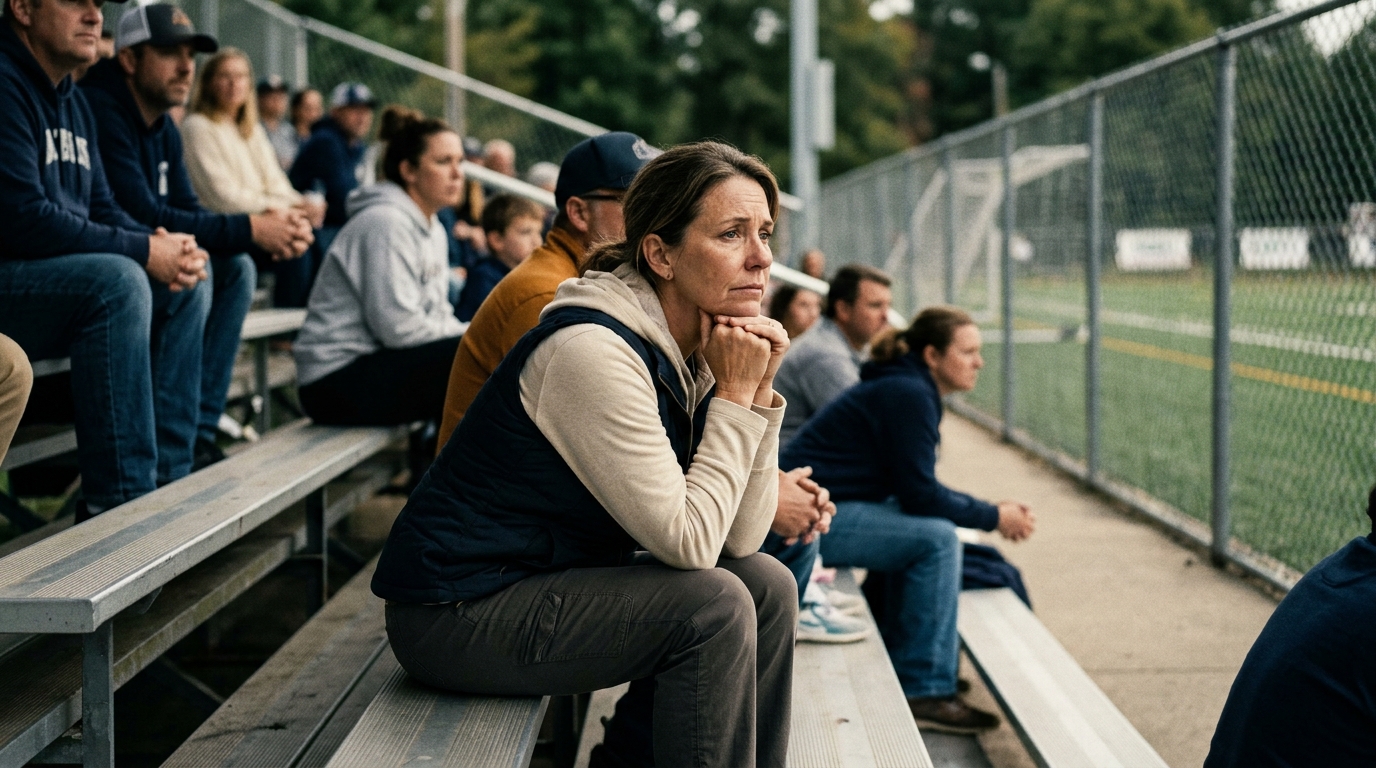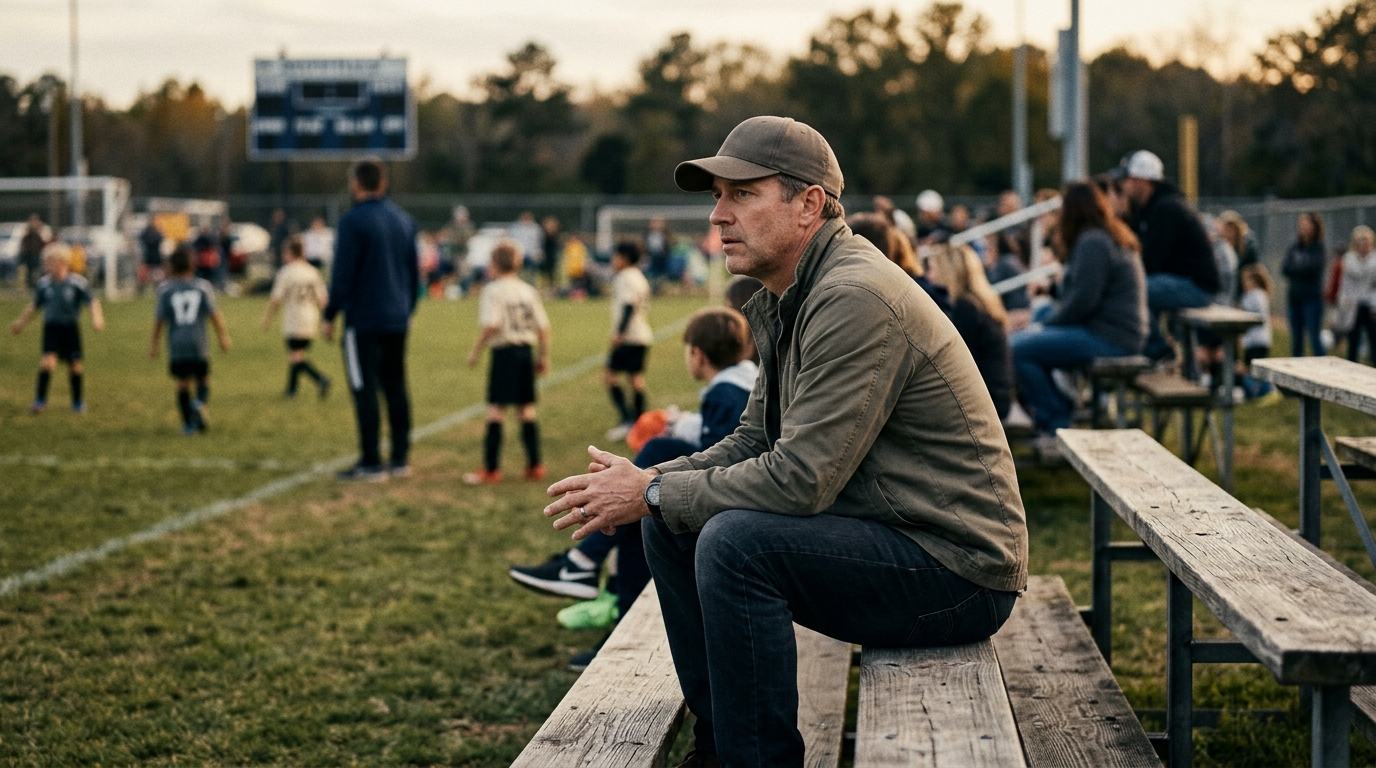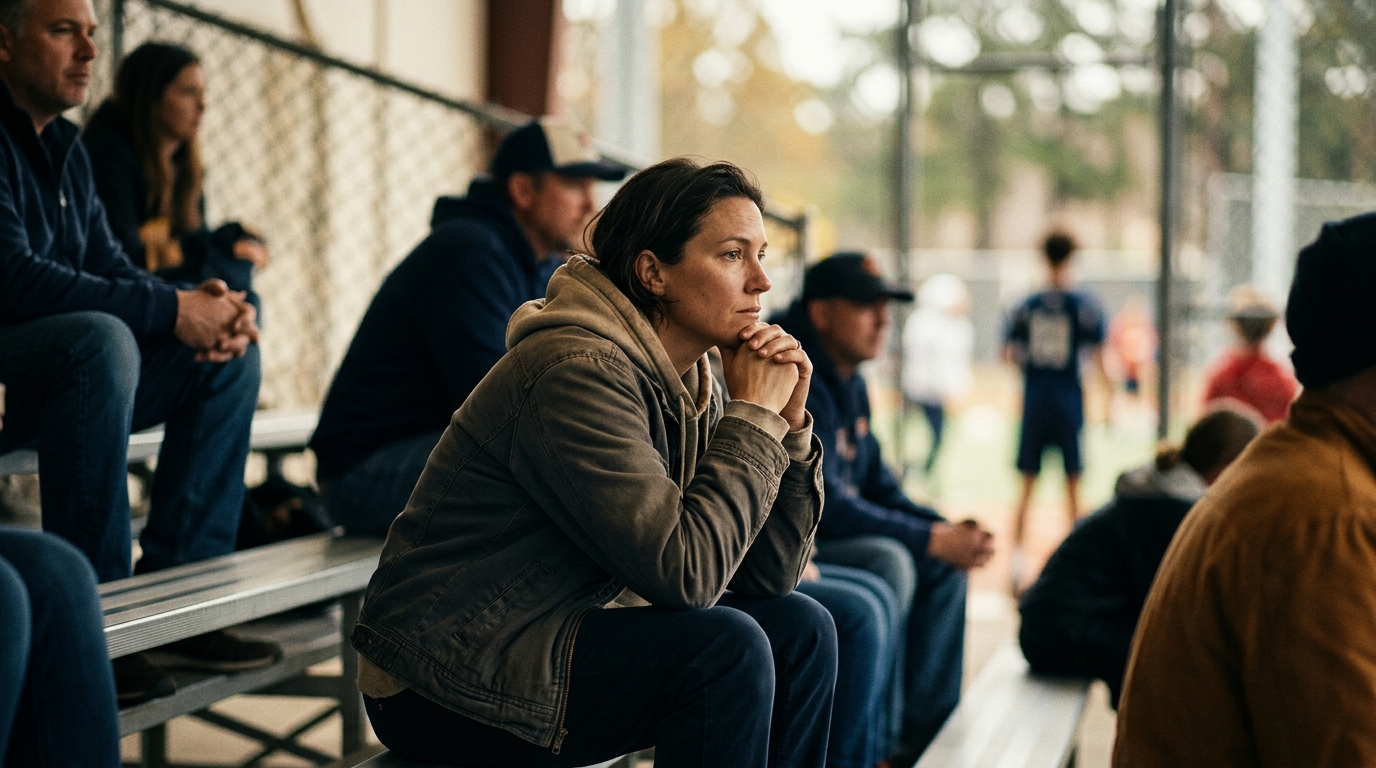

It’s 8:17 p.m. The game ended 12 minutes ago. Your kid is in the back seat peeling tape off one sock, staring out the window, and you’re still carrying the conversation you almost had at the fence.
You wanted to ask the coach why the lineup changed. Why your kid sat so long. Why that other kid got one more shift, one more inning, one more chance.
And maybe you didn’t say anything. Maybe you just tightened your jaw, loaded the chair a little harder than usual, and let the whole ride home fill up with that question.
Here’s the practical move: if it still matters tomorrow, ask tomorrow.
Not because parents should never ask. They should. Not because coaches are always right. They aren’t. But because timing changes tone, and tone changes what happens next.
The sideline version of “just one quick question” is rarely quick
I’ve been around enough fields to know how this usually goes. A parent waits until the handshake line breaks. Coach is collecting balls, answering one kid, finding another kid’s water bottle, talking to an assistant, already late getting home.
The parent opens with, “Hey, just wondering…”
That phrase has started more bad conversations than people realize.
Because “just wondering” is almost never just wondering. It’s usually frustration that’s been trying to act polite for 20 minutes.
And the coach usually knows it.
So now you’ve got two tired adults, one half-listening kid nearby, and a discussion about playing time, position, effort, or fairness happening in the worst possible setting.
That is not a communication problem. That is a timing problem.
Tomorrow-you is usually better than right-now you
One of the best things a parent can do on game day is delay their own reaction.
Not bury it. Not pretend it’s fine when it’s not. Just delay it long enough to tell the difference between a real concern and a hot one.
By the next day, a few useful things happen:
- You have better facts. What felt personal in the moment may look different after you think through the game.
- Your kid is not standing there absorbing it. Kids hear more than adults think. Especially when adults think they’re being subtle.
- The coach has a chance to respond instead of defend. Big difference.
I’ve had parents ask hard questions in a calm way a day later, and we had productive conversations. I’ve had parents ask softer questions right after games, and the whole thing came in hot because everybody was cooked.
Same topic. Different timing. Different outcome.
Your kid is watching what you do with disappointment
This part matters more than the lineup question.
Your kid is learning what frustration looks like in your family. They’re watching whether every uncomfortable sports moment becomes a case to build, a text to send, or a sideline face to make.
They notice when you go quiet in that sharp way. They notice when you start naming all the things that were unfair. They notice when your body says, “We need to fix this tonight.”
Sometimes the strongest support is not rushing to act.
You do not have to respond at the speed of your irritation.
That’s true at the fence. That’s true in the car. That’s true in the kitchen when you’re still replaying the third quarter while packing tomorrow’s lunch.
Use a 24-hour filter, not a forever rule
This is not “never talk to the coach.” That’s not realistic, and it’s not helpful.
This is a simple filter:
Ask yourself three things
- Is this about safety, respect, or confusion? Those usually deserve a conversation.
- Is this about one moment or a pattern? One rough game is usually not enough data.
- Will I say this better tomorrow? The answer is almost always yes.
If it still matters the next day, send a short note and ask for a time to talk. Keep it adult. Keep it specific. Keep your kid out of the middle.
That sounds basic, but a lot of sideline mess starts when parents try to solve grown-up questions in kid-space.
What to do instead on the ride home
If you’re choosing not to bring up the coach, the lineup, or the missed chance tonight, you still need somewhere to put all that energy.
Try this:
- Handle the body first. Water, snack, quiet. Tired kids don’t need a review.
- Start ordinary. “You want food now or at home?” is a better opener than “Tough one, huh?”
- Let silence work. Not every car ride needs processing.
- If they bring it up, stay with their feeling before your opinion. “Yeah, sitting is hard” goes further than “Coach had a reason.”
Parents sometimes think support means immediate analysis. A lot of the time support means making the car feel normal again.
The fence is a bad office
I get why parents want the answer now. Waiting feels weak when your kid is hurting or confused. But urgency creates sloppy conversations.
The fence is not where good adult conversations happen. The parking lot is not a conference room. The ten steps between the bench and the trunk are not the place to settle role questions.
If something needs to be said, say it well. And if you want to say it well, don’t say it in the first wave of emotion.
Tomorrow is not avoidance. Tomorrow is strategy.
Sometimes the best sideline behavior is invisible. You breathe. You pack up. You drive home. You keep your face from telling a story your kid now has to carry. And if the issue is real, you handle it when your voice sounds like a parent trying to help, not a fan trying to win an argument.
That one-day pause saves more relationships than people think.