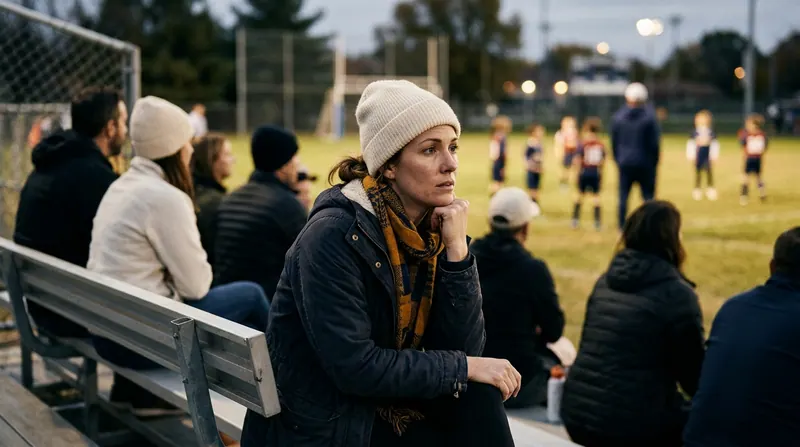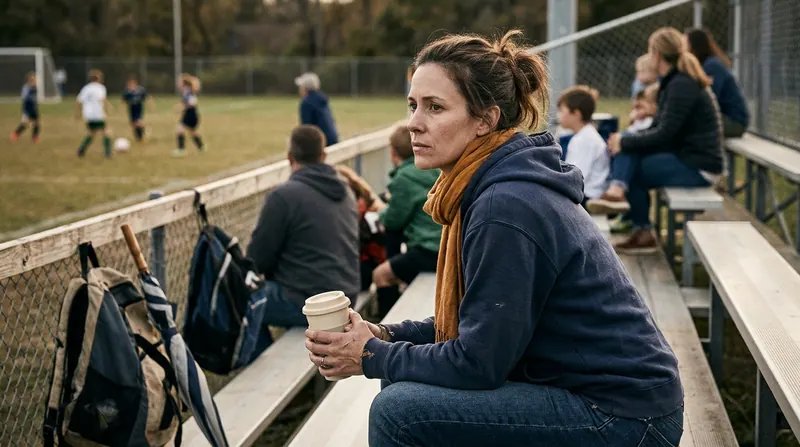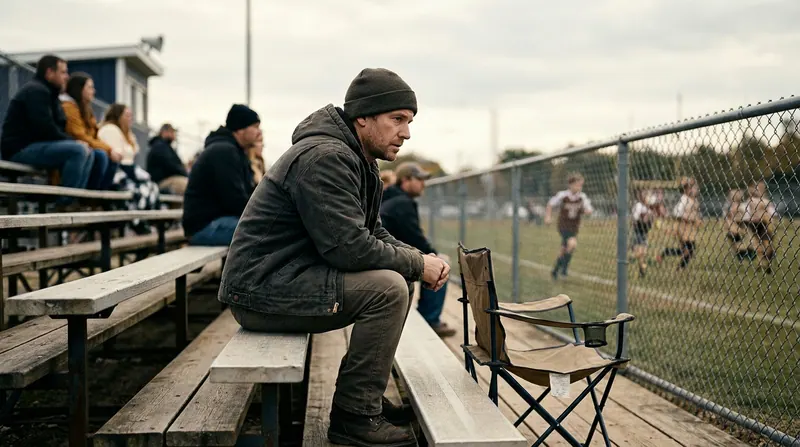
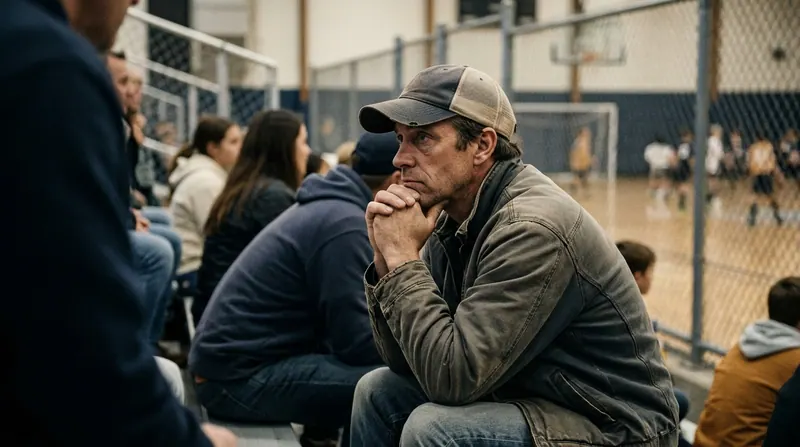
The whistle blows, kids scatter, and you can feel the postgame traffic pattern start up like clockwork. One parent is already halfway to the coach with a face that says, quick question. Another is loading chairs with one hand and pointing out missed assignments with the other. Your kid is trying to untie one cleat while holding a snack, a water bottle, and whatever mood they brought off the field.
That little stretch right after the game gets a lot of families in trouble.
Not because anybody is trying to be difficult. Mostly because everybody is still hot. Kids are tired. Parents are full of observations. Coaches are doing the mental math of equipment, next game time, who got bumped up, who got hurt, and whether everyone has a ride home. It is a bad time to squeeze in a meaningful conversation, and it is an even worse time to start one with your kid.
I learned this the same way most of us do: by talking too soon and acting surprised when it went poorly.
There were plenty of games where I thought I was being helpful. I would start with something small. You’ve got to get lower there. Or, Why didn’t you call for that? Or the classic parent opener disguised as support: Tough one, huh? What I was really doing was meeting a tired kid at the car door with my own leftover game energy. That almost never helped.
So here is a practical rule that works better than most speeches: for the first two minutes after your kid gets to you, handle only water, shoes, and gear.
Give their body a minute before you ask their brain for anything
Most kids don’t need instant analysis. They need a sip of water, both cleats off, and the chance to stop performing for a second.
Those first two minutes are a reset. Not a strategy meeting. Not a character lesson. Not a fishing trip for details about the coach, the lineup, or the missed play that is still bothering you.
Keep it simple.
- Hand them water.
- Help them find the other shoe if needed.
- Get the hoodie on if it is cold.
- Pick up the bag, chair, glove, or shin guards without making it a life lesson.
This sounds small because it is small. That is the point. Small things settle kids down. They also settle parents down.
When your hands are busy helping with practical stuff, your mouth tends to stay out of trouble.
What to say in that window
You do not need a script, but you do need some guardrails.
Good first-two-minute sentences sound like this:
- “Here, take some water.”
- “You want help with that bag?”
- “Cold out here. Put this on.”
- “Nice job finishing. Let’s get your stuff.”
That last one matters. Nice job finishing is different from You played great when they know they did not. It is honest, steady, and doesn’t start an argument with your kid’s own memory of the game.
What I would avoid:
- “Why were you upset?”
- “What did coach say?”
- “You should have…”
- “Do you think coach is mad?”
- “Why didn’t they play you more?”
Those are not evil questions. They are just badly timed questions.
If you need to talk to the coach, don’t do it while your kid is standing there with one cleat on
This is a sneaky one. A lot of parent-coach conversations go sideways before a single hard word gets said, just because of where and when they happen.
If your kid is beside you, listening while pretending not to listen, that is usually not the moment. Now your child is part of an adult conversation they cannot control and will definitely replay later.
I have seen kids go from calm to tense the second a parent says, “Coach, can I ask you something real quick?” They know what comes next. Even if the question is polite, the air changes.
If it can wait, let it wait. If it cannot wait, make sure your kid is not parked there holding the bag like a hostage to the conversation.
Not every thought needs to be spoken at the field just because you had it at the field.
The real benefit is not silence. It is temperature control.
This is not about being fake calm. It is about not making a tired moment heavier than it already is.
Parents have a job after games too. Ours is not to solve everything before we leave the complex. It is to keep the lid on things long enough for a better conversation to be possible later.
Two quiet minutes can keep you from:
- starting a car ride with tension already loaded up
- putting your kid on defense before they even sit down
- bringing the coach into a conversation that does not need to happen yet
- turning your own frustration into your kid’s next problem
That is a win, even if nobody says much.
When the two minutes are up
Usually, one of two things happens. Either your kid starts talking on their own, or they do not.
If they start, listen longer than you think you need to. If they do not, you do not need to pry the game open with a crowbar. Let the drive be the drive. Let dinner be dinner. Sometimes the best postgame talk starts an hour later when nobody is trying to force it.
Kids are a lot more likely to talk when they do not feel ambushed.
And parents are a lot more likely to help when we do not mistake immediate access for good timing.
Water. Shoes. Gear.
That is enough for the first two minutes.
Honestly, on a lot of days, it is the smartest thing said all night.