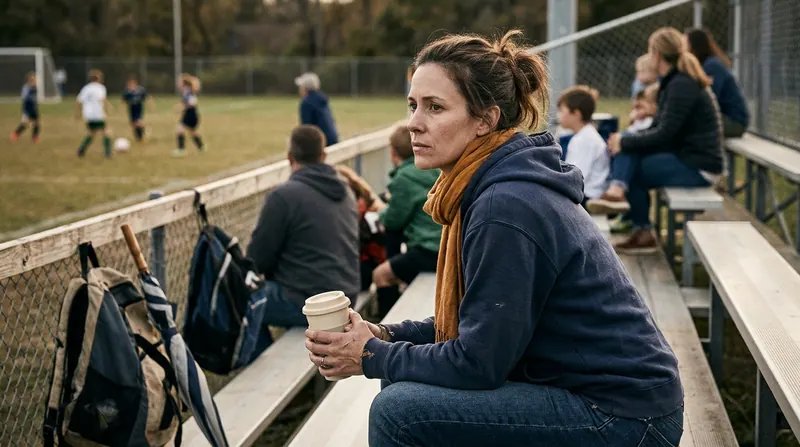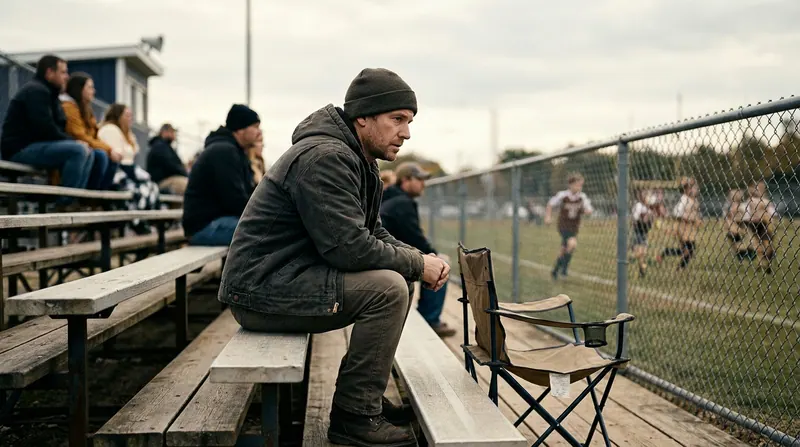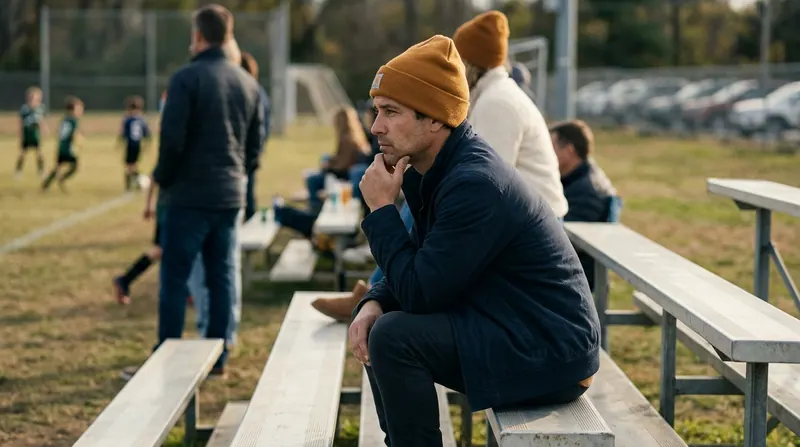
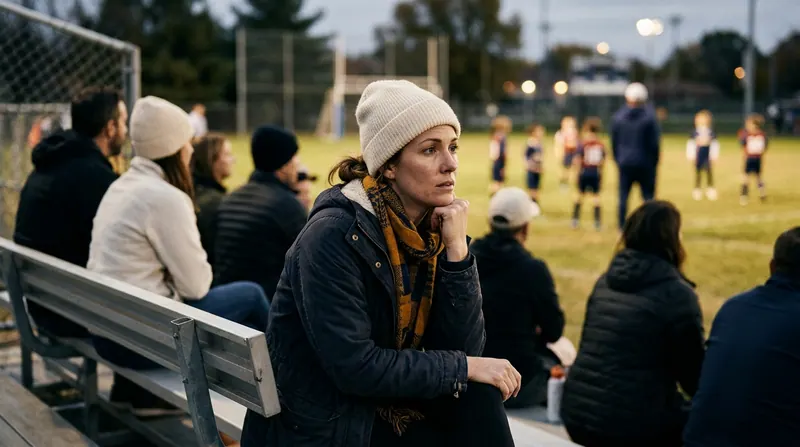
The final whistle blows, kids are peeling off shin guards, and you can see it happen in real time: three parents drifting toward the coach with that just one quick thing look. Your own kid is by the car, half in their sweatshirt, half watching you to see what kind of night this is about to become.
I’ve been around enough fields to know this moment gets mishandled more by good parents than difficult ones. Nobody walks over thinking, I’m going to make this awkward. Usually they’re trying to help, clear something up, or advocate for their kid. But the parking lot is where small questions turn into public scenes, and where kids quietly learn whether every game ends with tension.
That’s the part adults miss. Your child may not hear every word, but they can feel the temperature from 30 yards away.
The worst time to have a decent question
Some questions are fair. Most coaches know that. Playing time. Position changes. Communication. Confusion about a tournament weekend. None of that is off-limits forever.
But right after a game, the coach is usually doing four jobs at once: collecting gear, checking on players, replaying mistakes, and trying not to say something sloppy while emotions are still hot. I’ve been that coach. I’ve also been the parent who thought, I’ll just handle it now so it doesn’t linger. Almost every time, “handling it now” made it worse.
Not because the question was bad. Because the setting was bad.
The sideline and parking lot are public spaces. Even if you keep your voice down, kids notice body language. Other parents notice tone. Your child notices that the game is apparently not over yet.
When adults extend the game into the parking lot, kids carry it into the car.
Give yourself a simple rule
If it needs more than 20 seconds, it doesn’t belong after the game.
That one rule cleans up a lot.
A true 20-second conversation sounds like this:
- Logistics: “Coach, are we still meeting at 8 on Saturday?”
- Availability: “Just letting you know we’ll be late Thursday.”
- Quick appreciation: “Thanks for staying with them after that rough start.”
That’s it. Short, clean, no edge to it.
What does not fit in 20 seconds?
- Why your kid sat
- Why they were moved
- Why another player stayed in
- Why the team looked unprepared
- Why your child came off the field upset
Those are real conversations. They just need a real window.
What to do instead when you’re bothered
First, get your kid to the car before you get yourself to the coach.
That sounds small, but it matters. Kids should not be standing there holding a water bottle while you go negotiate the night on their behalf. If your child is with you, they are in the conversation even when nobody says their name.
Second, write the question down in your phone if it feels important. Not a paragraph. One line. Something like:
- Ask about infield rotation
- Clarify sub pattern
- Check plan for catching reps
That does two things. It keeps you from launching into it while your pulse is still up, and it helps you ask a cleaner question later.
Third, decide whether this is a coach issue, a kid issue, or a parent issue.
That’s a hard one, but it saves a lot of unnecessary friction.
Sometimes the truth is your child is disappointed and wants comfort, not intervention. Sometimes the coach really does need to explain something. Sometimes you just need a night to cool off before deciding this even matters.
Your kid is studying your reaction
I’ve watched players walk to the car already bracing for the adult version of the game film. Not because they played poorly, but because they know Mom or Dad has that look. The tight jaw. The clipped “Go get your stuff.” The long stare toward the bench.
Kids become experts at reading us.
If you storm over to the coach, your child learns that frustration gets exported. If you drag them into a postgame adult conversation, they learn that uncomfortable moments should become group events. If you keep your body calm and your feet moving toward the car, they learn that not every feeling needs an audience.
That’s not being passive. That’s being steady.
What to say when your kid asks, “Are you going to talk to coach?”
Keep it boring on purpose.
Try:
- “Not tonight.”
- “If there’s something we need to ask, we’ll do it later.”
- “Right now we’re heading home.”
Those answers settle the air. They tell your child the night is not about to turn into a tribunal beside the hatchback.
And if your kid wants you to go say something immediately, that’s your chance to model restraint. You don’t have to match their urgency to support them.
Support sometimes looks like listening first and acting later.
Leave the field like the game actually ended
One of the healthiest things a parent can do is make the exit feel normal. Pack the chair. Grab the bottle. Thank who needs thanking. Go home.
Not every frustration deserves same-day action. Not every question needs live processing under the parking lot lights. And not every coach conversation should begin with your kid standing 12 feet away pretending not to hear it.
There is a big difference between being involved and being immediate.
Good sports parents learn it the same way good coaches do: usually after a moment they wish they had back.
The game gives you enough hard moments on its own. You do not need to build one beside the trunk.