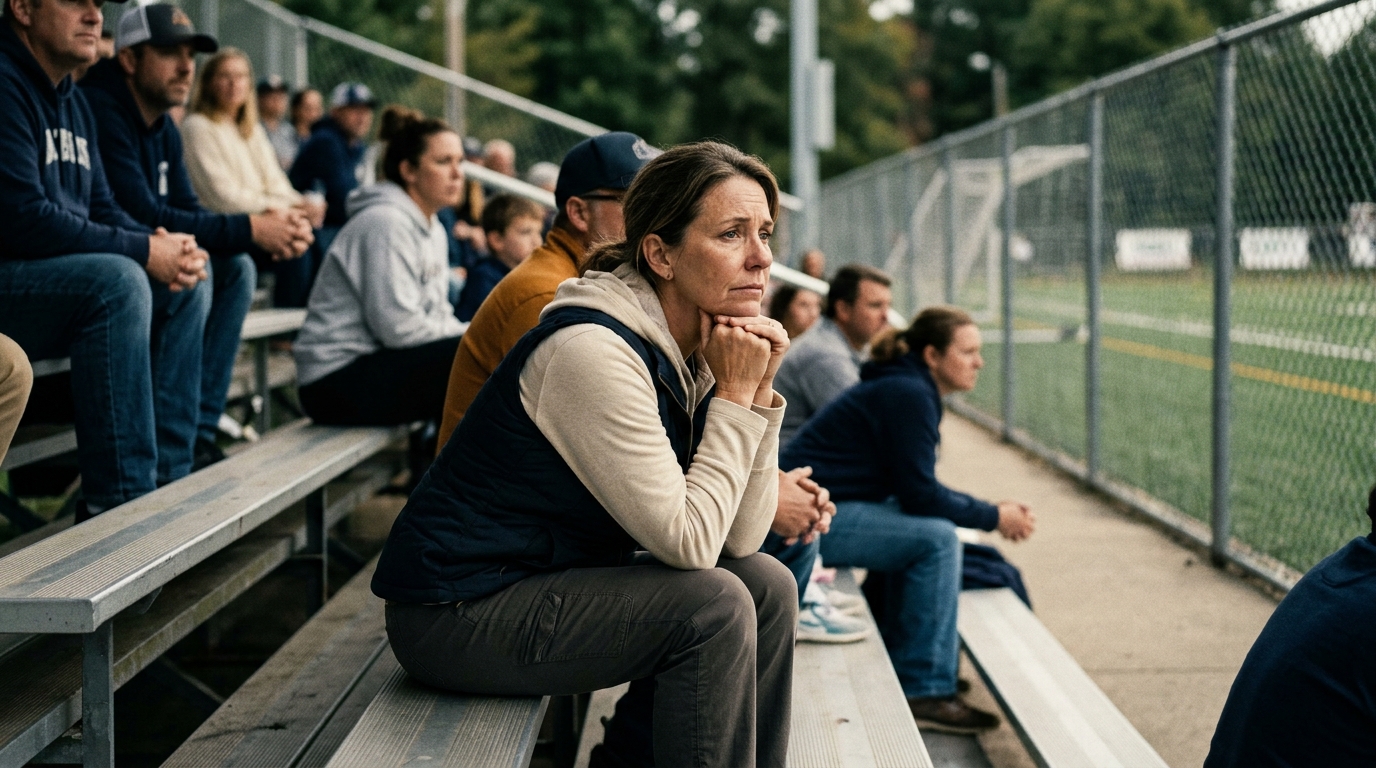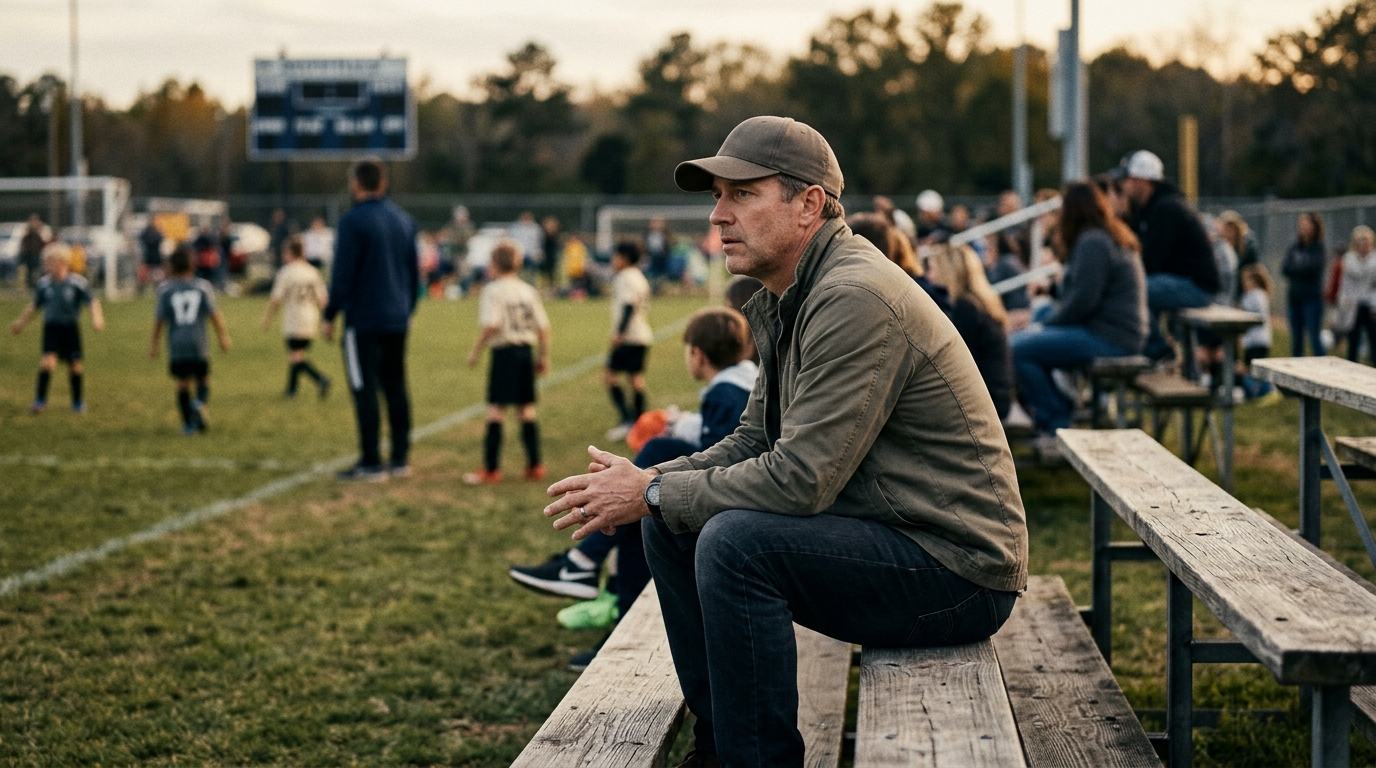
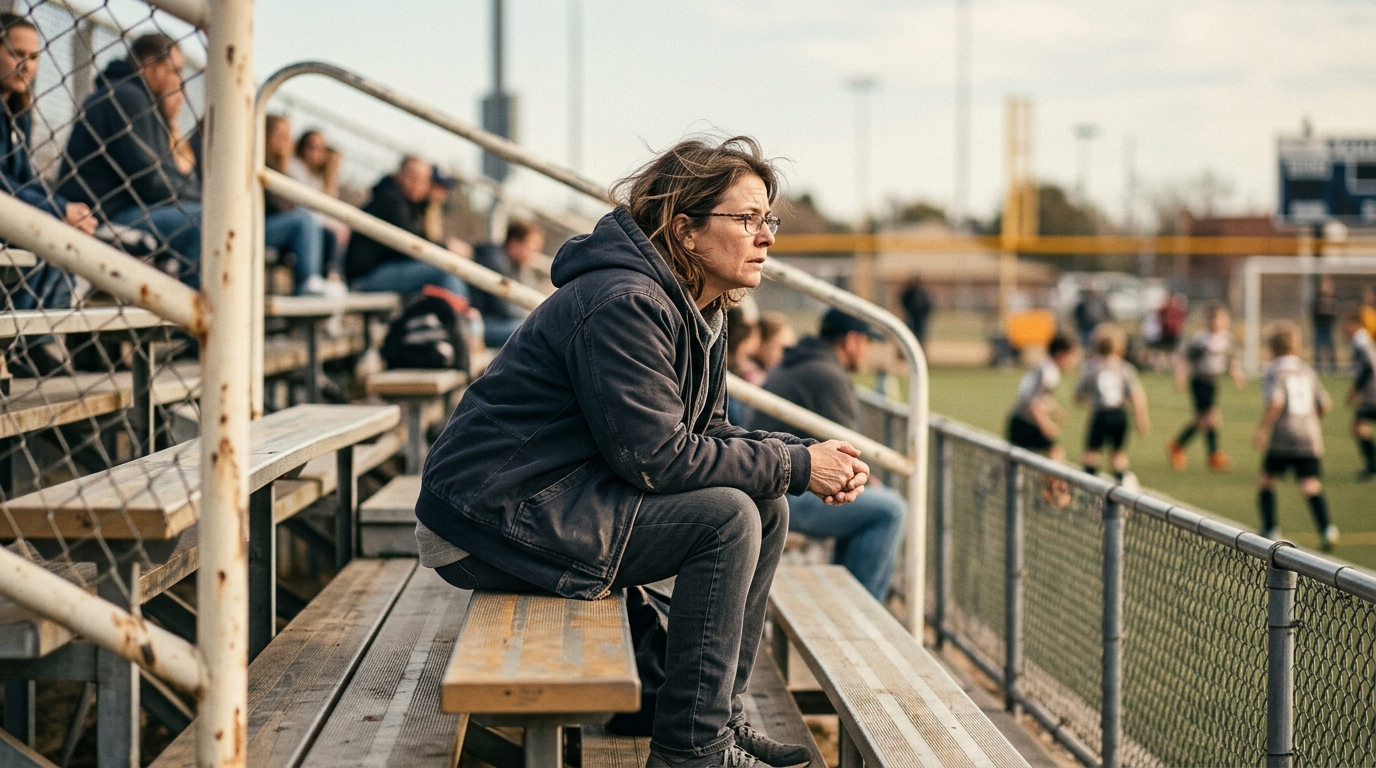
The final whistle blows. Kids are dragging bags, one cleat half untied, water bottle rolling under the bleachers. Your kid is quiet. You are not. You saw the sub pattern. You saw the missed call. You saw your child look over after the third shift on the bench, and now the coach is standing ten feet away stacking cones like nothing happened.
That is the exact moment a lot of good parents make a bad decision.
Not because they are rude. Because they care, they are loaded up, and they think if they do not say it now, it will eat at them all night.
I get it. I have stood there as a coach after games when a parent wanted answers before the kids were even done with the handshake line. I have also been the adult driving home replaying every decision I would have made differently. The problem is not caring. The problem is timing.
The version of you at the fence is usually not your best version
Right after a game, everybody is hot, even if they look calm.
The kid is emotional. The coach is still sorting substitutions, mistakes, effort, and whatever just happened in the last five minutes. The parent is carrying two things at once: what they saw and what they felt.
That mix leads to messy conversations.
A lot of parents tell themselves, I’m just asking one quick question. In real life, there is no such thing as a clean postgame question when your kid is standing there listening, other families are within earshot, and the coach has not even had a chance to gather the team.
Sideline rule: if your heart rate is still game-speed, it is not the time.
Use the 20-minute rule
Here is a practical fix: do not talk to the coach for 20 minutes after the game.
Not at the gate. Not by the bench. Not while carrying chairs to the trunk.
Twenty minutes is not magic. It just gives everyone time to become a normal person again.
In that window, let the coach handle the team. Let your kid breathe. Let yourself come down enough to tell the difference between a real concern and a bruised feeling.
I have seen parents save themselves a lot of regret with one simple move: put the question in the Notes app instead of saying it out loud. If it still matters later, ask it later. If it starts sounding smaller once the adrenaline wears off, even better.
What to do instead of marching over
When the game ends, your first job is not to solve the playing-time issue, the lineup decision, or the missed correction.
Your first job is to be steady for your kid.
That can look like this:
- Carry something. Bag, chair, cooler, whatever. It gives your body a job so your mouth does not take over.
- Lead with a simple line. “Glad I got to watch you.” “Tough one.” “Let’s get your stuff.”
- Do not fish for emotion. If they want to talk, they will. If they do not, silence is fine.
- Wait until later to decide if coach contact is needed. Most things feel bigger in cleats than they do an hour later.
Parents sometimes think staying quiet means being passive. It does not. It means you know the difference between support and spillover.
If you do need to talk to the coach, clean it up first
Some conversations are worth having. Role confusion. Repeated communication misses. A pattern your kid genuinely needs help understanding. Fine. But clean it up before you bring it to the coach.
Ask yourself:
- Am I asking for clarity, or am I asking for my frustration to be witnessed?
- Would I say this the same way tomorrow morning?
- Is this about my kid’s development, or my kid’s status?
That last one catches a lot of people.
There is a big difference between “How can my kid improve in this role?” and “Why was my kid not out there?” One invites coaching. The other usually invites defense.
As a coach, I can tell you this: parents get better answers when they arrive settled, specific, and respectful. Not because coaches love being challenged. Because calm questions are easier to answer honestly.
Your kid is watching how you handle disappointment
This is the part that matters most.
Every postgame moment teaches something. Not just the game. The behavior around the game.
Your kid notices if you storm over. They notice if you mutter through the parking lot. They notice if the whole ride home turns into a case-building exercise against the coach. Even when you think you are defending them, they often hear pressure. Now they do not just have their own feelings about the game. They have yours too.
Sometimes the strongest move a parent makes is the most boring one: get the bag, get the snack, get in the car, and wait.
Micro thought: Not every unfair moment needs an instant audience.
There is real strength in delaying the conversation. It keeps you from turning a sports problem into a family problem before dinner.
And if the issue still deserves a conversation after everyone cools off, have it then. You will sound better. The coach will hear better. And your kid will learn something useful: you do not have to react fast to respond well.