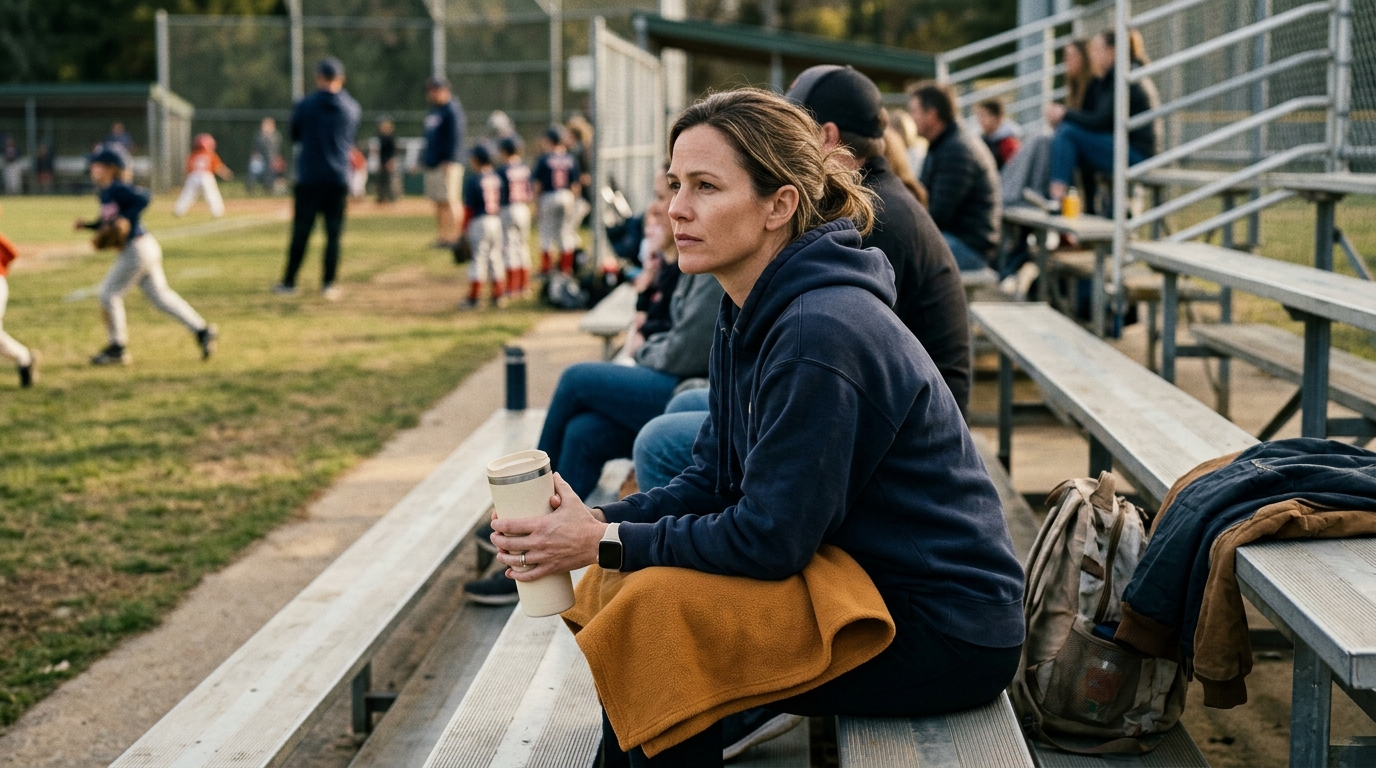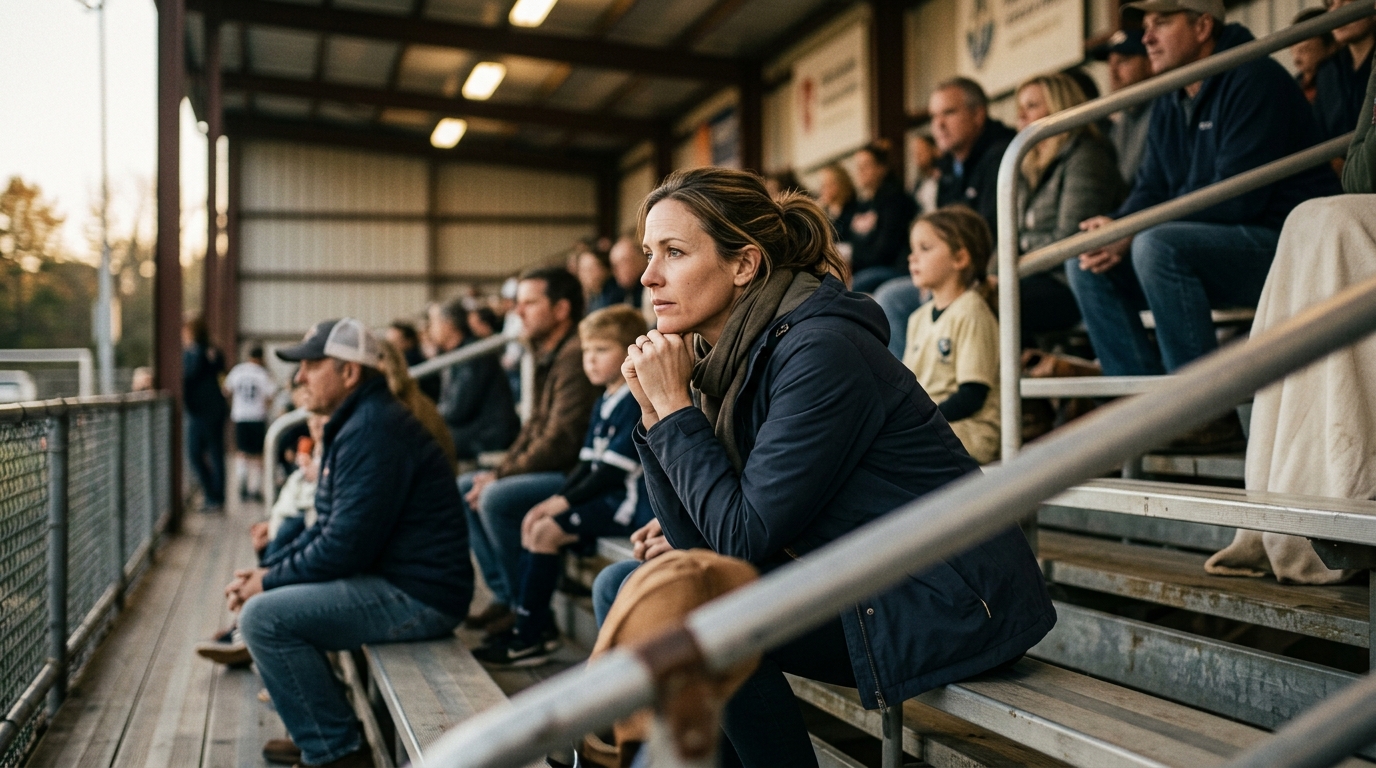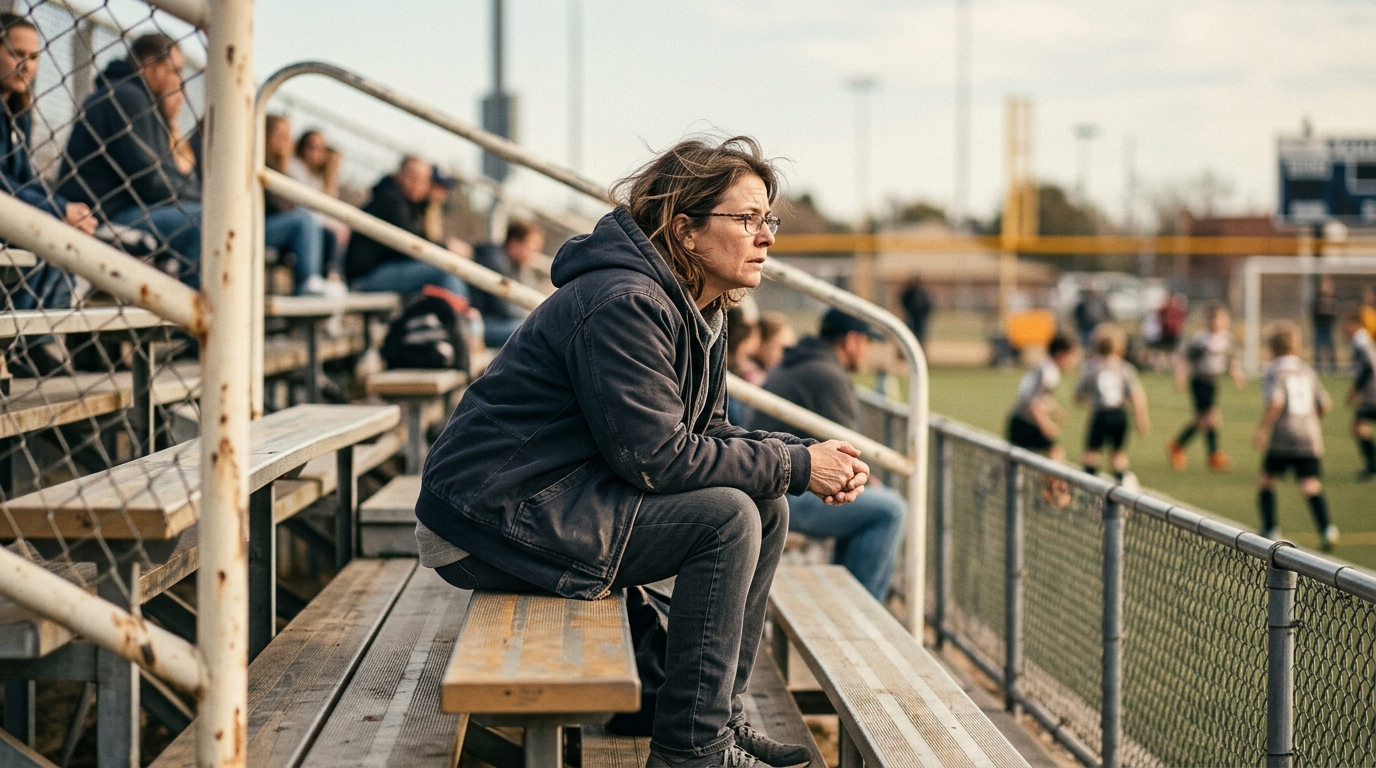
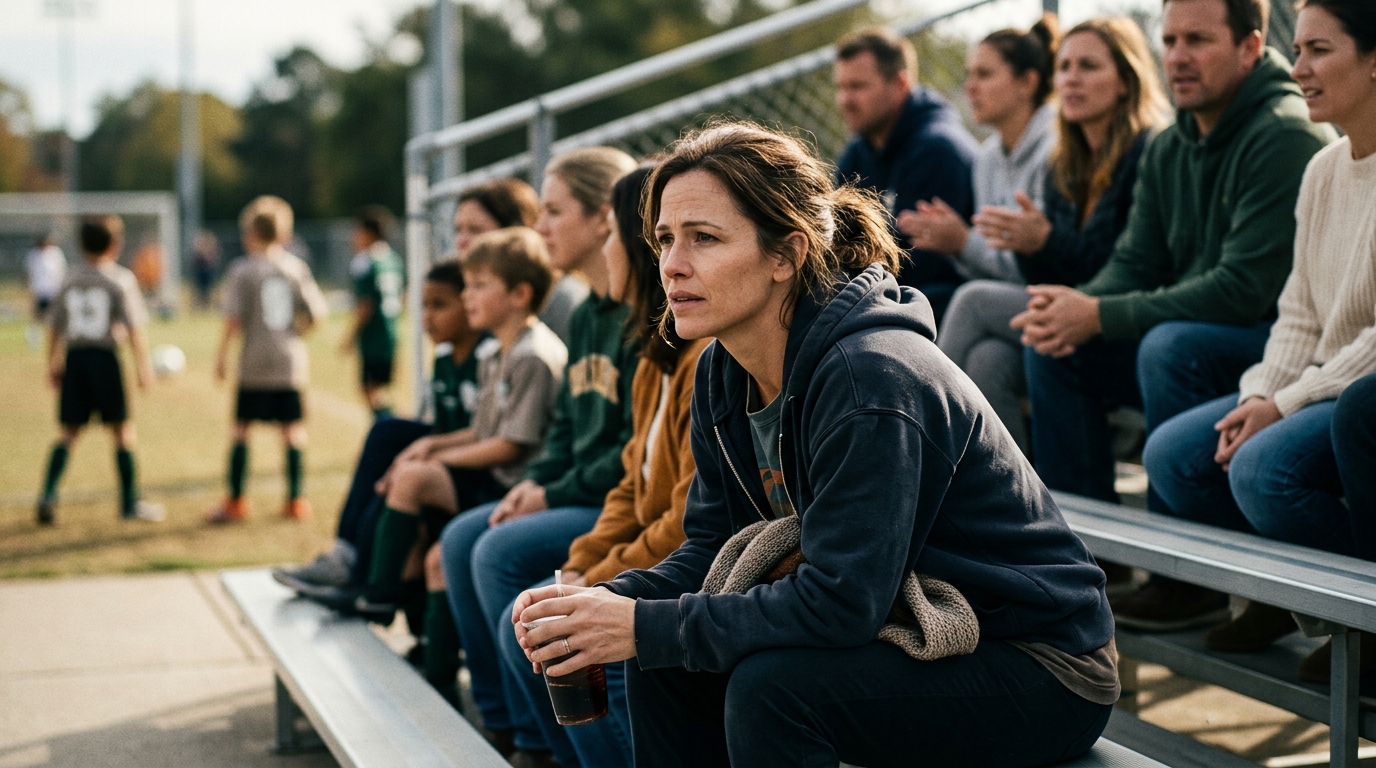
It’s 8:17 p.m. The game just ended under bad lights. Kids are peeling off shin guards in the back of SUVs. One parent is half-listening to their kid and half-scanning the field to catch the coach before the team huddle breaks. Another is already starting the stat recap through the passenger-seat gap. Everybody looks tired, and somehow that’s when the biggest conversations try to happen.
That’s the trap.
When parents get sideways after games, it’s usually not because they care too much. It’s because they try to do too much in the same 15 minutes. Support the kid. Get answers from the coach. Manage their own frustration. Clean up gear. Drive home. Those are four different jobs, and most people try to do all four at once.
A better move is simple: pick one window.
Not one topic. One window.
Either this is a kid window, or it’s a coach window, or it’s a quiet window. But it can’t be all three.
Why this matters
I’ve been around enough benches, parking lots, and postgame circles to know this: good parents get themselves in trouble when they act too fast after something emotional. A game runs long, your kid barely plays, the coach is ten feet away, and now your brain says, We should probably handle this right now.
Usually, no.
Right after a game, your kid is watching your face more than your words. The coach is trying to close out a team event, not open a private case file. And you? You’re probably not as calm as you think you are.
That doesn’t mean you ignore things. It means you stop forcing every conversation into the same cramped little window between the final whistle and the trunk closing.
Urgent is not the same as important.
The three windows
1. The kid window
If your child gets in the car looking upset, quiet, mad, or confused, that’s not the moment to also chase the coach for answers.
Your first job is to be their landing spot.
That might sound like:
- “Glad I got to watch you tonight.”
- “You looked disappointed. Want to talk now or later?”
- “Get your water first. We don’t need to solve anything in the parking lot.”
That doesn’t fix everything, but it keeps the moment from getting crowded. A kid who feels watched, graded, and cross-examined all at once usually stops talking.
And if they do want to talk, let it be their experience first, not your evaluation of it.
Not: “I can’t believe he kept you out that long.”
More like: “What part felt hardest tonight?”
That question opens a door. The first one hands them your anger and asks them to carry it.
2. The coach window
If there’s something you truly need to address with the coach, make that its own clean interaction.
Not while your kid is standing there. Not while siblings are melting down. Not while you’re still steaming.
Short is better. Specific is better. Private is better.
Something like:
- “Coach, when you have a minute this week, I’d like to ask about how my kid can help more.”
- “I’m not looking to do this right now. Can we find a better time to talk?”
That’s adult behavior. It keeps the temperature down and the relationship usable.
Parents sometimes think waiting means backing down. It usually means showing up prepared.
If the conversation matters, it can survive a night.
3. The quiet window
Sometimes the best postgame move is no move.
Just snacks, seatbelts, and a little air.
Not every ride home needs processing. Not every bad game needs a lesson. Kids are allowed to be tired without turning it into a family summit.
I’ve seen plenty of players recover fine from rough nights when the adults didn’t crowd the moment. I’ve also seen decent nights get turned sour because the ride home became a courtroom.
Silence isn’t avoidance if you’re choosing it on purpose.
How to use this in real life
Before the season gets rolling, make yourself one simple rule: after games, I decide the window before I open my mouth.
That one beat of restraint helps more than most speeches.
Ask yourself:
- Does my kid need me right now, or do I just want information?
- Am I trying to talk to the coach because it’s the right time, or because they’re standing there?
- Would this conversation go better tomorrow?
Usually, those answers are pretty obvious if you’re honest for five seconds.
The hard part is not the decision. The hard part is controlling your own urge to act immediately.
That’s parenting on the sideline more than people want to admit. A lot of it is managing yourself first.
What your kid learns from this
When you pick one window instead of creating one big emotional pileup, your kid learns a few useful things.
- Feelings don’t have to become chaos.
- Not every disappointment needs a public reaction.
- Hard conversations can happen calmly and at the right time.
- Home is not another bench to perform on.
That’s real support. Not louder support. Better support.
Because most kids don’t need a parent who can win the postgame argument in the parking lot. They need a parent who knows which job they’re doing right now.
Kid window. Coach window. Quiet window.
Pick one.