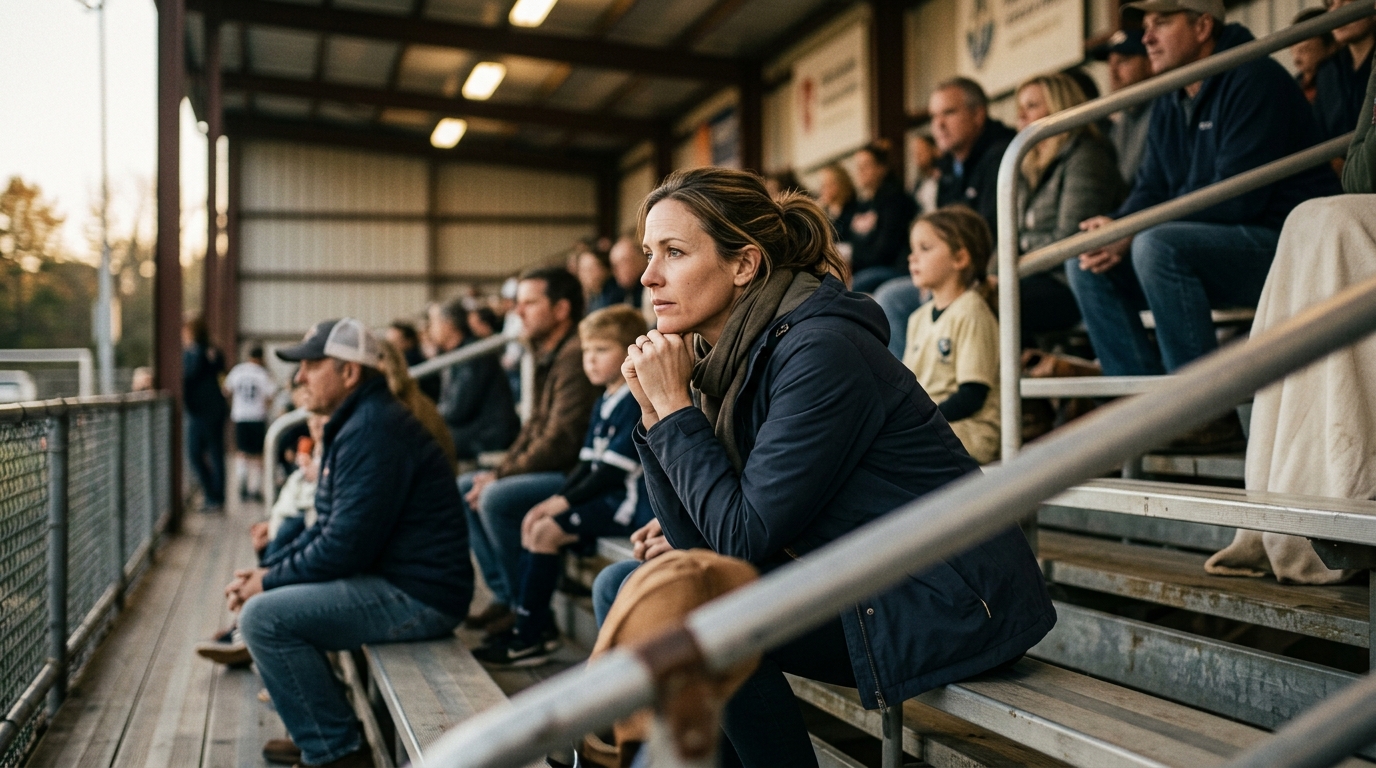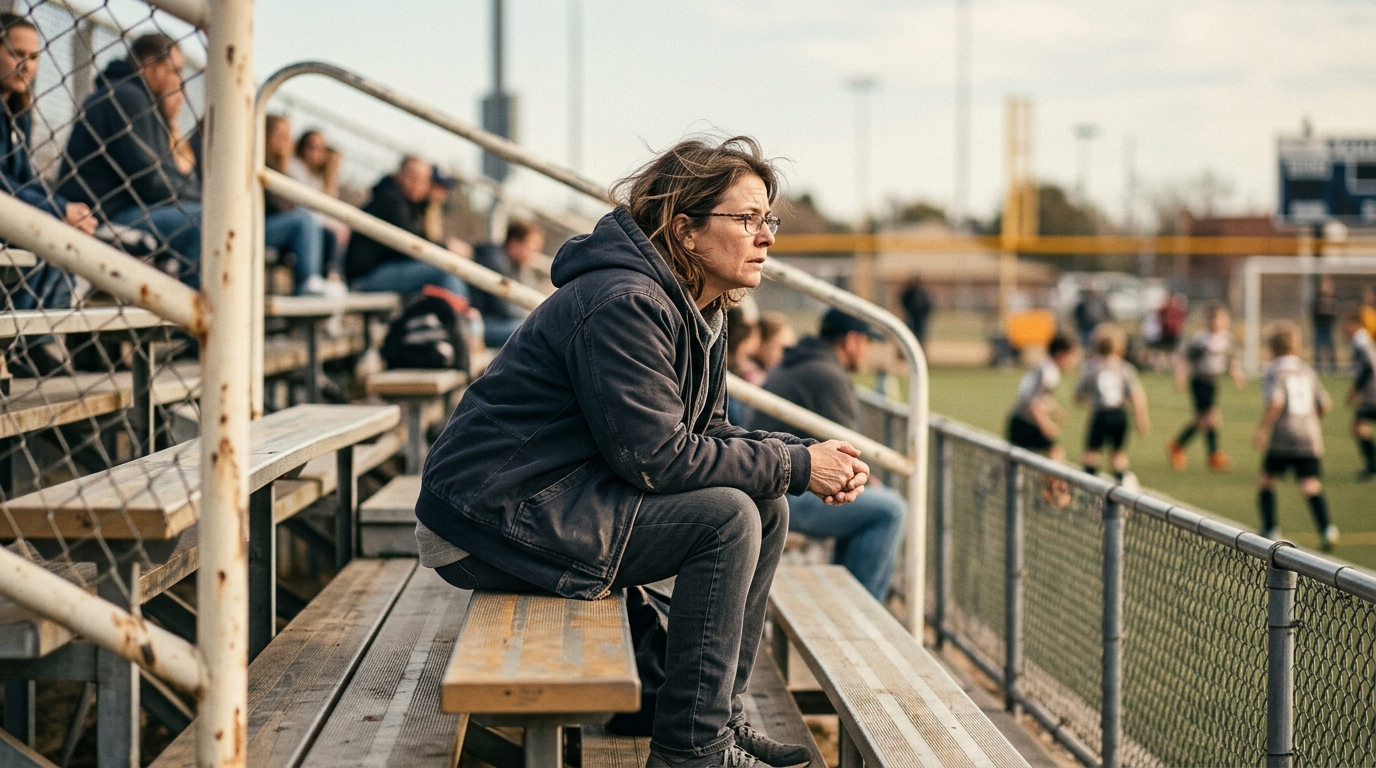
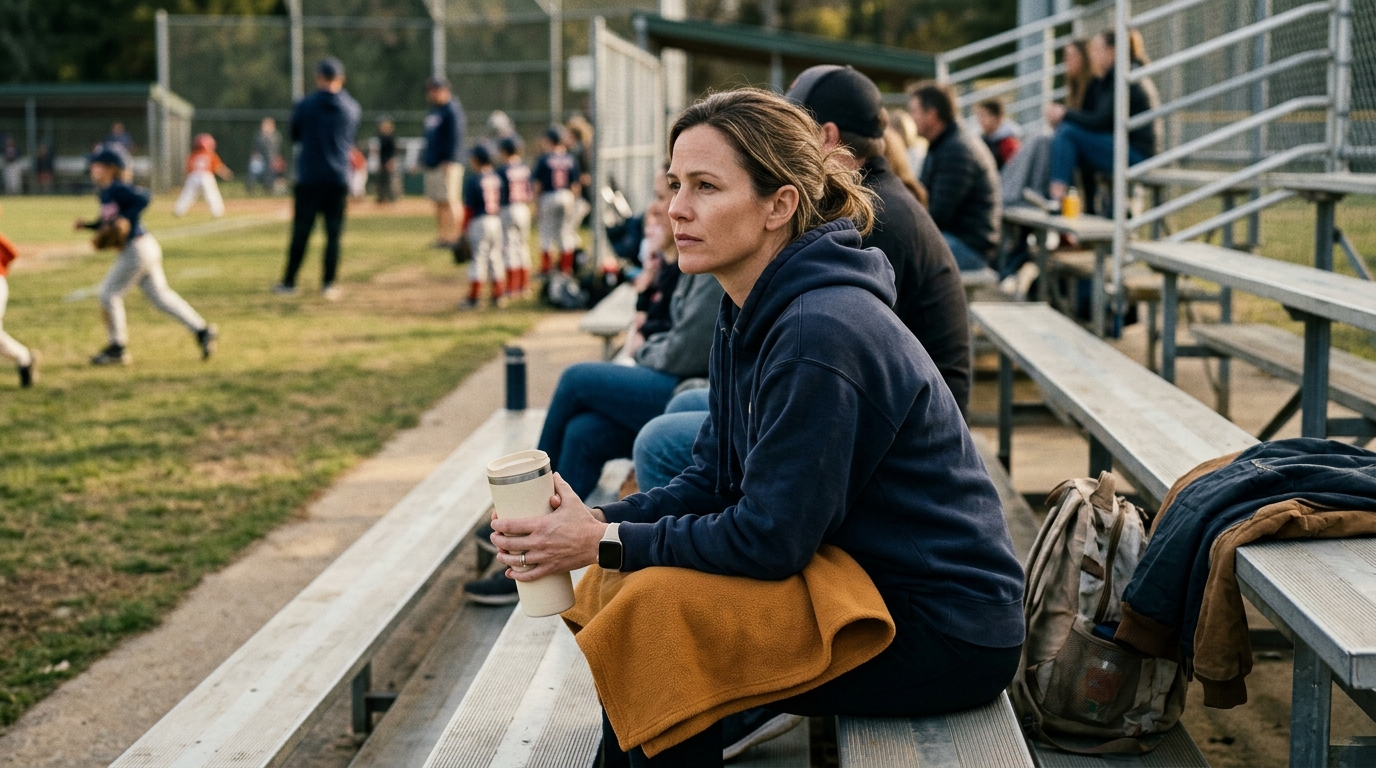
The final whistle blows. Kids are grabbing water bottles, one shoe is half off, and your kid is walking toward you with that look that says they already know what you want to talk about. Meanwhile, the coach is stacking cones, answering one player, waving to another parent, and trying to get a team of tired kids out of a parking lot safely.
That’s when a lot of parents make the same move: they go looking for a full-season answer in a 90-second sideline conversation.
Why didn’t she play more? What position do you see him at? What does she need to work on? Is he falling behind?
Those are fair questions. The timing is usually the problem.
I’ve coached long enough to know this part well. Right after games, parents are carrying a lot. You just watched your kid compete. You saw the mistake. You saw the bench stretch longer than you hoped. You saw another kid get the late-game chance your kid wanted. It is hard to sit with that quietly.
But coaches are carrying a lot too. Right after games, most of them are not at their best for big-picture parent conversations. They’re still running the last few decisions in their own head. They’re managing equipment, safety, scores, handshakes, assistants, and the next thing coming fast. Even good coaches can sound short, vague, or defensive in that window.
That does not always mean they are hiding something. Sometimes it just means you caught them in cleanup mode.
There’s a better job for that moment
If your kid is within earshot, your first job is not to solve playing time, role clarity, or the season plan on the spot. Your first job is to not turn the end of the game into a public review of your kid’s place on the team.
Kids hear more than adults think. They hear tone. They hear tension. They hear when a parent starts talking about them like they’re a case to manage instead of a kid walking to the car with dirt on their socks.
In that moment, keep it simple.
- Greet your kid first.
- Handle the basics first: water, gear, ride, regroup.
- If you need to speak to the coach, make it small and clear.
Not a hallway ambush. Not a rolling list. Not a disguised speech that starts with, “Quick question,” and ends five minutes later.
What to say instead
If you genuinely need to talk with the coach, use one sentence that respects the setting.
“Coach, when you have a minute this week, I’d like to ask how I can help my kid support what you’re teaching.”
That works because it does three things.
- It lowers the temperature.
- It tells the coach you are not trying to fight in the parking lot.
- It gives you a better chance of getting a useful answer later.
Notice what it does not do. It does not demand a verdict right there. It does not put your kid on trial in public. It does not force the coach to explain a month of decisions between the fence and the trunk of your car.
Short is respectful. Specific is mature.
What your kid needs from you first
Most kids do not need you to be their agent five steps after the game. They need you to be steady.
That might sound like:
- “Glad I got to watch you today.”
- “Tough one. Want quiet or want to talk?”
- “Get your bag. We’ll eat first.”
That tone matters. A lot of kids are already replaying enough in their own head. When a parent immediately starts chasing answers from the coach, the kid often feels one of two things: embarrassed, or responsible for the parent’s frustration.
Neither helps them grow.
Supporting your kid does not always look like stepping in fast. Sometimes it looks like showing them that disappointment can be handled without creating a scene, a verdict, or a rushed explanation.
If the issue really does need a conversation
Then have the conversation. Just not in the sloppiest emotional window of the week.
Pick one topic. Not five.
Ask for clarity, not a confession.
Good examples:
- “What should my kid be working on right now to help the team more?”
- “What are you asking from that position?”
- “What does improvement look like over the next few weeks?”
Those questions get you somewhere. They give the coach a chance to be concrete. They also give your kid something usable.
Bad conversations usually start with accusations dressed up as questions.
- “Why does it feel like you just trust other kids more?”
- “What does my kid have to do to get a fair shot?”
- “Are you even seeing what’s happening?”
Even if your frustration is real, those questions mostly produce heat. Not help.
The sideline truth nobody loves
Sometimes parents want a conversation with the coach because it feels easier than having a calmer, harder conversation with themselves.
Am I upset because my kid is being mistreated, or because this is not going the way I pictured?
That question is worth asking before you speak.
I’ve seen parents protect their kid well. I’ve also seen parents make a normal sports disappointment feel like a five-alarm problem because they could not stand their own discomfort for one car ride.
Not every hard sports moment needs an immediate adult summit.
One simple rule to carry with you
At the field, handle what belongs to the field.
That means courtesy, timing, and self-control.
Big questions deserve better than rushed questions. Your kid deserves better than hearing their season debated beside a folding chair. And most coaches, even imperfect ones, will respond better when they are not being cornered in the mess right after a game.
You do not need the whole season in one conversation.
You just need to leave the field acting like the adult your kid can learn from.