
You packed the water bottles, found the missing sock, tied the cleats twice, and still ended up speed-walking from the parking lot because warmups had already started. That’s the job. Youth sports parenting is part logistics, part encouragement, part trying not to turn into an assistant coach from Row 3.
I’ve spent a lot of years in gyms, on fields, and behind benches, and one pattern keeps showing up: kids do better when the adults around them feel steady. Not perfect. Steady. That usually matters more than the perfect postgame speech or the right technical fix on the ride home.
Here are five tips that really move the needle.
1. Praise effort before results
You know the walk after a hard game. Head down. Bag dragging. One mistake playing on repeat from the handshake line to the car. Most kids are already doing a full replay in their own head. They usually do not need you adding director’s commentary.
What helps is pointing out what they controlled. Effort. Composure. Response. The way they stayed with it when things got messy.
- “I loved how hard you worked to get back on defense.”
- “You stayed in it after that bad call.”
- “Your energy for your teammates stood out today.”
That’s not lowering the bar. That’s putting attention where growth actually lives.
From a coaching seat, I can tell you this shows up over time. Kids who feel seen for effort stay with hard things longer. Kids who believe they only get noticed when they score, start, or win start playing tight. Pressure takes over quick.
Kids can survive a loss. What stings is feeling the temperature change from the people they love.
2. Your sideline behavior becomes part of the game for your child
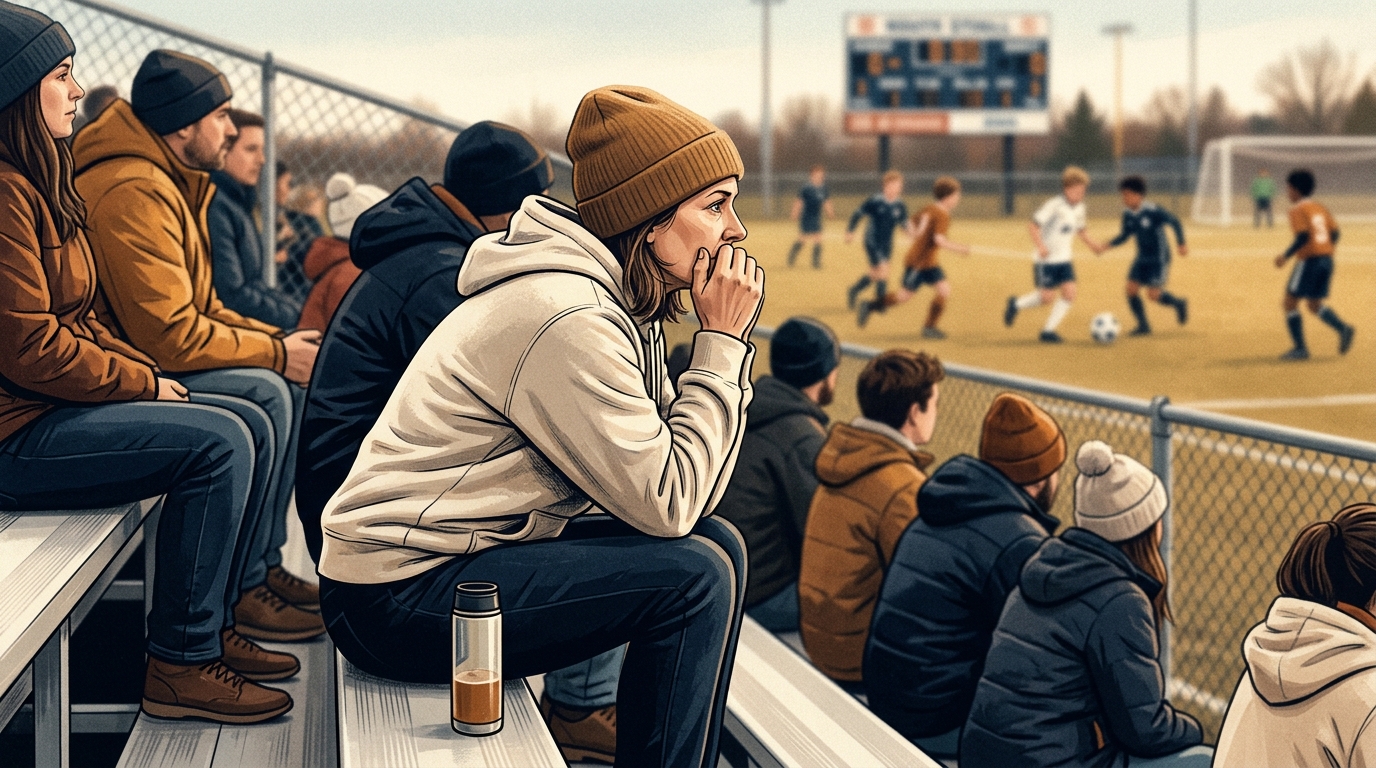
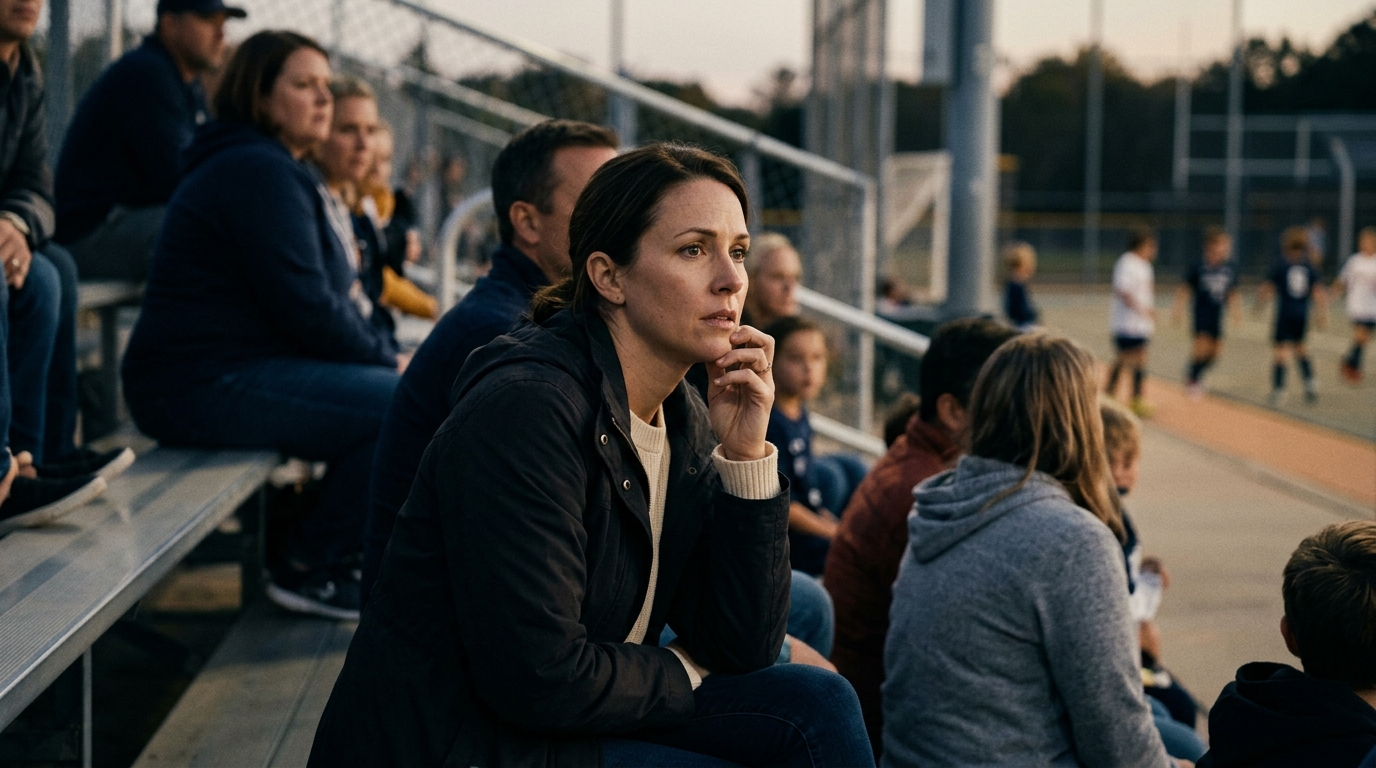
We’ve all seen it. A parent arguing a call that is absolutely not getting reversed. Someone coaching over the coach. A kid makes a mistake, then immediately looks to the sideline instead of back to the play.
That last one tells you everything.
Kids read us fast. They hear the muttering. They catch the eye roll. They know when cheering turns into tension. If your child has to wonder whether you’re upset every time they mess up, they’re carrying something extra they don’t need.
Cheer. Clap. Encourage. Support the team. Let the coach coach and the officials officiate. You do not have to like every decision to handle yourself with some class.
I’ve coached enough games to know sideline energy travels. Faster than adults think. Calm adults make it easier for kids to settle, reset, and compete. Chaotic adults make the whole thing heavier.
If your child is managing your emotions during the game, they already have one job too many.
3. Don’t make the car ride home a film session
The doors close, the bags hit the floor, and a lot of well-meaning parents go straight into recap mode. The turnover. The strikeout. The missed assignment. The rotation the coach should have changed. The thing your kid should have done instead.
Usually, that’s the wrong window.
Most athletes are already replaying everything. The car does not need to become a rolling performance review.
Keep that space easy to be in.
- “Did you have fun?”
- “What was your favorite part?”
- “Do you want to talk or just grab something to eat?”
That last one is a good one because it gives them a little control back.
As a coach, of course I care about learning and improvement. But timing matters. Not every lesson needs to happen five minutes after the final whistle with shin guards still on. Families do better when home still feels like home after a rough one.
Not every quiet ride home is a problem. Sometimes a kid is just finding their way back to level.
4. Keep the long view
Youth sports makes it easy to get pulled into the race. Playing time. Rankings. The right club. The next team. The team after that. It can start to feel like every season is some kind of referendum on the future.
Take a breath and zoom out.
What do you actually want your child to carry with them when this season is over? For most families, the real list has very little to do with medals.
- Teamwork
- Discipline
- Perseverance
- Confidence
- Learning how to handle setbacks
Those things last. Most trophies end up in a closet.
I’ve been around long enough to know the kids who get the most out of sports are not always the ones with the loudest youth résumé. A lot of times it’s the athlete who learned how to work, recover from disappointment, take coaching, and keep perspective when things didn’t go their way.
If your child is growing as a person, the season has real value, whether they start every game or not.
You can chase every edge and still miss the point.
5. Let your child own their sports journey
This can be the hard one, especially if you loved sports yourself or can already see what your child could become. But it still matters: it’s their sport, not yours.
Ownership changes the whole experience. Kids are more invested when they have a voice. They get more confident when they learn to speak for themselves. They enjoy it more when it feels like participation instead of management.
Sometimes that means letting them talk to the coach instead of stepping in first. Sometimes it means listening when they say they’re tired, overloaded, or need a break. Sometimes it means accepting that the path they want may not be the one you would choose.
That is not backing off. That is respect.
From the bench, you can see the difference. Athletes grow when adults stop gripping the wheel so hard. Guidance matters. Support matters. But kids also need room to make decisions, solve problems, and figure out what this game means to them.
Support their effort. Don’t take over the dream.
Final thoughts
Being a sports parent is a lot. Early alarms. Folding chairs. Weather checks. Schedule changes. Wet socks. Postgame hunger. Trying to say the right thing after a tough loss when your kid is staring out the window and not giving you much.
If you’re thinking about how you show up, that already matters.
Come back to the basics:
- Notice effort before outcomes
- Be steady on the sideline
- Keep the ride home emotionally safe
- Remember the bigger picture
- Let your child own their path
Cheer loud. Stay calm. Love them the same after a great game and a rough one. That’s strong sports parenting.