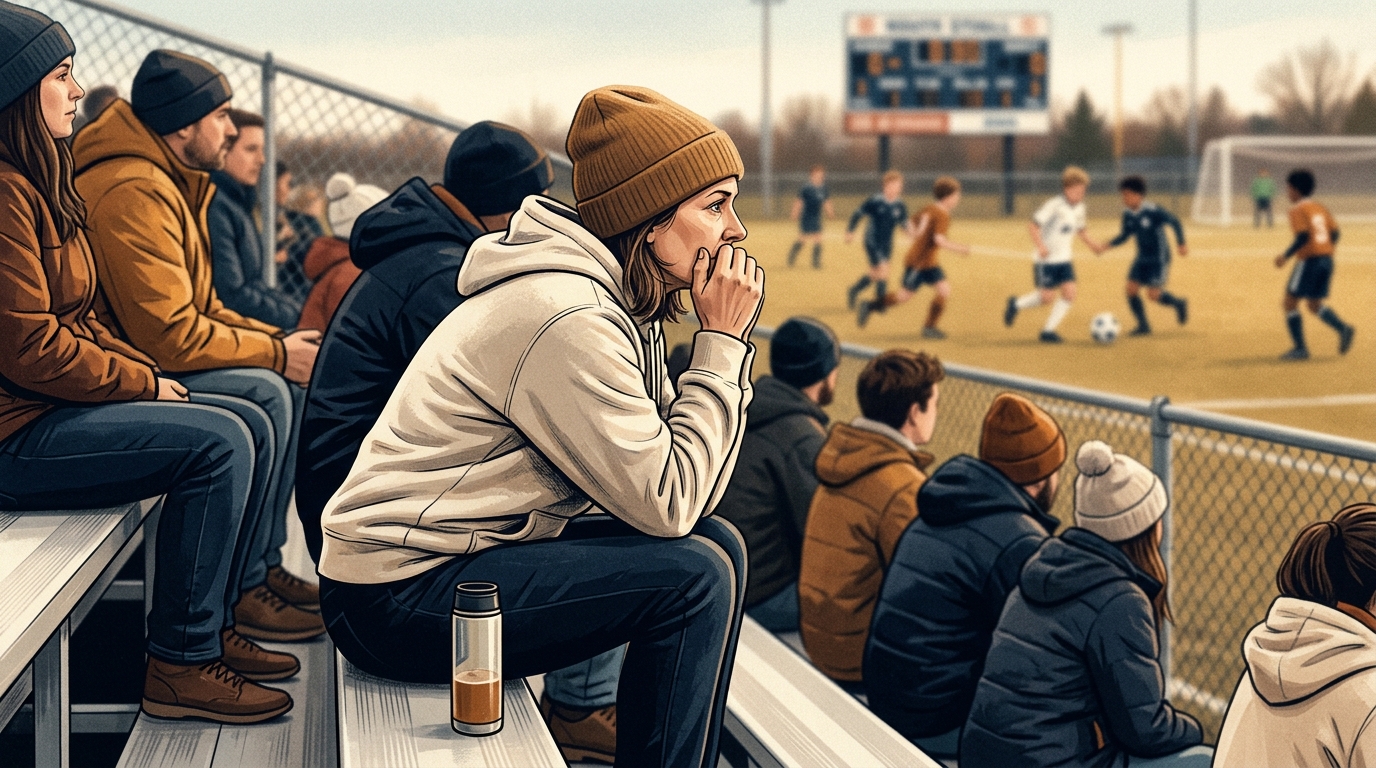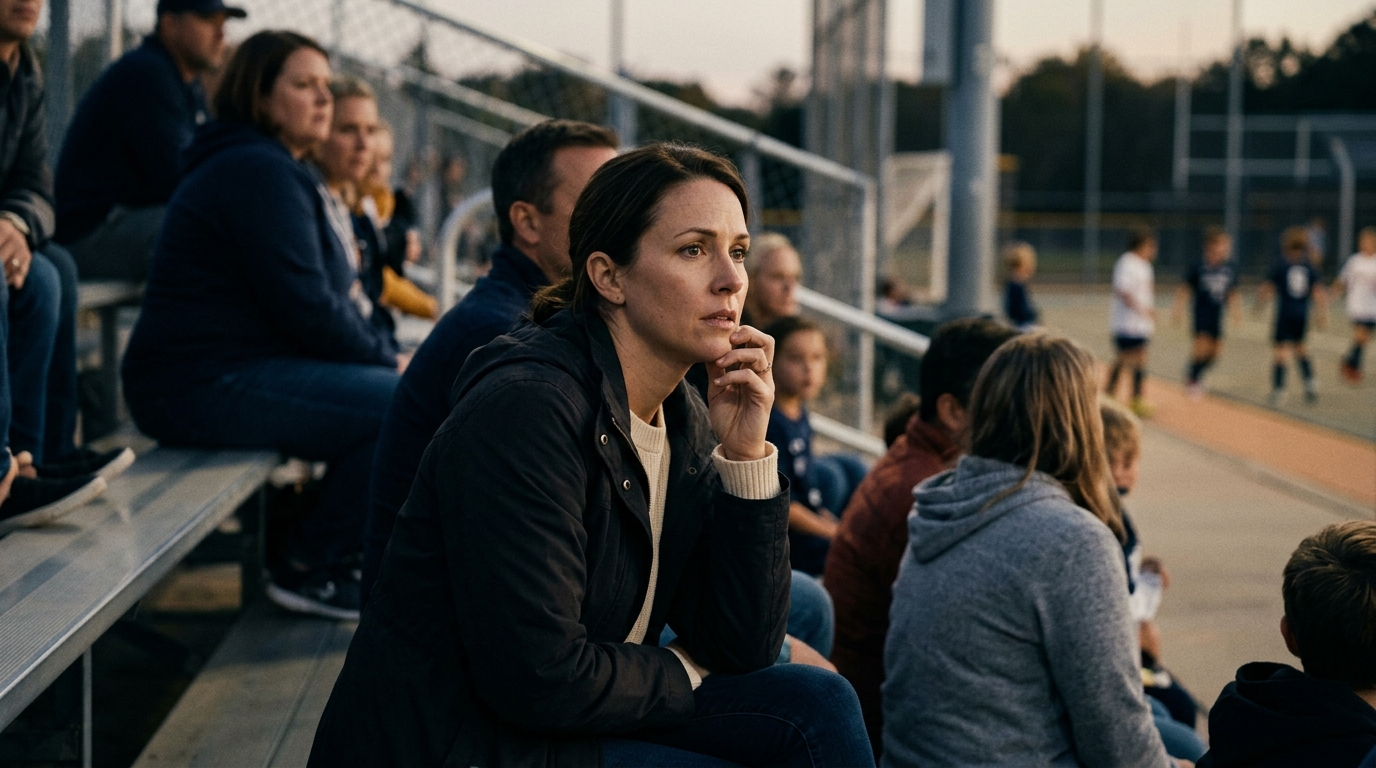

When your kid plays sports, of course you want the best for them. You pack the water bottle, sit through the weather, rearrange dinner, and replay the game in your head before you even leave the parking lot. That part is normal. The part that gets tricky is this: youth sports are supposed to belong to the kid, not the adult.
You can feel the difference on any sideline. One player jogs over smiling because they got to try something new. Another walks off bracing for the postgame breakdown before they even unzip their bag. Same field. Very different ride home.
Our job is to support without grabbing the wheel. Encourage without turning every season into a project. That sounds simple. It usually isn’t.
It’s Their Sport, Not Our Second Chance
A lot of parents need this reminder, and I say that with respect: you are not driving this thing. Your kid is. You’re in the passenger seat. You help with directions when asked, you keep things safe, and you make sure the gas tank is full. You do not lean across and yank the wheel every time they miss a turn.
I’ve coached long enough to see how quickly adult goals can take over. A kid says they like playing because their friends are there, they love the uniform, and they want to get better. An adult hears rankings, private lessons, future teams, and what this might mean three years from now.
Most elementary and middle school kids are not building a résumé. They’re building a relationship with sport. That relationship should include fun, friendship, mistakes, nerves, growth, and the feeling that this is theirs.
If the sport only works when the parent is pushing, it’s not really the kid’s sport yet.
Why stepping back feels hard
Parents worry. I get it. You don’t want them to waste talent, miss a chance, or drift when they could be improving. But some things only grow when adults stop overhandling them.
- Mistakes teach. The missed ground ball, the strikeout, the turnover, the rough shift on defense—that’s where learning lives.
- Motivation has to be owned. Borrowed motivation from a parent is loud, but it doesn’t last.
- Confidence needs room. Kids trust themselves more when they get to make choices, solve problems, and recover from bad days.
Think about what mattered to you as a kid. Usually it wasn’t an adult hovering over every rep. It was getting to chase something, fail at it, keep going, and eventually feel, I did that.
Internal motivation changes everything
You’ve probably seen the look. You hustle all day to get them to practice, and they step out of the car like they’re heading to jury duty. That’s not laziness every time. Sometimes it’s a sign the engine isn’t theirs.
Kids can do a lot out of obligation for a while. They can survive a season on routine, pressure, or not wanting to disappoint you. But that kind of effort has an expiration date. It often turns into burnout, resentment, or quitting.
The best growth I’ve seen has never come from a parent talking a kid into loving the game. It comes when the kid starts asking their own questions, staying a little longer, trying again after a bad outing, or deciding on their own that they want more.
You can create conditions for motivation. You cannot manufacture love for the game on command.
How to help without taking over
Keep it simple and real.
- Ask open questions. “What was your favorite part today?” works better than “Why didn’t you shoot more?”
- Notice effort. Hustle, courage, focus, recovery, being a good teammate—those are worth calling out.
- Leave space. Not every tough game needs a lesson on the ride home. Sometimes the best support is quiet.
I’ve watched kids open up 20 minutes after a game because nobody jumped them in the first 2 minutes. Silence can feel uncomfortable to adults. To kids, it can feel like relief.
Stop coaching from the front seat
Unless you are actually the coach, your kid usually does not need another one in the car. They need a parent. That might be the hardest shift for sports families, especially if you know the game well.
What adults call “helpful feedback” often lands as, “I noticed everything you did wrong.” Even when that’s not the intent. Especially after a game, kids are already doing enough self-evaluating. They know when they played badly. They know when they missed the chance.
After games, one sentence goes a long way: I love watching you play.
That sentence does more for long-term connection than a five-point breakdown of defensive positioning ever will.
The car ride rule
If you want to protect your kid’s love for sports, start with the ride home.
- Lead with something good. Find one true thing: effort, attitude, toughness, energy, teammate stuff.
- Ask permission before giving feedback. “Do you want my thoughts, or do you just want to chill?”
- Respect the no. Not every game deserves immediate analysis.
I’ve seen kids leave the field upset and recover by the time they got home because nobody piled on. I’ve also seen decent games turn into miserable evenings because the car became a rolling film session.
The postgame ride should feel safe, not graded.
What support actually looks like
Your role matters a ton, even if it’s less visible than you imagined. Some of the best sports parenting happens in small decisions no one claps for.
- Let them explore. Different sports, different teams, different roles. Kids often discover what they love by trying what they don’t.
- Be careful with panic when they want to quit. Sometimes quitting is avoidance. Sometimes it’s honest information. Learn which is which.
- Value every role. Starters matter. Bench players matter. Practice players matter. Good teammates matter.
As a coach, I can tell you this: the kid who learns how to handle sitting, keep showing up, and support teammates is learning something valuable. Not flashy. Valuable.
And if you want to be involved, great. Be helpful, not controlling. Volunteer. Organize. Bring the snacks. Keep the group text useful. Make things lighter for the kids and the coach instead of louder.
Play the long game
Very few kids will play at the highest levels. That’s just reality. But every kid can leave sports with something that lasts: resilience, confidence, problem-solving, teamwork, emotional control, and the experience of caring about something enough to work at it.
Those are not consolation prizes. Those are the real wins.
When adults chase only trophies, stats, and future outcomes, they often miss what is happening right in front of them. A kid learning to bounce back after an error. A shy player finding their voice. A child realizing they can do hard things without someone rescuing them.
Development is not just getting better at the sport. It’s becoming stronger inside it.
A quick parent check-in
- Is my child pulling toward the sport, or am I pushing them into it?
- Do I praise more than I correct?
- Have I asked what they want from this experience?
If those questions make you squirm a little, that’s okay. Most sports parents are trying hard and learning on the fly. The goal is not perfection. The goal is awareness.
Listen more. Talk less. Get curious before you get corrective.
Let them steer
At the end of the day, this is their journey. When kids get to own it, they build more than skill. They build identity, joy, and belief in themselves.
So take a breath. Step back when you need to. Trust that a missed turn, a bad game, or a slower path does not mean the trip is off track.
Let them drive.
That’s usually when sports becomes what it was supposed to be in the first place.