
Let’s say the quiet part out loud: a lot of youth sports has drifted away from what kids actually need.
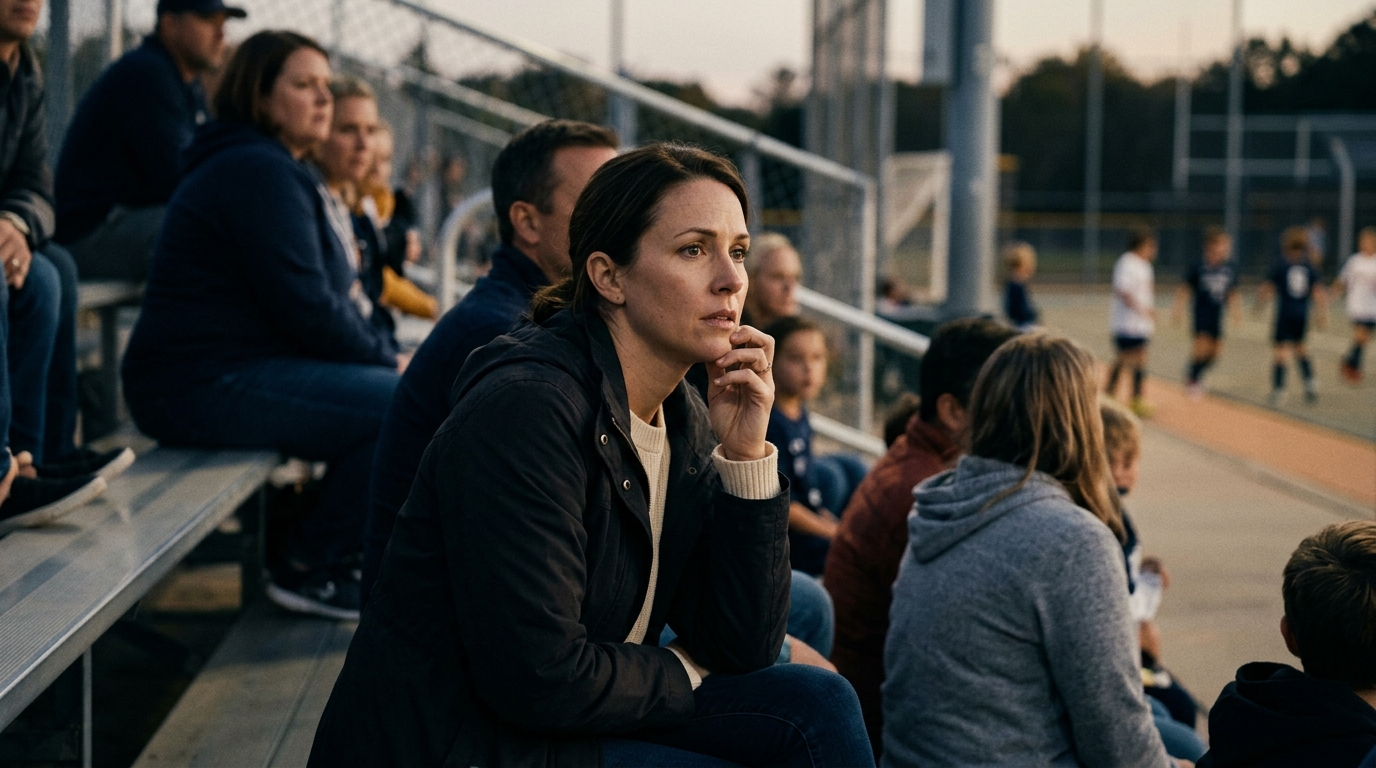
You can feel it from a folding chair and a lukewarm coffee. A Saturday at the park used to mean dirty socks, half-time oranges, and kids asking, “Can we stay a little longer?” Now a lot of families are watching the clock because they’ve got another training session, another tournament, another payment due Monday.
Parents aren’t making this up. They’re worn out by a system that says it’s built for kids while asking families to spend, chase, and organize life around it like it’s a second job.
What Happened to the Fun?
A recent parent poll just put numbers on what people have been saying in parking lots for years: the model is off.
When youth sports gets built around revenue instead of development, kids feel it first. Maybe not in dollars, but in joy, confidence, and how badly they want to come back next season.
If the game stops feeling like play, adults need to take a hard look at what they’ve built.
I’ve coached long enough to know the difference between healthy challenge and adult-made pressure. One stretches a kid. The other makes a 9-year-old check the sideline after every mistake like they just ruined everybody’s weekend.
Kids can handle hard. What they struggle with is heavy.
Parents Are Speaking Out
Nearly 60% of parents in the poll said money has taken over youth sports. That won’t surprise anybody who has paid team dues lately.
Travel ball. Private lessons. New bats, new cleats, new uniforms. Tournament fees. Hotel blocks. Gas. Extra training that’s technically optional but somehow never feels optional.
- Pay-to-play costs keep some kids out before they ever get the chance to love the game.
- The push to be “elite” way too early strips away the part kids showed up for: playing.
- Too many programs talk about development while acting like the main goal is getting the invoice paid.
I’ve stood near fields where parents compare what they’re spending in the same tone people use at the mechanic. Not bragging. Just trying to reassure themselves it must mean something.
I’ve also talked to families who feel boxed in. If they slow down, their kid might “fall behind.” If they keep going, the whole house gets run into the ground.
When every path ends with “pay more,” it stops feeling like a kid’s game.
More Pressure, Less Play
You can see the shift in body language before the first whistle. Kids warming up tight. Parents giving postgame speeches in the car before the seat belts are buckled. Practices run like job interviews. Games treated like scholarship auditions, even though only a tiny percentage of kids will ever play at that level.
The poll pointed to the pressure clearly:
- About 70% of kids quit sports by age 13, often because it just isn’t fun anymore.
- Families are getting buried by long drives, packed calendars, and spending that’s hard to sustain.
- Some kids are being pushed into one sport by age 8, which is less a development plan and more a burnout starter kit.
I’ve coached the kid who cried after a missed shot because somewhere along the way they learned mistakes are dangerous. I’ve seen 10-year-olds with three practices, two trainers, and no room left in the week for free play. I’ve watched parents drain savings chasing “opportunity” while their child looked more relieved than excited when the season finally ended.
Burnout usually doesn’t crash through the front door. It sneaks in through the calendar.
A View From Both Sides
As a coach and a parent, I’ve seen how fast adults can turn a good thing into a heavy thing. Usually with good intentions. They want to help. They want to open doors. They want their kid to have every chance.
But good intent doesn’t cancel bad impact.
On the other side, I’ve seen what happens when adults lower the temperature. When the focus returns to effort, learning, friendships, and being part of a team, kids look different. They talk more. They bounce back faster. They laugh during warmups. They stop playing scared.
Confidence grows better in places where kids can breathe.
What Parents Are Actually Asking For
Most parents are not asking for sports to get softer or sloppier. They’re asking for sanity. They want sports to teach lessons without swallowing childhood whole.
- More affordability, so playing isn’t only for families who can absorb thousands in extra costs.
- Less outcome obsession and more focus on effort, learning, and resilience.
- Student-first environments that build life skills, not just stat lines.
- Real inclusion, where kids of different abilities and backgrounds still have a place to belong.
The message from parents is pretty simple: if the current model keeps serving adults, status, and profit before kids, then yes, it needs a reset.
So How Do We Fix It?
It’s easy to complain about youth sports. Building better takes more work. But there are real places to start for parents, volunteer coaches, and league leaders who still believe sports can be one of the best classrooms a kid ever steps into.
Here Are a Few Better Moves
- Support local and nonprofit programs that put inclusion and development ahead of trophy chasing.
- Let kids play multiple sports so they build a wider base and avoid the wear-and-tear of early specialization.
- Take mental performance seriously so kids learn confidence, composure, and perspective along with physical skills.
I’ve seen multi-sport kids stay fresher, healthier, and happier. I’ve seen community leagues do more for belonging than expensive clubs with glossy branding. I’ve seen mindset work help a kid recover from a mistake faster than another private lesson ever could.
The goal isn’t softer sports. It’s healthier sports.
Better development usually looks less dramatic than adults expect.
Resources for Parents, Coaches, and Team Helpers
If you got “voluntold” into coaching, or you’re the one handling schedules, snack signups, group texts, rain plans, and the emergency ponytail holders, you already know youth sports runs on tired adults trying to keep things steady.
Voluntold is built for exactly that kind of season.
- For sports parents: Voluntold parent resources help with scheduling, mindset, and keeping the week from taking over your house.
- For athletes who need support between the ears, not just on the field: mental performance coaching can build confidence, emotional control, and perspective.
- For team moms and the glue people holding it together: the Team Mom Playbook gives structure to a role that somehow becomes a full-time job every season.
Final Whistle
Youth sports should build kids up. Not empty family bank accounts. Not teach children to fear mistakes. Not make every season feel like a verdict on the future.
Parents are right to be frustrated. Most of them are not asking for anything radical. They just want games to look a little more like games again.
So the next time your child laces up cleats or snaps on a helmet, ask one honest question: are they doing this because they love it, or because the machine around them got too loud?
Kids do not need a perfect system. They need adults willing to protect what made sports good in the first place.
That reset doesn’t start at some giant national level. Most of the time, it starts with the adults standing closest to the field.