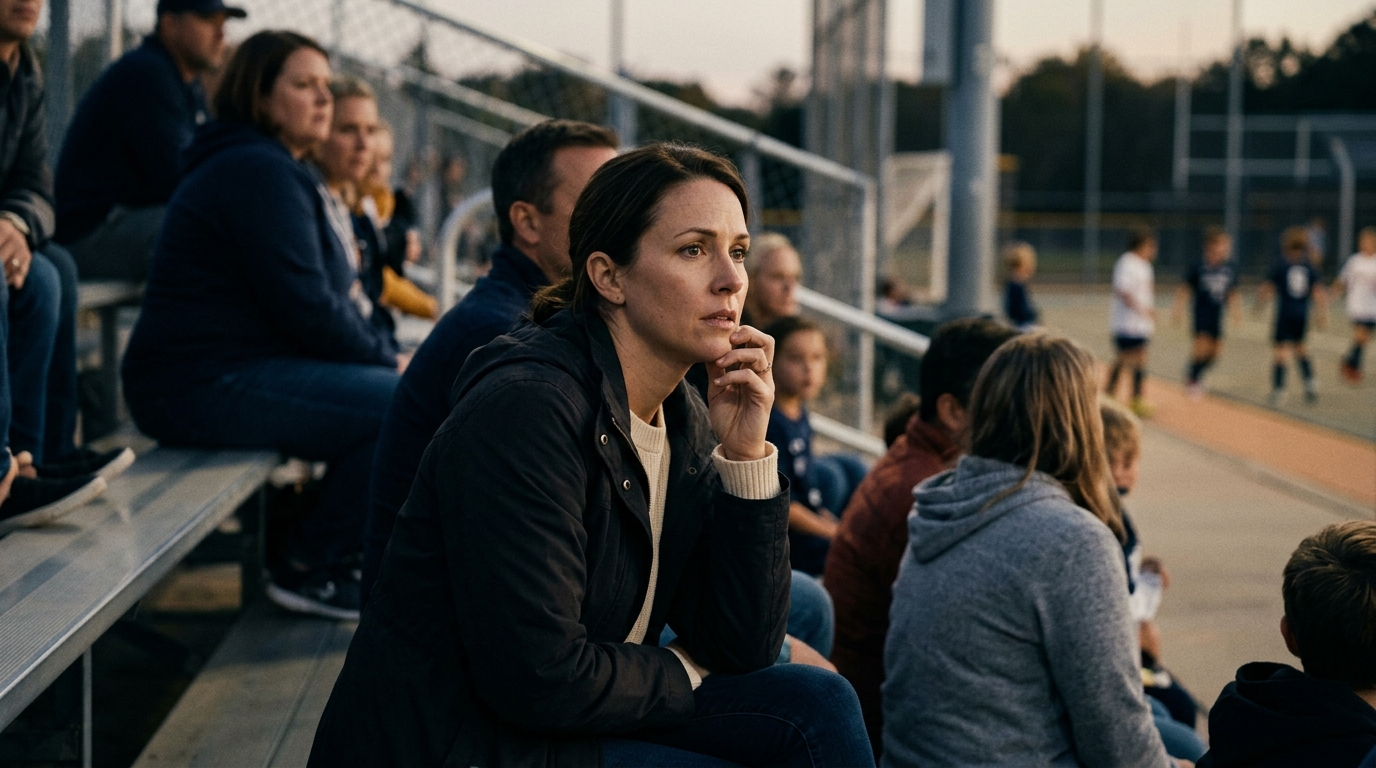

It’s one of the biggest questions on the sideline right now: should your kid lock into one sport early to get ahead, or keep playing a few and let it unfold?
I hear it in folding chairs all the time, usually right after somebody brings up a private coach, a year-round team, or the kid across town who supposedly “already committed” to one sport at 11. That pressure is real. I’ve stood next to plenty of parents doing the math in their head while their kid is still digging in the dirt between innings.
But “everybody else is doing it” has never been much of a development plan.
What the research actually says
The big picture is pretty steady. Long-term research, including work tied to the American Orthopaedic Society for Sports Medicine, keeps landing in the same place: early single-sport specialization is linked with some common problems.
- Higher rates of overuse injuries like stress fractures, tendonitis, and joint strain
- More burnout, and more kids walking away earlier
- Less complete athletic development than peers who kept playing multiple sports
On the other side, kids who play multiple sports through childhood and early adolescence tend to show:
- Better overall motor skill development
- Lower injury rates
- More lasting enjoyment into the teen years
- In plenty of cases, higher levels later on, including many pro and Olympic athletes who did not specialize early
I’ve coached long enough to know the research usually matches what you can already see if you pay attention. The kid who moves well in a lot of situations usually had a lot of different movement problems to solve growing up. The kid who only knows one speed, one pattern, one set of demands often looks polished early and worn down sooner than anybody expected.
More sport is not always better. More variety usually is.
Why playing multiple sports helps
You can see it without opening a study. The soccer kid picks up footwork, spacing, and stamina. The swimmer builds engine and body control. The baseball player learns rotation, timing, and hand-eye coordination. The basketball player gets balance, deceleration, and change of direction. Stack that over a year and you usually get a more complete athlete than the kid doing the same motions, in the same shoes, on the same surface, month after month.
I’ve seen the repetitive-stress version too many times. The pitcher whose shoulder is always “just a little sore.” The catcher with cranky knees before spring really starts. The basketball player who never gets a break from jumping. The soccer player with the same nagging heel pain that keeps getting called “just growing.” A diagnosis usually shows up late. The pattern shows up early.
Growing bodies do not love year-round sameness.
That’s the cross-training benefit in plain English: different sports train different patterns. That variety spreads out the load, builds more tools, and helps reduce the wear-and-tear that drives so many youth overuse injuries, especially around growth plates and developing joints.
Variety builds tools. Repetition builds mileage.
When specialization does make sense
Specialization itself is not the villain. Timing is usually the issue.
In the real world, and in line with sports medicine guidance, the better path usually looks like this:
- Before about 12 to 14: Let kids sample sports and build broad athletic skills
- In the mid-to-late teen years: If the athlete clearly loves one sport and shows real aptitude, increasing focus can make sense
- In early-peak sports: In sports like gymnastics or figure skating, earlier specialization can be part of the path, but cross-training still matters to help manage repetitive injury risk
I’ve coached athletes who narrowed their focus in high school because they were ready, not because the adults around them were anxious. That tends to go better. The athlete has more ownership. The work means something. The sport still feels like theirs instead of a job they got assigned.
That matters more than people think.
When the kid owns the choice, the choice usually holds up better.
Pay attention to what’s really driving the decision
This is the part parents have to answer honestly. Is your child asking to focus on one sport because they truly love it? Or is the push coming from outside?
Sometimes it’s a coach hinting that year-round commitment proves seriousness. Sometimes it’s a travel program pushing exclusivity. Sometimes it’s just that quiet sideline panic that your kid is falling behind because another 10-year-old has a packed calendar, custom gear, and an adult schedule.
I’ve stood beside plenty of families in that moment. Most of the time, the adults feel the urgency more than the kid does. The kid usually wants to play, compete, laugh with teammates, maybe have a good game, and then get a snack on the way home. The rest of the pressure gets layered on top.
Pressure is loud. Passion is usually pretty clear.
Kids rarely look back and regret getting to play different sports, be on different teams, and move in different ways. A lot more adults wish they had waited longer before turning one sport into work.
The bottom line
Unless your child is clearly asking to focus on one sport and has both the passion and the profile for it, the research leans toward keeping options open as long as possible.
Multiple sports tend to build better movement, reduce injury risk, and support longer enjoyment. I’ve seen that hold up over and over. The goal is not just raising a good 10-year-old athlete. It’s raising a 16-year-old who still wants to play, still has some juice left, and still feels like sport is something they get to do, not something they have to survive.
The best path is usually the one your kid can stay healthy enough, happy enough, and hungry enough to keep walking.