
Quitting a sport is rarely just “not signing up next season.” Usually it shows up earlier, in the stuff adults almost talk themselves out of noticing. The kid who used to chatter after games goes quiet. The car ride home turns into one-word answers. The goalie who once begged for extra reps starts dragging the bag from the trunk like it weighs twice as much. By the time a young athlete finally says, “I don’t want to do this anymore,” that feeling has usually been sitting with them for a while.
I’ve been around this long enough to know adults are pretty good at tracking sore knees, tournament weekends, and playing time. We’re not always as good at spotting what happens when a kid starts slipping away from the thing that has shaped so much of their life. Walking away from a sport doesn’t just change the schedule. It can rattle identity, friendships, confidence, and the way a kid makes sense of who they are.
Why Kids Quit in the First Place
Most kids do not quit because they’re lazy. They do not quit because they “don’t want it badly enough.” That’s adult shorthand, and it usually misses the truth. In my experience, kids rarely leave for one clean reason. It’s more often a pileup: too much pressure, not enough joy, an injury that changed everything, or the simple realization that they want some part of their life back.
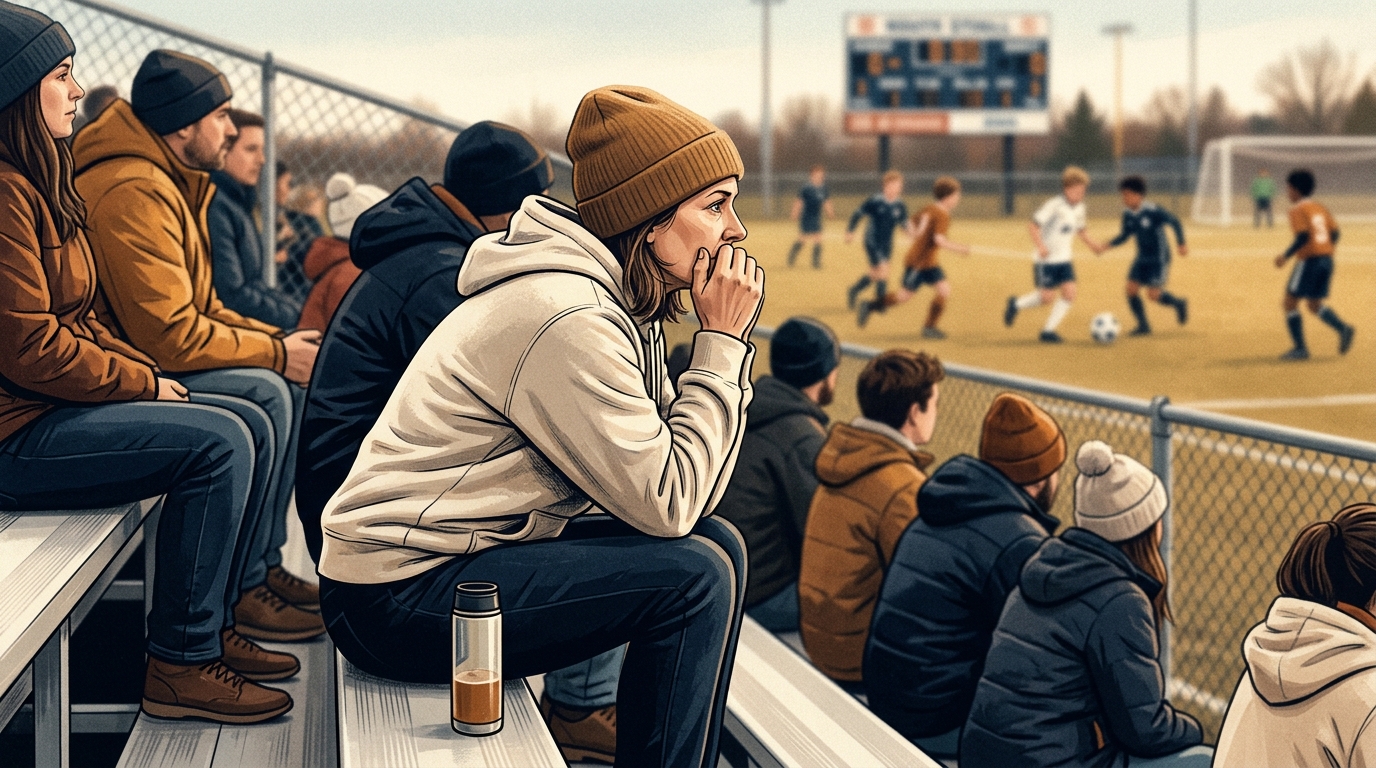
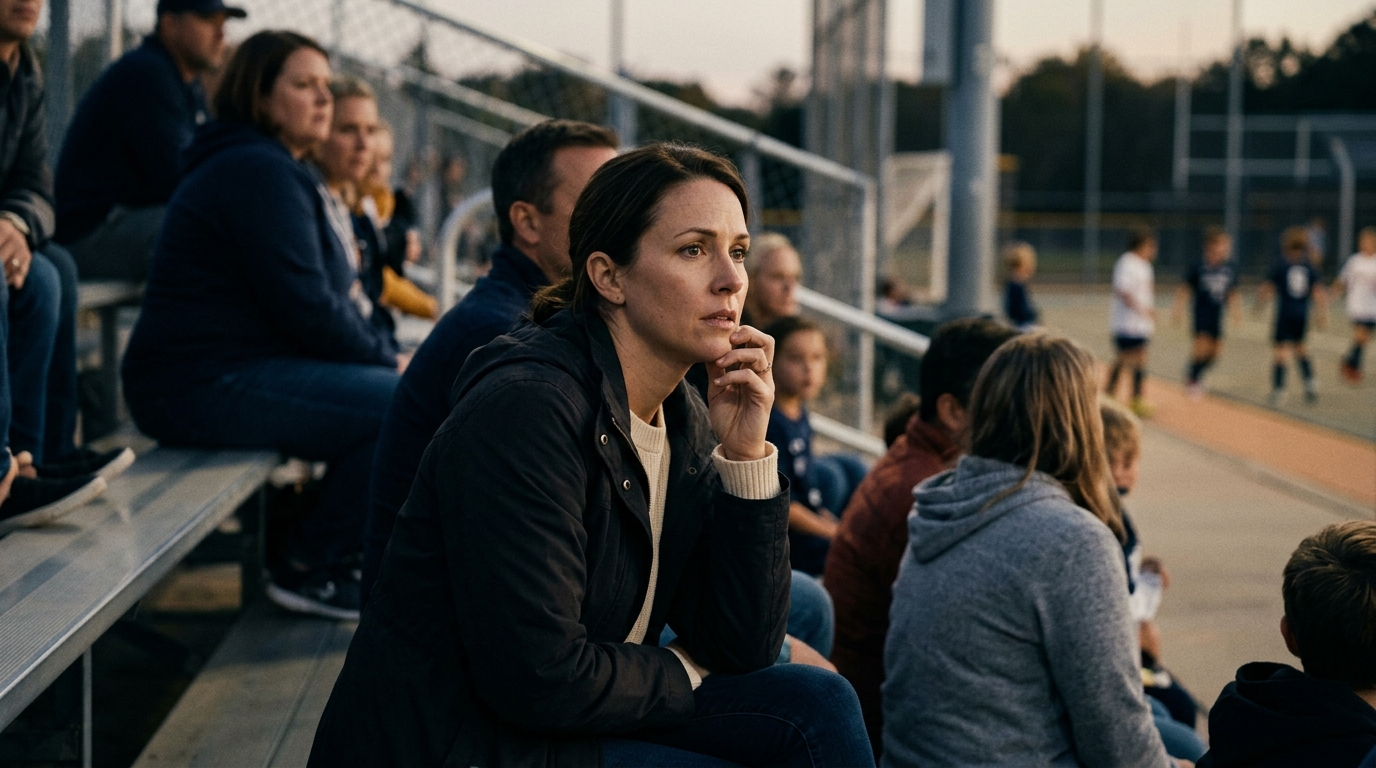
You can usually see it before you hear it. The swimmer who used to race teammates to the warm-up lane now hangs back on deck. The basketball player who used to stay late and shoot now keeps checking the clock. The soccer kid who once lived for Sundays starts dreading the weekend by Friday night.
- Burnout: Too many practices, too many games, too much emotional load.
- No enjoyment left: Once the fun is gone, interest usually isn’t far behind.
- Injuries: Pain, rehab, or fear of getting hurt again can change everything fast.
- Feeling stuck: Some kids work hard and still feel like they’re getting nowhere.
- Wanting time back: School, friends, rest, and other interests start to matter more.
When a kid says they’re done, don’t just hear the decision. Hear the buildup.
What Happens After They Quit
A lot of adults assume relief comes first. Sometimes it does. But I’ve seen plenty of kids feel lighter and sad at the same time. Those two things can live together. Quitting can be the right move and still feel like a loss.
Loss of Identity
When a child has spent years being “the baseball player,” “the point guard,” or “the fast one,” quitting leaves a real hole. Sports don’t just fill up the family calendar. They shape how kids introduce themselves, what adults praise, and what they believe they’re good at.
Take that away and the question shows up fast: Who am I now?
This hits especially hard for kids who have lived in one sport for a long time. If most of the praise has been tied to performance, stepping away can feel a lot like disappearing.
Losing Their Social Circle
Teams build in friendship whether kids realize it or not. Then the jersey comes off and the social structure changes fast. The group chat gets quieter. They miss the warm-up jokes. They’re no longer part of the daily rhythm.
From the bench, this is one of the tougher parts to watch. A kid may not miss the drills one bit, but they absolutely miss the bus rides, the pregame routines, and the feeling of belonging to something with their peers.
Regret, Doubt, and Second-Guessing
Even when quitting makes sense, the questions still creep in:
- Did I stop too soon?
- Will people think I failed?
- What if I miss it later?
I’ve heard versions of those questions from strong, thoughtful kids who made the right call for themselves. Doubt doesn’t mean the choice was wrong. Usually it means the choice mattered.
A Hit to Confidence
If the exit wasn’t fully their choice, the confidence hit can be even bigger. Injury forces it. A roster cut forces it. Playing time dries up and the message feels obvious, even when nobody says it out loud. Kids can start believing they let people down. They can feel like they failed, even when the situation was never fully in their control.
Kids don’t just leave a sport. Sometimes they leave the version of themselves they understood best.
How Parents and Coaches Can Actually Help
This is where adults matter most. Not with a speech. Not with a lesson. With steadiness. I’ve had enough postgame conversations, enough kitchen-table talks, enough quiet check-ins after practice to know that what helps most is usually less dramatic than adults want it to be.
1. Validate Before You Fix
If a kid opens up, fight the urge to argue them out of it. Listen longer than feels natural. You do not have to agree with every feeling to make room for it.
A lot of kids can’t explain this neatly. They just know something feels off. Help if they need language, but don’t write the script for them. “It makes sense you feel mixed up” goes a lot farther than “You’ll regret this.”
2. Separate the Kid From the Sport
I’ve had to remind families of this more than once: their child’s value did not come from batting average, goals scored, or spot in the lineup. The sport may have been the stage, but it was never the whole person.
Maybe they’re steady under pressure. Maybe they’re funny. Maybe they’re thoughtful, creative, kind, stubborn in a useful way, or the friend everyone trusts. Those things still count. More than that, those are the things that travel with them.
3. Help Them Build a New Lane
One of the hardest parts after quitting is the empty space. Kids feel it in the calendar, in their confidence, and in their sense of belonging. It helps to point them toward something new, not as some desperate replacement trophy chase, but as a place to feel capable again.
- Music or drama
- Art or photography
- A different sport with less pressure
- Volunteering or leadership opportunities
The point is not to keep them busy just to avoid discomfort. The point is to help them find another place where they can grow and belong.
4. Keep Movement in Their Life
Not every kid who quits a team sport wants to stop moving. In fact, a lot of them still need movement for mood, stress, and confidence. They may just need it without tryouts, rankings, or a scoreboard attached.
Walks, hikes, dance, lifting, yoga, pickup games, shooting around with friends. It all counts. A kid can be done with competition and still need movement in a big way.
Not every athlete who quits competition is quitting movement.
A Real Example From the Bench
I’ve seen this with families who were certain their kid would be in a sport forever. One boy looked like a lifer in baseball. Good instincts. Good player. Always around the field. Then one day he was done. No big blowup. No dramatic exit. Just done.
His parent’s first reaction was the one a lot of parents have, even if they don’t say it exactly this way: But you’re good at it. We’ve put so much into this. Are you sure? That reaction is human. I get it. But it doesn’t usually help a kid think clearly.
What helped was the pause. The parent stopped selling one more season and started listening. The first stretch after quitting was still rocky. He missed teammates. His confidence dipped. He looked unmoored for a while.
Then he found another outlet: photography. Different crowd. Different skill set. Different kind of pride. Same kid underneath it. He wasn’t suddenly a different person just because he was no longer “the baseball player.” Adults need to see that clearly.
Quitting Is Not Always Giving Up
There’s a difference between bailing at the first hard moment and recognizing something no longer fits. I’ve coached enough kids to know that mature decisions do not always look gritty from the outside. Sometimes courage sounds like, “This isn’t for me anymore.”
Our job as parents and coaches is not to keep kids in the game at all costs. It’s to help them grow into themselves. Sometimes sport is the place where that happens. Sometimes what they learn after sport matters just as much.
So if your child says they want to quit, don’t rush to label it. Don’t turn the first conversation into a verdict on their character. Lean in. Ask better questions. Listen for what’s underneath.
Sometimes the end of one sport is not a collapse. It’s a turning point.