
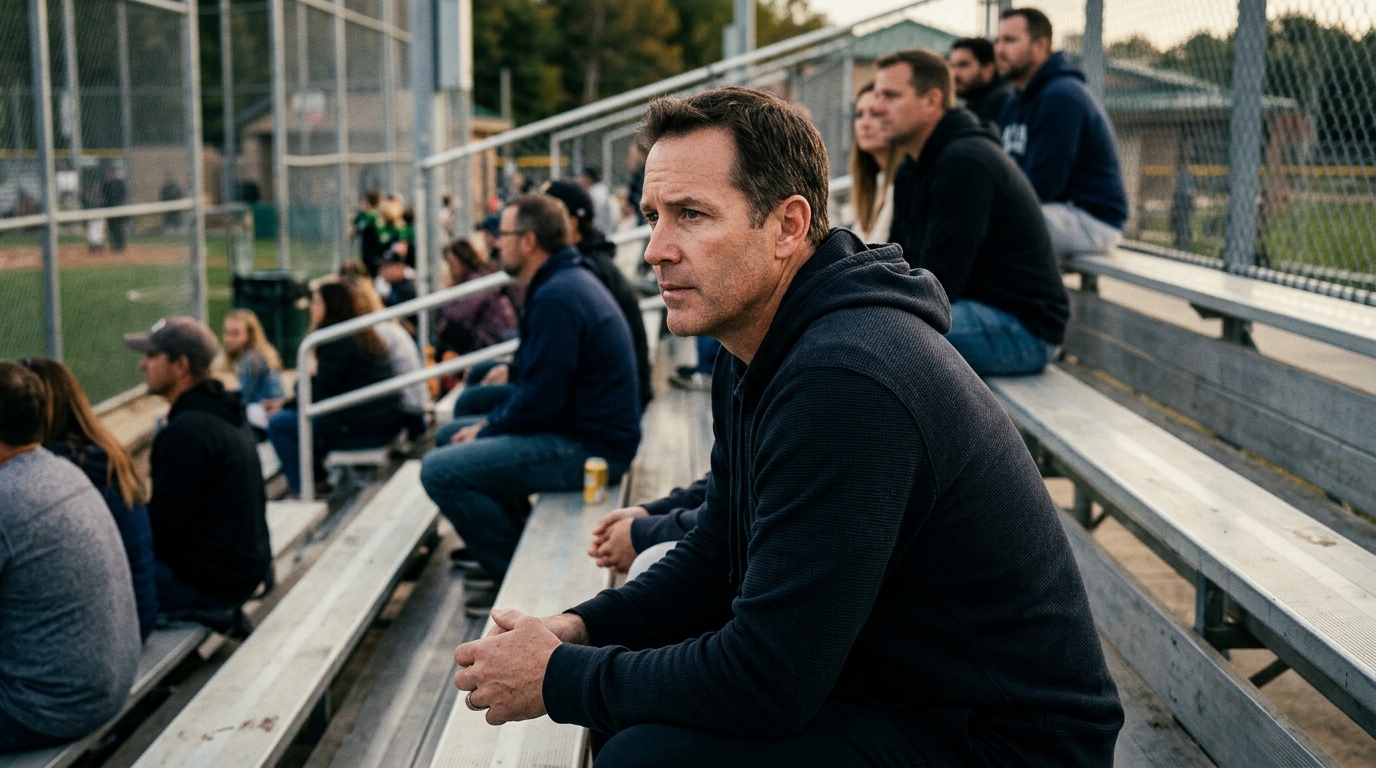
The game ends, kids are peeling off shin guards or batting gloves, and parents start drifting into one of three bad habits.
One group heads straight for the postgame breakdown: You should’ve… Why didn’t you… Next time…
Another group makes a beeline for the coach with that tight smile that means a question is coming but it’s really a complaint.
And a third group tries so hard to stay positive that they talk too much and fill every quiet second on the way to the car.
I’ve watched all three. I’ve probably been some version of all three at one point or another too. When you spend years coaching kids, you learn this fast: the few minutes between the sideline and the car tell you a lot about how a season is going to feel for a kid.
Not the whole season. Not every issue. But a lot.
That walk is where parents either lower the temperature or keep the game burning long after it’s over.
Most kids don’t need a review right away
This is the miss a lot of adults make. We think the game just gave us useful material, so now is the perfect time to discuss it.
It usually isn’t.
Right after a game, most kids are still carrying the noise of it. Maybe they’re excited. Maybe they’re embarrassed. Maybe they’re replaying one mistake like it happened on a stadium screen for everyone to see. Maybe they’re fine until they hear your voice and then they brace for impact.
That’s why the first job on the walk back is not analysis. It’s regulation, in the plainest, everyday sense of the word. Bring things down. Get back to normal human conversation.
Sometimes that means saying almost nothing.
“Glad I got to watch you play.”
“You looked like you were working hard out there.”
“You want water or a snack first?”
That’s not avoiding the game. That’s being smart about timing.
Don’t make the coach-pause awkward
There’s another moment that can go sideways fast: the little exchange with the coach after the game.
I’m talking about the parent who catches a coach while equipment is being gathered, another kid is crying, two players need rides sorted out, and somebody is asking where the team bag went.
That is not a real conversation window. That is a traffic jam.
As a coach, I can tell you this: most parents who say, “Quick question,” do not have a quick question. They have a whole case they’ve been building since the second quarter.
If it’s a genuine one-liner, fine.
- “What time should they arrive Tuesday?”
- “Do they need both uniforms this weekend?”
- “Thanks for staying late with them.”
That’s easy.
But if your question includes playing time, position, lineup order, tone, strategy, fairness, or what your kid “felt,” keep moving. Don’t do it in the handshake lane.
Nothing good comes from a serious parent-coach conversation when everybody is still sweaty, public, and emotional.
There’s a reason some of the best sports-parenting decisions are really just timing decisions.
Your kid is watching how you carry the game
Parents sometimes think their main influence is what they say to the child. It’s not. A lot of the time, it’s what the child sees on your face, in your walk, and in who you choose to talk to first.
If your kid sees you stomping off about the refs, staring down the coach, or giving that postgame head shake to another parent, they get the message.
The message isn’t subtle.
Something bad happened, and now the adults are taking over.
That can make a decent game feel terrible. It can also teach kids to hand off responsibility for every hard sports moment to the nearest grown-up.
That habit follows teams around all season.
I’ve coached kids who were ready to move on from a rough shift, bad inning, or missed chance in about four minutes. Then an adult reopened the wound in the parking lot and suddenly the whole evening belonged to the mistake again.
Kids borrow our reactions. That’s true when they’re eight, and it’s still true when they’re fourteen and acting like they don’t care what you think.
Use a simple postgame script
You do not need a perfect speech. In fact, the more polished it sounds, the less helpful it usually is.
What works better is a short script you can actually stick to, especially on emotional days.
On the walk back
- Lead with presence, not critique. “Good to see you.” “Fun watching you compete.”
- Handle the basics. Water, bag, jacket, snack.
- Let them start if they want to talk.
If they bring up the game
- Keep your first response small. “Yeah, that was a tough one.” “I saw that too.”
- Don’t stack advice on top of emotion.
- Ask one real question, not five. “What felt hardest today?”
If you need to talk to the coach
- Make sure it actually needs a conversation.
- Don’t do it right there unless it’s simple logistics.
- Come back later when you can sound like a partner, not a prosecutor.
Sometimes the win is just leaving calmly
There are days your kid plays great and barely says a word afterward. There are days they struggle and want to talk the whole ride home. There are days you’ll need to bite your tongue because you saw three things you desperately want corrected.
That’s normal.
But if you want one practical target as a sports parent, here it is: make the walk from the field feel safe, steady, and boring in the best possible way.
Not cold. Not fake. Just steady.
Because a lot of kids can handle losing, mistakes, and disappointment better than adults think.
What they have trouble carrying is the extra weight we add before they even reach the car.
Sometimes the strongest parent move on the whole sideline is this one: grab the water bottle, say one good sentence, and leave the game where it was played.


