
The game ends, and everybody starts talking at once.
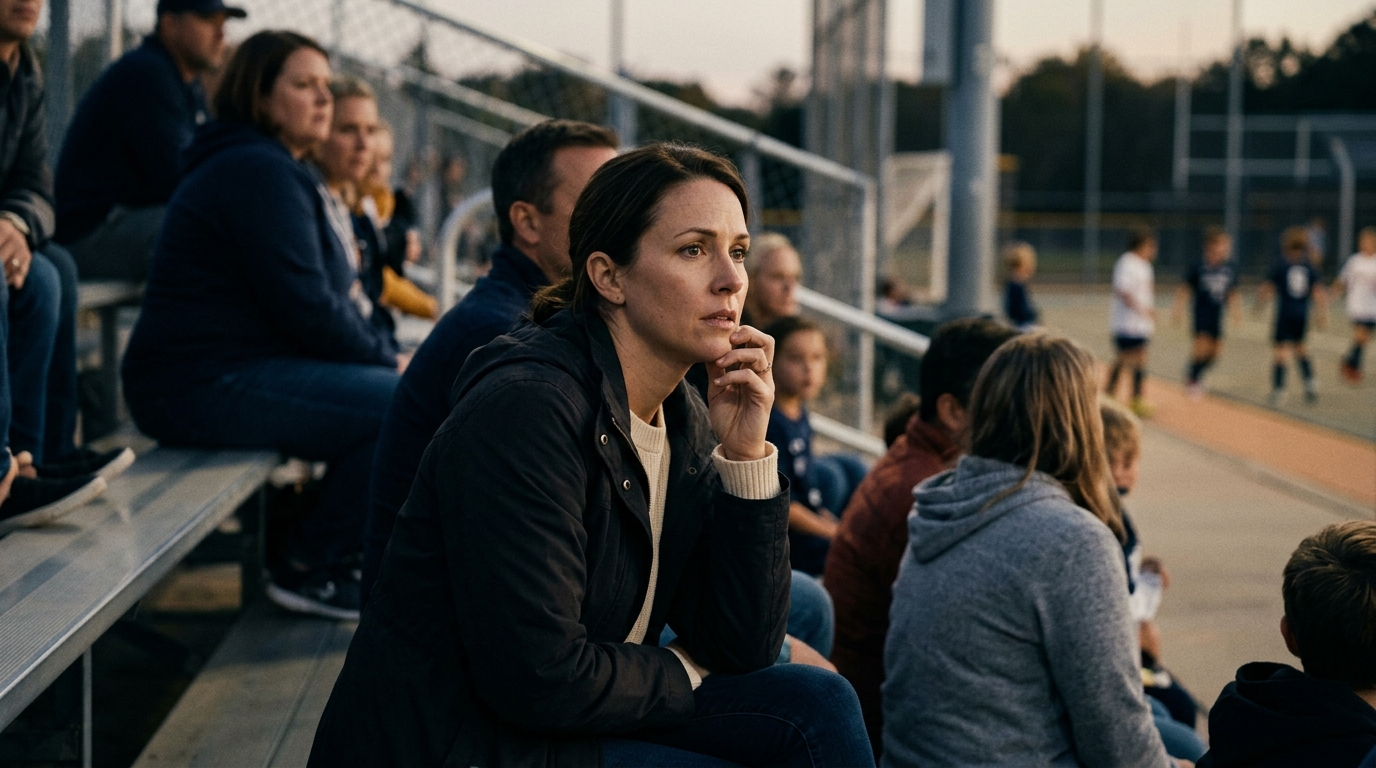
A coach is dragging a bag of balls toward the shed. Kids are half-listening, half-racing for snacks. One parent is already replaying the missed call. Another is standing by the fence, waiting to “just ask one quick thing” about playing time. And your kid is walking toward the car with that look—quiet, tired, maybe frustrated, maybe fine, maybe not ready for your thoughts yet.
This is where a lot of good intentions go bad.
I’ve coached long enough to know most parents are not trying to make things harder. They’re trying to help. They care. They saw something. They want to fix it, protect their kid, encourage their kid, understand the coach, or keep a small problem from turning into a bigger one.
But the few minutes right after a game are usually the worst time to do any of that.
The postgame rush makes smart adults act fast instead of useful
Right after competition, everybody is a little cooked.
Kids are physically tired. Coaches are still managing equipment, scores, handshakes, and ten little details nobody sees. Parents are carrying their own mix of nerves, pride, irritation, and leftover adrenaline. That combination leads to rushed conversations that feel important in the moment and unnecessary an hour later.
I’ve seen a parent catch a coach at the fence to ask why their kid sat two innings. I’ve seen a parent get in the car and immediately break down every mistake from the second quarter. I’ve seen parents push for answers from kids who haven’t even taken off their shin guards yet.
Usually, it lands the same way: the coach gets defensive, the kid shuts down, and the parent ends up wondering why a simple conversation turned sour.
Because it wasn’t the topic. It was the timing.
There’s a simple rule that saves a lot of damage
Wait until the cleats come off.
Not literally every time, but close enough to be useful.
Give the moment some air before you ask, analyze, correct, or confront. Let the body settle before the brain is expected to perform. Let your kid become your kid again, not just the version of them you watched compete for an hour.
This doesn’t mean avoid hard conversations. It means don’t force them in the heat of the emotional spillover.
What to do instead in the car
The car ride home does not need to become a moving film session.
Some kids want to talk right away. A lot don’t. The mistake parents make is assuming silence means something is wrong or conversation means it’s time to teach.
Try a lighter first step.
- Start with presence, not review. “Glad I got to watch you play.”
- Ask one small question. “Want to talk now or later?”
- Respect the answer. If they say later, let later be later.
- Keep food and water in the mix. Tired kids with empty tanks are rarely at their best.
That sounds basic because it is basic. Basic works.
Parents sometimes think support has to sound impressive. It doesn’t. A calm ride home is support. Not piling on is support. Letting a bad game stay one game is support.
Not every performance needs a postgame speech.
When you need to talk to the coach
There are absolutely times to talk to the coach. Confusion happens. Concerns happen. Miscommunication happens. But catching a coach while they’re collecting cones and replaying the game in their own head is a good way to get the least helpful version of that conversation.
If it matters, it can wait long enough to be handled well.
A better move is simple:
- Do not lead with emotion at the field.
- Do not use your child as the messenger for adult issues.
- Ask for a time to talk later. Short, calm, direct.
- Bring a question, not a speech.
I always respected the parents who could say, “Hey Coach, when you have a minute this week, I’d love to better understand something.” That tone tells me we’re here to solve, not spar.
The sideline version usually sounds different. It sounds like a verdict disguised as a question.
Your kid is watching how you handle disappointment
This part matters more than most parents realize.
Your child is learning from your face after the game. From your tone with the coach. From whether you talk about teammates on the drive home. From whether every game becomes a trial, a ranking, or a referendum on fairness.
If you want your kid to be steady, be steady first.
If you want them to handle frustration without drama, let them see that done up close.
If you want them to stay coachable, don’t make every uncomfortable moment proof that somebody else failed them.
That doesn’t mean pretending everything is great. It means showing them that not every sting needs a scene.
The best postgame parents are usually the least performative ones
They’re not passive. They’re disciplined.
They know the difference between support and interference. They understand that timing is part of communication. They don’t need to solve the whole season before the team snack is handed out.
Sometimes the best thing you can say after a game is, “Tough one. Let’s head home.”
Sometimes the best thing you can say to a coach is nothing right then.
And sometimes the smartest thing a parent can do is wait until the cleats come off, the heart rate drops, and everybody becomes a little more human again.