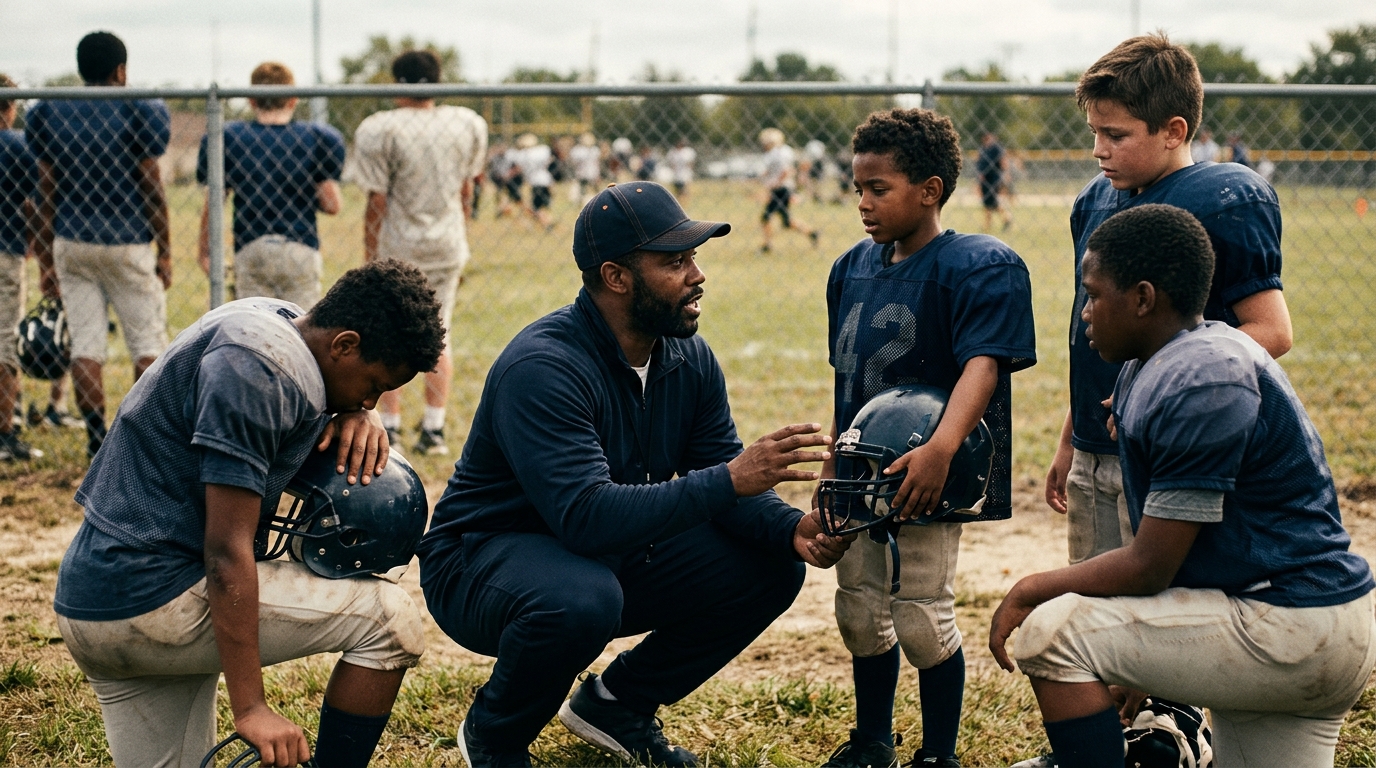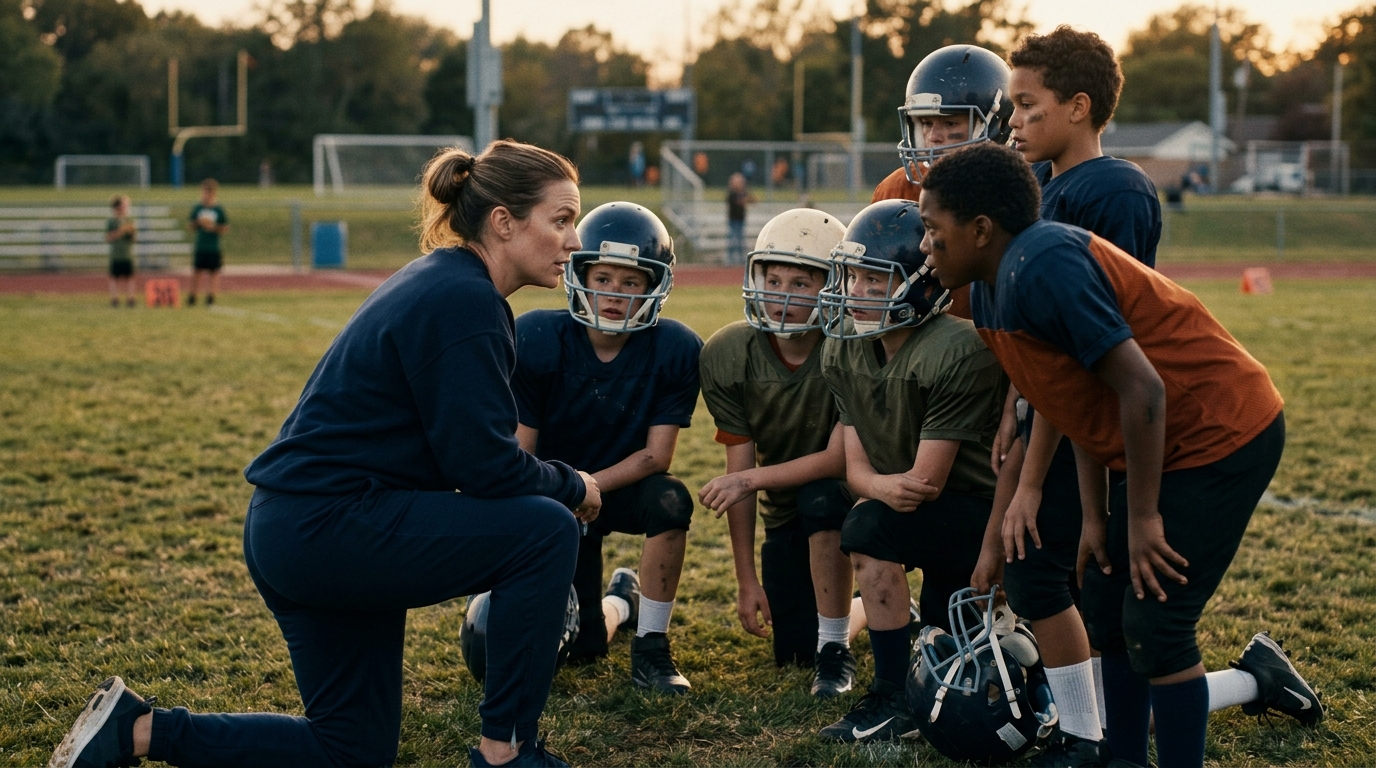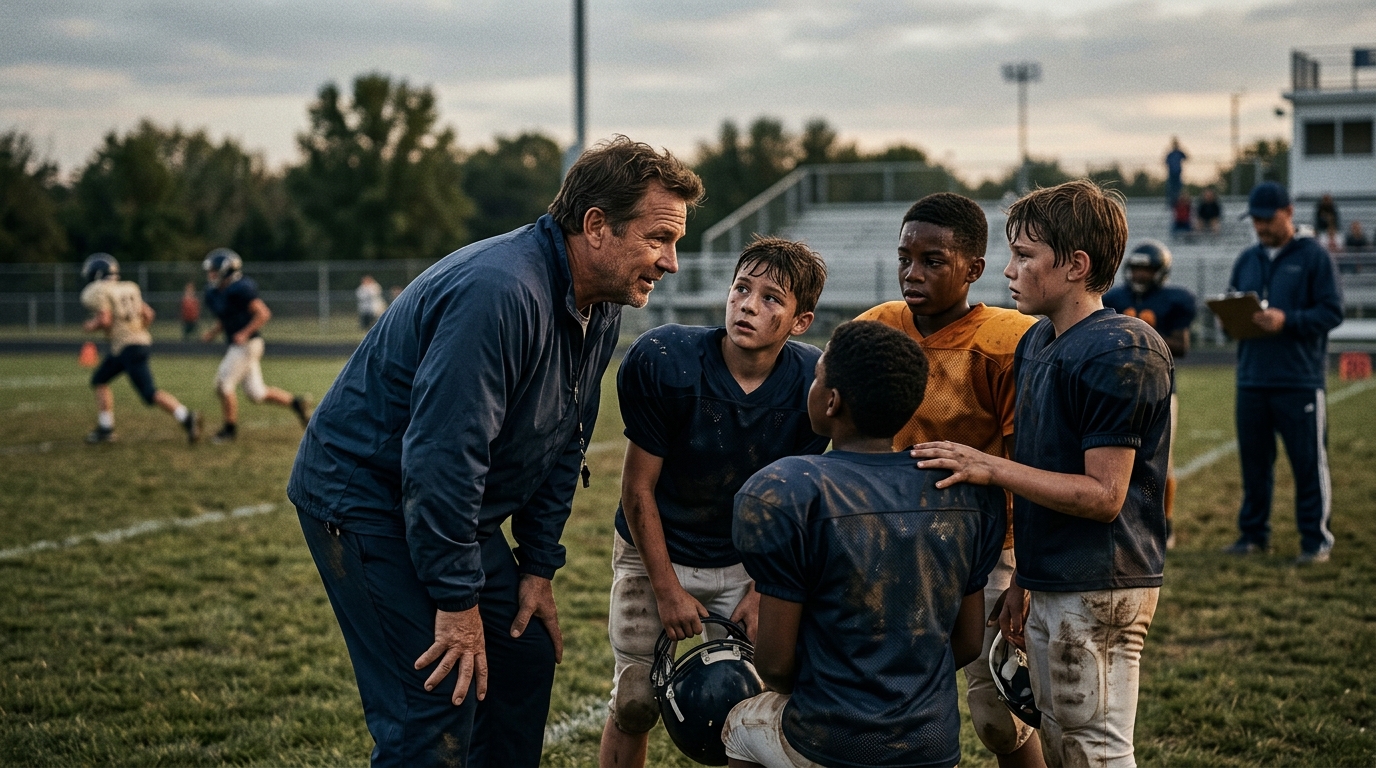
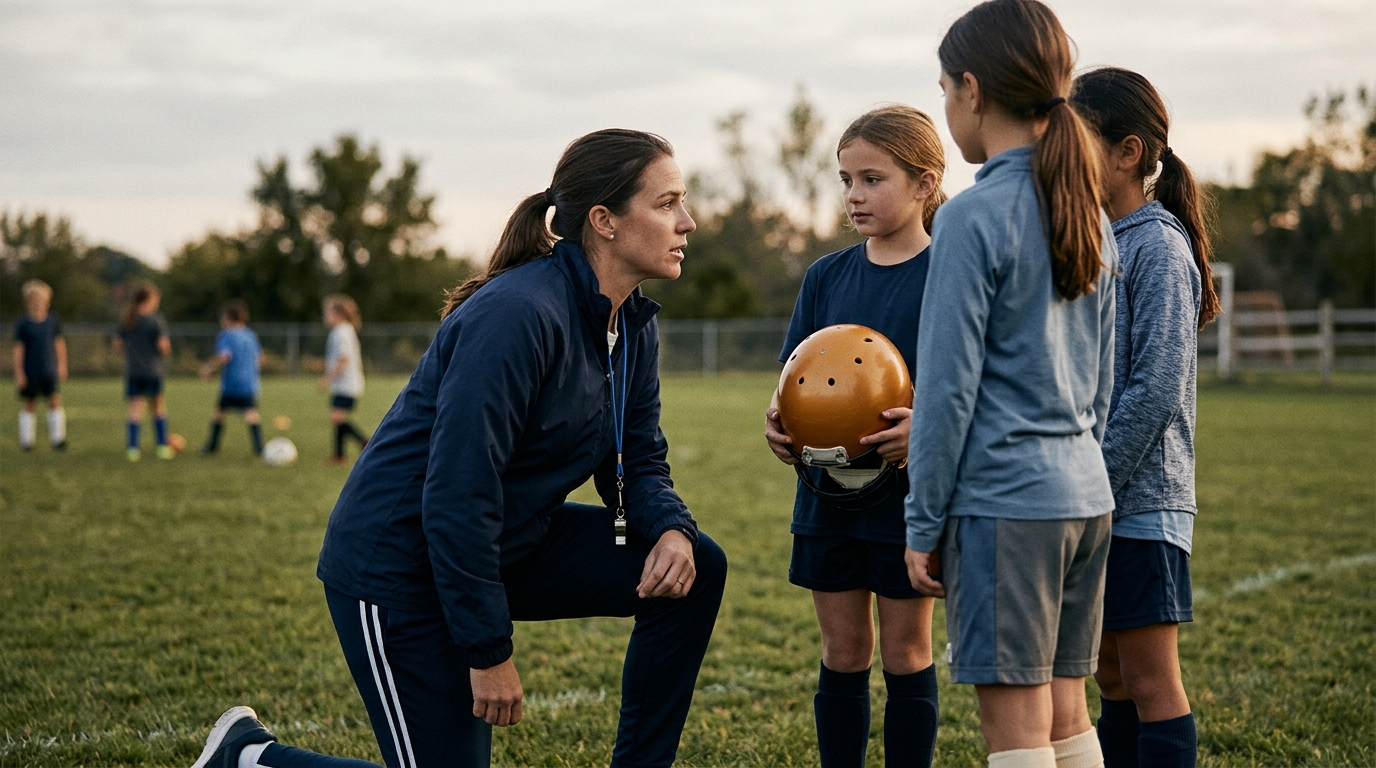
Second quarter of a rec basketball game, the horn goes for subs, and three kids come off the floor looking everywhere except the bench. One heads straight for the water. One sits in the wrong seat and blocks the scorer’s view. One starts replaying the last turnover to whoever will listen. Meanwhile I’m trying to get the next group in, answer a question about who has next, and catch what just happened on the floor before the ball is already live again.
That little mess costs more than people think.
Not because kids are doing anything wrong. Because nobody taught them what to do after they come out.
Coaches spend plenty of time teaching the start of a rep. Where to stand. When to go. What the call means. But the return matters too. If kids leave the court, field, or drill and have no landing spot, practice and game flow get sloppy in a hurry.
I learned this the long way. Early on, I thought hustle covered everything. If kids played hard, they’d figure out the little transitions on their own. They don’t. Not consistently. Especially younger players. They need the path made visible. Once you teach that path, a lot of sideline chaos disappears without one extra speech about focus.
Give every kid a return spot
The move is simple: in the first five minutes of practice, show players exactly where they go when their rep ends.
Not generally. Specifically.
- Where they put the glove or pinnie
- Where they stand if they’re next again soon
- Where they sit if they’re out for a stretch
- Where the water window is
- Where their eyes go when coaching starts
I call it the return spot. It’s the home base between reps.
On a bench team, that might be one seat and one standing lane. In a practice station, it might be a cone behind the line. In baseball or softball, it might be one place along the fence for helmets and one place for the next two hitters. In soccer, it might be the outside stripe where players reset before rotating back in.
Kids do better when the space answers the question before they have to ask it.
Why this works better than repeating yourself all season
Most repeat questions are really movement problems.
Not attitude problems. Not listening problems. Movement problems.
If a kid comes off and asks, “What do I do now?” that usually means the environment didn’t tell them. If they drift, wander, or pile up, same thing. They’re not being difficult. They’re unplaced.
That’s a coaching problem before it’s a player problem.
Once a return spot is built in, a few good things happen fast:
- Subs happen cleaner because kids know where to go after the exchange
- Instruction gets shorter because players are already in the right place to hear it
- Equipment gets lost less because gear has a home
- Emotion settles quicker because there’s less post-rep freelancing
Structure calms kids down without calling it calming them down.
How to teach it without turning it into a lecture
Do it live.
Don’t stand there and explain the concept for four minutes. Walk them through it in under two.
Here’s the script:
“When your turn ends, you don’t just leave the rep. You return here.”
Point to the exact spot.
Send three players through a rep and make them practice the exit.
Fix the traffic pattern right away.
Repeat it again with the next group.
That’s it.
If you coach younger kids, physically mark it. Cone, tape, bat, bucket, sideline seam, bench seat. Something they can see. “Over there somewhere” is not a location to a nine-year-old.
If you coach older kids, keep it just as clear, just less theatrical. They still need the lane. They’re just better at pretending they don’t.
What to say when they miss it
Keep the correction clean.
“Good rep. Return spot.”
“Water after you check back in.”
“Helmet on the fence, then eyes here.”
“Bench first, then we’ll talk.”
Short directions beat long explanations in transition moments. Kids can follow one next step. They usually lose the thread on the third sentence.
And this part matters: don’t attach tone that makes the player feel foolish for not knowing. If you never taught the return, they’re guessing. Correct it like traffic, not character.
Where coaches get themselves in trouble
The mistake is assuming the active part is the only part worth planning.
You plan the drill. You plan the lineup. You plan the warm-up. But then the rep ends and everybody is suddenly on their own in the five feet around your bench or station. That’s where a lot of your wasted time lives.
I’ve had practices where one missing transition rule made the whole thing feel loud. Kids stepping into the next lane too early. Players stopping in front of the coach. Water bottles everywhere. One child asking a fair question while two others miss the next instruction because no one knows where to settle.
Once the return spot became part of the setup, the room got better before the players got better.
Clean transitions make average teams look organized and organized teams look sharp.
Start small and use it this week
You do not need a full system. Pick one place where your group gets messy between reps and solve that one return.
Maybe it’s after batting swings. Maybe it’s after a defensive rep. Maybe it’s when kids come to the bench in the middle of a game and turn the sideline into a yard sale.
Show them the spot. Rehearse the path. Use the same words every time.
Most kids are fully capable of handling transitions. They just need them coached like anything else.
Because “come out and figure it out” is not really a plan.