It’s seven minutes into the drive home, and nobody has touched the postgame orange slices.
Your kid is still in uniform, staring out the window, and then it comes.
Why didn’t I play more?
That question can turn a normal ride home into a bad team meeting held in a minivan. Parents feel the pull right away. Defend your kid. Blame the coach. Start breaking down rotations like you’re on a game broadcast. Or go the other way and shut it down too fast with just work harder.
Most of us miss the middle.
I’ve coached long enough to know this: sometimes the player asking that question really did earn more minutes. Sometimes they didn’t. Sometimes there’s a simple reason. Sometimes there are three reasons, and none of them will sound good in the front seat with shin guards still on.
As a parent, your job in that moment is not to solve the lineup. It’s to keep one hard question from turning into three bad habits: guessing, griping, and making the coach-parent-player triangle messier than it needs to be.
Start with the part that’s actually true
When kids ask why they didn’t play more, they’re usually asking two things.
- Did you see what I felt?
- Am I allowed to care about this?
Answer those first.
Try something plain:
I could tell that bothered you.
Yeah, I get why you’d want more time.
That’s not feeding drama. That’s just being honest. Kids calm down faster when they don’t have to fight to prove they’re disappointed.
What doesn’t help is jumping straight into analysis.
The coach always does this.
You were better than half the kids out there.
I have no idea what they were watching.
Now the car ride is no longer about your kid processing a game. It’s about you building a case.
Don’t hand them a story you can’t verify
Parents are incredibly good at writing explanations with missing information.
Maybe your kid sat because they missed an assignment in practice. Maybe the coach rode a matchup. Maybe they were late warming up. Maybe the coach just made a decision you wouldn’t have made.
You probably do not know yet.
And once you tell your kid, Coach doesn’t trust you or Coach only plays favorites, that story sticks. Even if it’s wrong.
I’ve seen kids carry a parent’s sideline interpretation for half a season. It changes how they practice, how they listen, and how they look at every substitution after that.
Be careful what certainty you borrow.
Use three questions, not a speech
If your kid is ready to talk, keep it simple. You do not need a TED Talk between the field and the driveway.
Three useful questions:
- What did you notice?
- What do you think the coach wanted there?
- What’s one thing you can control before next game?
That keeps the conversation grounded. It moves them from emotion to observation to action.
It also keeps you out of the trap of performing expertise. A lot of car rides go sideways because the parent is trying to sound wise instead of trying to be useful.
Useful wins.
Know when to leave it alone
Some kids ask the question because they want a real answer. Some ask it because they’re tired, hot, hungry, and mad they came out in the third quarter.
Those are not the same conversation.
If your kid is steamed, you don’t need to force a lesson out of it. You can say:
We don’t have to solve this right now.
Eat something, shower, and if you still want to talk later, we will.
That’s not avoidance. That’s timing.
Too many parents think every emotional moment needs immediate processing. It doesn’t. Sometimes the best parenting move is letting the temperature come down.
If a coach conversation is needed, don’t make your kid watch you do it hot
There are times a follow-up with the coach makes sense. Role clarity matters. Honest feedback helps. Kids do better when expectations are clearer.
But almost every bad coach-parent conversation has the same ingredients:
- it happens right after the game
- the parent leads with frustration
- the kid is standing right there
That setup helps nobody.
If your athlete is old enough, encourage them to ask first. That’s part of sports. Part of growing up too.
If a parent does need to step in, keep it short and neutral:
Can you help us understand what they should focus on to earn more time?
That question gets you further than:
Why didn’t my kid play?
One asks for development. The other invites a fight.
Your face on the sideline becomes their voice in the car
This is the part parents don’t always love.
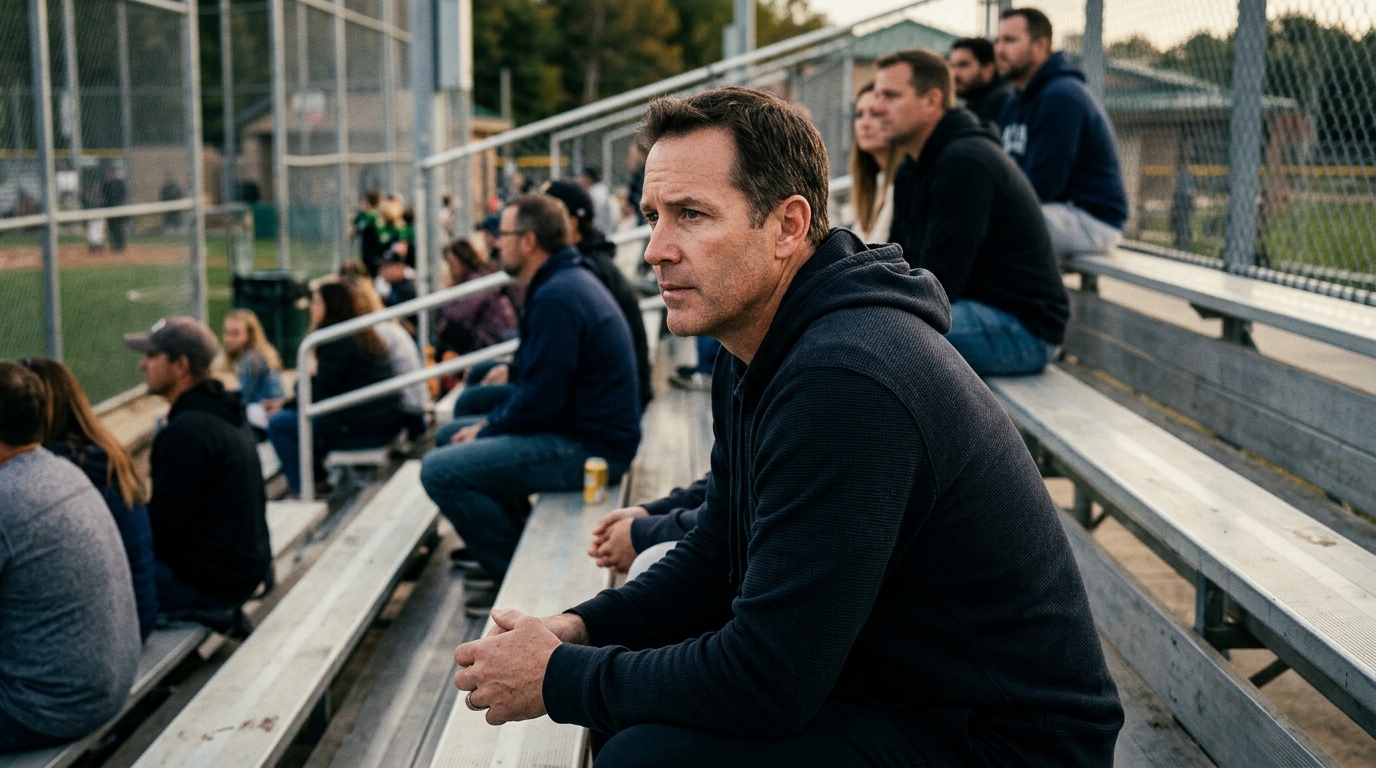
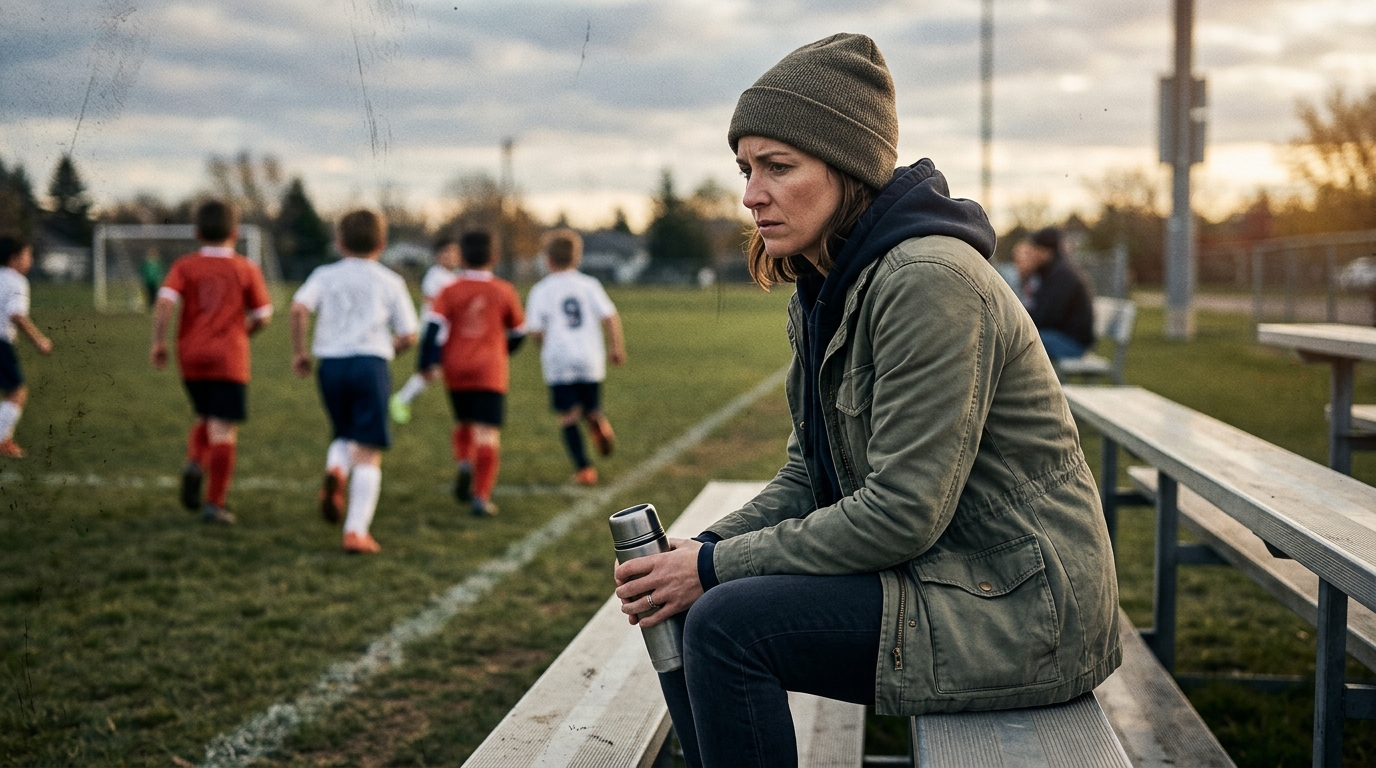
The car ride home usually starts before the engine does. Your kid has already been reading you for an hour. The sigh after a sub. The hands in the air. The tight-lipped stare when lineups come out. The chat with another parent where everybody suddenly becomes an assistant coach.
Kids notice all of it.
Then they get in the car and ask the question that matches the look you were already giving.
If you want calmer rides home, start with calmer sidelines.
You don’t have to like every decision. I sure wouldn’t expect that. But your kid should not feel responsible for managing your reaction to their playing time.
That load is too heavy, and it gets heavy fast.
The real win
The goal is not to talk your kid out of wanting more minutes. Wanting to play is healthy. Caring is good.
The goal is to help them handle disappointment without turning every hard moment into a courtroom drama.
Sometimes the best answer to Why didn’t I play more? is:
I’m not totally sure yet. But if you want, we can figure out the next step without blaming everybody on the ride home.
That’s steady. That’s useful. And honestly, that’s a lot closer to what kids need than the speech most parents have loaded and ready by the second stop sign.