
Every weekend, you can see it plain as day. A kid jogs off the field after making a smart play, looks to the sideline, and the first question they get is, “Did you win?” In gyms and on fields everywhere, the scoreboard gets a lot of love. Too often, more love than the experience the kid is actually having.
That’s where youth sports can get sideways. When winning becomes the whole point, we start crowding out the reasons most kids signed up in the first place: fun, friends, movement, improvement, and being part of something.
Who Are We Doing This For?
Ask a group of kids why they play, and you’ll usually hear the same things: it’s fun, their friends are there, they like learning, they like competing, they like being on a team. Winning matters, sure. But for most kids, it’s not the top reason they keep coming back.
I’ve been around this long enough to know the disconnect usually starts with adults, not kids. Parents want their child to succeed. Coaches want the work to show up in the result. That part is human. But when adult expectations get louder than the kid’s experience, pressure starts filling the space where joy used to be.
Then you see the signs:
- Kids play scared because mistakes feel expensive
- Players stop trying new things because they don’t want to mess up
- Coaches lean hard on the most polished kids and everybody else gets less room to grow
- Parents, often without meaning to, turn the car ride home into a performance review
- Some kids quit before they ever get a real chance to love the game
When fear shows up, learning usually leaves.
Turning youth sports into a tiny pro model misses the point. These are kids, not finished products.
What the Sideline Is Really Teaching
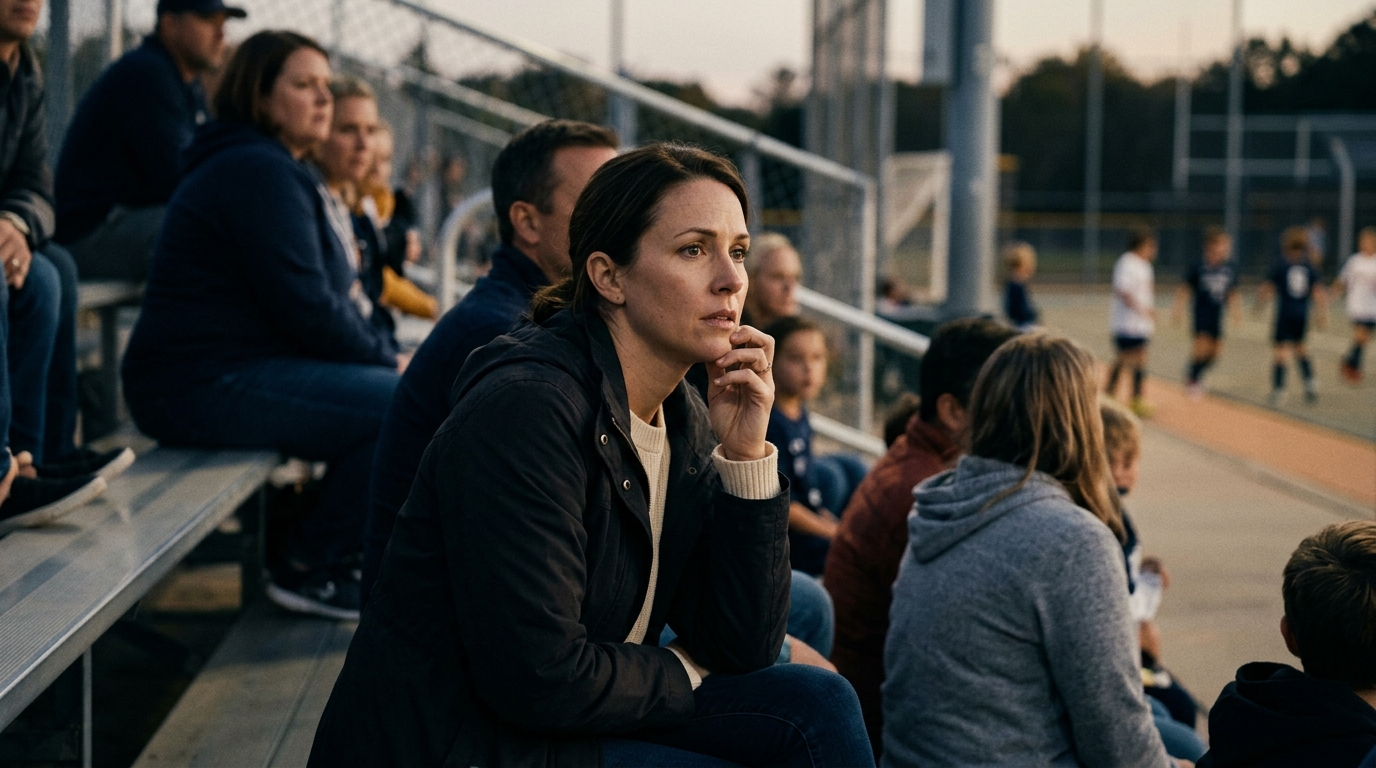
You don’t need a whistle to shape a season. Parents do it from the bleachers. Coaches do it in huddles, practice plans, and postgame talks. The message lands either way.
I’ve watched a child strike out, glance toward the stands, and brace for the reaction before they even get back to the dugout. I’ve also watched a player make the same out, hear, “Good swing—love that you were aggressive,” and head back in ready for the next inning. Same result on paper. Completely different effect on the kid.
That’s the work. Not pretending results don’t matter, but putting them in the right place.
When adults obsess over the scoreboard, kids hear: your value today is tied to the outcome. When adults notice effort, decision-making, courage, teamwork, and progress, kids hear: you are growing, and that matters.
Think about your own favorite sports memory. For most people, it’s not a final score. It’s a bus ride. A teammate. A coach who believed in you. A game where everybody battled. A moment you felt like you belonged.
How adults can shift the focus
- Celebrate effort and decision-making, not just stats and goals
- After games, ask what they learned or enjoyed before asking about the score
- Make space for every player to feel useful and seen
- Notice growth that won’t show up on a scoreboard
Kids remember how sports felt long after they forget the record.
What Fulfillment Actually Looks Like
Let’s be honest: winning is fun. It should be. Competing to win is part of sports. But winning can’t be the only thing holding the whole experience up. That’s too fragile, especially for kids.
Fulfillment is bigger than the result. It’s the feeling of getting better. It’s laughing with teammates. It’s sticking with something hard. It’s learning how to handle mistakes without folding. It’s earning confidence instead of borrowing it from a final score.
Across years of playing and coaching, one truth keeps showing up: kids stay in sports when the experience feeds them, not just when the team wins. If they feel connected, challenged, supported, and capable, they keep coming back. If they feel judged, tense, or disposable, they drift.
Fulfillment-first teams tend to build athletes who can handle more over time. Tough losses. Slumps. New roles. Adversity. They also build better teammates and more grounded young people.
What fulfillment-focused programs usually have in common
- Fair opportunities to play and develop
- Coaching that teaches skills and life skills together
- Parents who support without piling on pressure
- An environment where learning and fun are not treated like extras
Confidence grows faster in kids who feel safe to try.
A Season I Still Think About
I coached a fourth-grade basketball team that opened the season with five straight losses. You could feel the standings creeping into everybody’s head. A missed layup felt heavier than it should. Kids started checking the scoreboard more than they were reading the game.
So we changed the target.
Instead of talking about winning, we started talking about controllables. Make two passes before a shot. Sprint back on defense. Talk on the floor. Celebrate a teammate. Box out every time, whether you got the rebound or not.
Once the pressure came off the outcome, the kids loosened up. They played harder. They started noticing little wins. And yes, eventually they won more games.
But that wasn’t the part that stuck with me. The part that stuck was one of the quietest players on the team telling me, “This is the first time I actually liked basketball.”
That’s the kind of win that lasts.
The Problem With Chasing Early Wins Too Hard
If all we teach kids is to chase short-term results, we shouldn’t be surprised when some of them burn out. Early pressure can create early success on paper, but it often comes with a cost: anxiety, perfectionism, fear of mistakes, resentment, quitting.
On the other hand, a development-first approach tends to hold up better over time. Kids who learn to value growth, effort, resilience, and teamwork are more likely to stay active longer and carry those habits off the field too.
I’ve seen plenty of young athletes who were pushed hard to win early and left the sport flat-out done with it. I’ve also seen average middle-school players turn into strong high-school athletes because they were allowed to enjoy the process long enough to keep improving.
The long game matters more than the loud moment.
Culture will always celebrate trophies. That part isn’t changing. But adults still get to decide what kind of experience their kids are having inside that culture.
Small Changes That Matter Right Away
You do not need to rebuild the whole system to help your kid. Most of the time, the biggest changes are small and repeatable.
Start here
- After the game, ask: “Did you have fun?” and “What did you learn?”
- Cheer hustle, bravery, teamwork, and recovery after mistakes
- Model sportsmanship because your kid notices more than you think
- Support coaches who develop all players, not just the top few
The goal is not to lower standards. It’s to set better ones.
Kids do not need youth sports to turn them into mini celebrities. They need a place to grow, compete, struggle, belong, and enjoy themselves while they learn.
Final Thoughts
Of course we want kids to succeed. Nobody is arguing against that. The question is how we define success.
If success only means the final score, we’re teaching too little. If success includes friendships, effort, skill-building, resilience, joy, and love for the game, now we’re getting somewhere worth going.
So next time you’re on the sideline, take a breath before you react. Watch their face. Notice what they’re becoming, not just what the scoreboard says. That’s the real assignment in youth sports.
Winning is a moment. Fulfillment is what keeps kids playing.
If you’re a youth sports parent looking for better ways to support your athlete, Voluntold has resources built for that too.
If you’re interested in youth sports mental performance coaching, Voluntold offers support there as well.