
The game ends, kids are dragging bags to the parking lot, and here it comes.
Your child opens the car door, tosses their water bottle into the footwell, and gives you the one-word postgame report every sports parent knows: "Fine."
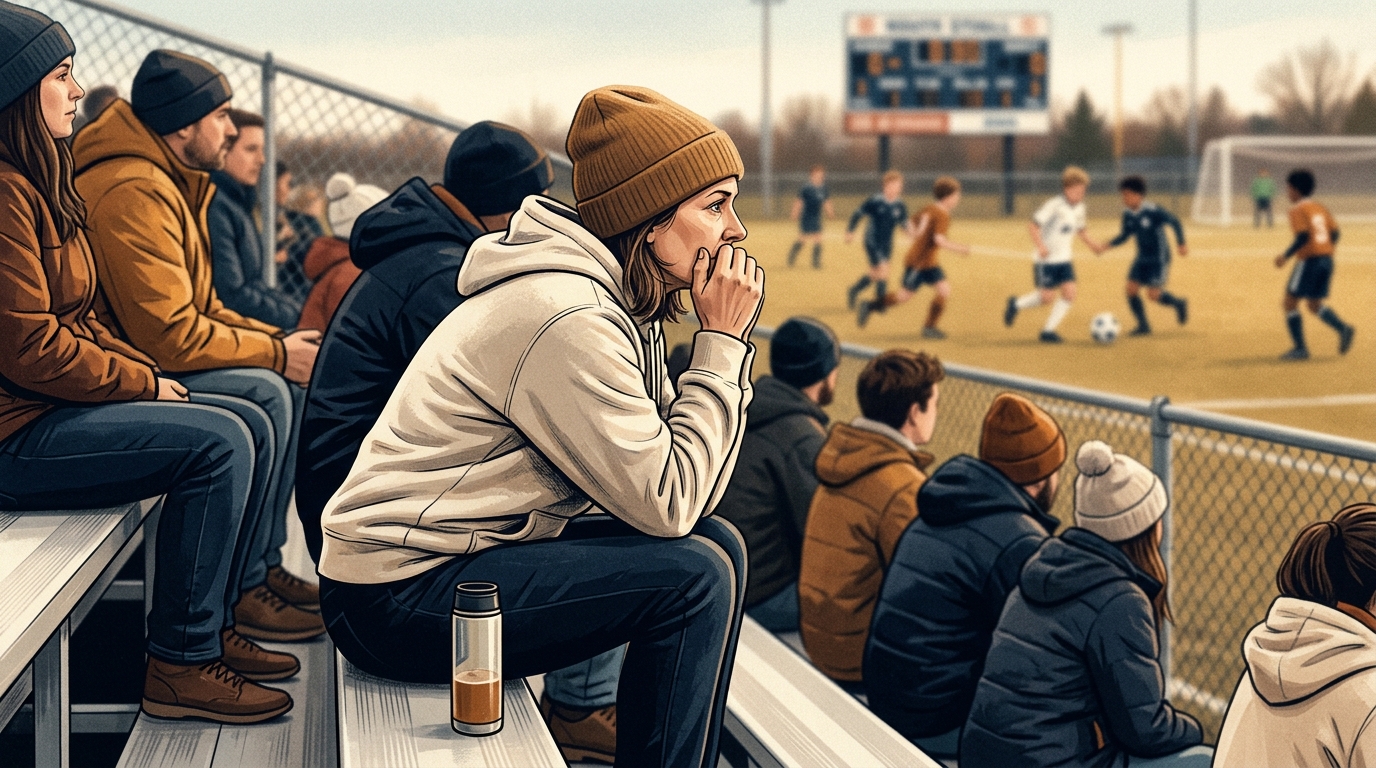
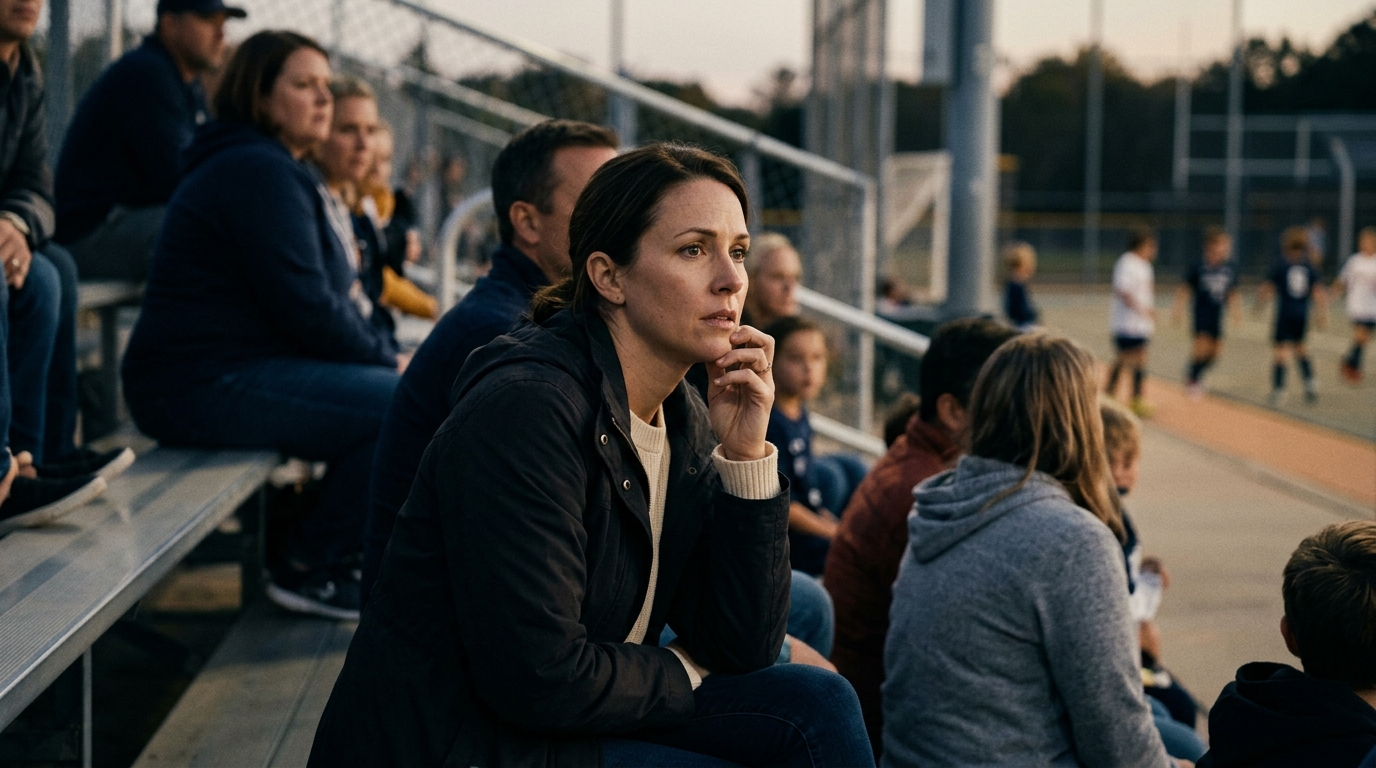
You watched the whole thing. You saw the strikeout, the missed ground ball, the shift in body language after the coach subbed them out. You also spent the last hour biting your tongue while another parent offered a running commentary loud enough for half the bleachers to hear.
Now you’ve got ten minutes in the car, a head full of opinions, and a choice to make.
Most of the damage parents do in sports doesn’t happen on the sideline. It happens on the ride home.
I’ve coached long enough to know this: kids can survive a tough inning, a bad shift, a benching, even a coach having an off day. What wears them out is feeling like they have to manage the adults too.
That means the car ride home matters more than most parents realize.
The first five minutes are not for analysis
When your kid gets in the car, they do not need your instant breakdown.
Not, "You’ve got to swing earlier."
Not, "Why didn’t you hustle on that last play?"
Not even, "You played great, but..."
That word but has ended a lot of good intentions.
Right after a game, most kids are either disappointed, overstimulated, hungry, tired, or some combination of all four. That is not a teaching window. That is a recovery window.
A good opening line sounds like this:
"Glad I got to watch you play."
"Want to talk now or later?"
"Tough one. I’m here if you want me."
"You hungry?"
That last one has saved more conversations than any parenting book ever written.
Not every drive home needs a lesson. Some just need snacks and quiet.
If they want to talk, keep your questions short
Parents get into trouble when they ask courtroom questions.
"Why didn’t you tell the coach you wanted first base?"
"Why were you upset after that call?"
"Why do you always do that when you get behind?"
Those questions don’t feel supportive. They feel like a cross-examination with seat belts.
Try questions your kid can actually answer without defending themselves.
"What felt good today?"
"What felt hard?"
"What do you want to work on next?"
That keeps the conversation with them, not at them.
And if they say, "I don’t know," believe me, that is often a real answer. Leave some room. Kids usually circle back when they feel safe enough to do it.
Don’t make the coach your postgame project
There’s a move I’ve seen a hundred times. Parent leaves the field frustrated, walks straight toward the coach, and starts with, "Hey, just quick question..."
It is almost never a quick question.
If you’re heated, that is not the time. If your child is still standing there listening, that is definitely not the time.
Coaches are managing equipment, lineup cards, field cleanup, other kids, and often their own emotions after the game too. A parent trying to settle playing time, position choices, or strategy in the parking lot usually makes things worse.
A better rule: if it can wait 24 hours, let it wait 24 hours.
Most things sound different the next day. Including in your own head.
If you do need to talk to the coach, lead with curiosity, not accusation.
"I’d like to understand how you’re seeing things for my kid right now."
That gets you farther than, "Can you explain why you keep batting him there?"
One starts a conversation. The other starts a fight.
Your kid is watching how you carry disappointment
This is the part parents miss. Even when you think you’re upset for your kid, they often experience it as having to calm you down.
They see the sigh when the lineup comes out. They hear the sarcasm in the car. They notice the cold tone when you say the coach’s name. They feel the pressure to either join your frustration or protect the people around them from it.
That’s a lot for a 10-year-old with shin guards still on.
I’m not asking parents to fake being happy. I’m saying be steady.
Kids borrow our emotional pace. If we come in hot, they stay hot. If we come in grounded, they settle faster.
Your child needs a ride home, not a replay booth.
A simple car ride rule that works
If you want one practical system, use this:
The 3-part postgame ride
Part 1: Decompress. First few minutes are quiet, water, snack, air.
Part 2: Let them lead. If they bring up the game, listen more than you talk.
Part 3: End as parent, not coach. Close with connection, not correction.
That last part can be as simple as: "Love watching you compete." Or "Proud of how you stuck with it."
Not because everything went great. Because your job is bigger than tonight’s stat line.
I’ve been around enough teams to know the kids who last in sports usually have at least one place where the pressure drops. For a lot of them, that place should be the front passenger seat on the way home.
Sometimes the best thing a sports parent can do is drive, keep their voice calm, and leave a little space in the car.
That space is where trust grows.