
Why Mistakes Matter More Than Most Adults Want to Admit
You can see it happen in a second. A kid swings through strike three, drops their chin, and starts replaying the miss before they’ve even reached the dugout. A goalie gives one up and suddenly their whole body says, please don’t hit it to me again. A basketball player misses a layup, looks straight at the bench, and waits to see if they’re in trouble.
That’s the part adults miss. The mistake is rarely the biggest problem. What happens after the mistake is usually what sticks.
After years on fields, courts, and benches, here’s what holds up: young athletes do not need a speech in the middle of a hard moment. They need a way to reset fast. If the only thing they know after an error is embarrassment, they start protecting themselves. They stop taking chances. They play careful. And careful kids don’t play free.
Mistakes are part of sports. They’re also part of learning. The goal isn’t to erase them. The goal is to keep one mistake from turning into three more.
A tight kid is usually a scared kid.
What a Mistake Ritual Actually Is
A mistake ritual is a simple action a player uses right after an error to clear it and get back to the next moment.
Not magic. Not fluff. Just a repeatable reset.
Maybe a player misses a shot and shakes out their hands. Maybe they brush their shoulder and say, “Next play.” Maybe it’s a quick clap, a finger snap, a chest tap with one breath, or a quiet “flush it” as they turn and get back on defense.
I’ve seen kids do this in games where you could almost watch the panic leave their body. Not because the mistake disappeared, but because they had something to do instead of spiraling.
- Shake out the hands
- Brush the shoulder
- Clap once and say, “Next play”
- Snap fingers and move on
- Take one breath with a reset word like, “I’m good”
Reset is a skill, not a personality trait.
Why Something This Small Works
Coaches sometimes hear this idea and think it sounds too simple. But simple is exactly why it works, especially with kids.
Young athletes don’t always have the language or emotional tools to sort through frustration in real time. They just know they feel hot, embarrassed, rushed, or mad. A physical routine gives their brain a clean signal: that play is over.
That matters.
- It creates distance from the mistake. A physical cue helps break the loop of replaying the error.
- It builds resilience. Players learn they can recover quickly instead of staying stuck.
- It lowers fear. When mistakes feel manageable, kids stop treating them like proof they don’t belong.
I’ve coached plenty of players who weren’t struggling with talent. They were struggling with the 20 seconds after something went wrong. Fix that stretch, and you often fix a lot.
How It Builds Real Mental Toughness
Mental toughness in youth sports is not about acting hard or pretending mistakes don’t hurt. It’s being able to stay available for the next play when everyone just saw you mess one up.
That’s a learned skill.
When players use a mistake ritual consistently, a few things start to change. They stay calmer under pressure because they have a plan. Teammates feed off it, too. One kid resets well, then another does it, and suddenly the bench isn’t groaning every time something goes sideways. The group gets steadier.
- Better performance under pressure because players recover faster
- Stronger team habits because resilience becomes visible and contagious
- Long-term confidence because mistakes stop meaning, “I’m not good enough”
Confidence grows when kids survive hard moments, not when hard moments never happen.
Your Job as the Adult
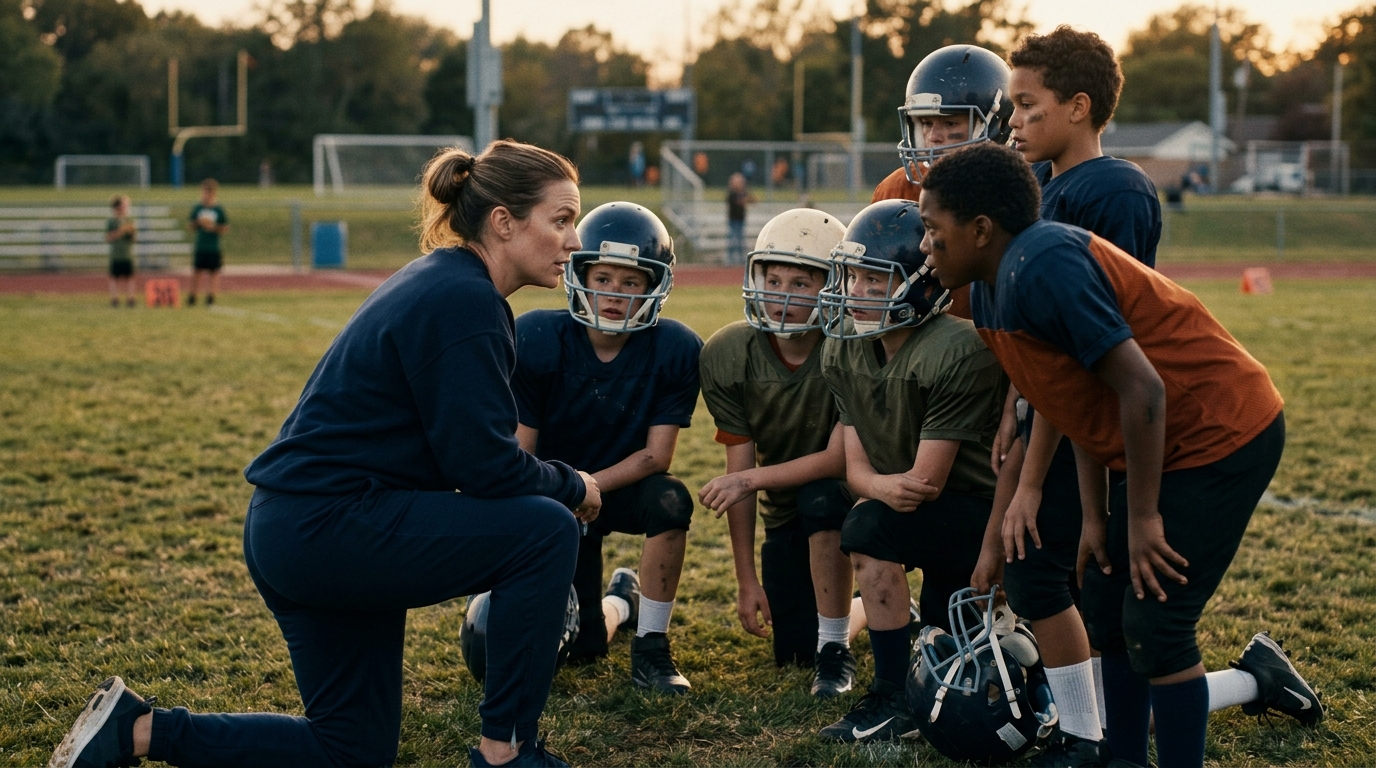
Here’s the sideline truth: kids borrow our reactions before they build their own. If a player makes a mistake and the first thing they see is a coach with their hands up or a parent making the face, that becomes part of the mistake too.
Adults set the temperature.
If you want a player to reset, you have to stop making every error feel like a courtroom.
Introduce it early
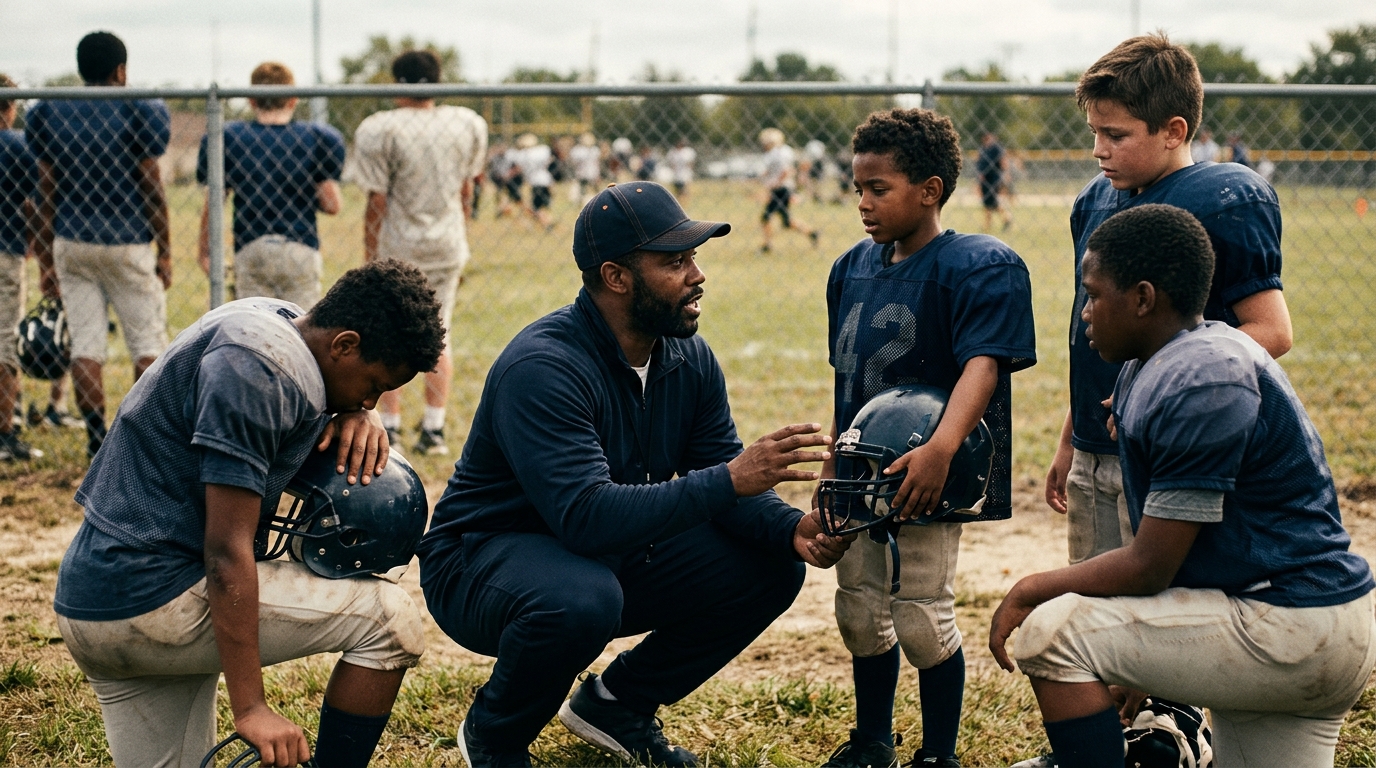
Don’t wait until a kid is melting down in the third inning. Talk about mistakes at the start of the season or in practice. Keep it plain: everybody makes them, including great players. What matters is how fast you get back to work.
Let the kid help build it
The best ritual is the one the player will actually use. Let them choose it. “Reset.” “Next one.” Wrist flick. Shoulder brush. One breath. If it feels like theirs, it carries more weight than something handed down by an adult.
Notice the reset, not just the error
If a player boots a ground ball and then gets themselves back into position, that’s worth naming. “Good reset.” “That’s it, next play.” You’re teaching them that recovery earns pride too.
Use it off the field
Homework, music practice, tough mornings, forgotten assignments—same skill. Sports just gives you a loud place to practice it.
What adults repeat, kids remember.
A Real Example
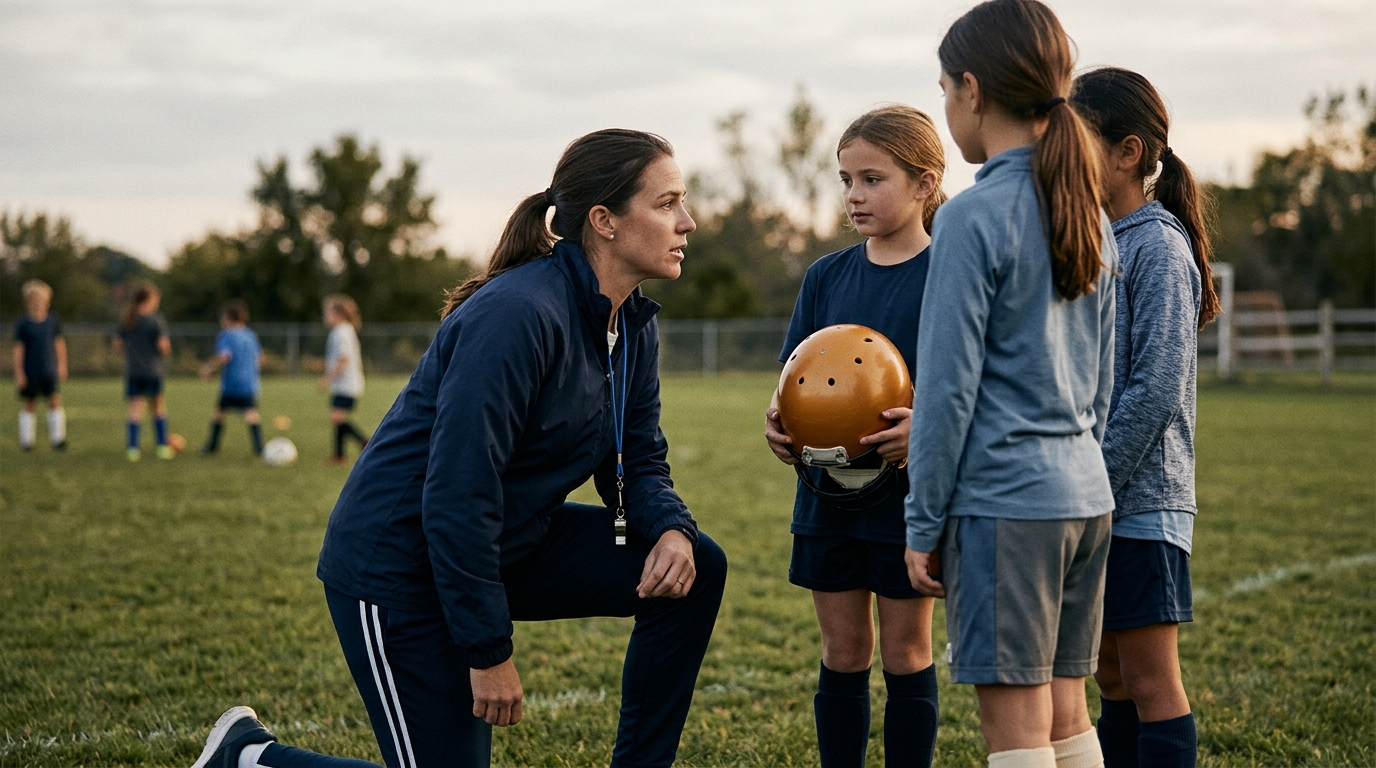
Picture a 10-year-old in a soccer game. Ball comes in, she tries to cut off the pass, and instead knocks it out of bounds. You can see the shutdown coming. Shoulders drop. Eyes go wide. She’s halfway into the mistake story already.
Then she does what she’s practiced: one breath, quick wrist flick, quiet “next one.” Now she’s looking back at the field instead of inward at the mess-up.
That’s the win.
Not that she made the error. Not that the error didn’t matter. It’s that the error didn’t get to own the next two minutes.
The best reset is the one a kid can still use when they’re frustrated, embarrassed, and tired.
We Should Want Kids to Risk Failure
This is where a lot of youth sports goes sideways. Adults say they want confidence, but then react badly every time a kid tries something difficult and it doesn’t work.
If we want players to grow, they have to stretch. They have to try the tough pass, attack the ball, take the shot, call for it, make the play under pressure. That means mistakes are coming with the package.
A mistake ritual doesn’t celebrate messing up for the sake of it. It makes room for learning. It tells kids: you are allowed to be imperfect here, and you are expected to recover.
One Mistake at a Time
Mistakes are guaranteed in sports and in life. What isn’t guaranteed is whether a kid learns to carry them, hide from them, or release them.
That’s why this matters so much.
You do not need a big program or a perfect script. You need a little intention, some repetition, and adults who can stay steady long enough for kids to learn steadiness too.
So the next time your player makes a mistake, resist the instant lecture. Resist the dramatic comfort too. Give them a way to own it, clear it, and get back in the game.
Pick a ritual. Practice it. Keep it simple. Then watch what happens when kids stop fearing the moment after the mistake.
If you want support around youth sports mental performance, Voluntold offers coaching built for the real stuff kids and families deal with in games, practices, and everything around them.