
It’s the third drill of practice. A ball skips through two pairs of legs, one kid laughs, another throws her hands up, and now everybody is looking at everybody else instead of the next rep. The instinct as a coach is to stop the whole thing and start fixing. Usually loudly. Usually with a little edge in your voice because you can already feel the practice clock slipping.
I’ve done that version. Most coaches have. You jump in with the correction, name the mistake, explain what should have happened, and hope the group tightens up. Sometimes it works. A lot of times, all it really does is turn one mistake into a little public trial.
There’s a better move, especially with young teams: call the huddle before the correction.
Not a punishment huddle. Not the “everybody run in because someone messed up” huddle. A quick reset huddle that lets you coach the group before you coach the error.
Why this works better than stopping one kid in front of everybody
Young players are always reading the room. The second a coach freezes practice and locks onto one player, the rest of the team starts doing math.
- Am I next?
- Was that my fault too?
- Should I play safe now so I don’t get called out?
That’s how practices get tight. Kids stop reacting and start protecting themselves.
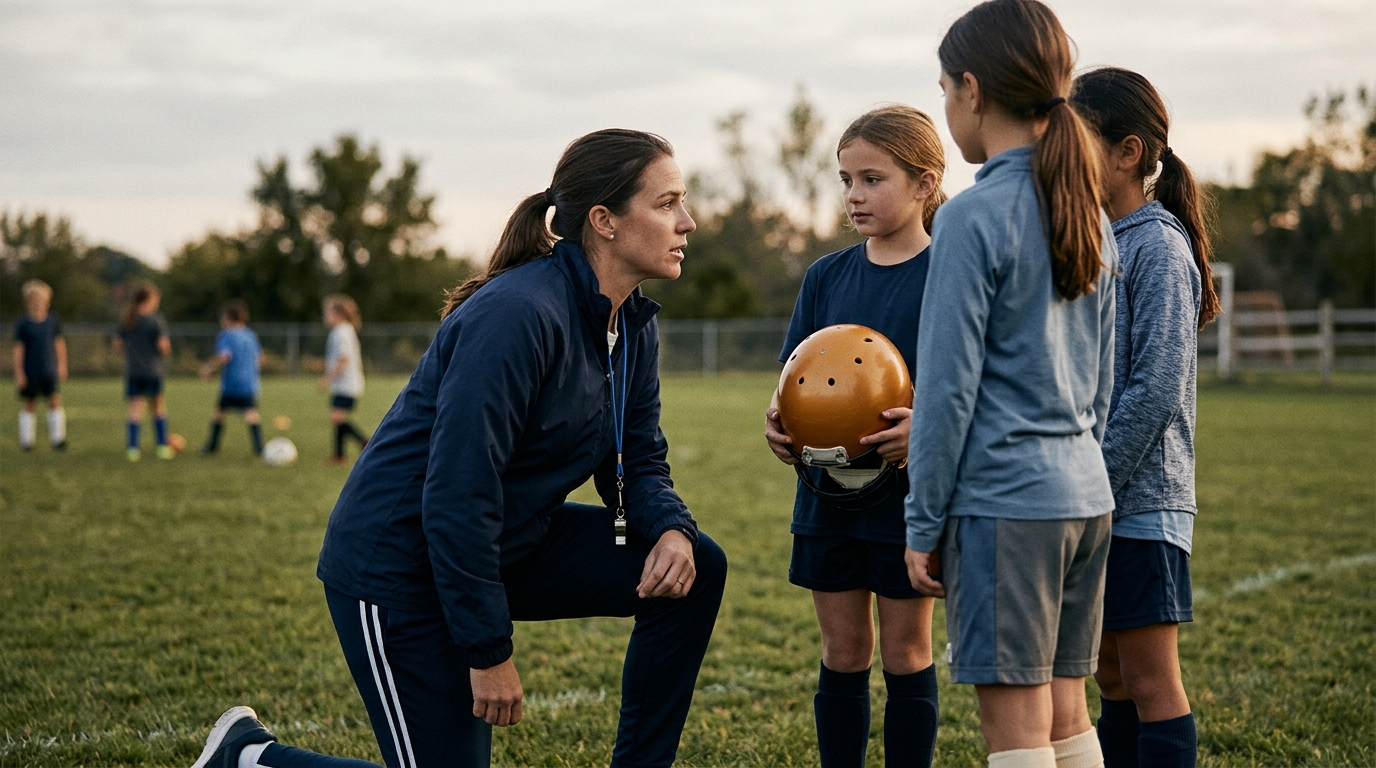
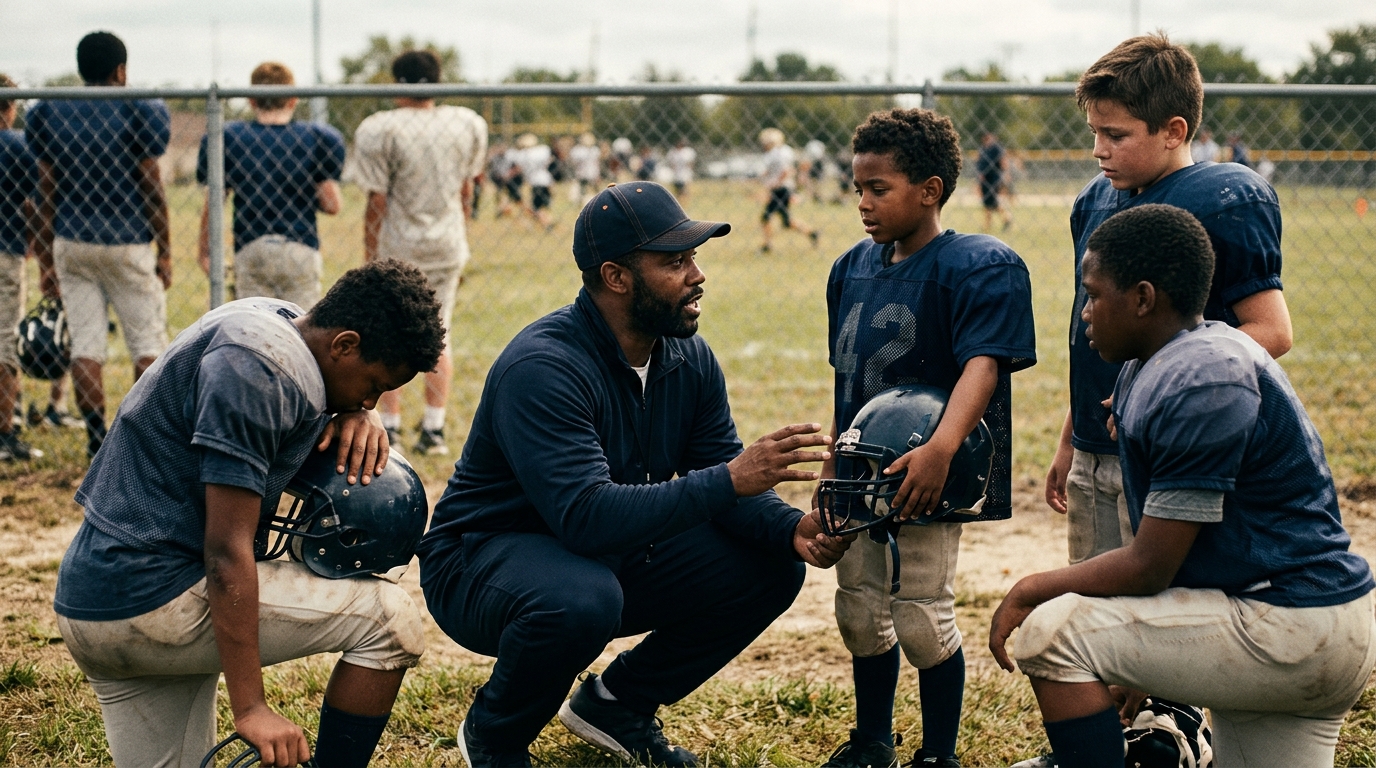
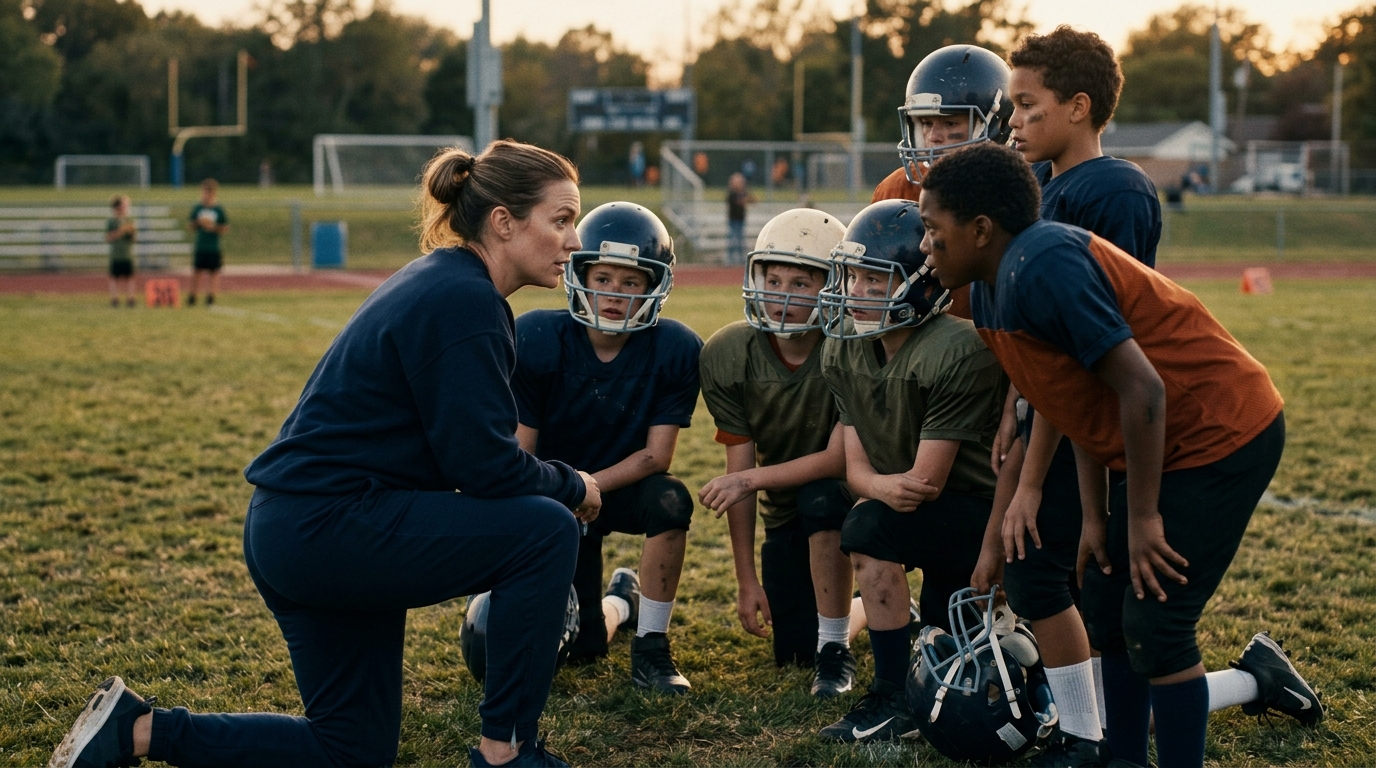
A fast team huddle changes the temperature. You bring everybody in, lower the volume, get eyes on you, and make the correction a shared job instead of a personal indictment.
That matters more than coaches think.
I’ve been around enough teams to know this: kids can handle correction. What they don’t handle well is feeling exposed. There’s a difference.
Correct the play without cornering the player.
What the huddle actually sounds like
This is not a speech. If your huddle turns into a two-minute lecture, you’ve lost the point.
Bring them in and keep it short:
- Name what happened: “We’ve got balls getting through because we’re standing tall.”
- Name the fix: “Everybody get lower before the ball arrives.”
- Name the next standard: “Next three reps, I want gloves down early and feet moving first.”
That’s it. Then restart the drill fast.
No sarcasm. No “come on, guys.” No long rewind of who missed what. Just a clean reset.
One thing I learned over years of practices: the longer the correction, the worse the next rep usually is. Kids don’t need a seminar in the middle of movement. They need one clear picture and a chance to try it again.
When to huddle and when to coach individually
Not every mistake needs a group stop.
If one player’s footwork is off, you can handle that on the side or while the line keeps moving. But if the mistake starts spreading—bad spacing, lazy transitions, chatter disappearing, everybody rushing—go huddle.
That’s usually a team issue wearing one kid’s jersey.
Coaches miss this all the time. One player bobbles, and we act like it’s about her hands. Sometimes it is. Sometimes it’s really about the last ten minutes of practice being sloppy, rushed, and unfocused.
The huddle helps you coach the root, not just the symptom.
The hidden benefit: you protect practice pace
This sounds backward, but stopping for a quick huddle often saves time.
The ugliest practices are not always the disorganized ones. Sometimes they’re the overcoached ones. Constant whistle. Constant talking. Constant fixing after every rep. The drill never gets rhythm, and the players never get enough attempts to improve.
A 15-second huddle can clean up five messy minutes.
I’d rather pause once, reset everybody, and get flowing again than keep sniping at mistakes one by one while the energy drains out of the field or gym.
If your correction kills the pace, it probably won’t improve the habit.
How this helps your team culture without making it a whole “culture talk”
Here’s the practical part coaches care about: players start responding better when they believe mistakes will be handled fairly.
That doesn’t mean soft. It means steady.
When kids know a blown rep won’t automatically turn into embarrassment, they stay more coachable. They recover quicker. They communicate more. They take normal risks instead of playing scared.
And your stronger players notice too. They learn that leadership is not eye-rolling at a teammate after a mistake. It’s locking back in after the reset and raising the standard on the next rep.
That’s a real team lesson, not the poster version.
A simple rule to use this week
Before you correct a player publicly, ask yourself one question:
Does this kid need instruction, or does this group need a reset?
If it’s the group, call the huddle.
If it’s the kid, coach the kid without putting the whole spotlight on them.
That one distinction can change the feel of your practices fast.
Because most young athletes are not falling apart from hard coaching. They’re getting scrambled by unpredictable coaching. One mistake gets ignored, the next gets blasted, and now the whole team is guessing at your temperature instead of listening to your teaching.
The quick huddle solves some of that. It gives your team a consistent pattern: mistake, reset, rep again.
Simple. Calm. Clear.
And in youth sports, clear usually beats clever.