
Coaching kids is never just about the sport. It’s about reading the age in front of you before practice slides sideways.
The 6-year-old spinning in line is not trying to test you. The 12-year-old who shuts down after one mistake is not lazy. The 16-year-old asking, “Why are we doing this drill?” is not automatically disrespectful. They’re telling you, in real time, where they are developmentally.
After a lot of years on the bench, this part is clear: kids are not small adults. They process differently, move differently, and hear feedback differently depending on the stage they’re in. Miss that, and practice gets tense fast. Get it right, and kids learn quicker, enjoy it more, and stick with sports longer.
Why Age-Appropriate Coaching Matters
You’ve seen the coach who runs every age the same way. Same warm-up. Same voice. Same expectations. It looks efficient for about ten minutes.
Then the little ones stop listening during a long explanation. The older group starts rolling their eyes because the practice feels like daycare. And somewhere in the middle, a coach mistakes normal age-level behavior for attitude.
I’ve made enough adjustments over the years to know this: a lot of “discipline problems” are really coaching-fit problems. When the coaching matches the kid, everything gets cleaner.
- Less confusion
- Better connection
- Stronger skill development
- More fun, which still matters
Good coaching works better when it actually fits the kid getting it.
The Four Key Stages of Youth Development
1. Early Childhood (Ages 5–7): Fun First
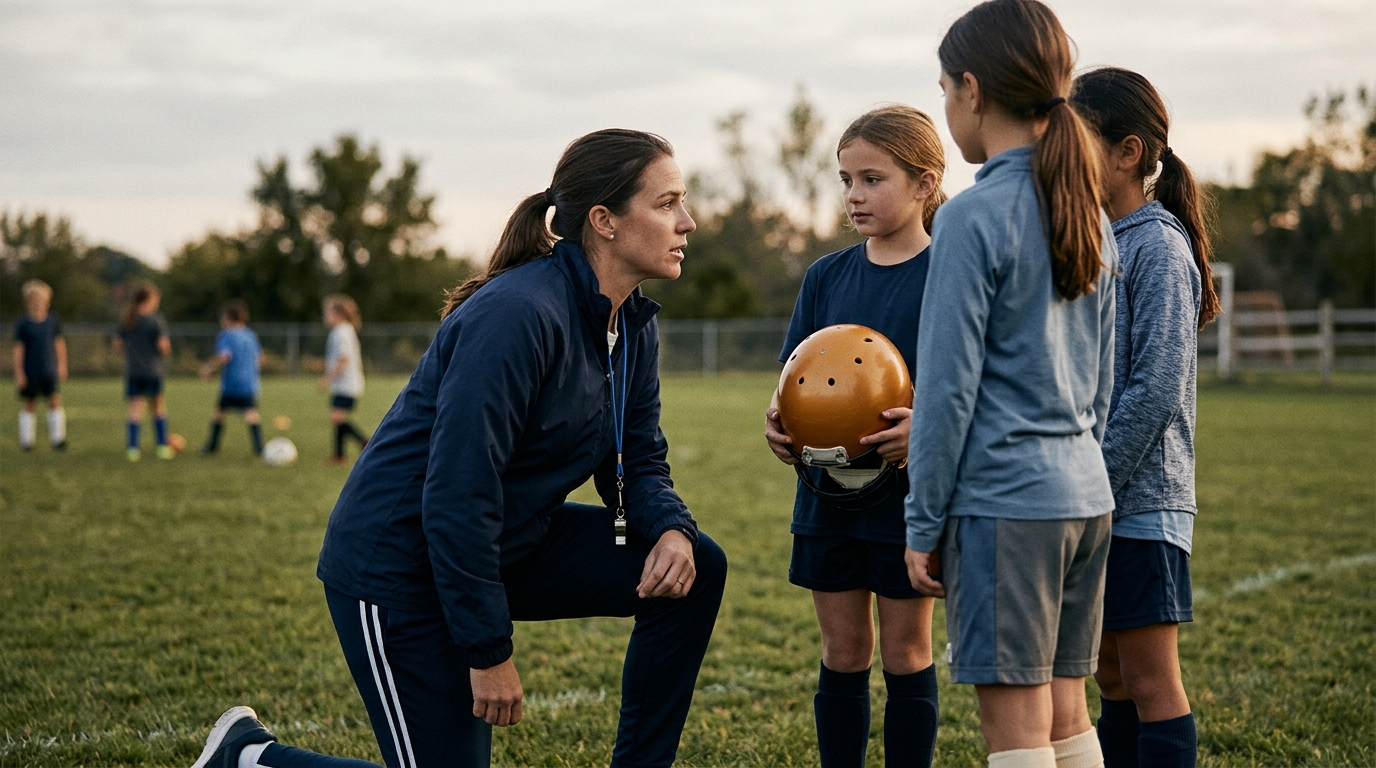
If you coach this age, you know the scene. One kid is staring at the clouds. One is fixing a sock that was never a problem. One heard half the instruction and took off in the wrong direction like they absolutely nailed it.
That’s not bad practice. That’s the age.
At 5 to 7, attention is short, imagination is huge, and basic coordination is still catching up. Rules, spacing, and routines are all new enough that you cannot coach this group like a mini varsity team and expect anything useful back.
What’s worked best for me at this age is simple: make it feel like play with a purpose. If cones are treasure islands, they’re in. If a tag game teaches change of direction, even better. If you stack three instructions together, you’ll lose half the group before you finish sentence two.
Typical characteristics:
- Short attention spans, often 5–10 minutes at best
- Big imagination
- Coordination still developing
- Rules and routines are still new
Coaching strategies:
- Use play-based activities. Games, stories, and movement challenges beat static drills.
- Keep instructions simple. One job at a time: run here, stop there, kick this.
- Praise effort quickly. A fast “nice try” or high five lands better than a speech.
At 5 to 7, attention is rented, not owned.
If they leave smiling and wanting to come back, that counts. A lot.
2. Middle Childhood (Ages 8–10): Building Skills and Confidence
This is usually where practice starts to settle down a bit. They can focus longer. They want to get things right. They notice who is ahead, who is struggling, and whether you noticed their effort.
I like coaching this stage because kids are still open. They’ll repeat a skill over and over if they believe improvement is possible. But this is also the age where a careless comment can stick to them for weeks.
I’ve seen players this age light up from one clear target. Not a giant season speech. Just something they can actually grab onto. “Get five clean passes.” “Stay balanced on three shots.” “Call for the ball every rep.” Small wins matter because they start building identity.
Typical characteristics:
- Better memory and focus
- More interest in rules and problem-solving
- Want approval from coaches and peers
- Confidence is still taking shape
Coaching strategies:
- Teach fundamentals well. This is prime time for core motor skills and basic sport technique.
- Set small, reachable goals. Let them stack wins.
- Build teamwork on purpose. Partner work and group games help them learn how to belong.
Confidence grows faster when the goal feels close enough to touch.
3. Early Adolescence (Ages 11–13): Self-Awareness in Overdrive
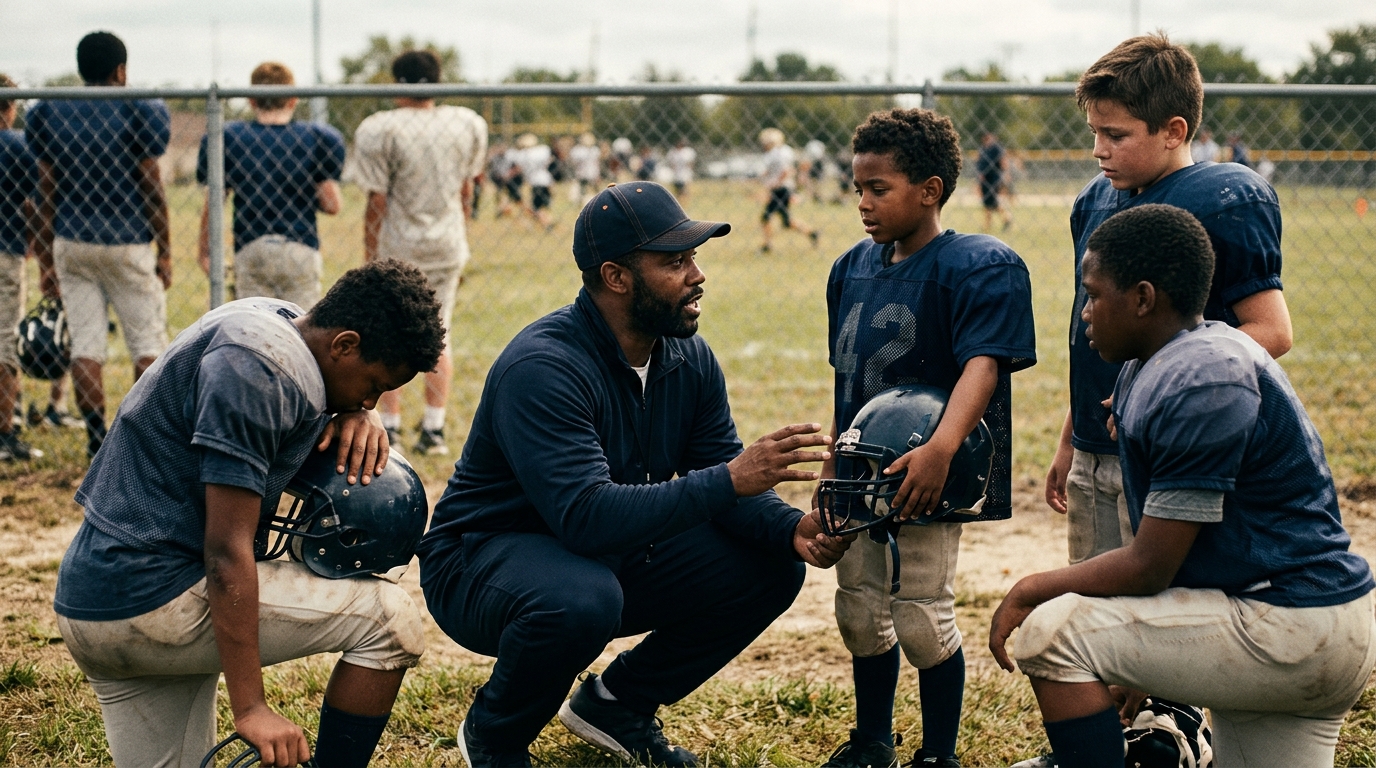
This age can be a lot. One mistake feels public. One bad rep feels permanent. Bodies are changing fast, and not on the same timeline. One player suddenly looks dominant. Another looks clumsy for a month and has no idea why.
From the bench, this is where coaches often need the most patience. The kid shrugging after feedback might actually be embarrassed. The goofy one may be covering nerves. Peer approval starts driving more behavior than adults want to admit.
I’ve coached enough middle school groups to know that team culture can get hijacked fast if adults don’t lead it on purpose. Cliques will fill any leadership vacuum you leave. So will sarcasm.
What helps here is steady structure and some controlled ownership. Not letting players run practice. Just giving them a voice. Let them choose the finishing game sometimes. Let them lead a warm-up station. Let them help solve one team habit that keeps hurting the group. They respond better when they feel respected, not managed.
Typical characteristics:
- Strong need to fit in
- Physical changes, including awkward growth spurts
- More abstract and critical thinking
- Bigger emotional swings
Coaching strategies:
- Emphasize effort over outcome. They need to know mistakes do not reduce their value.
- Offer choices when you can. A little ownership goes a long way.
- Create a team-first environment. Don’t let cliques coach your team for you.
Middle school athletes hear everything, especially the part you thought you mumbled.
This stage needs safety, structure, and steady adults. Usually in that order.
4. Adolescence (Ages 14–18): Driven and Developing
By the teen years, athletes can usually handle more. More detail. More accountability. More intensity. But looking older in uniform does not mean they’re fully built on the inside.
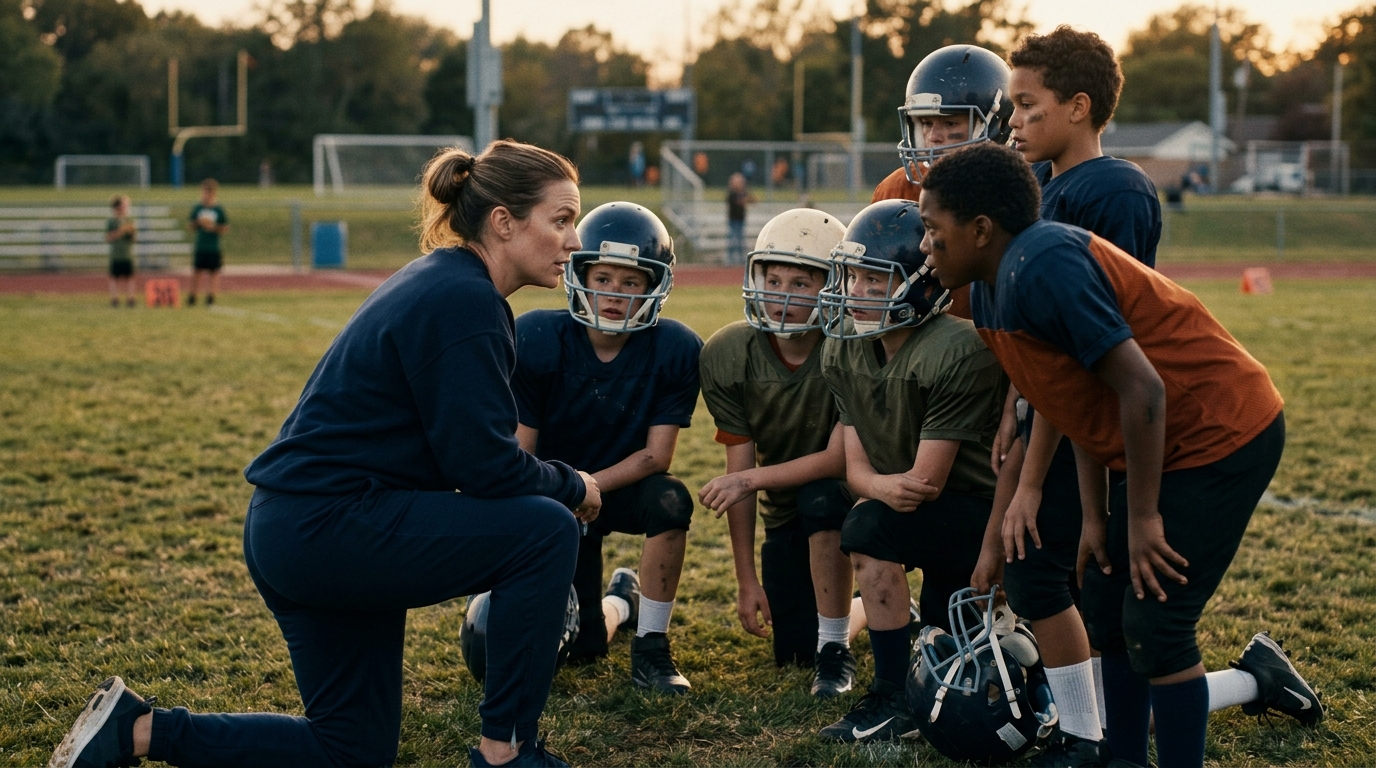
I’ve coached teenagers who wanted hard standards and honest feedback, and still needed someone to notice they were dragging because life outside the gym was heavy that week. Older athletes usually respond best when they feel challenged and respected.
This group can learn complex tactics and handle deeper conversations about decision-making, pressure, and performance. But they can also smell fake respect immediately. If you want buy-in from teens, don’t talk down to them. Give them reasons. Ask for their read. Hold the line when needed, but treat them like people, not just positions on a board.
Typical characteristics:
- Greater physical and mental capacity
- Strong push for independence
- Can learn complex tactics and advanced skills
- Still figuring out who they are
Coaching strategies:
- Challenge them with purpose. Use game-like problems, not busywork.
- Respect their input. Let them lead, reflect, and contribute.
- Invest in the person, not just the performance. Ask how they’re doing beyond the scoreboard.
Older athletes don’t just want instruction. They want trust.
Final Thoughts: Be the Coach They Remember
The best practice plan in the world can still miss if it’s built for the wrong stage of development. That’s the job: not just knowing the sport, but knowing the kid in front of you.
When you coach to age and stage, the whole environment gets better.
- Skills build more smoothly
- Team culture gets stronger
- Kids stay more engaged
- Sports stays rewarding instead of draining
Coach the kid first, athlete second.
That reminder has saved more practices than any clipboard ever has.
When you’re unsure what to say or do, ask yourself one question: What does this player need from me today?
Not just to perform. To grow.
That question will take you a lot farther than another drill sheet.