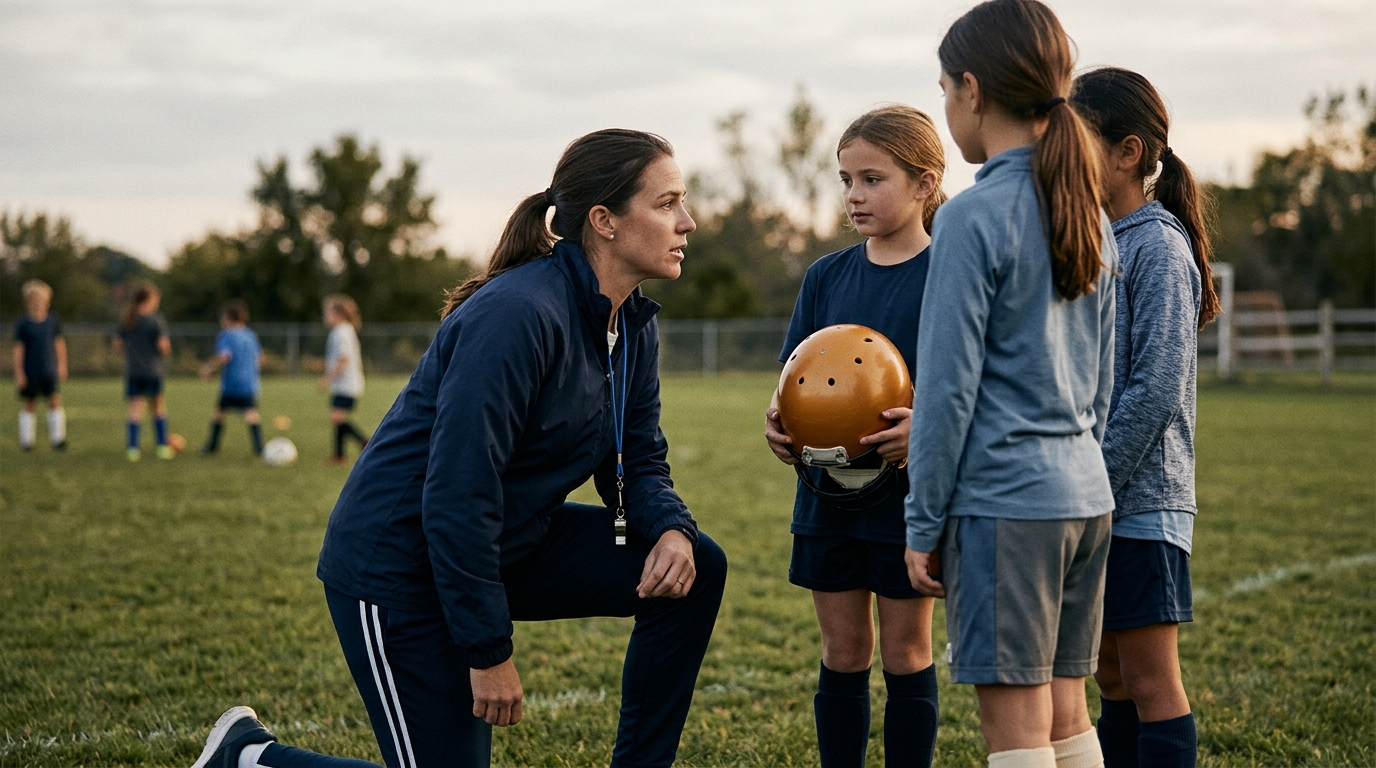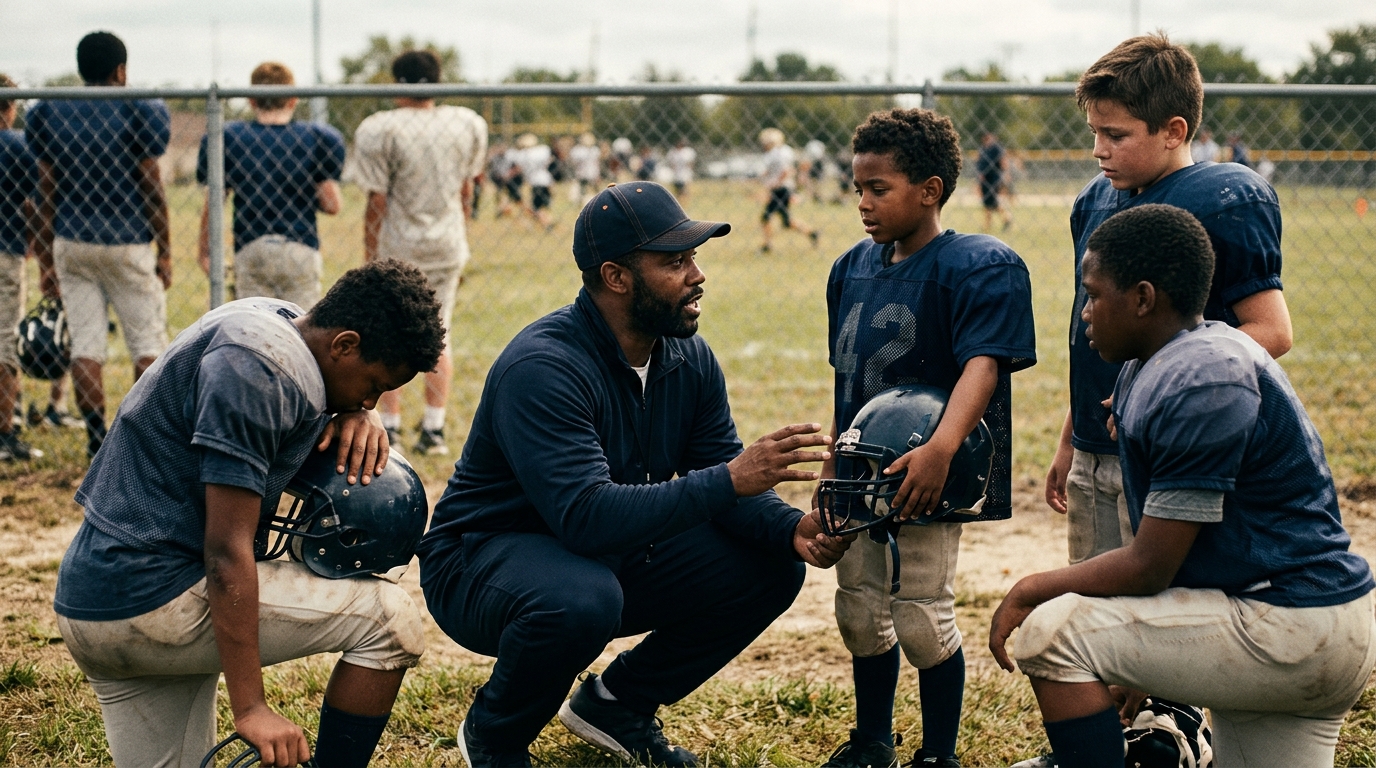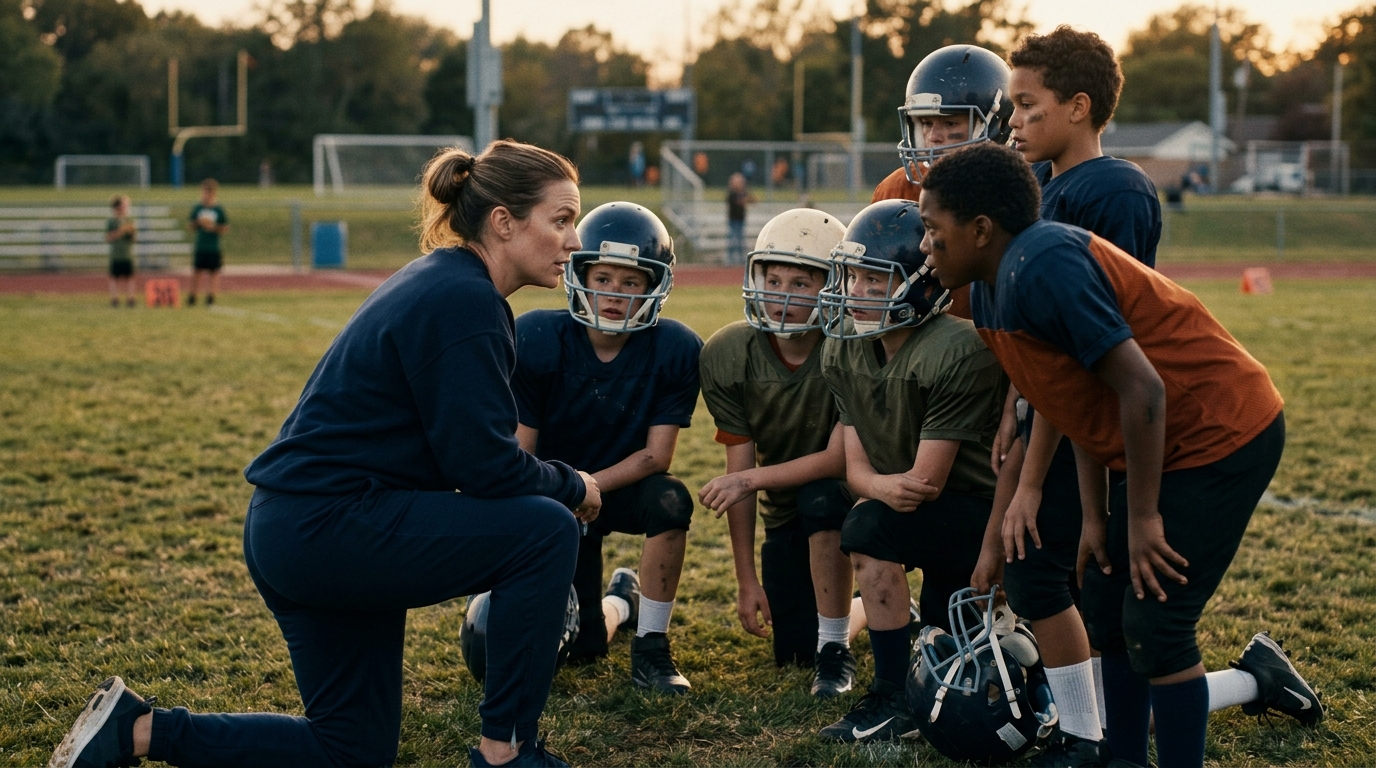

Coaching kids is one of the best jobs in sports and one of the easiest to get wrong.
You see it fast from the sideline. One team is standing in a line that never moves, half the kids are picking grass, and one player is getting corrected every rep. On the next field, the coach is organized, the kids are active, somebody is laughing, and even mistakes feel safe. Same age group. Same sport window. Totally different experience.
If you coach long enough, you learn this: kids usually won’t remember your practice plan on paper. They’ll remember whether they felt nervous or confident, ignored or noticed, tight or excited to come back.
That’s the real job. Not just teaching the sport. Teaching the experience of sport.
Why Youth Coaching Matters More Than Winning
Everybody likes to win. Coaches do. Parents do. Kids do too. But after years on benches, in gyms, on diamonds, and beside fields, I can tell you the scoreboard fades fast. What sticks is whether a kid felt belief coming from the adults around them.
I’ve seen teams lose and leave smiling because they played together, improved, and felt proud. I’ve also seen teams win while two kids walked to the car fighting tears because every mistake got spotlighted.
Winning is fun. It just can’t be the whole point.
Most kids sign up to have fun, be with friends, move their bodies, and get better. If your environment gives them that, they stay. If your environment gives them pressure without connection, they drift.
Top Tips for Coaching Any Youth Sport
These apply whether you coach soccer, baseball, basketball, softball, volleyball, football, or anything else with kids in sneakers and adults carrying water jugs.
1. Focus on Fun and Learning
The clearest warning sign in youth sports is a kid staring at the clock or dragging their feet to practice. Usually that means the fun got replaced by too much talking, too much standing, or too much fear of messing up.
Good practices feel active. Kids should be learning without feeling like they’re sitting through a meeting.
- Start with a warm-up that gets them moving right away
- Change drills often so attention stays with you
- Celebrate hustle, listening, bravery, and improvement
I’ve coached enough sessions to know that if kids are laughing, competing, and getting reps, you’re close to the mark.
Fun is not separate from development. For kids, fun is often the doorway to development.
2. Communicate Clearly and Honestly
You can know the sport cold and still lose a team if you can’t explain things simply.
Kids need clear language. Short instructions. Quick demos. A reason behind what you’re asking. “Spread out” lands better when they know it helps create space. “Stay low” lands better when they feel how it helps them react.
And with parents, clear is kind. Share schedules. Share expectations. Let them know what matters to you as a coach. Then protect the game space when it’s game time.
Every coach has seen it: three different adults shouting three different instructions while a kid freezes with the ball or misses the play. That’s not support. That’s traffic.
If kids need to look to the sideline every play, they’re not learning to play. They’re learning to wait.
3. Create Structure and Routine
Kids do better when practice has a shape to it. Chaos drains attention fast. Structure settles them.
When players know what comes next, you spend less time managing and more time coaching. It also helps anxious kids relax. They don’t have to guess what kind of day this is going to be.
A simple practice structure might look like this:
- 5 minutes – Team check-in and warm-up
- 15 minutes – Skill work
- 10 minutes – Team concept or partner activity
- 10 minutes – Small-sided game or scrimmage
- 5 minutes – Cool-down and quick team talk
Nothing fancy there. It works because it moves.
4. Model Good Sportsmanship and Behavior
Players hear what you say. They study what you do.
If you snap at officials, they learn that blame is part of competition. If you mock the other team, they learn disrespect is acceptable when emotions run high. If you stay composed, own mistakes, and treat people well, that becomes part of your team culture too.
I’ve had players repeat my exact sideline language back to teammates weeks later. That’ll get your attention as a coach real quick.
Teach kids how to win without showing off and how to lose without falling apart. Handshakes matter. Tone matters. Body language matters.
Your behavior is part of practice, even on game day.
5. Know Your Players
One kid wants the loud challenge. Another shuts down from it. One needs help settling nerves. Another needs help locking in. Coaching gets better the moment you stop treating the team like one personality.
Some of the most useful moments I’ve had with athletes happened before practice officially started. A quick chat about school. Asking how an injury feels. Noticing a player seems quieter than usual. That stuff matters more than coaches sometimes admit.
Try checking in with a few kids one-on-one every practice. Nothing dramatic. Just real attention.
A kid who feels known usually takes coaching better.
Understanding Youth Development
Coaching kids is not just watered-down coaching for adults. It’s different work.
Younger athletes have shorter attention spans. They need brief instruction and lots of showing, not endless explaining. They also develop at different rates. One player may look coordinated and confident while another is still figuring out how their body moves.
- Keep directions short and demonstrate often
- Build options into drills so different levels can succeed
- Use positive reinforcement early and often
I’ve seen coaches mistake normal development for lack of effort. That’s a miss. Some kids aren’t being difficult. They’re just learning on a different timeline.
Setting and Reinforcing Team Values
The best team standards are not invented after the first big problem. They’re built early.
At the start of a season, set the tone for respect, effort, and encouragement. Don’t assume kids know what being a great teammate looks like. Teach it. Name it. Come back to it.
A simple team talk can go a long way: ask players what kind of teammate they want beside them. Helpful? Loud with encouragement? Unselfish? Tough? Then use those answers all season when you need to reset the group.
I’ve watched that kind of language change a bench. Not overnight. But steadily.
Culture is usually built in the small repeated moments, not the big speeches.
Practical Coaching Tips That Work
There are a few simple habits that make a real difference.
- Use praise, then correction, then encouragement
- Keep drills short so energy stays up
- Use assistants and willing parents for setup and logistics
- Have a backup plan when weather, numbers, or space change
The coaches who look calm usually aren’t lucky. They’re prepared.
And the younger the group, the more your transitions matter. If you take two minutes to reset every five minutes, you lose the room. Have the next activity ready before the current one ends.
Encouraging Growth Over Perfection
Progress is the target, not perfect execution.
One week a player can’t make the pass. The next week they complete two in a row because they finally slowed down and looked up. That matters. Name it.
Specific praise works better than empty praise. “Good job” is fine. “Great job getting back on defense” teaches them what to repeat. “Much better balance on that swing” gives them something solid to hang onto.
I’ve seen confidence change an athlete faster than any drill sheet. Not fake confidence. Earned confidence. The kind built when a coach notices real improvement.
Kids don’t need you to pretend everything was great. They need you to notice what’s getting better.
Keep It Simple and Keep It Worth Coming Back To
You do not need to be a pro coach to be a great youth coach. You need to care, stay organized, and keep the focus where it belongs: on the kids in front of you.
Help them enjoy the sport. Help them grow skills. Help them feel steady after mistakes. Help them feel like they belong on the team, not like they’re trying to earn the right to breathe.
Years from now, most of them won’t remember every score. But they will remember the ride home feeling proud, or embarrassed, or excited for next practice. Coaches have a hand in that.
So whatever you coach, keep it fun, fair, and clear. Teach the game. Teach the habits. Teach the kind of environment kids want to return to.
You’ve got this, Coach.