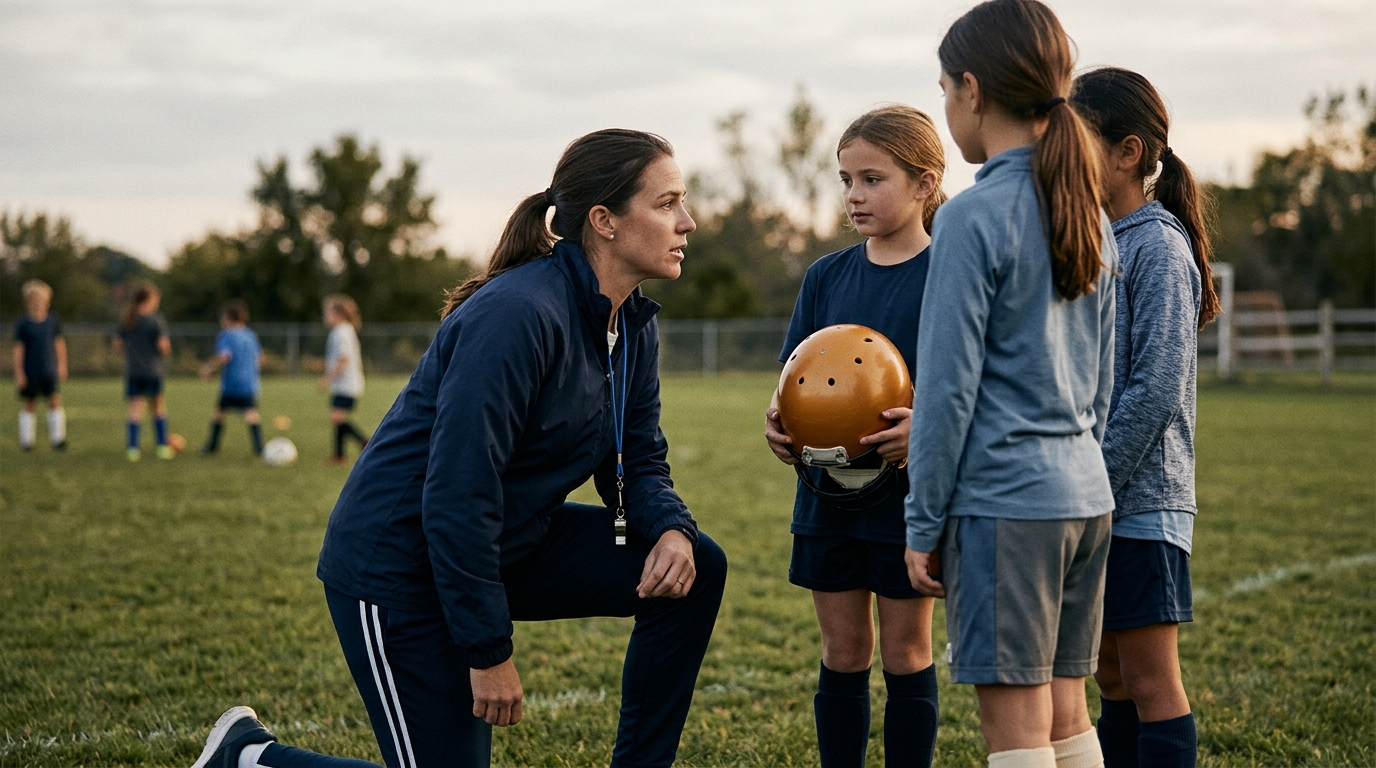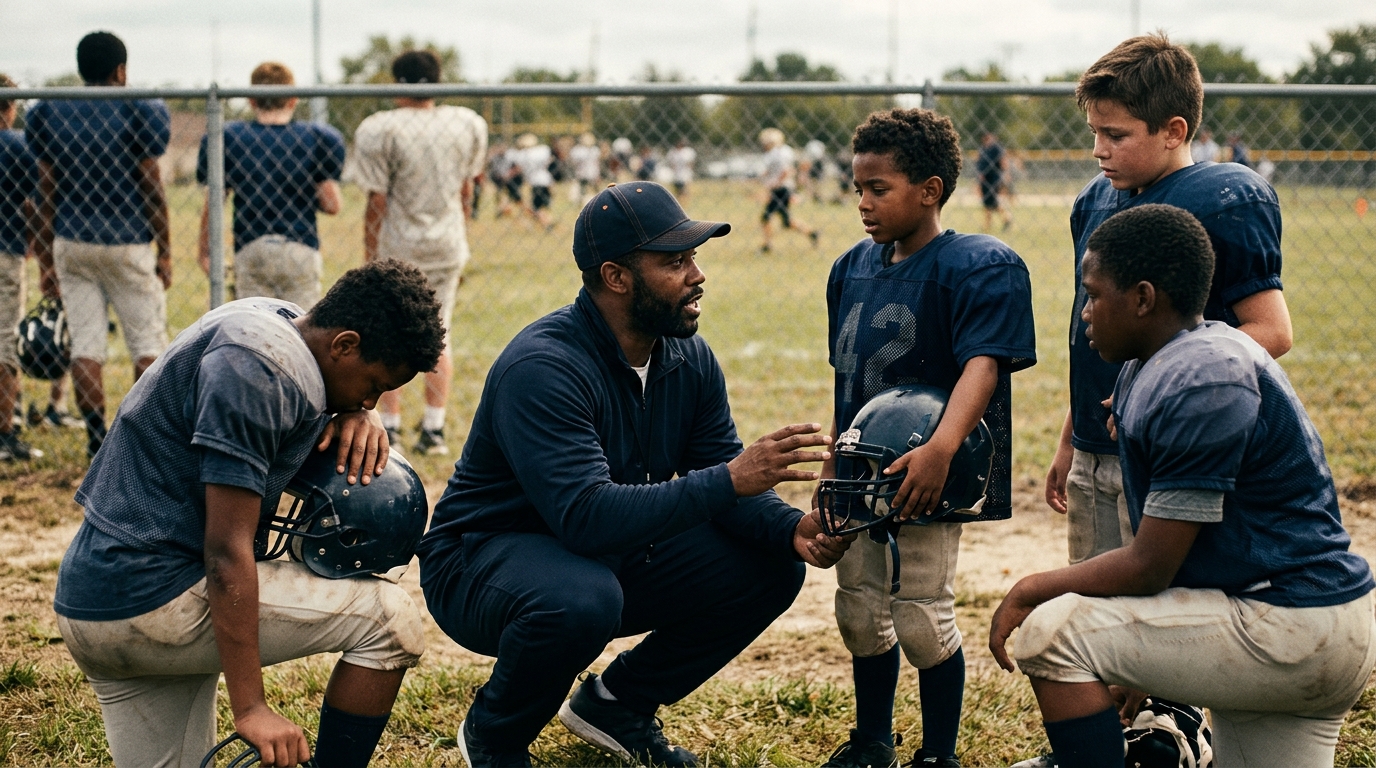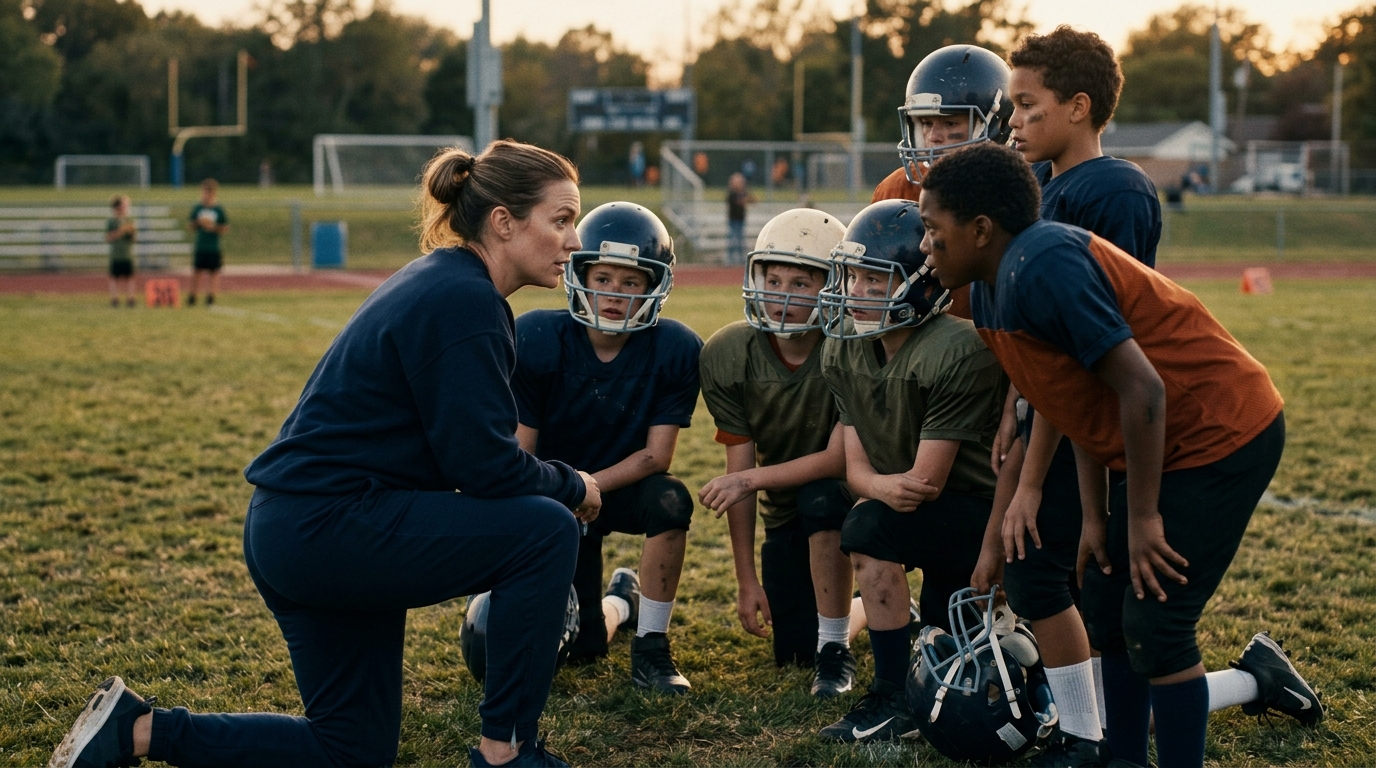

Coaching kids is never just about the rules, the drills, or the scoreboard. It’s about the look on a kid’s face after they finally field a ground ball clean. It’s about the quiet player who starts calling for the pass by week three. It’s about whether they leave the field wanting to come back.
I’ve been around this long enough to know the best youth coaches are rarely the ones with the fanciest speech or the deepest playbook. They’re the ones who can teach, steady the chaos, and make kids feel safe enough to try. Former pros who move into youth coaching usually figure that out fast: the game matters, but the kid matters more.
If you’re coaching T-ball, soccer, basketball, or anything in between, you do not need to know everything. You need a little calm, a little structure, and the right priorities.
Why Youth Coaching Matters So Much
Youth sports can build confidence, resilience, teamwork, and real friendships. But none of that happens automatically. A lot depends on the adult holding the whistle.
I’ve seen one coach turn a nervous first-year player into a kid who can’t wait for practice. I’ve also seen a coach suck the air out of a team by correcting every mistake like the season depended on it. Kids remember that stuff. They may forget the final score by dinner, but they remember who made them feel capable and who made them feel small.
They won’t remember every win, but they’ll remember your tone.
Top Coaching Tips Former Pros Keep Coming Back To
1. Keep Practice Fun and Focused
Any former high-level player who’s coached little kids will tell you the same thing: if practice drags, you lose them. Fast. You can see it happening in real time. Eyes wander. Gloves hit the grass. Someone starts spinning in center field.
The best youth practices have pace. They feel organized, but not stiff. They teach skills without feeling like school detention.
- Mix up drills so kids are moving, competing, and laughing while they learn.
- Use small games to teach the skill instead of explaining it for five straight minutes.
- Let them play. Watch first, then step in with one correction that actually matters.
That “don’t over-coach” piece matters. I’ve watched good intentions turn into nonstop talking. Most kids don’t need a lecture in the middle of a drill. They need a rep, a reset, and another chance.
If it’s not fun, they won’t stay long enough to improve.
2. Build Confidence, Not Pressure
Kids already feel pressure. They feel it when they strike out, miss the net, drop the pass, or glance at the sideline after a mistake. They do not need adults piling on top of that.
Former pros tend to learn this the hard way because what worked for grown athletes does not work the same way for eight-year-olds. Kids grow faster when they feel supported, not judged.
- Celebrate effort, hustle, and bravery, not just results.
- Treat mistakes like information, not character flaws.
- Use simple positive feedback. A quick “good try,” “love that decision,” or a high-five goes a long way.
I’ve seen a kid make three errors in an inning, then settle down because the coach stayed steady instead of dramatic. I’ve also seen one eye roll from an adult shut a kid down for the rest of the game.
Your job is not to squeeze performance out of them. Your job is to create conditions where confidence can grow.
Correct the play without crushing the player.
3. Set Clear Expectations and Keep It Simple
One of the biggest misses in youth coaching is giving kids too much at once. Long explanations. Three skills in one sentence. Corrections stacked on corrections. That’s not teaching. That’s noise.
Good coaches, including former pros who’ve learned to adjust, keep the message short and repeatable. One or two priorities per practice is plenty.
- Start with a quick huddle and tell them exactly what today is about.
- Keep instructions short enough that they can remember them when the ball is live.
- Show them more than you tell them. A demo beats a speech almost every time.
On the sideline, this looks simple: “Today we’re working on ready position and talking to each other.” That’s enough. Kids don’t need a clinic. They need clarity.
When in doubt, say less and demo more.
4. Teach Teamwork Before Spotlight
Youth sports are full of moments where one kid wants to do it all alone. Sometimes that’s confidence. Sometimes it’s panic. Sometimes they just haven’t learned yet that a good play often starts with the pass, the screen, the backup, or the teammate who hustled into position.
One of the best things a coach can do is point out the parts of the play that never make the highlight reel. The extra pass. The kid who covered first. The player on the bench who cheered after striking out last inning.
- Praise the assist, not just the goal.
- Encourage passing, sharing, and helping instead of hero ball.
- Rotate positions when it makes sense so every kid learns and contributes.
I’ve seen teams change when coaches start naming the invisible work. Kids begin noticing each other. They clap for the hustle play. They start caring who helped, not just who scored.
Small traditions help too. Weekly teammate awards, player shout-outs, or ending practice with each kid recognizing someone else can build real connection fast.
Team culture is built in the little acknowledgments.
5. Be the Example They Copy
Kids are always watching. They watch how you handle a bad call, how you talk to the other coach, how you respond when your team melts down for five straight minutes. You are not only teaching the sport. You are modeling adulthood under pressure.
I’ve coached long enough to know players pick up your habits quicker than your instructions. If you bark at refs, they learn blame. If you stay composed, they learn composure. If you own your mistakes, they learn that mistakes are survivable.
- Stay calm when the game gets messy.
- Show respect to players, officials, and opponents.
- Apologize when you get something wrong.
That last one matters more than coaches think. A simple “I missed that” or “I should’ve handled that better” builds trust in a hurry.
Sportsmanship is not a speech. It’s the adult behavior kids see up close.
If You’re Coaching for the First Time
If you feel nervous, good. That usually means you care. Plenty of strong coaches started as parents who got handed a clipboard and a bag of balls.
From the bench, here’s what matters most: kids do not need a perfect coach. They need a dependable one. A coach who shows up prepared enough, keeps things moving, and makes the environment steady.
- You do not need to know everything to be helpful.
- Keep the goals basic: fun, effort, teamwork, growth.
- Ask questions and borrow good ideas from coaches who’ve done it before.
Some of the best youth coaches I’ve known were learners first. They watched, adjusted, and got better because they paid attention to what the kids in front of them actually needed.
Confidence as a coach usually comes after reps, not before them.
Coaching Is Bigger Than the Season
At the youth level, the real win is not producing the next pro. It’s helping kids become more confident, more resilient, and better teammates. It’s giving them a place where effort counts, mistakes are part of learning, and everybody has value.
That’s the job. Help them feel seen. Help them feel capable. Help them want to come back.
If you can do that, you’re doing more right than you think.