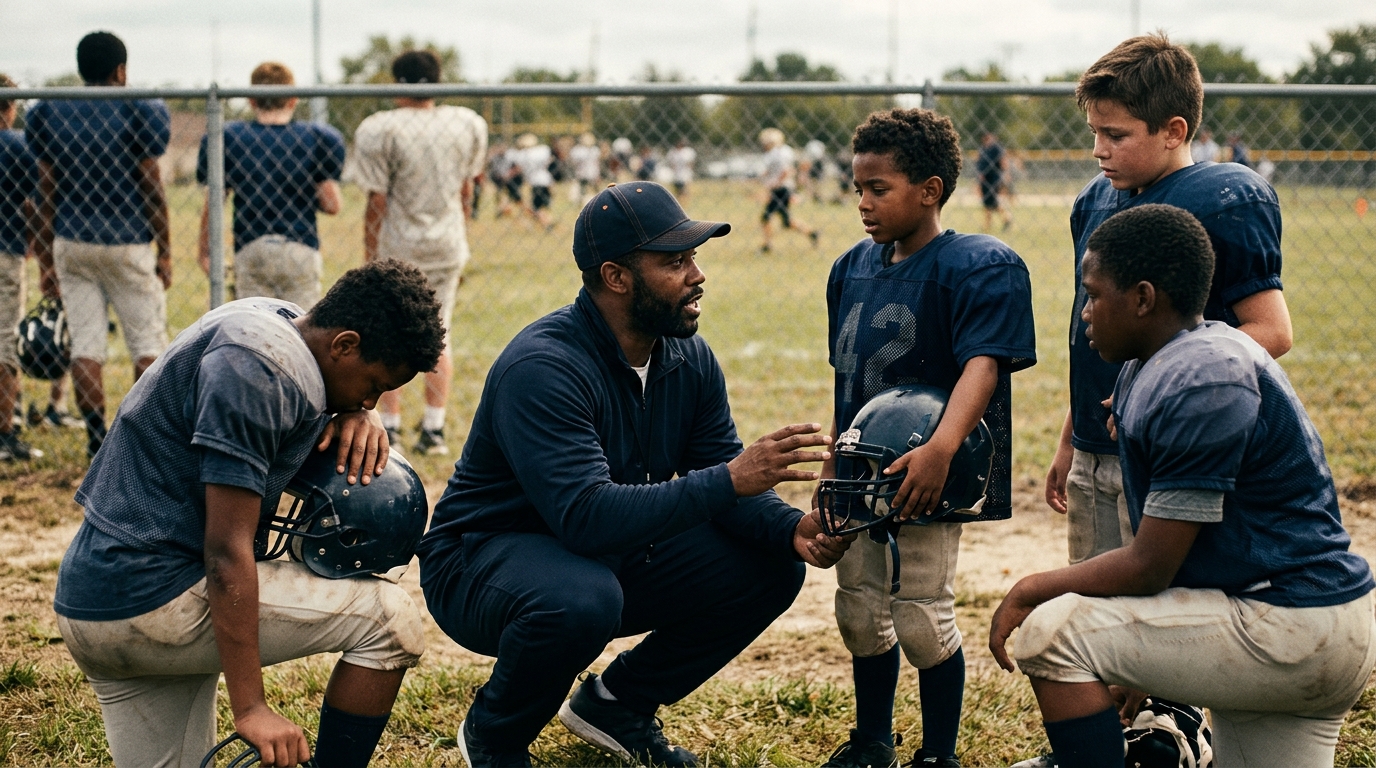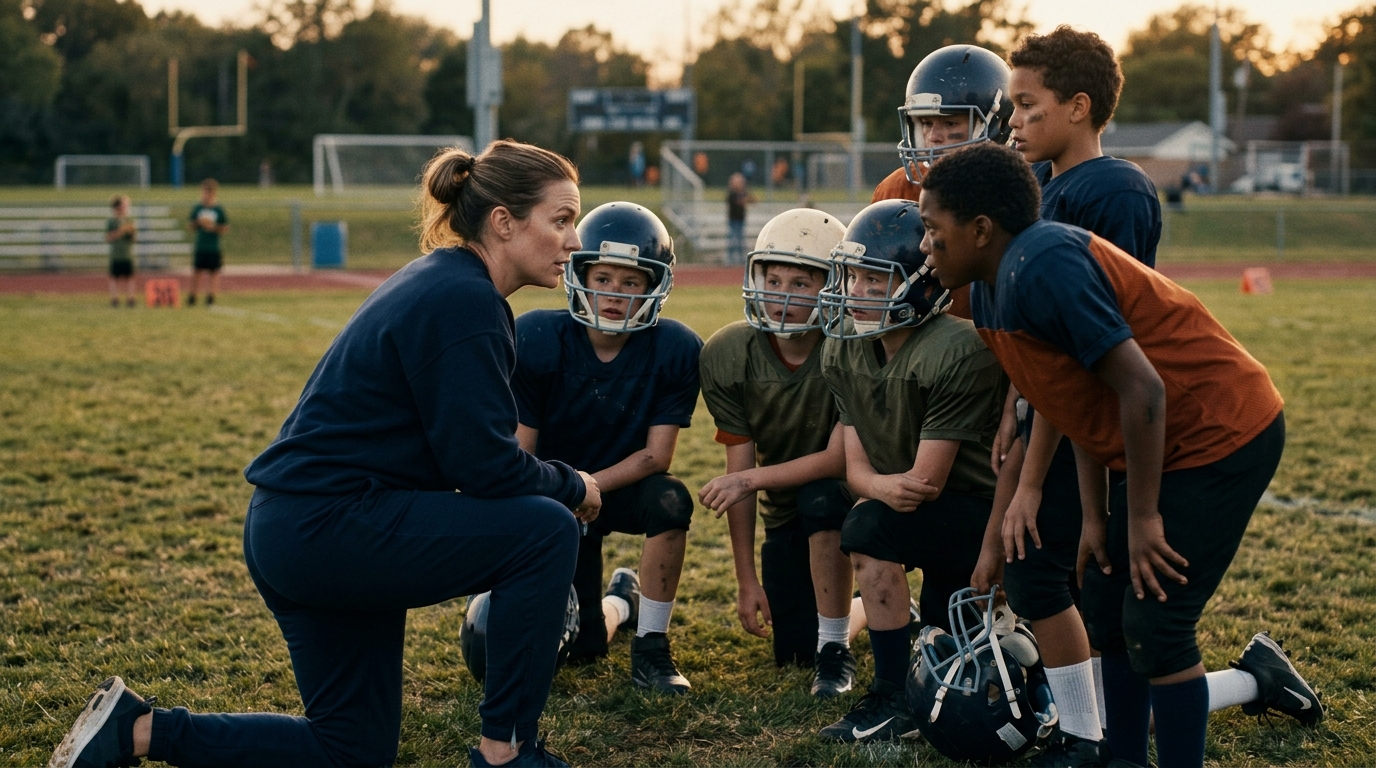

Thinking about coaching your child’s team? On paper, it sounds like a win. More time with your kid. A better view of the season. A chance to help when the league needs someone to step in.
And sometimes it is a win. Until it’s the night before practice and you still don’t have a plan. Two parents are texting about snacks. One family wants to know the game time again. Your kid is in the kitchen asking if they have to do extra running because they’re “the coach’s kid.” That’s usually when it hits you: blowing the whistle is the easy part.
I’ve spent a lot of years around youth-sports benches, first as a player, then as a coach, and this part stays true: coaching your own child can be one of the best seats in sports. It can also pull on your patience, your schedule, and your ability to know when you’re being Mom or Dad and when you’re being Coach.
Before you say yes, it helps to know what you’re actually signing up for.
Start With Your Why
I’ve been around enough teams to know your reason for coaching shows up fast. Usually by the third week.
If you’re doing it to be close to your kid, that’s real. If you’re doing it because the league needed an adult and nobody else stepped forward, that counts too. If your reason is simple—these kids deserve somebody steady—that’s a strong enough reason to start.
You do not need a perfect answer. You do need an honest one. When the season gets messy, your “why” is what keeps you from getting pulled around by every bad practice, every awkward parent text, and every tough ride home.
Micro Thought: If you don’t know why you’re coaching, every hard moment feels bigger than it is.
Be Honest About the Time
Most first-time coaches misjudge this part. They picture the hour on the field. They don’t picture the planning before it, the cleanup after it, the last-minute weather call, the equipment bag, the lineup questions, or the messages waiting on their phone after dinner.
In real life, it usually looks more like this:
- Practice each week: Not just running it, but planning it well enough that kids stay moving.
- Games on weekends: Plus travel, early arrival, setup, and the lingering conversations after.
- Parent communication: Reminders, updates, questions, schedule changes, and all the little things that somehow land with the coach.
I’ve watched good adults volunteer with great intentions and no real bandwidth. That’s when practice gets sloppy, communication gets spotty, and the whole thing starts to feel heavier than it should. Kids pick up on that. Parents do too. But the coach feels it first.
If you have the time, great. If you don’t, it’s better to know that now than halfway through the season when everybody is already depending on you.
Coaching Your Own Kid Is the Hard Part
This is the piece people understand in theory and then get surprised by in real life.
Your child might want your attention one minute and want you to act like they barely know you the next. I’ve seen coach’s kids hustle too hard, clown around too much, shut down after one correction, or melt down over something small because the pressure feels different when Coach is also driving them home.
That doesn’t mean your child is difficult. It means the role is complicated.
I’ve coached long enough to know kids can handle tough coaching when they know where they stand. What wears them out is not knowing which version of you they’re getting that day.
- Separate roles: At home, be their parent. At practice, be Coach.
- Don’t overcorrect: Your child does not need extra praise or extra criticism to prove you’re fair.
- Check in often: Ask how it feels to have you coaching, then listen without defending yourself.
If things feel tense at home, don’t wave it off. Reset early. A short conversation in week two is a lot easier than trying to repair a whole season’s worth of strain in week eight.
Micro Thought: The player most coaches struggle hardest to coach fairly is their own.
You’re Coaching More Than Kids
A youth team is never just a team. It’s 10 or 12 kids, plus every parent on the sideline, plus every family habit and leftover opinion from seasons before yours.
You do not need to be perfect. You do need to be steady.
I’ve seen coaches lose a group not because they lacked sport knowledge, but because they were all over the place. Strict one day, loose the next. Quick reply for one parent, silence for another. One standard for one player, a different standard for everybody else. Kids notice inconsistency fast. Parents do too.
The coaches who calm a team down usually do a few simple things well:
- They’re consistent: Same expectations, same tone, same standards for everybody.
- They’re organized: Practice has a plan. Game day has a rhythm.
- They’re approachable: Players and parents know when and how to talk to them.
You don’t need a big leadership speech. You need a clear tone. Early on, families are deciding whether this season feels steady or stressful. Your habits answer that question before your words do.
Playing Time Will Test You
This is where coaching your own child gets delicate in a hurry.
If your kid plays too much, people will notice. If you sit them harder than everybody else just to prove you’re not playing favorites, your child will notice. Either way, somebody feels it.
I’ve had playing-time conversations that were really three weeks of frustration finally coming out. I’ve also seen kids handle tough decisions just fine when the expectations were clear from the start. That’s the difference.
Do not wait until someone is upset to explain how decisions are made.
- Set the standard early: Tell families your playing-time approach before it turns into a problem.
- Be transparent: Effort, attitude, attendance, and readiness should matter, not just talent.
- Reward growth: Improvement, coachability, and teamwork should count for something.
When kids understand the point is learning, not just ranking, your job gets cleaner. Not easy. Cleaner.
Micro Thought: Fair does not always mean equal. It does mean clear.
You Don’t Need to Know Everything
A lot of new coaches think they have to sound like experts right away. They don’t.
After years in gyms, fields, and dugouts, I’d take a coach who is prepared, teachable, and calm over a coach who has a complicated system and no feel for kids. Young players do not need a strategy lecture. They need someone who can keep them safe, keep them engaged, and help them get a little better each week.
Some of the best volunteer coaches I’ve seen were comfortable saying, “I’m learning too.” That honesty goes a long way when it’s paired with effort.
- Ask for help: A good assistant or organized parent can take real weight off your shoulders.
- Use simple resources: Good drills and age-appropriate ideas are out there.
- Keep it simple: With young players especially, simple beats clever almost every time.
Real bench credibility in youth sports does not come from acting like you know it all. It comes from being dependable, prepared, and willing to improve.
Don’t Lose the Fun
This sounds obvious right up until standings come out, close games pile up, and adults start acting like everybody’s weekend depends on the result.
From the sideline, you can tell which teams are actually enjoying themselves. They bounce back faster after mistakes. They listen better. They come back the next week ready to go again.
Your job is not just to teach the sport. It’s to build a setting where kids want to keep learning it.
That means energy. Safety. Encouragement. A little laughter. Practices that keep kids moving instead of waiting in lines. A tone that tells them mistakes are part of how this works.
Micro Thought: If the kids aren’t having fun, the adults have probably made it too serious.
Say Yes With Clear Eyes
Coaching your child’s team can be deeply rewarding. You get moments most parents never see this closely: the nervous face before the game starts, the look after they finally get something right, the way a whole group grows when one adult shows up ready and steady.
But the role asks something from you too. Time. Fairness. Self-awareness. Patience. The discipline to lead your child without making the season revolve around your child.
If you’re ready for that, coaching can be one of the best things you do in youth sports.
If you’re still deciding, that’s fine. A thoughtful yes beats a rushed one every time.
Your impact won’t be measured only by wins and losses. It will show up in how kids feel walking back to the car, whether they want to come back next season, and what they learn from the way you lead.