
What a Little League Star Can Teach Us About Youth Sports Today
Most people remember Todd Frazier as the kid who lit up the Little League World Series and homered in the 1998 championship game. A lot of adults saw that and probably thought, well, there’s the next big thing. Now, years later, Frazier’s message is a lot more useful than the highlight.
He’s telling parents, coaches, and kids to keep youth sports fun, simple, and age-appropriate.
That lands because he’s lived both ends of it. He was the famous 12-year-old. He also did the long climb after that. So when he says middle school sports are not about trophies, rankings, scouts, or projecting a kid’s whole future, it’s worth listening.
Early attention is loud. Long-term development is quiet.
What should matter at that age is skill-building, confidence, habits, and whether the kid actually likes showing up.
Why Early Success Doesn’t Predict Future Stardom
If you’ve been around youth fields long enough, you’ve seen it: one kid is bigger, earlier, stronger, and suddenly the adults start talking like the path is already set. Todd Frazier cuts right through that.
“You’re not getting scouted at 12 years old.” — Todd Frazier
That’s not cynical. That’s honest.
I’ve coached enough kids to know the youth sports pecking order changes fast. The kid who dominates at 11 can level off. The quiet kid in the outfield can grow, mature, and become the better high school player later. Some kids peak early. Some build late. Some just stay in it longer because they never got crushed by the process.
So instead of treating youth sports like an audition, build the base:
- Teach the fundamentals: throwing, catching, hitting, moving, and understanding the game.
- Build habits: being on time, paying attention, respecting teammates, handling coaching.
- Value consistency: improvement usually looks boring before it looks impressive.
Being ahead at 12 is not the same as being built for 17.
Kids who get grounded in fundamentals and healthy habits usually have a better chance to keep growing without burning out.
Let Kids Be Kids: Making Sports Fun Again
You can feel the difference between a team that plays tense and a team that plays free. One dugout is quiet after every strikeout, kids looking toward the fence to see how adults react. The other still competes hard, but there’s looseness to it. Talking. Energy. Kids wanting another inning.
That’s the version of sports Frazier is pointing back to. Backyard games. Wiffle ball. Playing because it’s fun first.
The pressure has gotten too heavy in a lot of places. Too many kids are carrying adult expectations before they’re old enough to separate their performance from their identity.
5 Ways to Keep Sports Fun for Kids
- Give them off-days. Rest matters. So does being a kid with other interests.
- Praise effort and behavior, not just stats. Hustle, attention, resilience, and being a good teammate count.
- Leave room for mistakes. A strikeout, an error, a bad inning—that’s where learning lives.
- Encourage multiple sports. Different movement, different teammates, different challenges.
- Let the kid’s interest lead. Support passion. Don’t manufacture it.
If every game feels like a test, kids stop playing like themselves.
The Role of Parents and Coaches in Youth Sports
Adults set the temperature. Always.
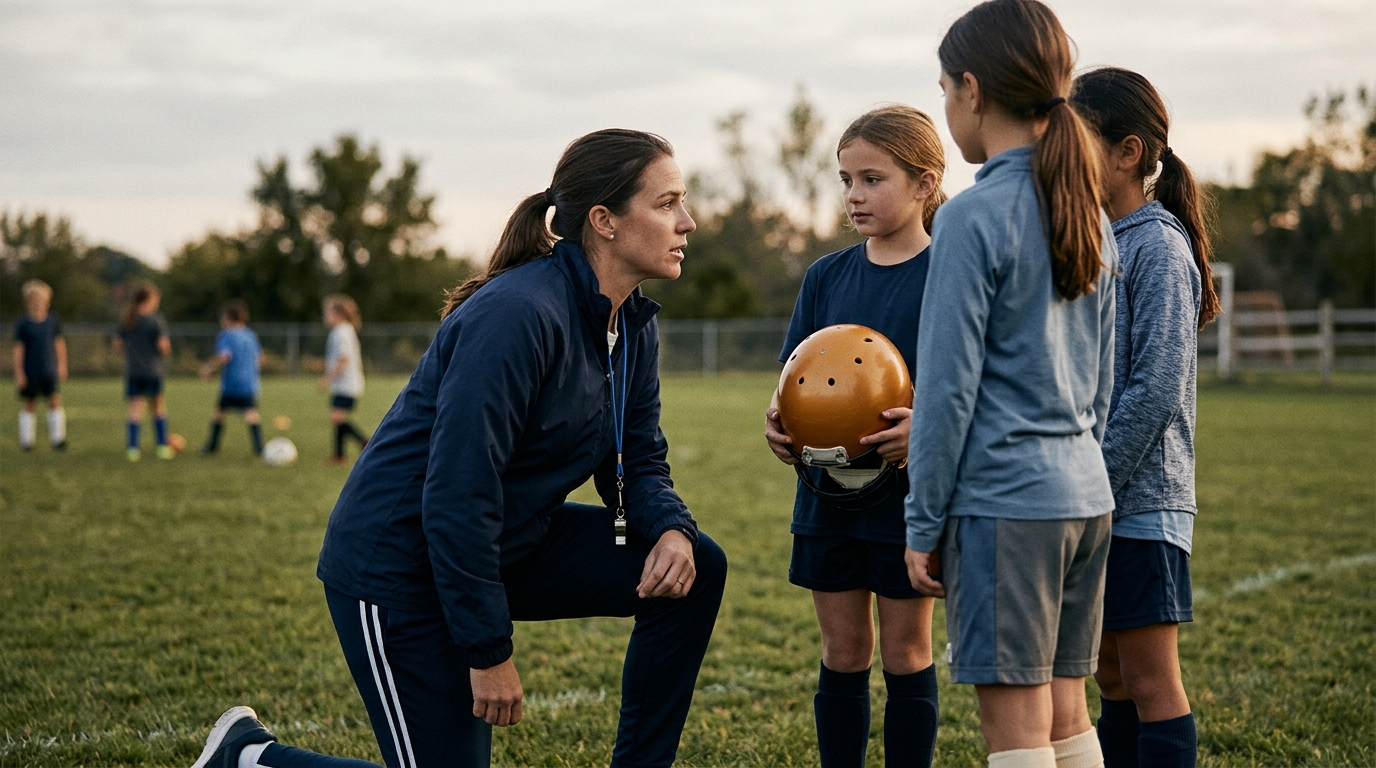
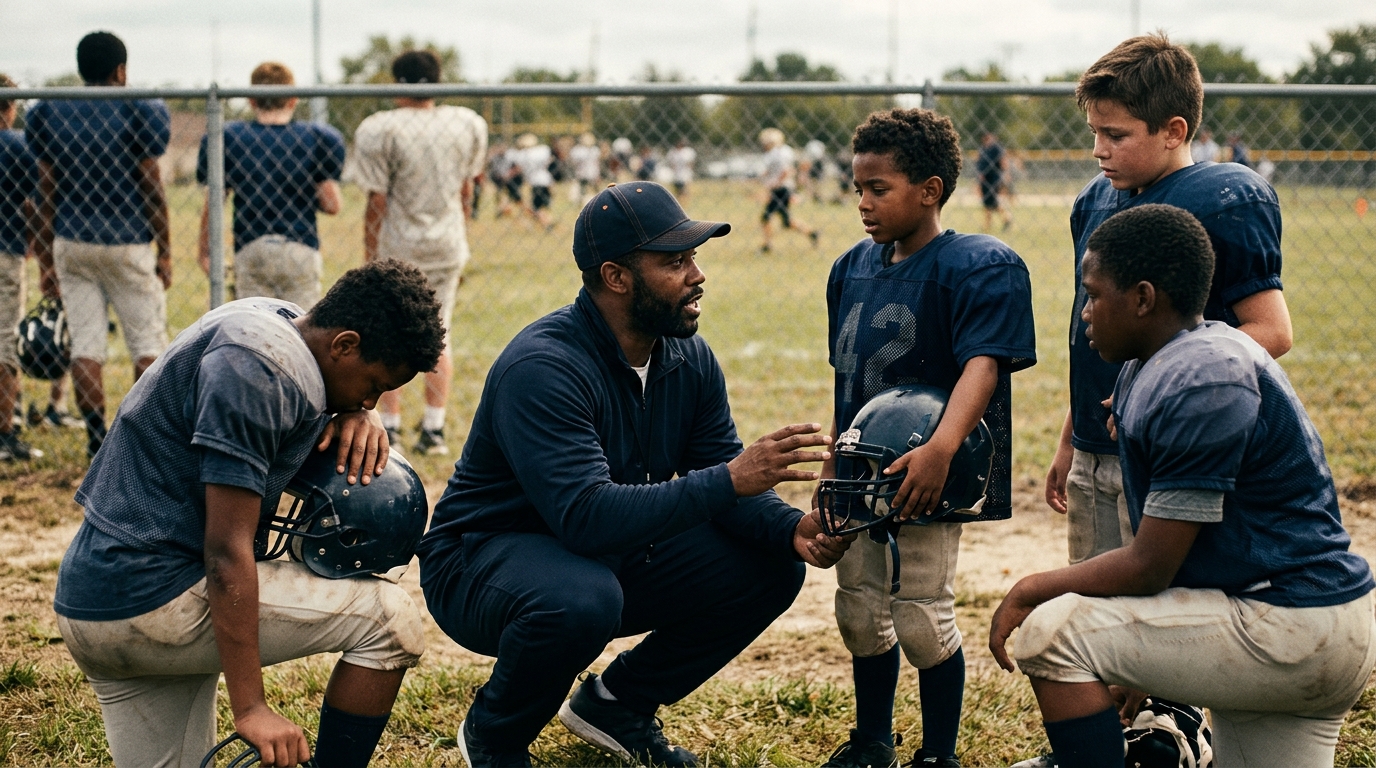
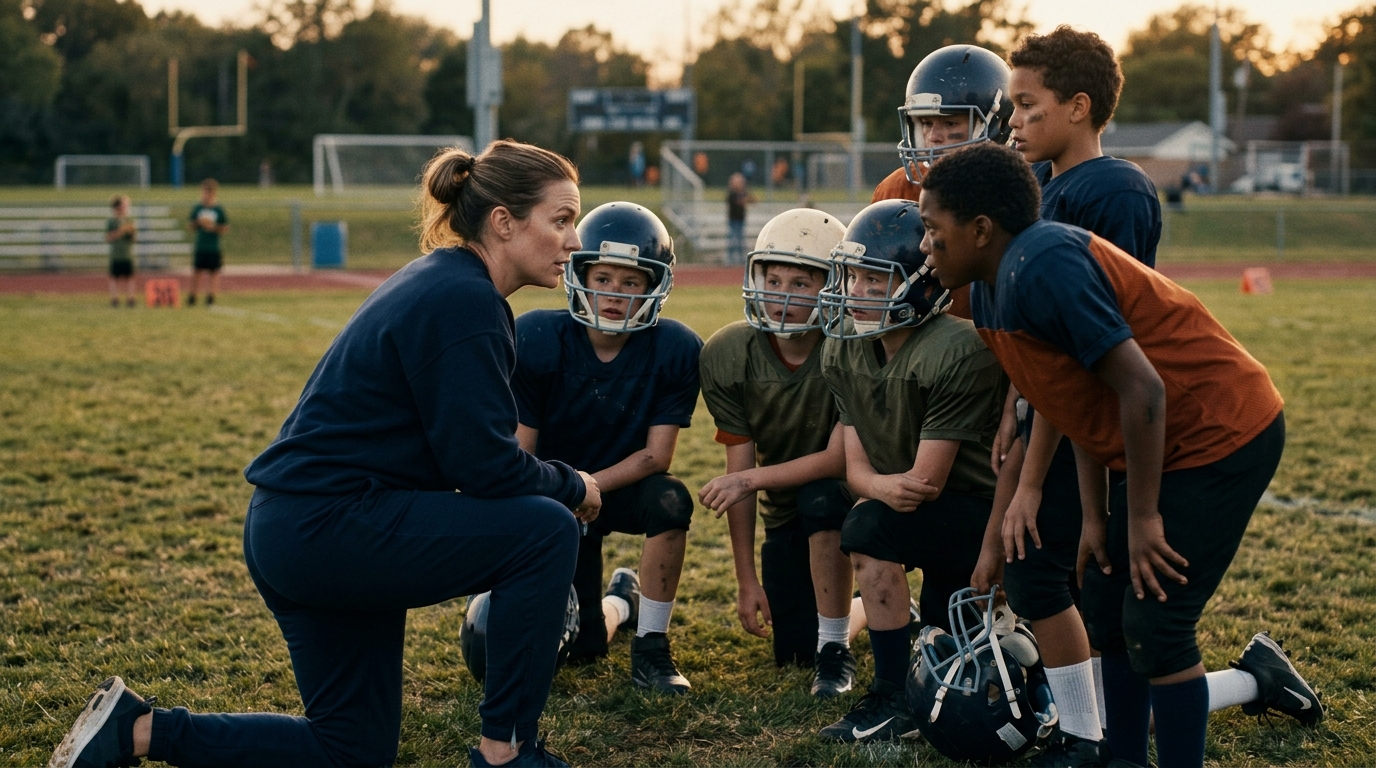
On the sideline, that shows up in little moments. The parent doing mechanical breakdowns between innings. The coach who only talks after mistakes. The car ride home that feels like a performance review. Kids feel all of it, even when the adult thinks they’re “just helping.”
Frazier’s point is simple: be positive, be realistic, and remember what this is for.
I’ve spent a lot of years around players, and one truth keeps holding up: if a kid walks away from the field feeling tense, small, or scared to mess up again, development slows down. Confidence gets replaced by caution. Joy disappears first. Quitting usually comes later.
As a Coach, Ask Yourself:
- Am I teaching, or am I just pointing out what went wrong?
- Do my players look engaged and loose, or tight and worried?
- Am I building confidence they can use next week, not just demanding better today?
As a Parent, Consider This:
- Am I putting pressure on results my child can’t fully control?
- Do I care more about their experience than my expectations?
- Have I given them space to try other sports and figure out what they enjoy?
Sports are supposed to teach resilience, teamwork, discipline, and how to handle hard things. That’s the real return. Not turning 13-year-olds into scholarship projects.
Your voice becomes their inner voice faster than you think.
Specialization Isn’t Always a Home Run
One of the biggest traps in youth sports right now is the idea that kids need to pick one sport early and stay on it year-round to have a chance. Frazier is firmly against that, and he’s got credibility to say it.
He didn’t lock into baseball at eight or nine and grind it nonstop. He played multiple sports, developed broadly, and still made it all the way to the big leagues.
That matters, because a lot of families get sold urgency way too early. More lessons. More travel. More games. More months. As if more always means better.
Usually, for young kids, it just means tired.
Benefits of Playing Multiple Sports
- Lower risk of burnout and overuse injuries
- Better overall athleticism
- A fresher, more enjoyable sports experience
- Exposure to different skills, roles, and ways of competing
I’ve seen multi-sport kids come back sharper, more coordinated, and mentally fresher than the kids who never stopped. Not every athlete needs the same path, but early specialization is not the automatic advantage people make it out to be.
More reps only help if the kid still has something left in the tank.
Your Child’s Journey Is a Marathon, Not a Sprint
It’s easy to get pulled into rankings, tournament results, and who made what team. Adults love measuring things. Kids just want to play well, belong, and enjoy it.
Frazier’s reminder is the right one: the early years are not about cashing in. They’re about building something that lasts.
The best older players usually are not just the ones who were best at 10. They’re often the ones who stayed healthy, kept improving, handled setbacks, and still loved the game when it got harder and more competitive.
So What Can We Learn from Todd Frazier?
- Don’t overproject. Let kids develop on their own timeline.
- Protect the fun. Kids who enjoy it usually stay with it longer.
- Be realistic. There are no college coaches lurking at tee-ball.
- Support multi-sport play. It helps development and cuts down burnout.
- Use your words well. Parents and coaches shape the whole experience.
The most important stat is whether they want to come back next season.
Final Thoughts: A Better Game Starts with Us
Todd Frazier’s advice matters because it comes from someone who’s been the youth star and then done the real work after the spotlight moved on.
That’s the part adults forget. Highlights are fun. Childhood development is slower, messier, and more important.
Before the next big game, before the next postgame breakdown, before the next urge to push a little harder, ask the better question:
Am I helping this kid love the game more?
If the answer is yes, you’re doing meaningful work.
Let them play. Let them grow. Keep it fun. That’s not soft. That’s smart.