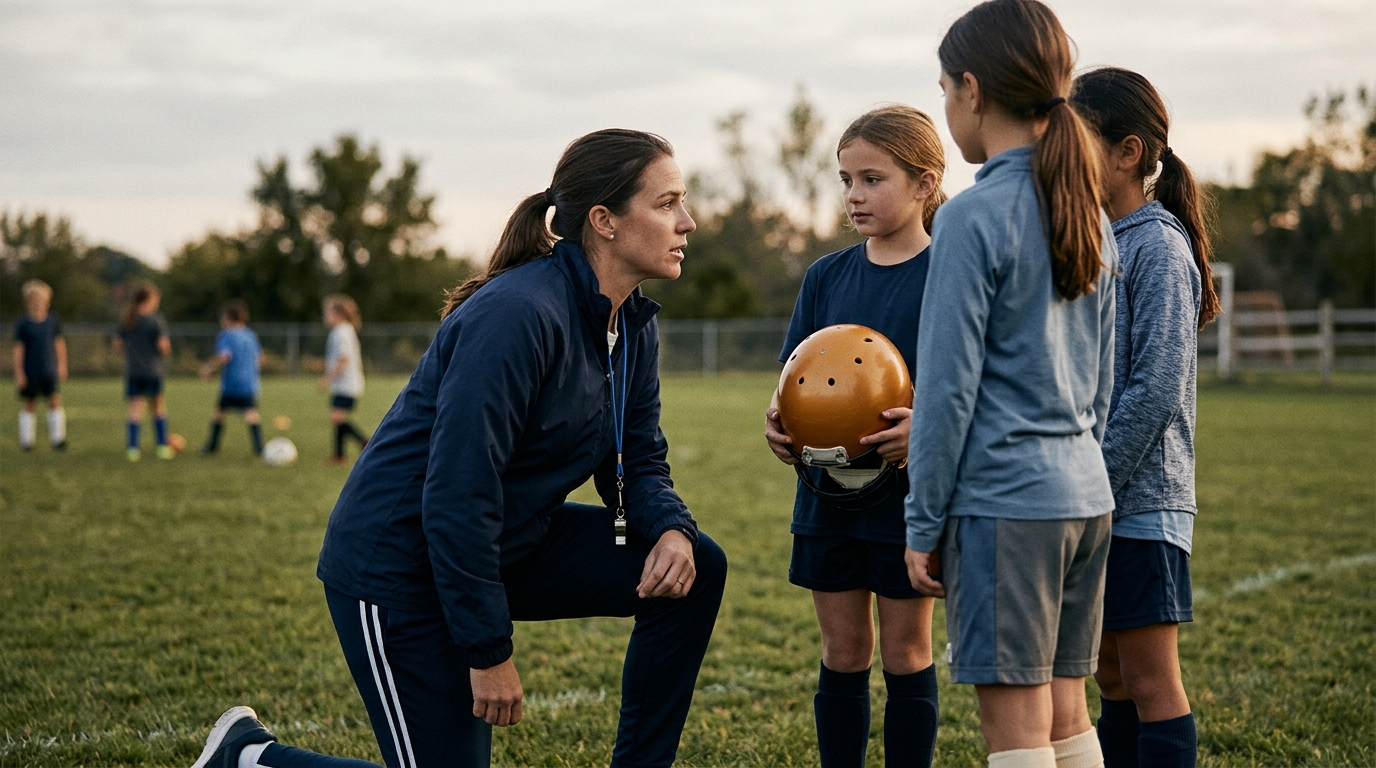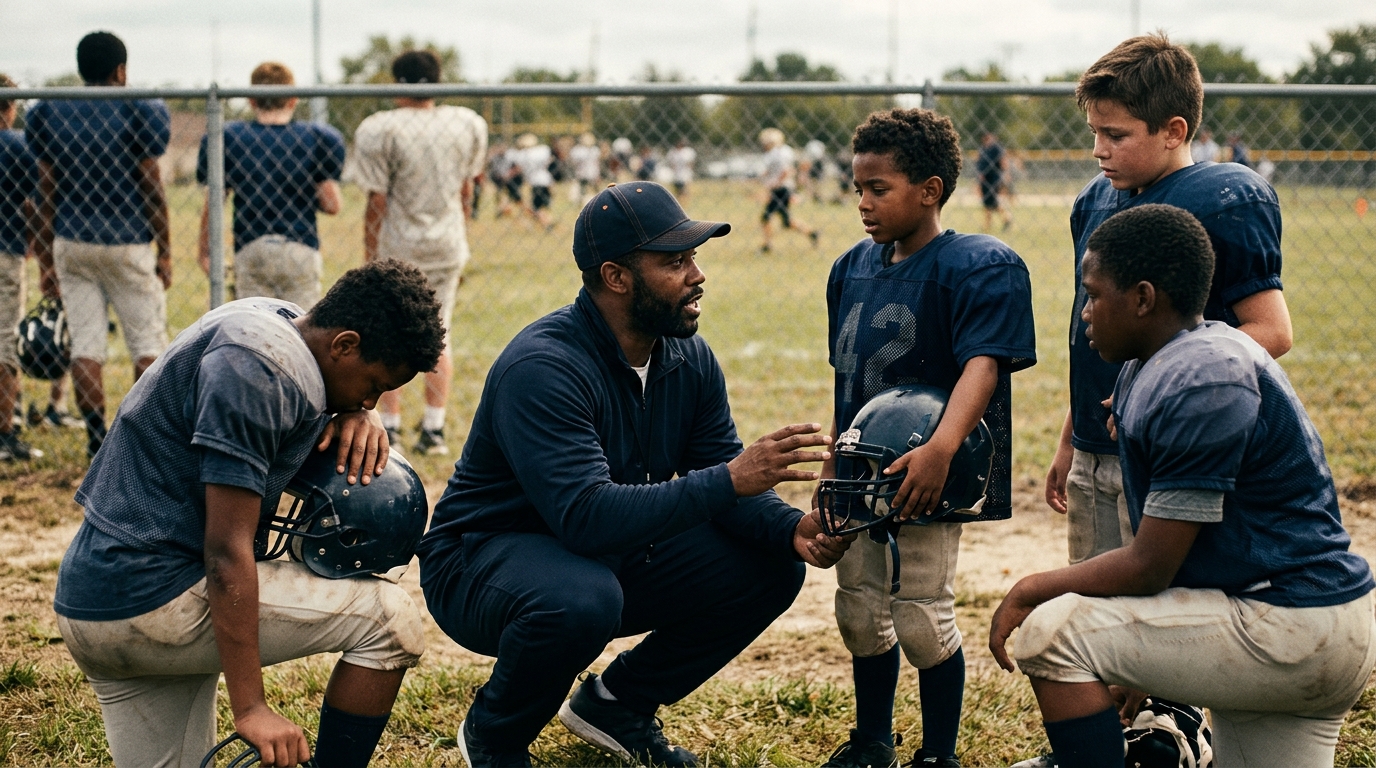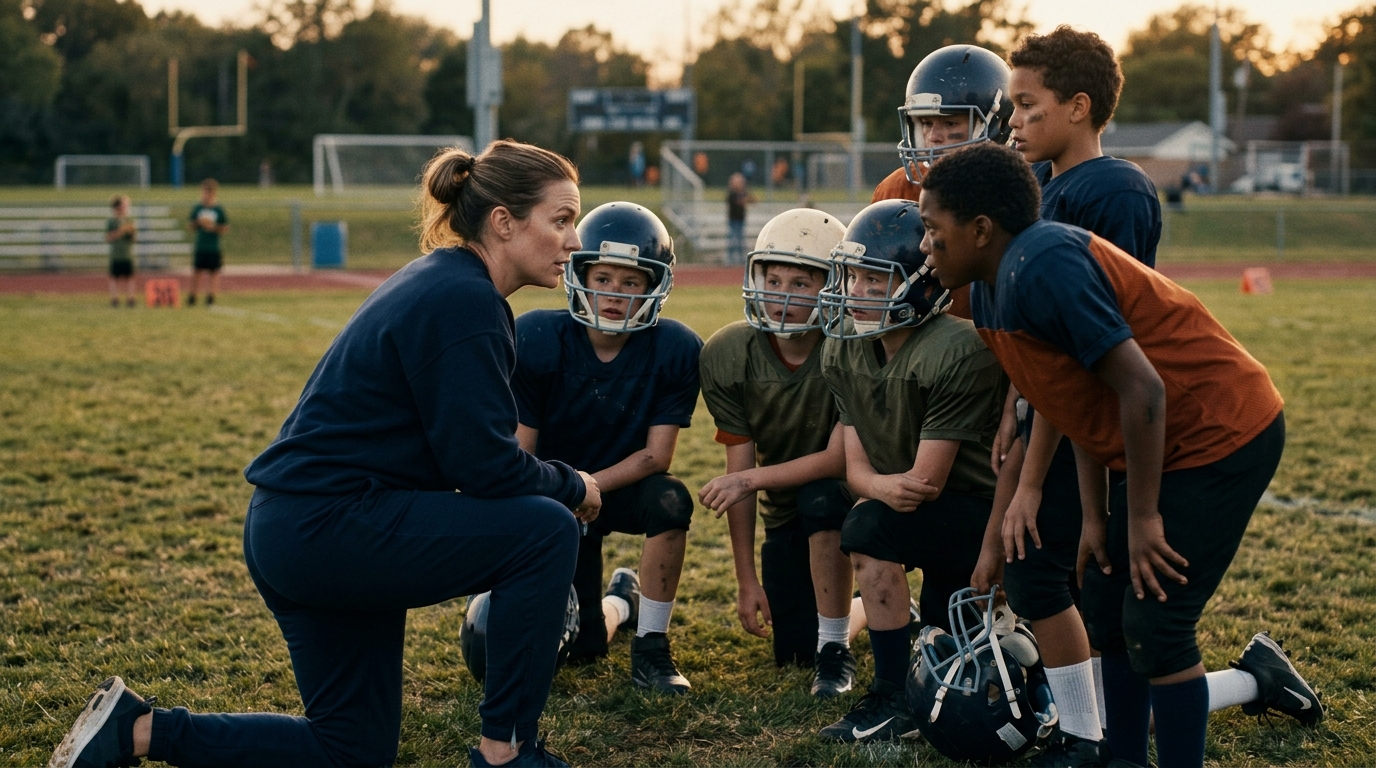

So you said yes to coaching. Or maybe you looked up and somehow already had the whistle in your hand.
That first season can feel like a lot. You’re trying to remember names, keep kids moving, answer parent questions, and act like you know exactly what comes next. Most first-time coaches think they need a giant playbook or years of experience. They don’t. What matters first is that you care, you communicate, and you make the field or gym feel like a place kids want to come back to.
You do not need every rule, every tactic, or every perfect answer on day one. You need a few steady habits you can lean on when practice gets loud, game day gets messy, and one kid starts chasing butterflies in right field.
Why First-Time Coaches Matter More Than They Think
Here’s the part that sneaks up on people: for a lot of kids, you’re not just organizing drills. You’re shaping how they feel about sports, about being part of a team, and sometimes about themselves.
I’ve been around this long enough to know kids rarely remember the exact score from a Saturday in May. They remember the coach who believed them when they were nervous. The coach who let them make mistakes without making them feel small. The coach who only cared about winning, too. That part sticks.
You will be remembered for the environment you create.
Top Tips Every Rookie Coach Needs to Know
1. Build trust first, skills second
Before the fancy stuff, learn who your players are. Ask their names until you get them right. Notice who talks a lot and who barely says a word. One kid will sprint into every drill. Another will hang back and study the room first.
I’ve seen teams improve fast once the players knew the coach was safe. Not soft. Safe. There’s a difference. If kids trust you, they’ll try. If they try, you can coach almost anything.
Connection gets you effort you can’t demand.
2. Set clear expectations early
The teams that run smooth usually aren’t the most talented. They’re the clearest. Tell your players what matters on your team: effort, respect, listening, helping, sportsmanship. Tell them what practice behavior looks like. Tell them how you want them to handle mistakes and how you want them to treat teammates.
Same goes for parents. If you wait until there’s a problem, you waited too long.
3. Keep it positive
On the sideline, this is easy to spot. One coach only talks when something goes wrong. Another coach catches the hustle, the bravery, the unselfish pass, the kid who finally got in front of the ball instead of turning away. Which team do you think stays engaged?
Kids get corrected all day in life. Be the adult who notices what they’re doing right. That does not mean fake praise. It means real praise, used often and clearly.
“Good job” is fine. “Great job getting back on defense” is better.
4. Be organized, even if that’s not your personality
You don’t need a laminated binder. You do need a plan. A simple practice outline saves you from long water breaks, wandering lines, and five straight minutes of “Okay, everybody listen up” while kids roll around in the grass.
After enough years coaching, I can tell you this: kids can feel when practice has a pulse. Short segments. Clear flow. Not too much standing. They stay locked in when you know where you’re taking them.
5. Make sure everyone plays
Yes, everyone. Even the kid picking dandelions. Even the one still figuring out which direction to run.
At young ages, belonging matters more than the standings. If a kid never gets on the field, they don’t learn much besides where they rank in the adult’s eyes. Playing time is part of development. It’s also part of dignity.
A bench can teach patience. It should not teach a child they don’t matter.
6. Embrace mistakes, including your own
Your drill might flop. Your explanation might make no sense. You might realize halfway through that you set up cones for the wrong activity. Welcome to coaching.
And the kids? They’ll miss easy catches, forget positions, and run the wrong way with full confidence. That’s normal too.
The best coaches I know don’t act rattled by mistakes. They use them. Reset, laugh when it fits, teach, move on. When kids see that mistakes are survivable, they get braver.
7. Communicate with parents early and often
This one matters more than first-time coaches expect. Most parent tension starts in the dark. They don’t know the schedule, the expectations, the playing time approach, or how to bring up concerns.
A welcome message helps. Weekly updates help. Clear, calm communication helps most of all.
I’ve stood on enough sidelines to know parents can be your biggest support when they feel informed. They can also become sideline detectives when they don’t. Get ahead of it.
8. Be consistent with discipline
If effort matters, then it has to matter for everyone. If being late has a consequence, it has to have that consequence for everyone.
Kids notice inconsistency fast. So do parents. Fair doesn’t mean harsh. It means steady. The more predictable you are, the more trust you build.
Consistency feels like safety to kids.
9. Focus on development, not just winning
Winning is fun. Nobody needs to pretend otherwise. But in youth sports, chasing wins too early usually costs you something bigger.
I’ve seen coaches ride the same few kids, hide weaker players, and turn every game into a stress test. Sometimes they win. Long term, they usually lose players.
Your real job is to help kids grow in skill, confidence, resilience, and love for the game. When development leads, wins tend to follow in healthier ways.
10. Use simple language
If your instructions sound like a clinic talk, you’ve probably lost half the team.
Keep it short. Show it. Then let them try.
One of the quickest ways to lose a young group is to explain for too long. Their feet start shuffling. Eyes drift. Someone pokes a cone. Simpler is better.
11. Model the behavior you want
Players watch everything. How you talk to officials. How you react after a bad call. How you handle losing. How you speak about the other team on the ride home from the field.
If you want composed kids, be composed. If you want respectful kids, be respectful. If you want them to own mistakes, own yours first.
Your mood becomes part of the team culture.
12. Listen. Really listen.
Sometimes the most important moment in practice is not the drill. It’s the quiet kid who hangs back after huddle. It’s the player who says, “I don’t like that position,” or “I get nervous when the ball comes to me.”
Good coaching is not just talking. It’s noticing. It’s making room for kids to tell you who they are and what they need. Those little conversations often change more than your best practice plan.
13. Stay flexible
Half the team is absent. The field is a mud pit. The gym got double-booked. Your best drill is suddenly impossible because attention spans are gone and everybody is melting down.
That’s not coaching going wrong. That’s coaching.
Some of the best sessions I’ve ever seen were plan B. Kids take their cue from you. If you panic, they feel it. If you adjust and keep going, they usually come with you.
14. Make it fun
This gets overlooked by adults who mean well. We get serious because we care. But if the whole season feels heavy, kids stop playing free.
Fun is not fluff. Fun keeps kids engaged long enough to improve. It helps them connect. It lowers fear. It gives them a reason to come back next year.
Laughter is not the enemy of learning.
15. You do not need all the answers
Some first-time coaches think they need to sound certain about everything. You don’t. If you’re not sure, say so. Then go find out.
I trust a coach more when they’re honest than when they bluff. Kids do too. “I’m not sure—let’s check” is a strong answer. It teaches humility and curiosity, both of which belong in sports.
16. Celebrate the little wins
The first controlled dribble. The first time a player calls for the ball. The shy kid speaking in the huddle. The teammate who picks someone up after a mistake without being asked.
Those moments matter. That’s where confidence gets built. Not all progress looks like points on the board.
Small wins are usually the real wins.
Coaching Is About More Than the Game
Sports teach skills, sure. But good coaching reaches further than technique. Kids learn how to respond to pressure, how to treat people, how to recover after embarrassment, how to be part of something bigger than themselves.
I’ve coached long enough to know you will not get everything right this season. No one does. You’ll have practices you want back. You’ll miss things. You’ll learn on the fly.
What matters is that you keep showing up with heart, patience, and a willingness to get a little better each week. That’s enough to make a real difference.
Whistle, clipboard, nervous energy, all of it. You’re more ready than you think.
Quick Checklist for First-Time Coaches
- Lead with positivity, not perfection
- Build trust with players and clear communication with parents
- Keep practices moving and age-appropriate
- Reward growth, effort, and courage, not just results
- Remember why you said yes: kids need adults who care
Whether you’re coaching soccer, basketball, softball, or something else entirely, these habits travel well. Simple works. Clear works. Caring works.
And for a first-time coach, that’s a pretty strong place to start.