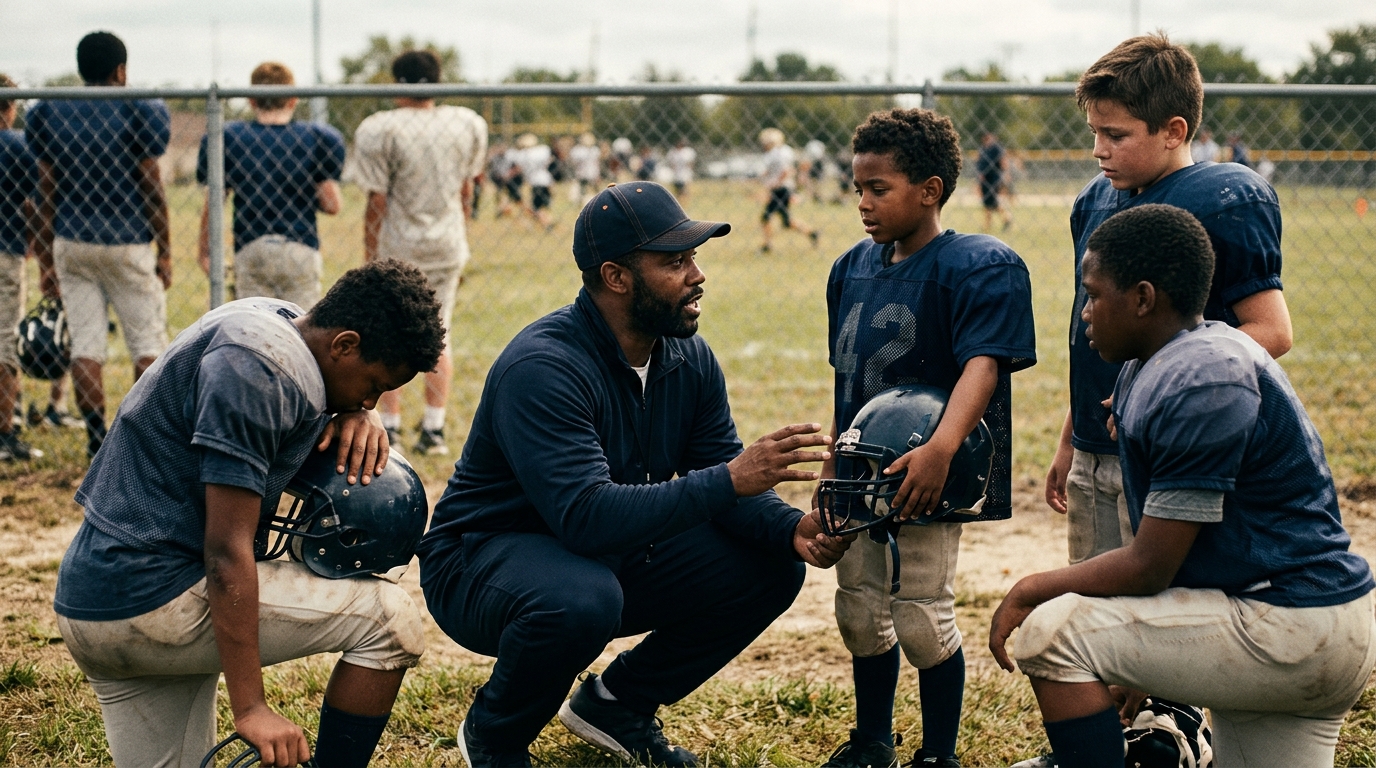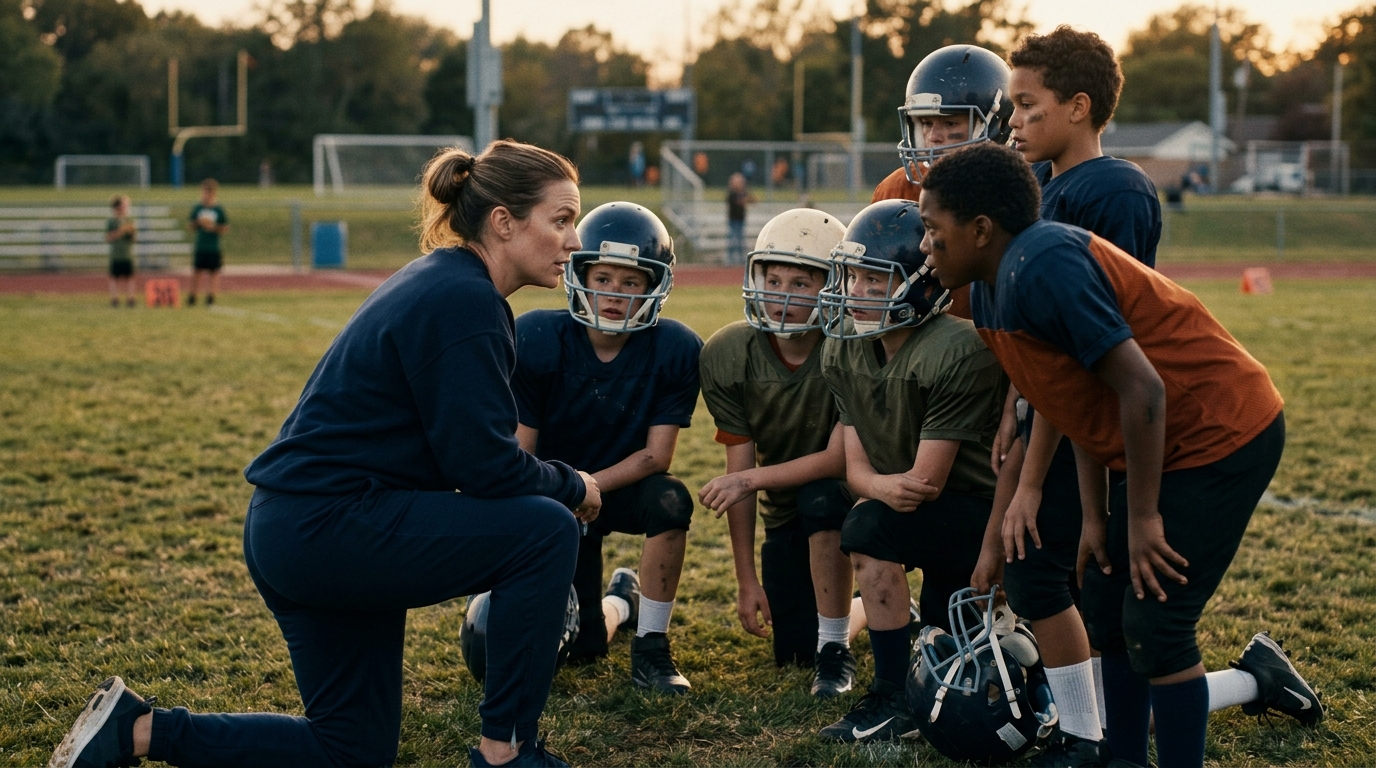

It was 7:42, getting dark, and I could feel practice slipping. One kid was dragging a ball with his toe instead of dribbling. Two more were fake-wrestling near the sideline. A parent had that look from the parking lot—the one that says, please tell me we’re almost done. I had one more drill on the plan, something I thought we still needed. Then I looked at the group and knew the truth: if I forced that last block, I’d lose the whole ending.
So we skipped it.
We went straight into a short competitive game the kids loved, finished with a quick team challenge, and sent them out laughing instead of limping. Next practice, they came back with better juice than they had the day before.
That’s not soft coaching. That’s knowing what the end of practice is for.
Too many coaches treat the final 10 minutes like leftover space. If there’s time, maybe you scrimmage. Maybe you condition. Maybe you squeeze in the thing you forgot. What actually happens is the end gets sloppy, your voice gets sharper, and the kids leave wearing the worst part of practice home with them.
That matters more than coaches like to admit.
The end of practice is what sticks
I’ve coached long enough to know kids rarely replay your best explanation on the ride home. They remember whether practice felt organized, whether they got buried in line drills, whether the coach seemed annoyed, and what the last few minutes felt like in their body.
If the ending feels chaotic, overlong, or punishing, that’s the memory that wins.
If the ending feels sharp, competitive, and connected, that’s what they carry into the next practice.
Kids don’t always come back because practice was perfect. They come back because it felt worth coming back to.
Build the ending on purpose
I like coaches to think of practice in reverse. Don’t just plan the first drill and hope the rest behaves. Decide how you want players to leave, then build backward from there.
For most youth teams, the best ending has three jobs:
- Let kids play, not just perform drills
- Give them one clear success to leave with
- Bring the emotional temperature down without draining the energy
That usually means your final block should be simple, familiar, and alive. Not your longest speech. Not the messiest install. Not punishment because focus dipped in the middle.
When coaches use the end of practice to “send a message,” the message usually lands like this: when things get rough, practice gets miserable. That’s not a team culture lesson. That’s just a bad closing act.
What I use instead
A strong ending does not have to be fancy. Mine usually looks like this:
- 5-8 minutes of a game-based competition tied to something we worked on earlier
- 1 quick review point—not five, not a lecture
- 30 seconds of what’s next so kids leave knowing the plan
That competition piece is important. Kids need a chance to apply something with freedom. If practice has been all correction and no play, they leave feeling managed instead of coached.
And keep the review tight. This is where a lot of coaches lose the room. The kids are tired. The parents are visible. Equipment is half-packed already. If you start giving a four-minute summary, nobody hears your best point.
One point. One reminder. Done.
Don’t save conditioning for the emotional last word
Here’s a mistake I made early: using conditioning at the very end because it was easy to control. Need to tighten the group? Run. Need to make a point about effort? Run. Feel like practice lacked edge? Run.
Sometimes conditioning belongs in practice. I’m not allergic to hard work. But if the last thing kids experience is a punishment vibe, don’t be shocked when effort gets weird and attendance gets flaky.
There’s a difference between demanding and draining.
Hard practices can still end well. In fact, they should. A hard session followed by a short, competitive finish tells players, we worked, and now we get to use it. That lands a lot better than, we worked, and now everybody pay for the weakest five minutes.
Read the group, not just the plan
This is where coaching becomes coaching. Some days the team needs one more rep block. Some days they’re cooked, distracted, or one correction away from checking out. The plan matters, but the group in front of you matters more.
I’ve ended practice early by six minutes and gotten more out of the next session because of it. I’ve also cut a decent drill because I knew a great ending would do more for team buy-in than another round of technical cleanup.
That’s not wasting time. That’s protecting momentum.
The best practice plan in the world still has to survive actual kids on an actual field on an actual Tuesday.
A better question to ask before practice ends
Instead of asking, Can we fit one more thing in?, ask this:
What do I want this team feeling as they walk to the car?
Not hyped every time. Not coddled. Just clear, connected, and glad they came.
Because if you win the ending, you usually win something bigger than that day’s practice. You win tomorrow’s attention. You win next week’s energy. You win a little more trust.
And in youth sports, trust keeps more kids in the game than one extra drill ever will.