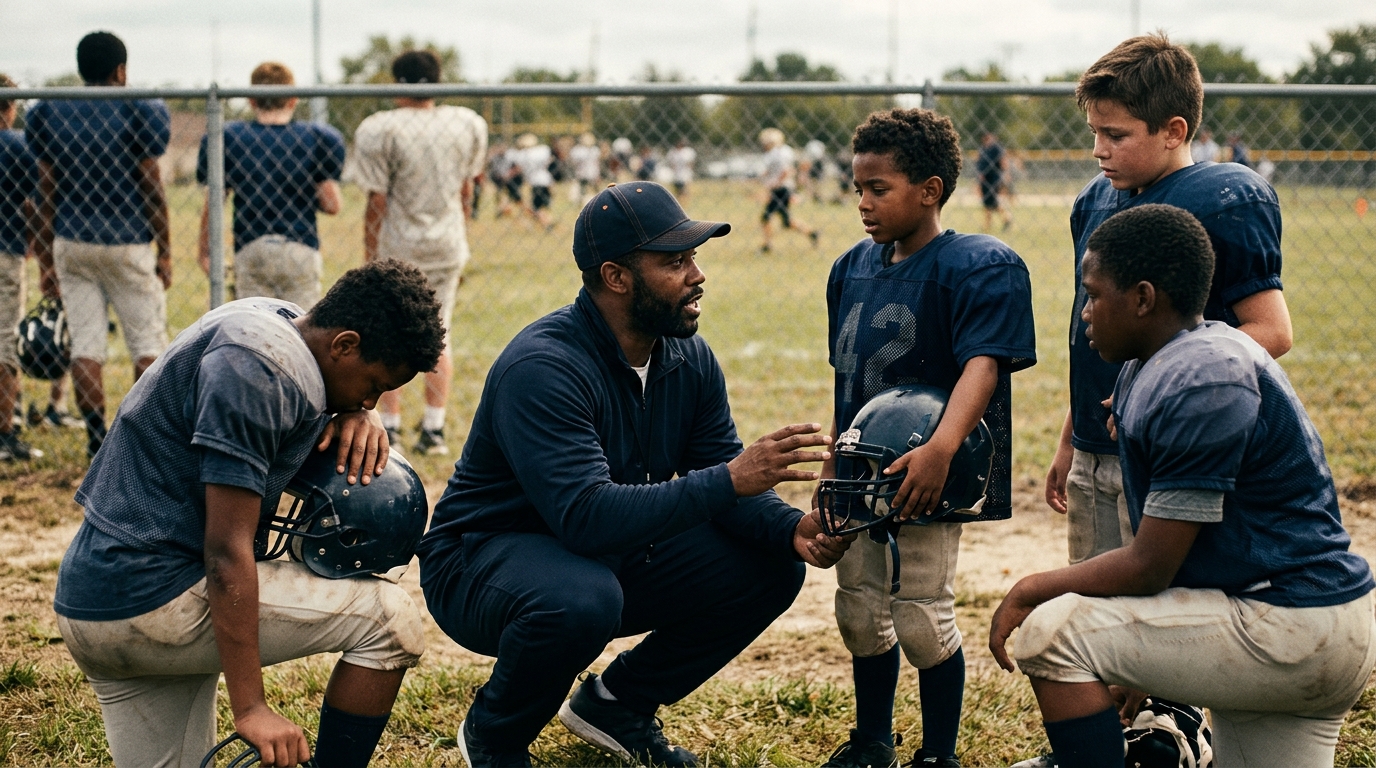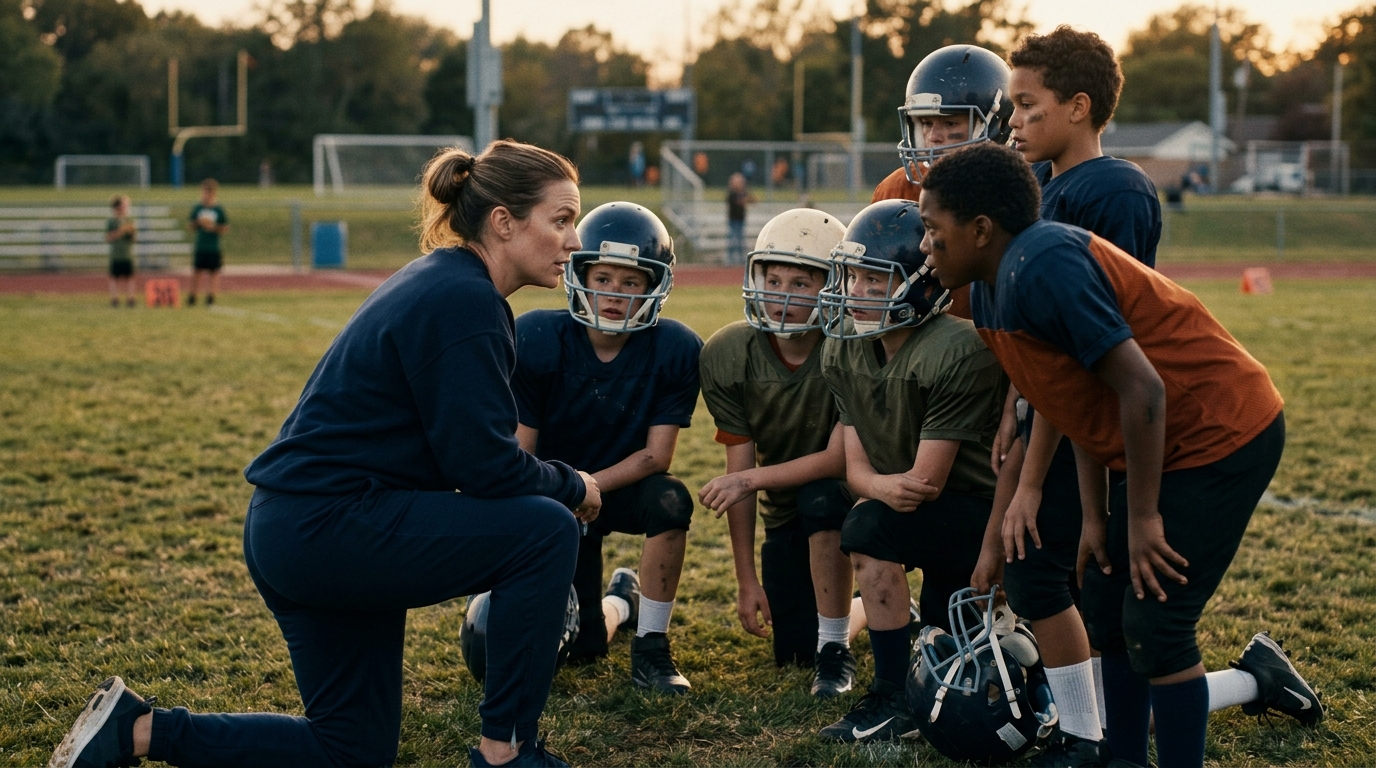

Team culture is not just built at practice. It gets built in the parking lot, in the bleachers, in the car ride home, and inside that parent group chat that starts with schedule updates and somehow turns into commentary.
I've watched good teams get chipped away by adults who would swear they were "just talking." A comment about playing time. A side-eye about another kid. A little shot at the coach. Nobody thinks they're doing damage in the moment. Then the kids show up tense, divided, and listening for who believes in who.
If a team feels off, don't just look at the bench. Look one row up.
Gossip Destroys Chemistry
You can feel it fast. Two parents talking low after a game. A text thread lighting up about lineups. Somebody deciding another kid is overrated. Somebody else saying the coach "clearly has favorites."
The kids may not hear every word, but they always catch the temperature. They notice who gets talked about. They notice which families go quiet. They notice when support turns into suspicion.
After years around teams, this part is never complicated: gossip upstairs becomes tension downstairs. Once parents start drafting opinions about other players, trust starts leaking out of the room.
Keep it off the group chat. Keep it out of earshot. Better yet, don't say it at all.
Small thought: If you wouldn't want it said about your kid, it shouldn't come out of your mouth about someone else's.
Cliques Kill Connection
Every team has natural friendships. That's normal. Kids connect. Families connect. No issue there.
The problem starts when a team becomes little islands. The same families sit together, travel together, talk only to each other, and leave new or quieter families feeling like they missed an unwritten tryout.
I've seen shy athletes loosen up the minute a parent says hello to their family. I've also seen kids carry the weight of feeling outside the circle all season long because the adults made the environment feel closed.
You do not have to become best friends with everybody. But if you want your kid on a connected team, you need to model connection. Say hi first. Pull in the new family. Notice the parent standing alone. Include the kid who hasn't found their people yet.
Small thought: Belonging usually starts with something simple, not something big.
Undermining the Coach Confuses Kids
You are allowed to disagree with a coach. Any parent who's been around sports long enough has had moments where they questioned a decision, a lineup, a tone, or a plan.
But there's a difference between having a mature concern and running a postgame review from the front seat with your child as the audience.
I've coached long enough to know kids are already sorting through enough: their role, their confidence, their mistakes, their hopes. When they hear a parent take swings at the coach, what lands is not "critical thinking." What lands is permission to stop trusting leadership the minute things feel hard or unfair.
That confusion spreads. The player stops listening. The parent gets louder. The team gets fractured.
Team culture doesn't stop with the players. Parents either steady the room or shake it. Gossip breaks trust. Cliques shrink the team. Undermining the coach teaches kids to doubt the structure holding everyone together. Be the parent who strengthens the group, not just the one protecting your own lane.
If there is a real issue, handle it directly, calmly, and at the right time. Not from the bleachers. Not through your kid. Not in a text chain.
Solution: Be the Culture Setter
Some parents drain a team. Some steady it. You get to choose.
Being a culture setter is usually unglamorous. Cheer for other kids. Help when help is needed. Thank the coach. Welcome new families. Keep your complaints disciplined. Make the sideline feel safe, not political.
I've been around enough winning and losing teams to know this: the healthiest ones are rarely the ones with no problems. They're the ones with adults who don't pour extra fuel on every problem.
- Encourage somebody else's kid.
- Introduce yourself to the new parent.
- Offer help without needing credit.
- Ask questions before assuming the worst.
- Save tough conversations for the right place and time.
Small thought: A team behind the team is still a team.
Final Word:
If you want your kid to love their team, act like the team matters beyond your kid.
That doesn't mean staying silent forever. It means being measured. It means seeing the full group. It means remembering that kids borrow a lot of their team habits from the adults who drive them there.
Culture is contagious. So is entitlement. So is generosity. Pick one on purpose.