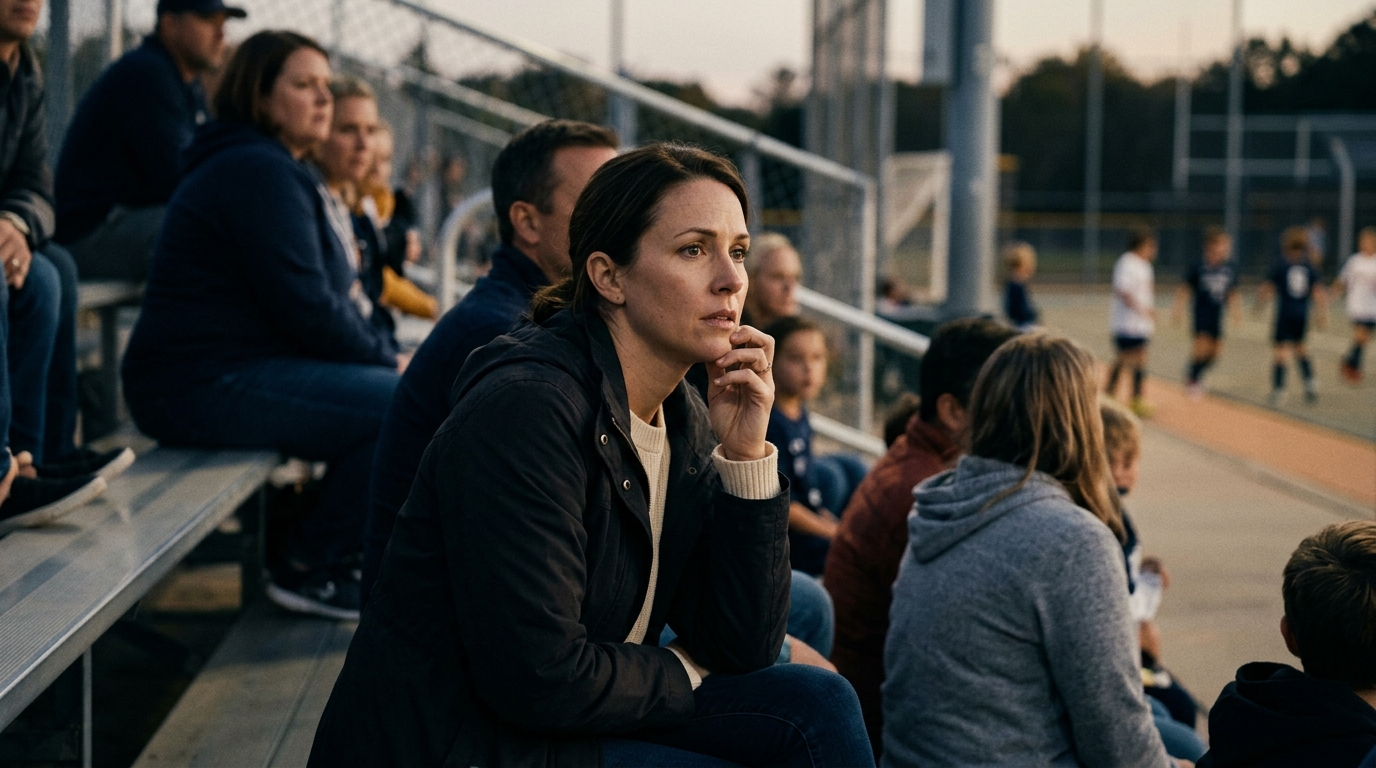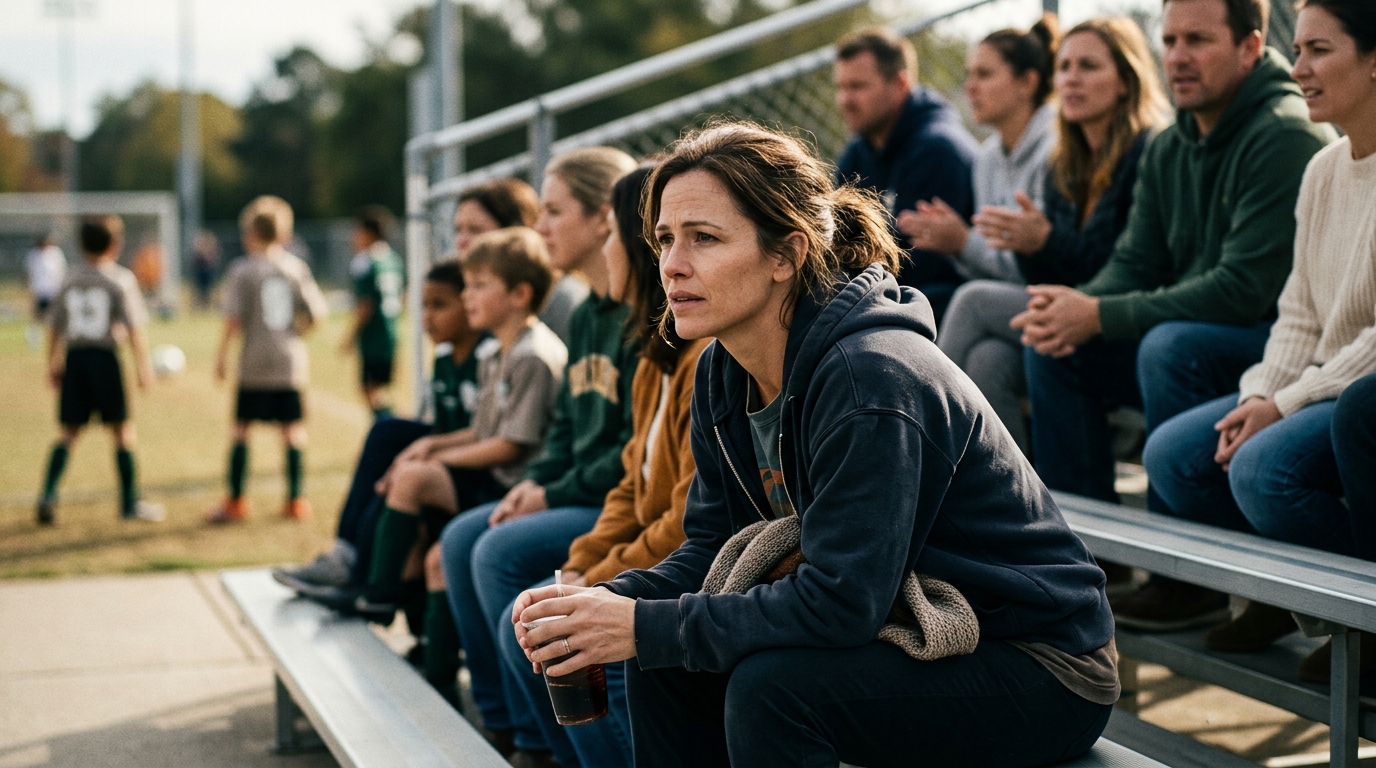

Every parent hits this moment. Your kid says, “I want to play something,” and suddenly you’re supposed to sort through soccer, swimming, gymnastics, baseball, tennis, basketball like there’s an obvious right answer. Meanwhile, the parent beside you is already talking club teams and private lessons, and your kid is still deciding whether shin guards are a dealbreaker.
Here’s the good news from a lot of years around kids and sports: there usually isn’t one perfect choice. There’s just a smarter way to choose than copying the loudest family on the sideline, following the friend group, or signing your kid up for the sport you still remember loving at 12.
Start With Your Child, Not Your Own Sports Story
I’ve seen this one a hundred times. Dad loved baseball, so the kid gets baseball, even though standing in the field feels like punishment to them. A parent wants a “good team sport,” so they push basketball on a kid who’s happier working quietly at their own pace. The intention is usually good. The fit is usually the problem.
The kids who stay with sports the longest usually aren’t the ones who got handed a family script. They’re the ones whose wiring actually matches what the sport asks of them.
Look at the kid in front of you:
- Do they want constant movement, or do they enjoy a slower rhythm with bursts of action?
- Do they come alive around teammates, or do they seem steadier when the result depends mostly on them?
- Do they like repetition, structure, and clear rules, or do they like movement that feels freer and more creative?
You can usually spot this stuff long before uniforms get involved. The kid who turns the backyard into a race every night probably wants action. The kid who will keep adjusting one small thing until it feels right may love a precision sport. Some kids want noise, teammates, and motion. Some want focus, detail, and room to work on their own.
Don’t choose the sport you miss. Choose the one your kid might actually ask to go back to.
Let Them Try Before You Label
Low-stakes reps matter here. Short seasons, rec leagues, trial classes, beginner camps, clinics—use them. That’s not wasting time. That’s how kids get real information instead of adults making guesses in the parking lot.
I’ve coached kids who looked perfect for a sport from the outside and were done with it by week two. I’ve also watched quiet kids wander into a gym “just to try it” and then start asking if they can show up early next time. You only learn that by letting them experience it.
A kid who tries three sports in a year is not flaky. They’re learning what feels natural, what feels fun, and what kind of challenge they actually like. That’s useful. That’s the job.
And it’s worth saying plainly: the early rush to specialize usually comes from adult anxiety, not child readiness. Families lock in because they’re scared of falling behind. Most of the time, broad early exposure helps kids enjoy sports longer and often helps them perform better later too.
Sampling isn’t getting off track. For most kids, it is the track.
Pay Attention to the Ride Home
The clearest answer usually doesn’t show up in whether they scored, how coordinated they looked, or if they were ahead on day one. It usually shows up in the car, when the practice is over and nobody is putting on a show.
I mean that literally. Some of the best information a parent gets all season happens in those ten minutes after practice.
- “That was fun. Can I do that again?” means something.
- Silence every single time, or dragging themselves out the door before the next session, means something too.
- Questions about positions, rules, strategy, or wanting to mess around with it at home usually tell you something clicked.
I’ve had kids struggle all season and still clearly love the sport. I’ve had talented kids look good right away and be emotionally checked out by week three. Performance moves around. Enthusiasm is the stronger clue.
Parents get hung up on “Are they good at it?” Fair question. Just not the first one. Early on, “Do they want more of it?” matters a lot more.
Ability can be built. Interest has to be protected first.
Be Real About Your Family’s Actual Life
This part isn’t cold. It’s honest. A sport can fit your child well and still not fit your family right now.
I’ve watched families love a sport in September and resent it by October. Not because the kid changed. Because the schedule swallowed the house whole. Three practices a week. Weekend travel. Gear that somehow keeps multiplying. Sibling conflicts. Late dinners. Missed work. Everybody rushing, nobody enjoying it.
That’s not failure. That’s information.
Ask the unglamorous questions early:
- How many practices a week is it really?
- How far are the drives?
- What does it cost once you add registration, equipment, extras, and tournaments?
- Does this work with your job, your other kids, and your actual week?
I’ve been around enough teams to know this: a good sport that empties the whole family tank every week usually stops feeling like a good sport. It’s okay to weigh logistics right alongside your child’s interest. In a lot of homes, that’s the difference between a healthy season and a miserable one.
The best fit on paper is still the wrong fit if it breaks your week.
Remember: The First Choice Doesn’t Have to Be the Forever Choice
Parents sometimes treat the first sport like a lifetime contract. It isn’t. Kids change. Bodies change. Confidence changes. What felt exciting at seven can feel stale at nine. What felt awkward at eight can suddenly click at eleven.
I’ve coached kids who left one sport and found their place somewhere completely different a year later. I’ve seen kids come back to a sport they once quit because they were older, stronger, or simply ready. That only happens when leaving isn’t treated like failure.
Letting a child switch without piling on guilt keeps the door open. Sometimes the right fit takes a few tries. That’s normal.
You’re not trying to win the choosing process. You’re trying to help your child find a place where they can move, learn, belong, and want to keep going.
Changing sports isn’t stepping away from development. Sometimes it is development.