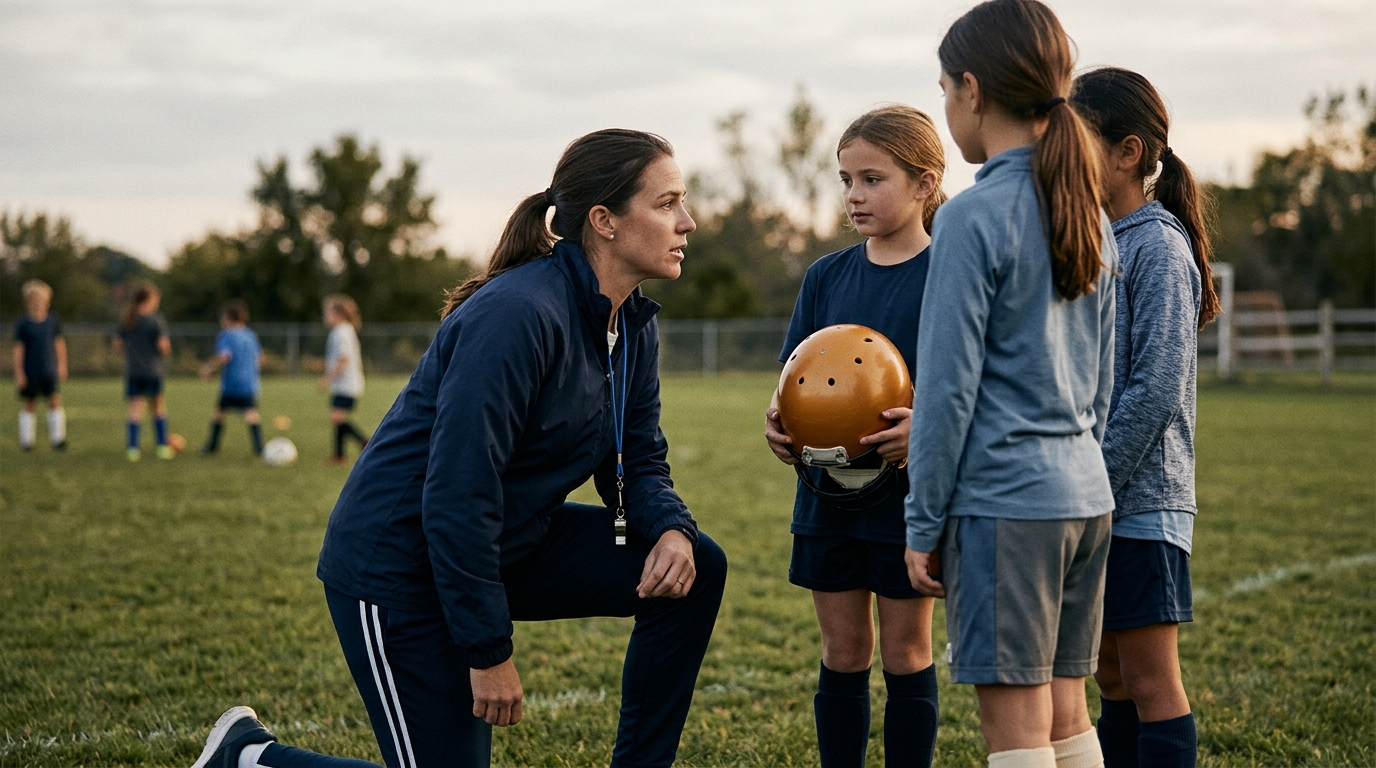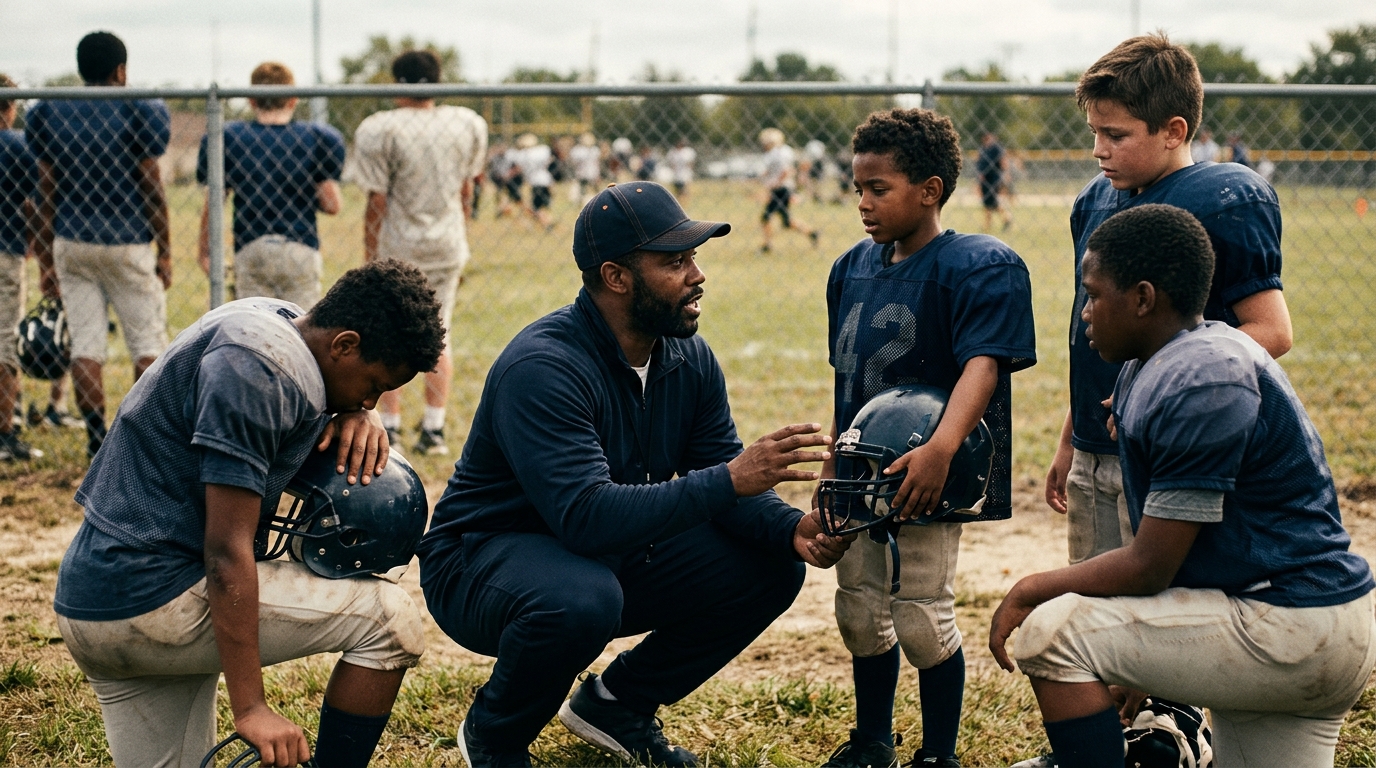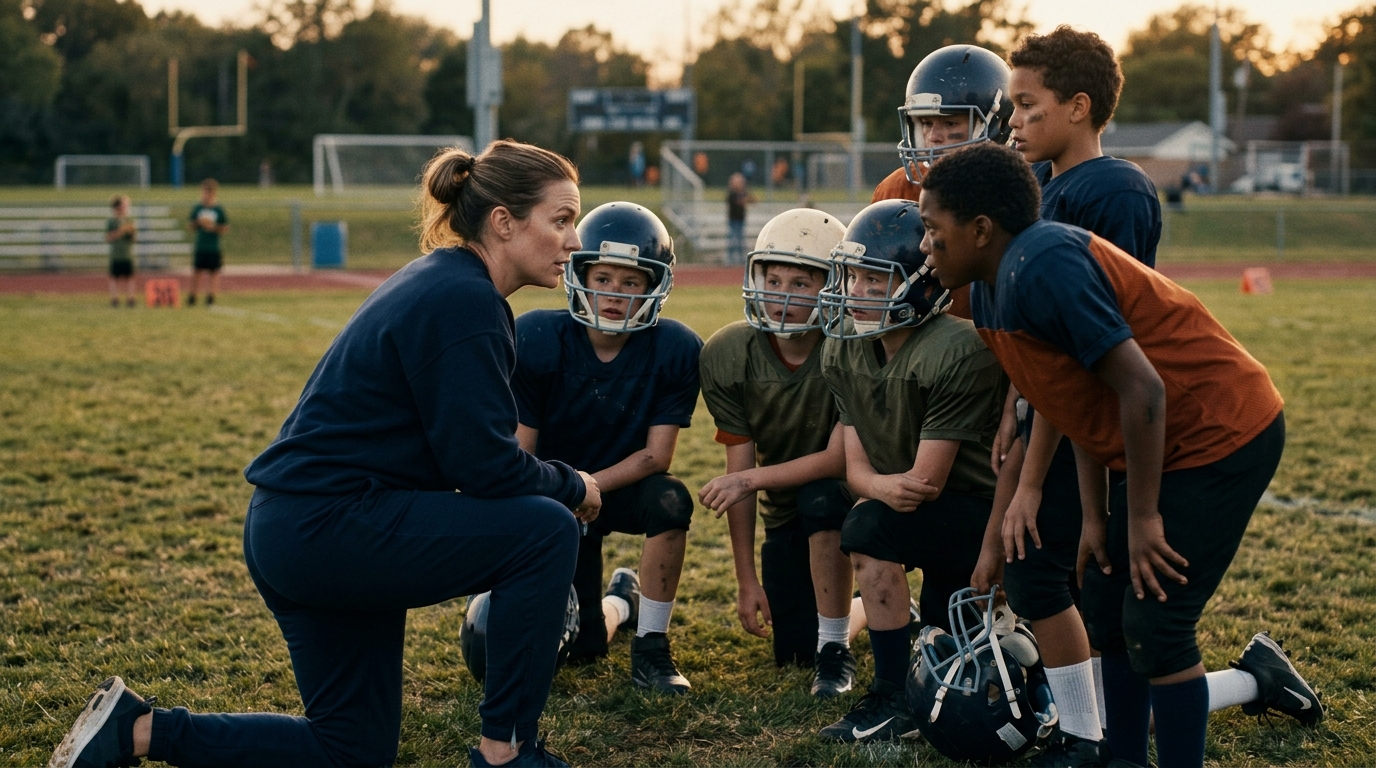

Bad games happen. I’ve seen a kid stare at the dirt after a strikeout like the whole season just ended. I’ve seen a player hit the bench after back-to-back turnovers and pull their jersey over their face so nobody would look at them. I’ve seen the car ride home start with three questions before the shoulder pads were even off.
I’ve also seen adults make it worse by rushing in too fast. Coaches want to correct everything on the spot. Parents want answers while the loss is still hot.
Here’s the truth: one bad game feels big because it’s fresh, not because it defines the athlete. Most of the time, it points straight at the next thing that needs attention.
What matters is what happens next.
Step 1: Give Yourself Some Grace
Before the breakdown, before film, before extra reps, breathe.
A real breath. Not the tight-jawed “I’m good” kind.
In a lot of years around sports, I’ve never coached an athlete who stayed sharp every single game. Not the beginner. Not the star. Not the kid everybody swears is “always calm.” Rough games come with the deal. So do frustration, embarrassment, and that sick feeling after it’s over.
- You’re human, not a machine.
- One bad game does not sum up your season.
- Good athletes have bad days too.
The first job is simple: don’t make the mistake bigger by piling on.
Don’t call yourself soft, trash, useless, or any of the other nonsense athletes say when they’re hurting.
“That wasn’t my best, but I can learn from it” will take you farther than “I’m terrible.”
Step 2: Reflect Without Beating Yourself Up
Once the emotion cools off, look back honestly.
This is where a lot of athletes either skip the work or turn it into self-attack. That’s not reflection. That’s punishment.
Good reflection sounds like a steady coach in a film session, not a critic living in your head.
Ask:
- What felt off?
- Where did I lose focus?
- Was I worried about what people thought?
- Was my body ready but my mind somewhere else?
- What can I do differently next time?
I’ve had players swear they were awful, then we go back through the game and realize two bad stretches swallowed everything else in their memory. That happens all the time. Your brain grabs the loud mistakes and acts like that was the whole night.
Reflection helps you see the full game, not just the worst thirty seconds of it.
The goal is insight, not insult.
Step 3: Talk to Someone You Trust
Sometimes a bad game shrinks the second you say it out loud.
I’ve stood near enough benches to know a lot of kids don’t need a speech. They need thirty honest seconds to say, “I feel like I let everybody down.” Usually that feeling is real, but it’s also bigger than the truth.
A trusted coach, teammate, parent, or friend can help sort that out.
Talking gives you:
- A different perspective
- Some calm when your head is spinning
- Advice from somebody who’s actually been there
For parents, this is a good spot to do less. The parking lot does not need a full postgame review. Sometimes the best line is, Tough one. I’m here if you want to talk.
For coaches, take care of the person before you start fixing the performance.
Step 4: Focus on What You Can Control
After a bad game, there’s always a list of easy targets: refs, weather, playing time, lineup choices, bad bounces, missed assignments, the other team playing out of its mind.
Some of that may be true. It still doesn’t move you forward.
What belongs to you?
- Your effort
- Your attitude
- Your preparation
- Your response when things start going sideways
The athletes who bounce back fastest usually stop asking, “Why did this happen to me?” and start asking, “What can I do with this?”
Control is calming.
Step 5: Get Back to the Process
Scoreboards are loud. Stats are loud. Social media makes one rough night even louder.
Improvement usually isn’t loud.
I’ve coached plenty of athletes who stared at the result and ignored the habits that built it. If the game went poorly, don’t just stare at the final score. Look at the days leading up to it.
- Am I practicing with purpose?
- Did I bring focus and energy this week?
- How was my sleep?
- How was my nutrition?
- Was my mindset helping me or hurting me?
A lot of times, the game just exposed what the week had already been saying.
That’s not bad news. That’s useful news.
Step 6: Make a Simple Plan
Once you know what happened, do something with it.
Not a dramatic rebuild. Not the speech about staying three extra hours every day for the rest of your life. Just a real plan.
If focus slipped, tighten the pregame routine.
If energy was low, check sleep and food.
If nerves took over, train that part on purpose instead of pretending it’ll just disappear.
I’ve been around this long enough to know confidence rarely shows up because somebody gave a great pep talk. Confidence grows when athletes see themselves make an adjustment, do the work, and handle the next moment better.
- Pick one or two things to improve
- Build them into the week
- Track your response, not just the outcome
Small fixes stack.
Step 7: Remember Why You Play
After a bad game, one mistake can start acting like the whole story.
It’s not.
Come back to your reason for playing. Maybe it’s competition. Maybe it’s being with your team. Maybe it’s the feeling when the game starts to click. Maybe you just flat-out love the sport.
That reason matters most on the hard days.
I’ve watched athletes recover quicker when they stop treating sports like a verdict on who they are and start reconnecting with what drew them to it in the first place.
One bad game can bruise confidence. It doesn’t get to take your why.
Wrapping It Up
Everybody has bad games. The athletes who keep growing are not the ones who avoid rough days. They’re the ones who respond well when rough days show up.
- Give yourself some grace
- Reflect honestly
- Talk it out
- Focus on what you control
- Get back to the process
- Make a plan
- Hold onto your why
You’re usually not as far off as it feels right after the final whistle.
Learn what the game gave you. Then get back to work.
That’s how a bad game becomes a useful one.
If you’re a first-time coach trying to help a player through this stuff, Voluntold is built for that.
And if mental performance is the piece your athlete needs, Voluntold can help there too.