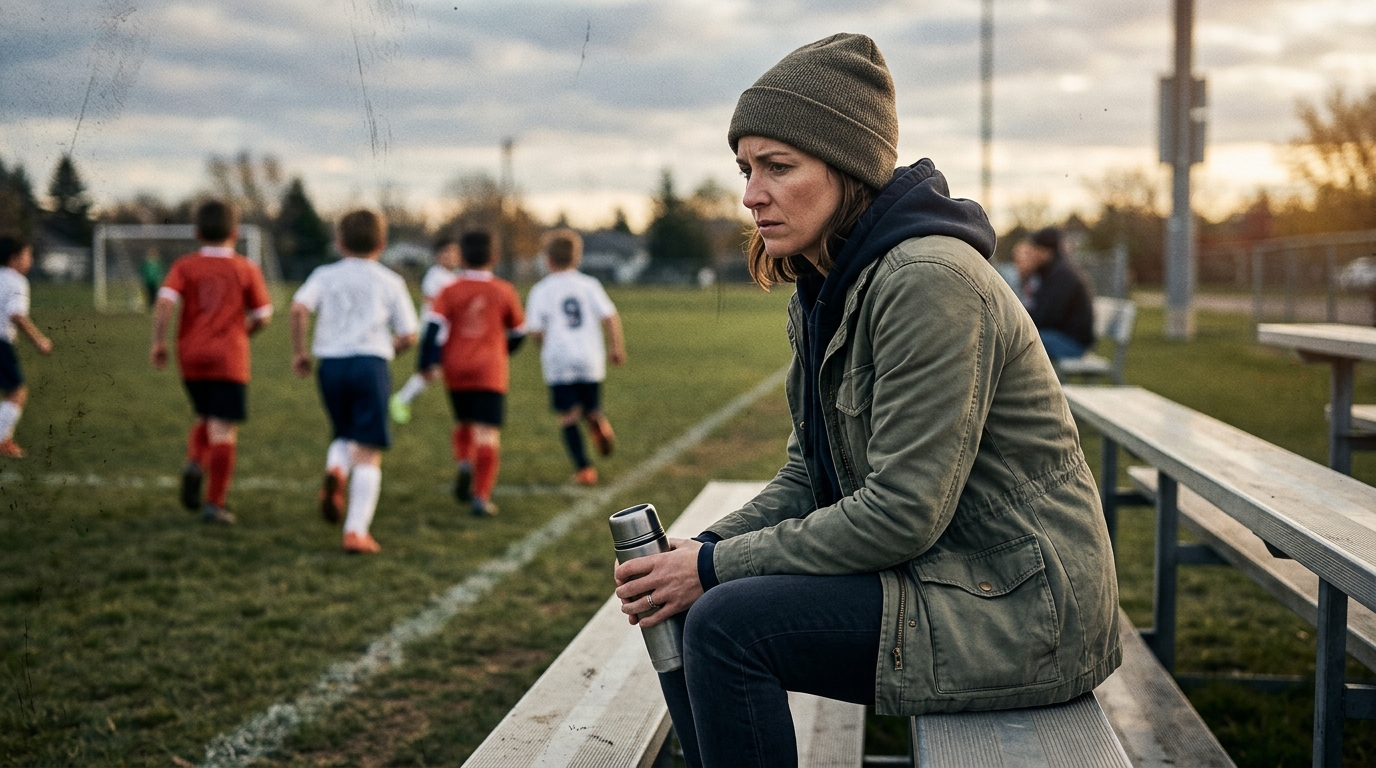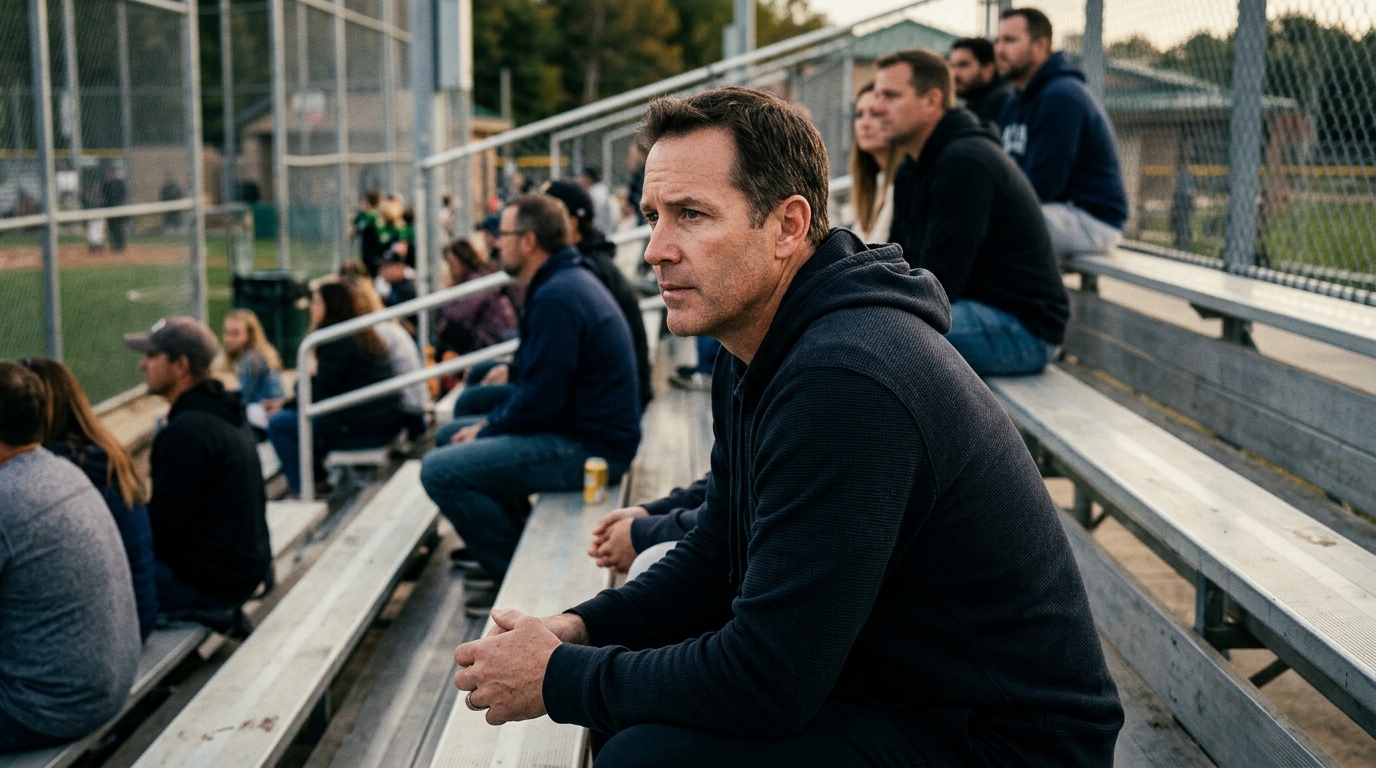

The final whistle blows, your kid grabs their bag, and you can feel the whole game climbing into the front seat with you.
Maybe they struck out twice. Maybe they sat longer than they expected. Maybe the coach didn’t put them back in late, and you’ve already replayed that decision three times before you’ve even backed out of the parking spot.
Then your kid gets in the car and gives you the standard postgame report: one shoulder shrug, one long sigh, and a quiet, “Fine.”
That’s the moment a lot of parents lose the plot.
Not because they don’t care. Because they care a lot. Too much, sometimes. They want to help, fix, teach, protect, explain, defend, and process all at once. So the ride home turns into a press conference, a film session, or a courtroom closing argument.
Most kids don’t need any of that five minutes after a game.
They need the temperature lowered.
The car is not the locker room
I’ve coached kids for a long time, and I’ve been around enough parking lots to know this pattern by heart. The game ends, adults are still carrying game-speed emotion, and kids get hit with questions before they’ve even had water.
How come you didn’t shoot more?
Why were you standing there on defense?
Did Coach tell you why you sat?
What happened on that last play?
Even when the tone sounds calm, kids hear the weight behind it. They hear disappointment, frustration, confusion, or urgency. They start answering like someone under review.
That’s usually when the conversation gets shorter, sharper, or quieter.
The truth is simple: right after a game, your kid is rarely ready for your best analysis. And if you lead with analysis anyway, you usually don’t get truth. You get whatever answer ends the conversation fastest.
Use two questions and stop there
If you want a practical postgame habit that works, keep it to two questions:
- Did you have fun?
- Want to talk now or later?
That’s it.
The first question reminds your kid that sports is still allowed to be sports. The second gives them a little control back after a game where they may feel like a lot was out of their hands.
If they say, “Later,” respect it.
If they say, “Now,” listen longer than you talk.
If they say, “It was fine,” let that answer breathe for a minute. Silence is not failure. A lot of good parenting happens when you don’t rush to fill the space.
Not every car ride needs a lesson. Some need a snack and a quiet windshield.
What support actually sounds like
Parents usually think support means saying the perfect thing. Most of the time, it means saying fewer things with less heat behind them.
Try lines like:
- “I loved watching you compete.”
- “That looked frustrating.”
- “You stuck with it.”
- “You don’t have to solve it tonight.”
Those kinds of responses do two important jobs. They show your kid you saw them, and they don’t trap them into defending themselves.
There’s a big difference between support and interrogation. Kids can feel it immediately.
When you want to talk to the coach
Now let’s talk about the other hard part: your own behavior.
Sometimes the ride home is really about you trying not to march back toward the bench.
You didn’t like the substitution pattern. You thought the message was confusing. You believe your kid was promised one thing and got another. Fair enough. Those things happen.
But right after the game is when adults make dumb, emotional decisions and call them honest conversations.
Coaches are still coaching after the game ends. They’re collecting gear, talking to assistants, managing players, cooling off from their own mistakes, and trying to get out of the complex without another scene. That is not the best time to get into playing time, role questions, or strategic complaints.
If it’s a real issue, wait. Ask later. Ask clearly. Ask without an audience.
And before you ask anything, sort one thing out with yourself first: are you seeking information, or are you carrying frustration? If it’s frustration, don’t disguise it as a question.
Kids are smart. They know when “I just want to understand” really means “I’m upset and I want a target.”
The goal is steadiness, not perfection
No parent nails this every time. I’ve seen plenty of good parents get caught by a tough loss, a bad call, or a game where their kid looked flat and unreachable. That doesn’t make them bad sideline parents. It makes them human.
What matters is whether the pattern in your home helps your kid return next time ready to play, not worried about managing your reaction.
If your kid has to ride home rehearsing explanations, the car stopped being a safe place.
If your kid knows they can be quiet, disappointed, annoyed, proud, confused, or all of it at once without getting cross-examined, that ride home becomes useful again.
That’s the standard.
Not a perfect script. Not fake positivity. Not pretending poor effort was great.
Just enough self-control from the adult to let the kid come down from the game before turning it into a conversation.
A simple rule worth keeping
Here’s the rule: after the game, lower the temperature before you raise any topic.
Two questions. Short answers. No sideline detective work in the front seat. No coach trial on the drive home. No making your kid carry both their game and your emotions too.
There will be time later for teaching, problem-solving, and tougher talks if they’re needed.
Right after the game, your job is smaller than you think and more important than it sounds.
Drive. Listen. Keep it light enough for them to come back tomorrow.