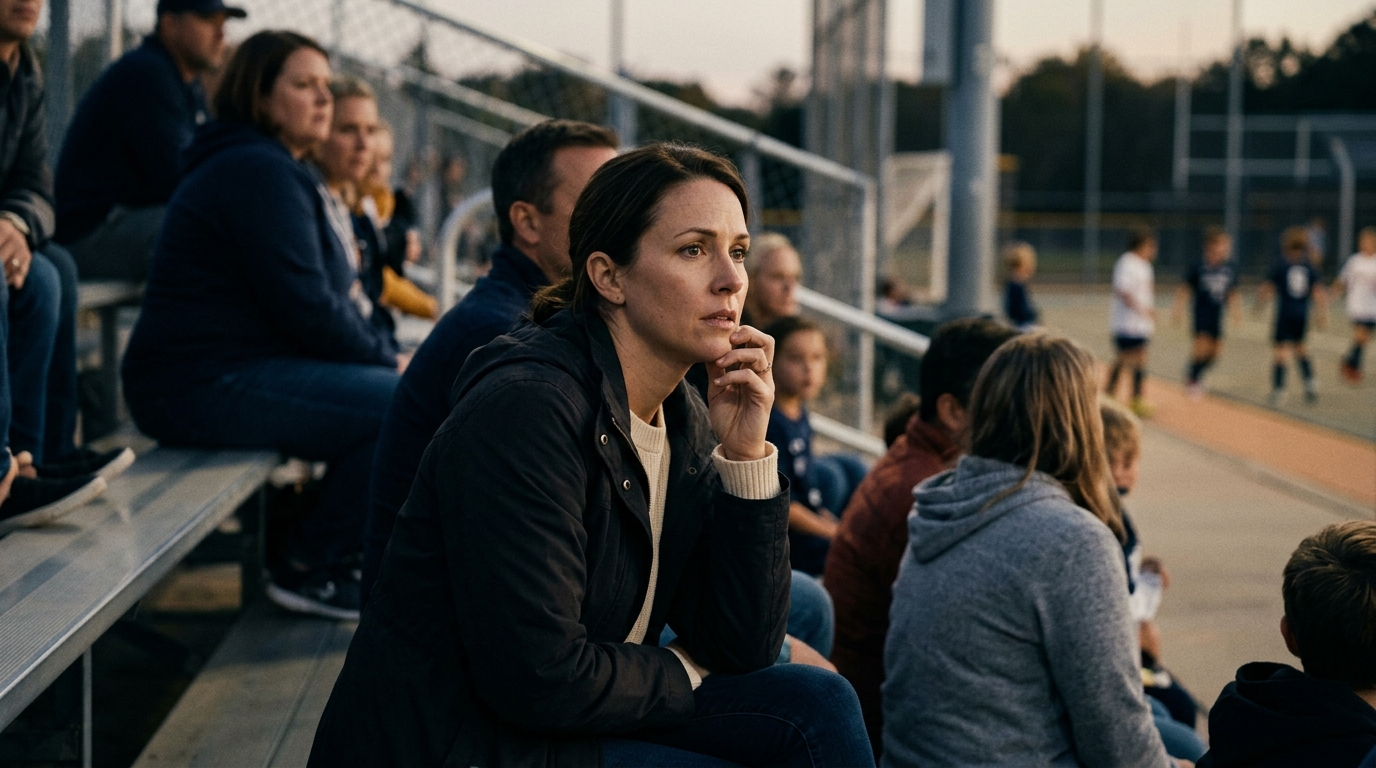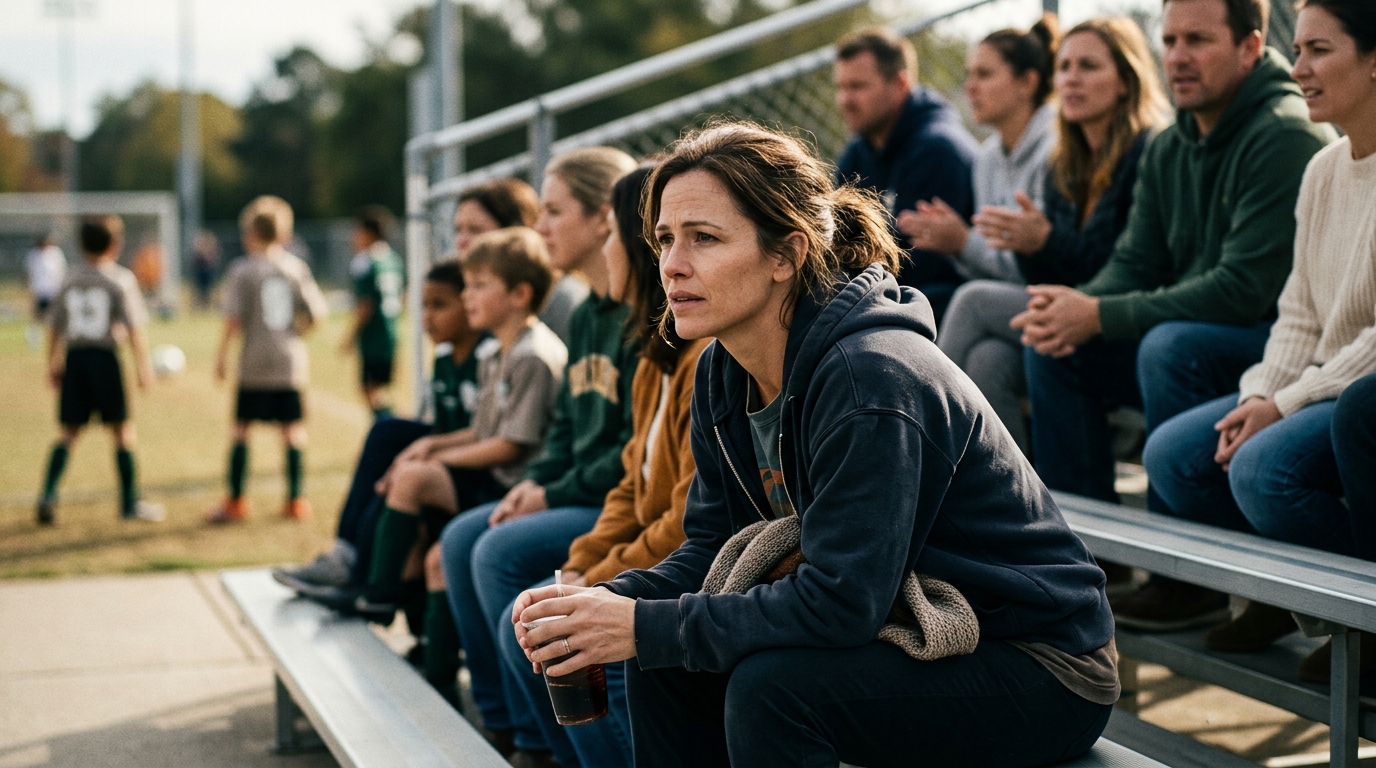

You can feel it from the sideline before anyone says it out loud. The coach’s kid is out there for nearly every shift. Same spot. Same green light after the same mistake that gets another kid pulled. Parents glance at each other, then back at the field. Kids notice too, even if they don’t have the words for it yet.
This comes up a lot in youth sports, and it puts families in a tough spot. You want to protect your kid. You do not want to light the parking lot on fire. Both things can be true.
There is a way to handle it without turning your child into the center of adult tension.
What favoritism usually looks like
Sometimes it is obvious. Sometimes it is death by a hundred little moments.
- The coach’s child gets more playing time despite not earning it on effort or execution
- The coach’s child keeps the prime position no matter how they perform
- Other players get corrected, while that child gets a softer standard
- Your kid and others get very little feedback, attention, or encouragement
I have been around this long enough to know two things at once: coaching is hard, and unfair still feels unfair. A volunteer coach is juggling a lot. They are trying to be parent and coach at the same time, often badly tired and underprepared. That explains some things. It does not erase the impact on the team.
Kids can handle hard coaching. What wears them down is inconsistent coaching.
Why it happens, even when the coach is not trying to be unfair
A lot of favoritism is not cartoon-villain stuff. It is familiarity. The coach’s kid knows the system because they hear about it at home. They may get extra reps in the driveway. They may be quicker to respond to the coach’s voice because that voice has always carried authority.
I have also seen coaches overcorrect. They think they are being fair, but from the stands and on the bench, it still looks tilted. Intent matters less than pattern.
If one player lives by a different set of rules, team morale takes a hit. Kids stop competing as hard. They stop trusting the process. Sometimes they stop wanting to play at all.
So what do you do when you think the coach is favoring their own child?
Step 1: Breathe first, then watch closely
Do not build your case off one bad Saturday.
Watch practice if you can. Watch substitutions, not just starts. Watch tone. Who gets instruction? Who gets ignored? Who gets pulled after mistakes, and who stays in? Zoom out past your own child for a minute and look at the whole team.
I have seen parents be dead right, and I have seen parents react to one rotation they did not understand. Good decisions start with clean observations.
One game is emotion. A pattern is information.
Step 2: Talk to your child before you talk to anyone else
This part matters more than most parents think.
Ask simple questions. Are you having fun? Do you feel like you are improving? Do you feel seen by your coach? Does anything feel unfair?
Sometimes adults are more worked up than the kid is. Sometimes the kid has been carrying it quietly for weeks. I have had athletes shrug off reduced minutes because they loved the team, and I have had others spiral because they thought nothing they did mattered.
Your child’s experience is the thing you are trying to protect, not your own sense of scoreboard justice.
Step 3: Decide whether this actually needs to be raised
Not every uneven situation needs a meeting.
If your kid is still enjoying the sport, learning, and staying connected to the team, it may be better to leave it alone and keep supporting from home. Youth sports are messy. Perfect fairness is rare.
But when the pattern keeps showing up, and it is starting to dent confidence, create stress, or poison the team environment, that is different. Then it is worth addressing.
If it is bruising your ego, let it sit. If it is hurting your kid, pay attention.
Step 4: Talk to the coach like an adult, not a prosecutor
This is where a lot of good intentions go bad. Halftime is not the time. Right after a loss is not the time. In front of other parents is definitely not the time.
Ask for a private conversation.
Keep it factual. Keep it short. Keep your voice where you would want theirs to be if the roles were reversed.
- Ask for a time to chat away from kids and other families
- Speak from what you have observed, not what you assume
- Use “I” statements
- Ask questions before making claims
Something like: I have noticed my child’s shifts have been shorter the past few games, and I wanted to understand what you are seeing and what they should be working on.
That approach gives you information. It also gives the coach a chance to hear concern without immediately getting defensive.
The goal is not to win the conversation. The goal is to create a fairer one.
Step 5: Build your child up while the adults sort themselves out
Even if you handle this perfectly, your child still has to live it in real time.
Help them focus on what they can control: effort, attitude, body language, coachability, being a solid teammate. Those are not empty consolation prizes. Those are real skills. I have coached long enough to know that athletes who learn to stay steady in imperfect environments carry that strength far beyond sports.
That does not mean telling kids to smile through nonsense. It means teaching them how to deal with frustration without letting it define them.
Not every unfair moment can be fixed. Every unfair moment can teach something.
When it is time to go above the coach
If you have observed a clear pattern, had the conversation, and nothing changes, you may need to take it to a league director or program coordinator.
Same rules apply: facts, examples, calm tone. Do not bring a character attack. Bring a pattern. The point is not to embarrass a volunteer. The point is to protect a healthy team environment for all the kids.
Keep the big picture in front of you
Youth sports are supposed to help kids grow. Confidence. Resilience. Friendship. Love of the game. Most coaches are not perfect, and most are trying harder than it looks from row three in a folding chair.
But if favoritism is becoming the story, parents are allowed to speak up. In many cases, they should.
Your kid is watching how you handle this. Calm beats gossip. Direct beats dramatic. Respectful beats passive-aggressive every time.
That lesson may outlast the season.
Helpful support for sports parents and coaches
- If you are trying to be a steadier, smarter sports parent, lean on Voluntold resources built for real sideline moments
- If your athlete needs help with confidence, focus, or composure, explore mental performance support through Voluntold
You do not need perfect conditions to help a kid have a good sports experience. You do need perspective, patience, and the courage to address what matters.
Show up. Pay attention. Protect the joy when you can.