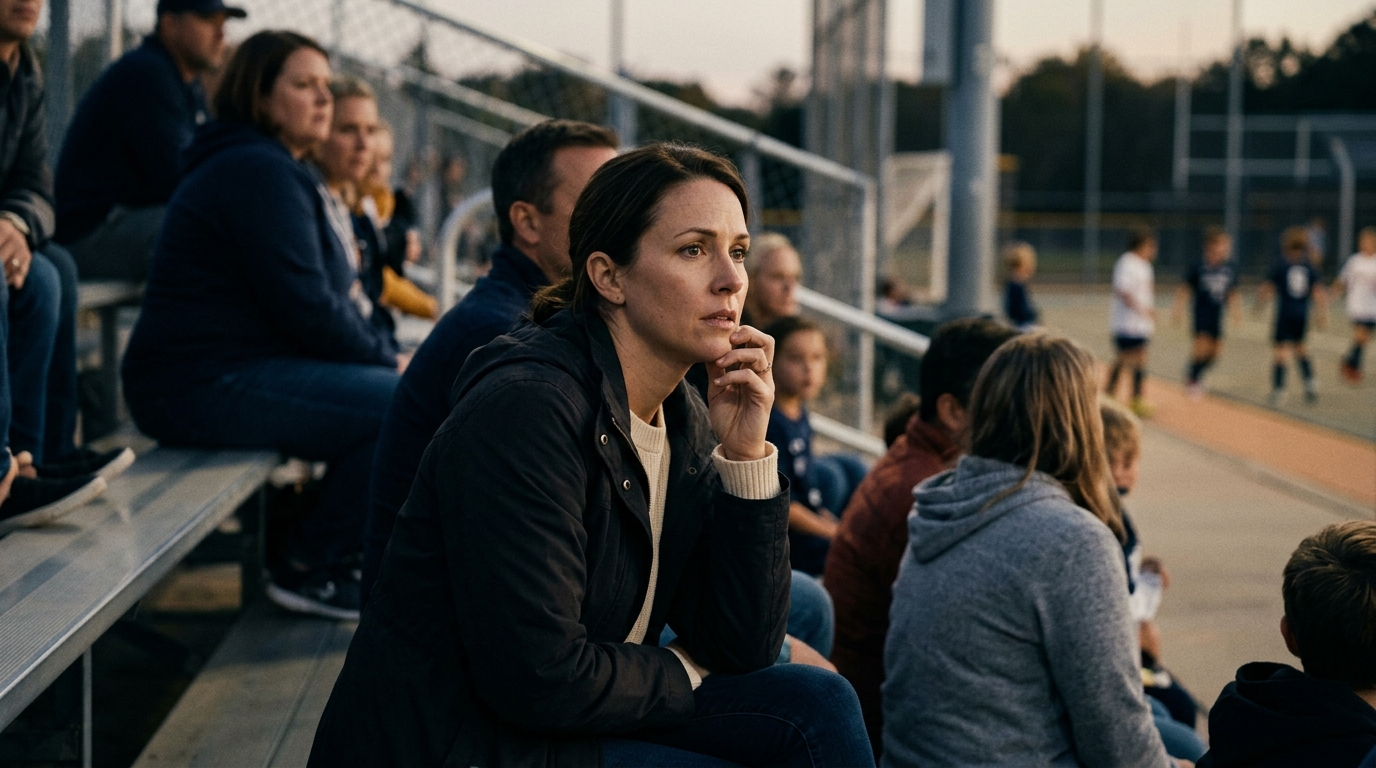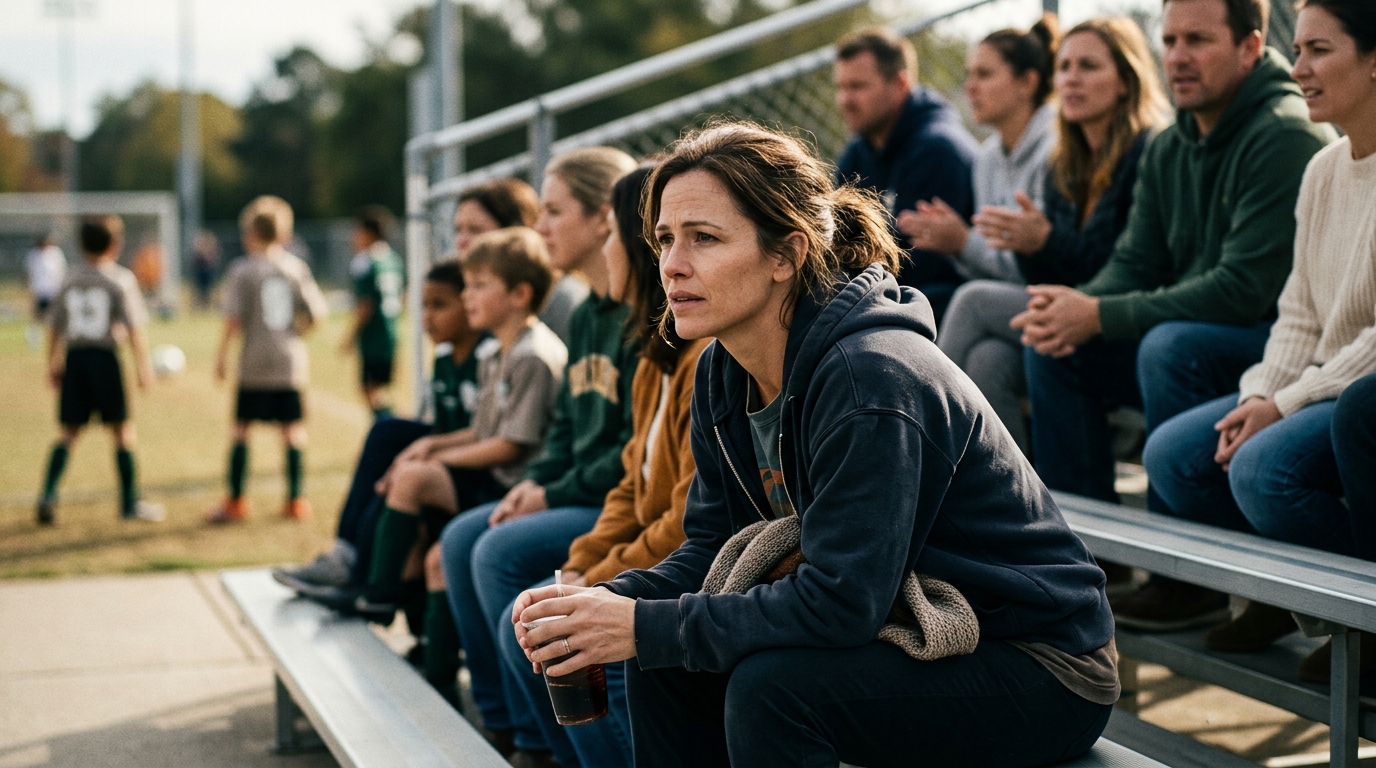

Being a sports parent can feel like working six shifts at once. You’re clapping on the sideline, running the carpool, hunting for the missing water bottle, grabbing oranges, checking the schedule, and trying not to become the extra coach nobody asked for. Loving your kid is the easy part. The hard part is helping them keep loving the game once the noise starts creeping in.
I’ve been on enough fields, in enough gyms, and around enough postgame parking lots to know this: most parents are not trying to add pressure. It just leaks out. A tight face after a turnover. A full breakdown before the shin guards are off. A sideline tip that feels helpful to the adult and heavy to the kid.
The goal is not perfect behavior. The goal is creating a sports experience where your child gets to grow, compete, struggle a little, and still want to come back next week.
What Makes Sports Parenting So Tricky
From the stands, youth sports can look simple. Show up. Watch the game. Cheer. Then it’s your kid out there, and suddenly every missed layup, every strikeout, every shift on the bench feels personal. Add travel, team politics, playing time, comparison, and your own hopes for them, and “just a game” disappears fast.
I’ve coached for 20 years, and I’ve watched one truth repeat itself over and over: kids feel the emotional weather coming off the sideline. They feel it when a parent goes silent after a mistake. They feel it when a good game means everyone’s relaxed and a bad game means the whole car ride changes.
Youth sports is never only about the score. It’s confidence. Frustration. Discipline. Friendship. Identity. Resilience. Parents don’t control all of that, but they influence plenty of it.
Kids can tell the difference between support and judgment, even when adults think they’re hiding it well.
That’s the question worth asking: does sports feel like a place where your child gets to grow, or a place where they’re being evaluated all the time?
Support Them Without Taking the Wheel
Good sports parenting is constant adjustment. Some days your kid needs a push to pack the bag and get out the door. Some days they need you to stop talking and just be Mom or Dad. The hard part is knowing which day you’re in.
The healthiest parent-athlete relationships I’ve seen have one thing in common: the parent stays close without trying to control every rep, every coach, every outcome. They encourage. They listen. They let the kid wrestle with some things on their own.
Ask Yourself
- Am I more worked up about this game than my child is?
- Do I talk more about results than effort, attitude, and learning?
- After games, does my child get comfort from me, pressure from me, or a film session from me?
Sometimes the best thing you can say is also the least fancy: “Great effort out there.”
Not every moment needs your correction.
Sometimes connection does more than coaching.
What Kids Actually Want
Most kids are not looking for a scouting report at age 10. They are not hoping the sideline turns into a stress factory. They want to play, laugh, be with teammates, get better, and know the people they love are proud of them either way.
I’ve heard the same message from young athletes in a hundred different ways:
- “Just cheer for me.”
- “Please don’t be mad in the car.”
- “I want you to be proud of me even if I had a bad game.”
That isn’t softness. That’s clarity. Kids are telling us what helps them stay confident, open, and connected to the sport.
Kids remember how sports felt long before they remember the score.
Your Sideline Has a Tone
You can learn a lot about a sports family in the three seconds after a mistake. A kid glances over after a dropped ball or a bad pass. What are they seeing? Arms in the air? Pacing? Head shaking? Or a calm face and a clap that says, keep playing?
Your child already has plenty to manage. School. Practice. Coaches. Teammates. Their own nerves. They do not need the sideline acting like every Saturday is the championship game.
Better sideline habits usually look like this:
- Cheer effort, hustle, bravery, and teamwork, not only points, goals, and wins.
- Let coaches coach. Yelling instructions from the stands usually creates confusion, not clarity.
- Model respect for officials, opponents, and coaches, especially when it’s hardest.
I’ve coached kids who got looser and played freer when their parents got quieter. Not less supportive. Just calmer. Cleaner. Less loaded.
Loud is not the same as helpful.
The Car Ride Home Is Where a Lot Gets Decided
If there’s one place confidence gets built or bruised, it’s the ride home. You know the moment. Your kid is buckled in, staring out the window after a rough game. You want to fix it. You want to teach. You want to make sure they learn something from it.
I understand the urge. I’ve also seen how often that postgame speech misses. Most kids do not need a breakdown right then. They need safety. They need to know they’re not getting graded before the sweat dries.
Try this instead:
- Ask something open, like “Did you have fun?” or “What did you enjoy most today?”
- Say, “I loved watching you play.”
- Let quiet be quiet if they’re not ready to talk.
As a coach, I can tell you this plainly: the postgame lecture rarely lands the way parents hope it will. More often, it teaches a kid to brace for the drive home.
Not every game needs a lesson. Sometimes it needs a snack and a little space.
Know the Line Between Support and Pressure
Wanting your child to do well is normal. Every parent wants that. Trouble starts when support begins to feel like expectation, and expectation starts feeling like pressure.
That’s when kids tighten up. That’s when burnout starts sneaking in. That’s when a sport they used to love begins to feel like one more place they can let somebody down.
Healthier support sounds more like this:
- Help them set goals they actually care about
- Praise growth, grit, and consistency
- Let mistakes be part of the deal
- Value passion more than perfection
If the drive to improve is real, it has to belong to the child. You can water it. You can’t yank it out of the ground.
Pressure often shows up wearing the clothes of love.
Be Careful When Your Story Starts Driving Theirs
If you played sports yourself, this part can get especially tricky. You’re not only watching your child’s game. You’re also feeling your own history bump around in it. Regrets. Missed chances. Tough coaches. The things you wish someone had told you. The mistakes you still remember.
I’ve seen parents overprotect because they remember how hard their own sports experience felt. I’ve seen other parents push too hard because they think they’re handing down toughness. Usually both come from love. But love can still crowd a kid when it doesn’t leave room.
Your child is not your second chance. They are not your replay. They get their own pace, their own personality, and their own path.
Be a guide, not a shadow.
Use Help When You Need It
No parent handles youth sports perfectly on instinct. This stuff is emotional, time-consuming, and messy. That’s why support matters.
Voluntold has resources for first-time coaches, parents trying to manage the weekly scramble, mental performance support, and practical help for the adults keeping teams moving.
Getting help does not mean you’re failing. Most of the time it means you care enough to get steadier, and that usually makes the whole experience better for your kid.
Keep the Joy in the Picture
At its best, youth sports gives kids growth, laughter, friendships, confidence, hard lessons, and stories your family will still tell years from now. It is not supposed to be one long pressure test about trophies, rankings, or what might happen five years down the road.
So breathe a little. Watch your kid. Cheer loudly in the good moments. Stay steady in the hard ones. Let the game belong to them a little more than it belongs to your hopes for them.
You do not need to be a perfect sports parent. You need to be a steady one.
The win is not raising a great athlete. The win is raising a kid who still loves to play.