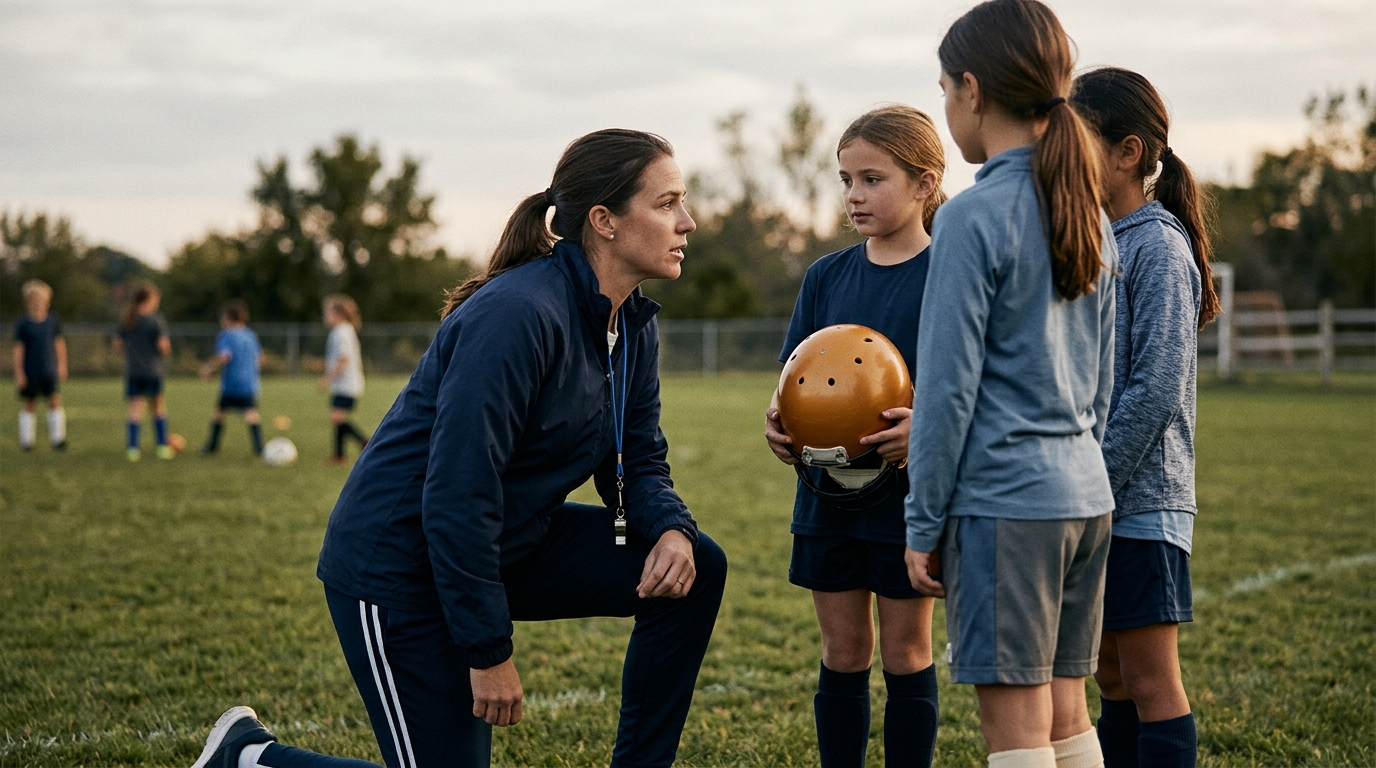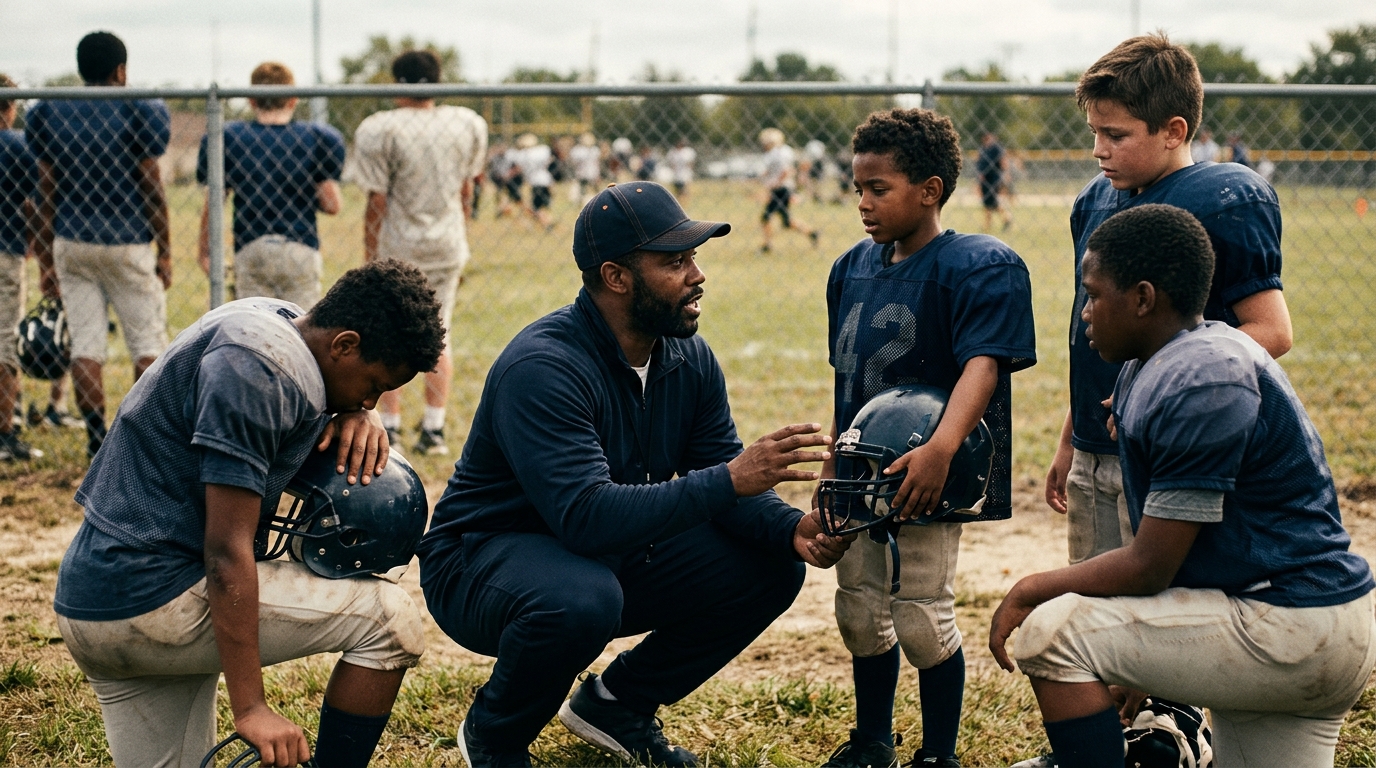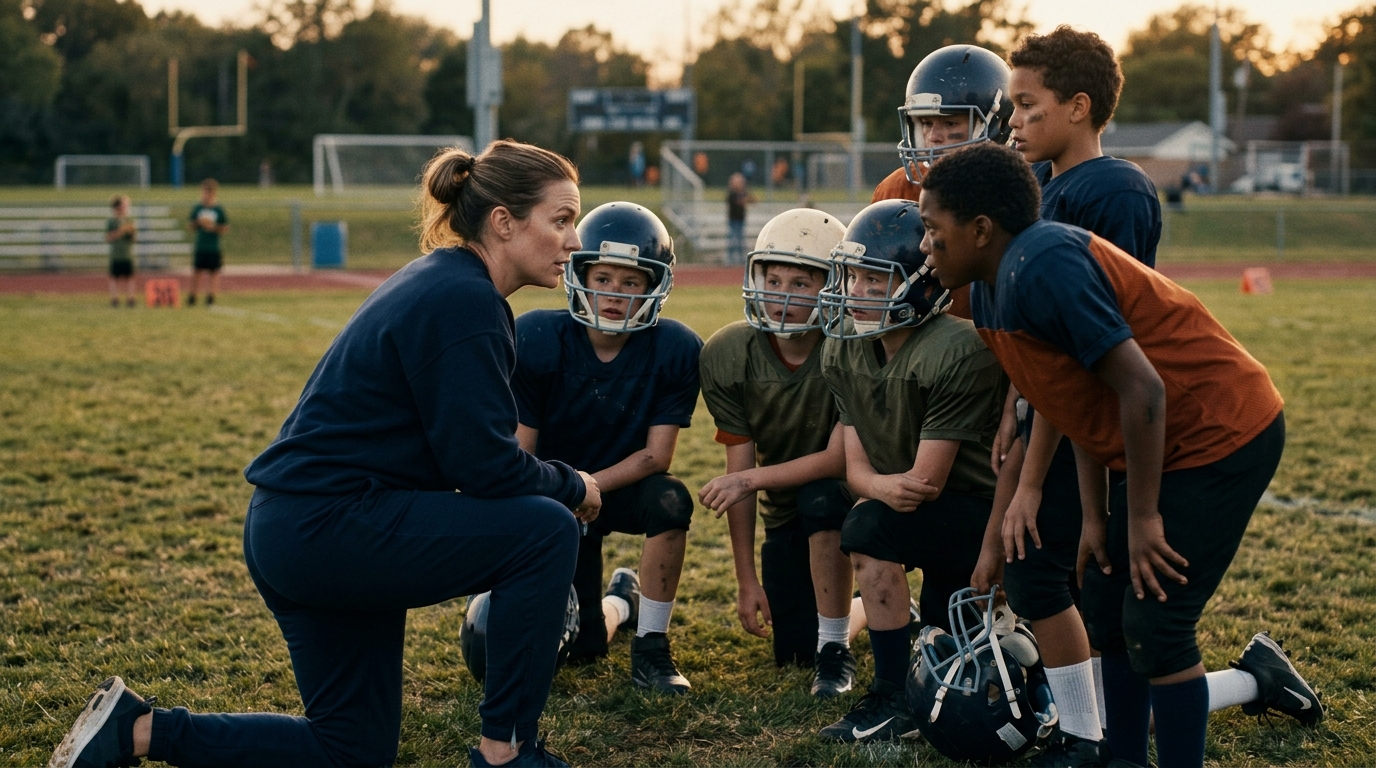

It was the second week of the season, and one of the kids asked me in front of everybody, “Coach, who are the captains?”
You could feel the whole line lean in.
A couple kids stood a little taller. One kid looked at the ground right away. Another started pointing at who he thought it should be. That’s how fast this stuff turns from a team question into a pecking-order problem.
I told them, “I don’t know yet.”
Not because I was unprepared. Because I’ve learned that naming captains too early usually rewards confidence before it rewards consistency.
And those are not the same thing.
Early captain picks can lock in the wrong message
Coaches feel pressure to name captains fast. Parents ask. Players wonder. Some leagues practically expect it. It seems harmless enough. Pick your hardest worker, your best player, or your loudest leader and move on.
But early in a season, you’re usually choosing based on reputation, personality, or last year’s leftovers.
You are not choosing based on what this team actually needs right now.
I’ve coached long enough to know the kid who talks first is not always the kid the team follows when things get shaky. I’ve also seen the quiet kid who stacks good days, helps teammates, takes correction well, and becomes the steady center of the group by week four.
That kid gets missed when you rush it.
Leadership shows up in repeat behavior before it shows up in speeches.
Wait until the team gives you real evidence
If I can, I wait.
Not forever. Kids do benefit from having leadership roles defined. But I want enough practice time, enough transitions, enough scrimmage moments, and enough small frustrations to see who can actually handle responsibility.
Anybody can look like a captain during introductions.
I want to know:
- Who helps reset a drill when it gets sloppy?
- Who listens the first time?
- Who includes the kid hanging on the edge?
- Who responds well when they are not playing their best?
- Who can talk to teammates without sounding like a second coach?
- Who brings energy without bringing drama?
Those answers rarely show up on day one.
They show up when practice runs long, when the team loses a scrimmage, when somebody has to carry equipment, when a teammate melts down after an error, when players are tired of hearing your voice and have to choose how they carry themselves anyway.
That’s where your leaders are.
Tell the team what you are watching
The mistake isn’t waiting.
The mistake is waiting without explaining anything.
If kids think captain status is a mystery, they’ll fill in the blanks themselves. Usually with “best player,” “coach’s favorite,” or “who scores the most.” None of that helps.
So I say it plainly.
Something like: “I’m not naming captains yet because I want to see leadership, not just hear it. I’m watching who is dependable, who helps the group, who competes the right way, and who handles tough moments well.”
Now the standard is out in the open.
That changes behavior in a good way. Kids stop chasing the label and start noticing the habits tied to it.
And if they don’t get picked later, it doesn’t feel random.
Use small leadership jobs before big titles
You don’t need to leave a vacuum while you wait.
Give players little chances to lead before handing out permanent titles.
- Let different players lead warm-ups.
- Put one player in charge of equipment check-in.
- Have a pair of players run the team break.
- Ask someone to help a younger or newer teammate through a drill.
- Rotate who speaks for the group after a scrimmage.
This does two things.
First, it lets you see who can handle responsibility when it’s real, not ceremonial.
Second, it shows the team that leadership is something you do, not something you get handed and then wear around like a badge.
I’ve had seasons where the best captain choice became obvious only after a kid handled three or four of these small jobs the right way. No speeches. No campaigning. Just trust earned in plain view.
Sometimes the best move is no captains at all
This won’t fit every team, but it’s worth saying.
Some groups do better without formal captains.
If you have a young team, a team with shifting attendance, or a roster where slapping a title on one or two kids will create more distance than direction, skip it. You can still build accountability. You can still teach leadership. You can still hold standards.
Not every team needs a patch, a title, or a coin toss representative to function well.
Sometimes “everybody has a job” is healthier than “these two matter most.”
Team culture gets stronger when kids see responsibility as shared, not reserved.
What waiting really protects
When coaches rush captain picks, they think they are creating order.
Sometimes they are actually freezing the social ladder before the team has had a chance to become a team.
Waiting protects late bloomers. It protects the quiet kid with substance. It protects the group from turning leadership into a popularity contest. And it protects you from making a choice in September that you’ll spend the rest of the season managing around.
I’ve made the early pick before. Most coaches have. You choose the obvious kid, and two weeks later you realize the title means more to them than the responsibility does. Now you’ve got a leader who likes being seen as a leader more than doing the hard little things leadership requires.
That’s a tough thing for a team to watch.
So yes, pick captains if it fits your team.
Just not before the team has shown you who can steady the room, carry the standard, and make other players better to be around.
That answer usually comes later than adults want.
But right on time for the season.