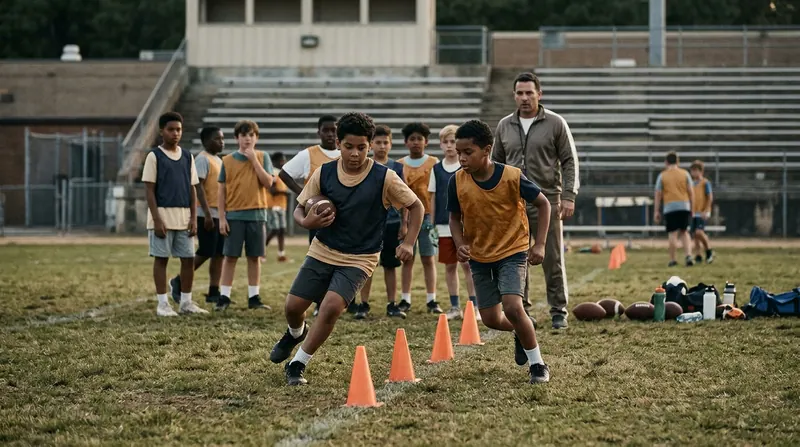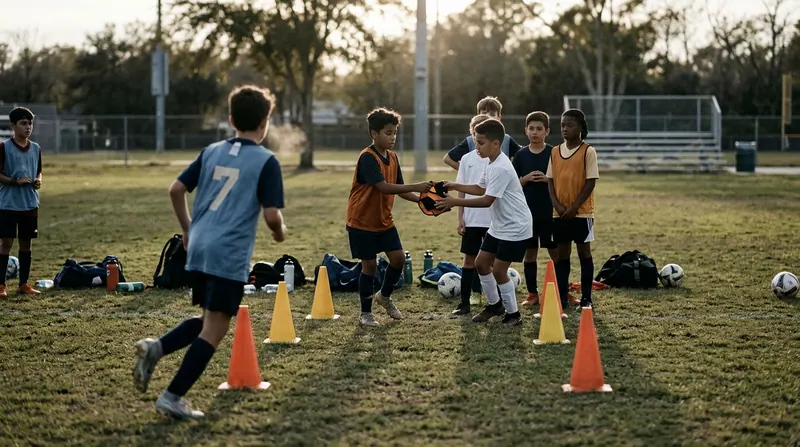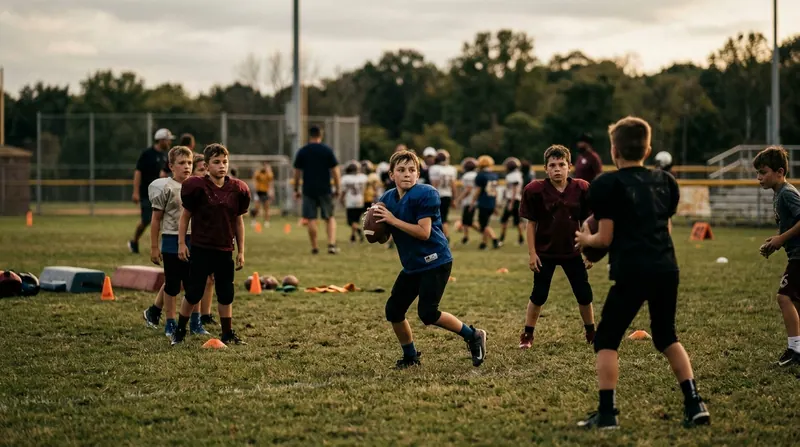
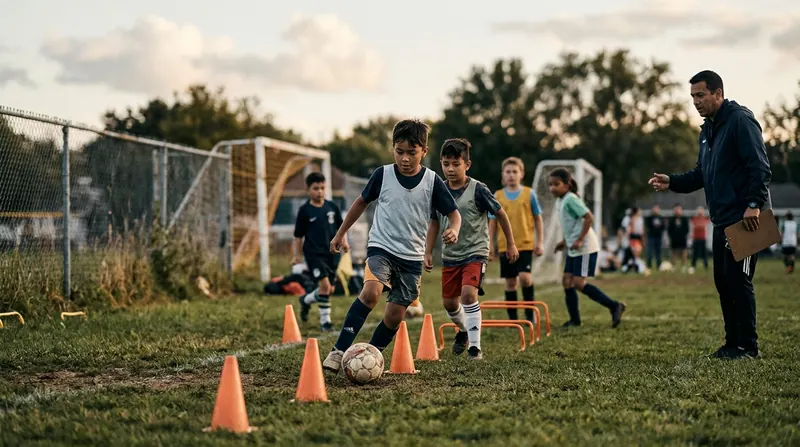
Three minutes left. One kid is tying a shoe in the corner. Two are asking if they’re done for the day. Your goalie thinks the score is tied when you’re actually up one. You yell, “Last few minutes, lock in,” and everybody hears something different.
That’s the part a lot of teams never practice: the messy, tired, loud ending.
I’ve seen plenty of youth practices where the first 45 minutes are organized and the last 10 turn into loose scrimmage and cleanup. Then game day shows up with one goal to defend, one run to protect, one basket to chase, and kids are supposed to suddenly look composed in a situation they barely rehearse.
They won’t. Not because they’re lazy. Because endings are their own skill.
A simple fix is to build a 10-minute endgame block into practice once or twice a week. Not a lecture about “wanting it more.” Not a full-team speech about poise. Just a short, repeatable live segment where kids learn what the end of a close game actually feels like.
What the 10-minute block looks like
Set the score. Set the clock. Set the job.
That’s it.
You create one game-like situation and run it live with normal rules for a short window. Keep it age-appropriate and simple enough that kids can play fast.
- Minutes 1-2: Explain the scenario.
- Minutes 3-6: Run it live.
- Minute 7: Freeze and reset one teaching point.
- Minutes 8-10: Run it live again.
Examples:
- Soccer: Up 1 with 3:00 left. One team protects the lead. One team chases the equalizer.
- Basketball: Down 2 with 1:20 left. One timeout left. Who inbounds, who spaces, who talks?
- Baseball/softball: Runner on third, one out, tie game. Infield in. What’s the play at contact?
- Volleyball: 23-22. First ball matters. Who calls it? Where does the free ball go?
- Lacrosse/field hockey: Man-up or man-down late. Clear rules. Ride rules. Bench communication.
The point is not fancy strategy. The point is recognition.
Kids get calmer when the moment starts to look familiar.
Give each group one clear win condition
This is where coaches talk too much. If the team protecting a lead has six instructions, they’ll remember none of them. If the team trying to come back hears a full speech, they’ll rush the first rep and learn nothing.
Pick one priority per side.
- Protecting the lead: Keep the ball, make the easy play, communicate the restart.
- Trying to score: Restart fast, attack with width, crash for second chances.
- Defending late: First stop the ball, then match up, then talk.
- Offense late: Get organized before you get hurried.
Short beats smart-sounding. Every time.
Assign jobs before the whistle
This is the part that saves the drill.
In youth sports, late-game chaos usually comes from kids not knowing who owns the next action. Who gets the throw-in? Who takes the dead ball? Who covers the middle? Who grabs the rebound side? Who is the cutoff? Who is the first voice?
Before you start, name the jobs.
- Who restarts play
- Who is the safety valve
- Who is the loud communicator
- Who protects the middle
- Who goes first if possession changes
You’re not scripting every move. You’re removing the dead air.
That dead air is where games get away from kids.
Keep the score pressure real enough to matter
You don’t need to scream, pace, or turn it into a movie scene. Just make the scenario count.
Put the score where they can see it. Count the clock down out loud. If the group protecting the lead gives up a bad restart, call it what it is. If the chasing group wastes 20 seconds arguing, let them feel that mistake.
Practice should have consequences small enough to teach and safe enough to repeat.
That’s a sweet spot youth coaches miss all the time. We either make drills so soft nothing matters, or so intense kids get robotic. Endgame work should feel sharp, not heavy.
Don’t fix five things at once
After the first live segment, resist the urge to empty your whole clipboard.
Pick the biggest leak and fix that.
Maybe your team up one keeps forcing long balls instead of connecting the first easy pass. Maybe your defense collapses too far and gives up the edge. Maybe your bench is yelling nonsense while nobody on the field is giving useful information.
Good. Fix one thing. Run it again.
If you stop play to correct everything, they learn to wait for you instead of reading it themselves.
Rotate kids through meaningful spots
Don’t let your usual “trusted” players own every endgame rep.
Yes, your top kids need these reps. So do the others.
The second line winger needs to know how to protect a sideline ball late. The backup catcher needs a live rep settling a nervous inning. The defender who gets quieter when tired needs practice being the one who talks.
You’re not just preparing for the perfect lineup. You’re preparing for real youth sports, where somebody is absent, somebody is cramping, somebody is confused, and somebody unexpected is suddenly in the middle of the play.
Use the same language every time
Teams settle down when the language is familiar.
Maybe your phrases are:
- “Score, clock, job.”
- “First safe play.”
- “Stop ball, then sort out.”
- “Don’t rush organized.”
Simple language gives kids something to grab when the game speeds up.
And that’s really what this block is for. Not to make 10-year-olds look like pros. Not to install a masterpiece. Just to make the last few minutes feel less random.
Because if the first time your team practices protecting a lead is while parents are standing and the ref is checking a watch, you waited too long.
Run the ending before the ending shows up.