It was five minutes before first pitch, and I was watching the same scene I’ve seen a hundred times. Helmets half-buckled. One kid chasing a foul ball that wasn’t his. Two players talking about snacks. And one quieter player standing near the bat rack, seeing everything and saying nothing while the louder kids filled every inch of air.
So I handed that quiet player one job.
“You’re in charge of the first equipment check. Make sure every catcher’s piece is where it belongs and tell me what’s missing.”
His whole posture changed. Shoulders up. Eyes locked in. Voice still soft, but now it had a reason to come out.
That’s something a lot of coaches miss: not every leadership move needs to start with your most confident kid.
Sometimes the best culture decision you can make is giving the quiet kid a loud job.
Not every leader looks like your captain
Coaches usually notice the obvious communicators first. The kid who talks constantly. The one who breaks the huddle down too early. The one who has opinions on every drill whether you asked or not.
There’s value there. Energy matters. Voice matters. But if those are the only kids you trust with responsibility, your team starts to confuse volume with leadership.
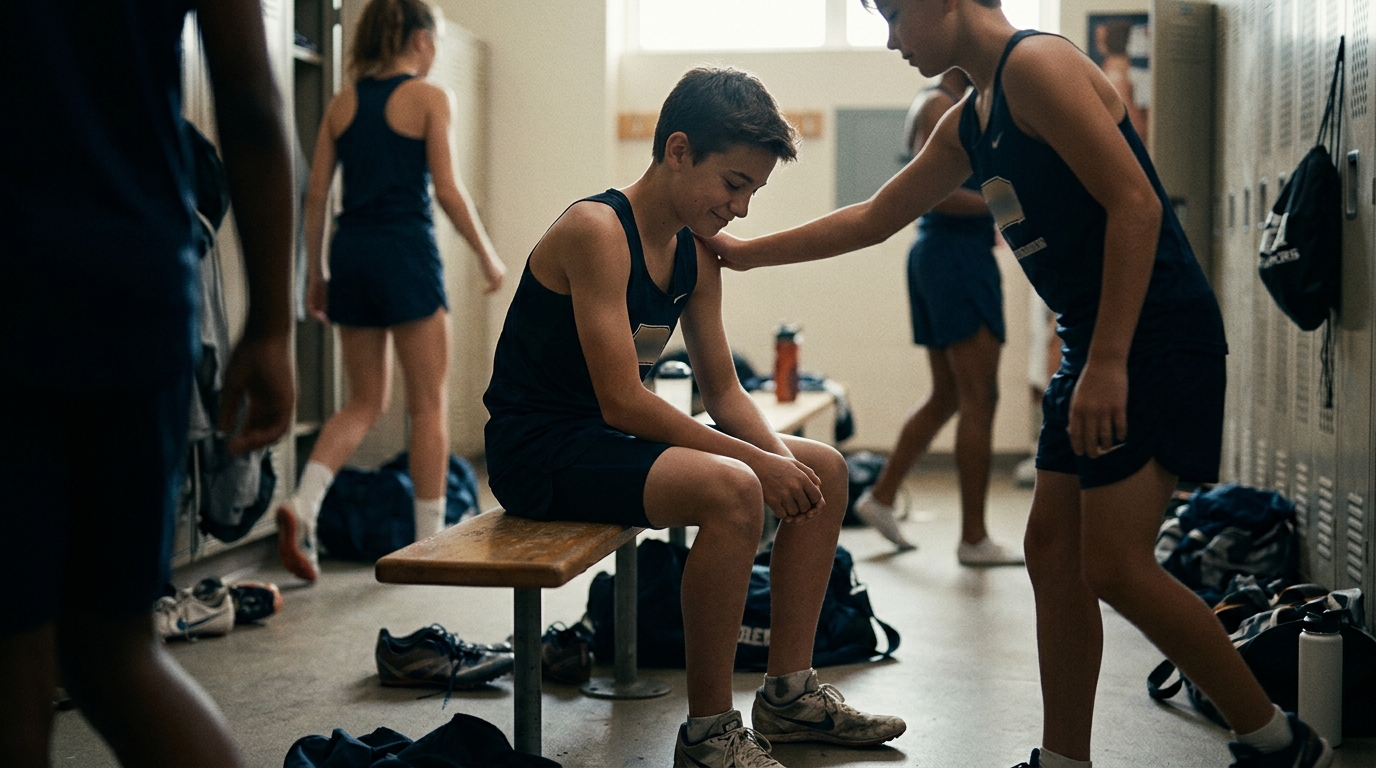
I’ve coached long enough to know there’s another kind of kid on almost every roster. The observer. The steady one. The player who listens the first time. The one teammates like, even if that player isn’t the center of attention. That kid often gets labeled as shy, when really they may just be careful, thoughtful, or waiting for a reason to step forward.
Giving that player a visible responsibility does two things at once: it builds the player, and it teaches the team what leadership can look like.
Pick jobs that matter, not fake jobs
Kids can smell a made-up leadership assignment from a mile away.
If the job feels like busy work, it won’t help. If it has no effect on the group, it won’t carry any weight. The goal is not to “include” a kid with a harmless little title. The goal is to trust them with something real.
Good loud jobs for quieter players usually have three qualities:
- They are visible. Other players can see the responsibility happening.
- They are useful. The team actually functions better when the job is done well.
- They require a voice. The player has to speak up, even briefly.
That might mean leading the reset between stations, checking that practice gear is collected, calling jersey numbers for the next group, tracking who’s up in a drill, running the pregame handshake line, or reporting whether the field setup is complete.
Nothing fancy. Just real jobs that carry a little social weight.
Don’t throw them onstage without a script
Here’s where coaches can blow it. They finally give a quieter kid responsibility, then make it feel like a public test.
“Alright, you lead everybody.”
That’s too big for most kids if they haven’t done it before.
What works better is giving a narrow role and exact words.
I’ve said things like:
- “At water, I want you to say, ‘Blue group to the cages, red group to infield.’”
- “Before we leave the bench, ask, ‘Does everybody have their helmet and glove?’”
- “When drill two ends, call out the next three names.”
That’s coaching, not guessing. You’re not asking for charisma. You’re building reps.
And reps matter. A kid doesn’t become more comfortable using their voice because you gave a speech about confidence. They get there because they used it in a moment that counted, then did it again the next week.
Sometimes a player doesn’t need a bigger personality. They need a clear assignment.
The team is always watching what you reward
This is the part that matters beyond one player.
When your team sees you trust a quieter kid with responsibility, you widen the definition of who matters. You show that attentiveness counts. Reliability counts. Calm counts.
That changes team culture in a healthy way.
I’ve seen teams where only the most outgoing kids got to speak, lead stretches, break huddles, or relay instructions. Over time, everybody else learned the same lesson: leadership belongs to them, not us.
That’s not a talent issue. That’s a coaching choice.
Culture gets stronger when more kids feel ownership. Not fake ownership. Actual ownership. A role. A task. A contribution the group notices.
Start small and rotate on purpose
You do not need to turn this into a formal program. Just be intentional for a month.
Look at your roster and ask yourself one honest question: Which kid almost never has to use their voice here?
Start there.
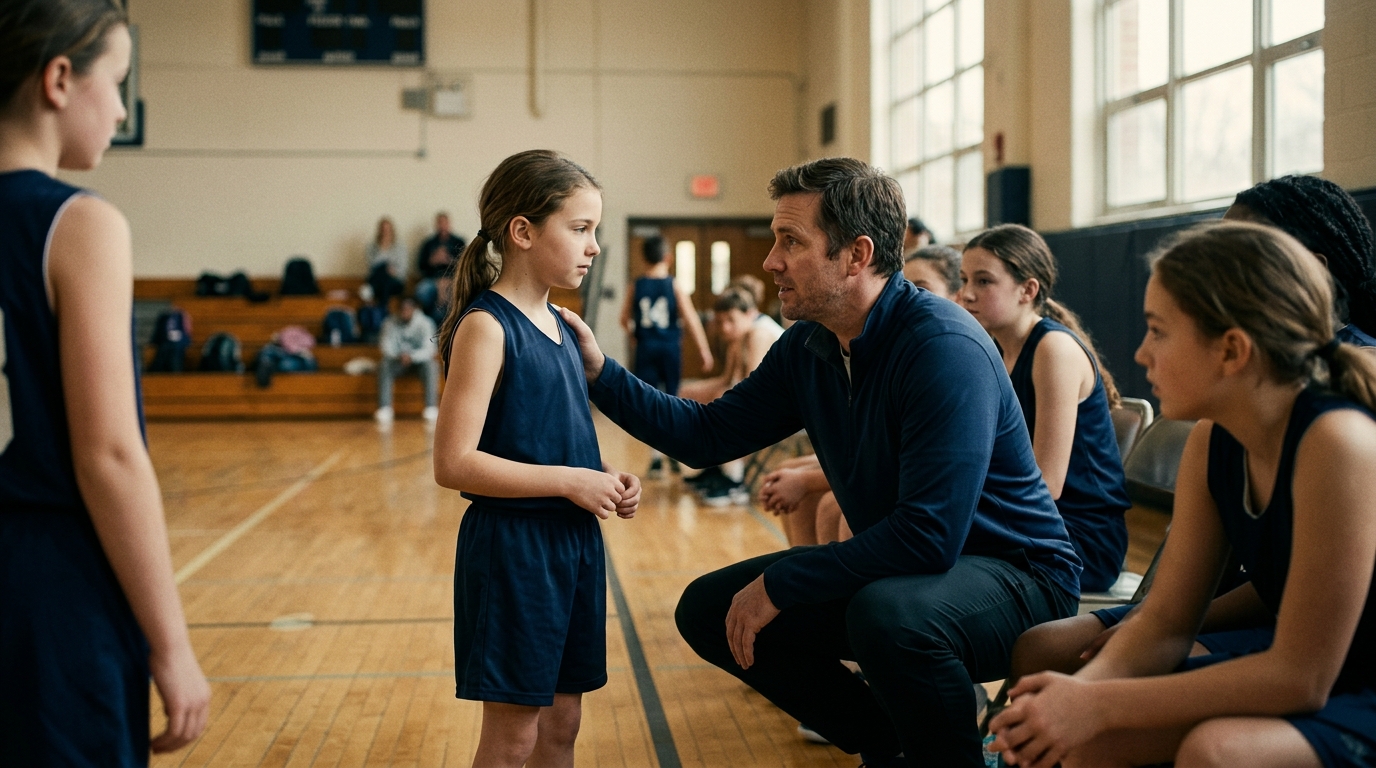
Give that player one responsibility this week. Keep it specific. Let them know ahead of time. Stay close enough to support it without hovering. Then, when they do it, acknowledge the job itself.
Not, “See, you can do it.”
Just, “That helped us. Nice job getting everybody set.”
That lands better. It treats the player like a contributor, not a project.
Then keep going. Another quiet kid next week. Another real job after that.
You’re not trying to turn every player into the loudest voice in the huddle. You’re trying to build a team where kids learn that leadership is something you practice, not something you’re born already doing.
And some of the best steps forward start with the kids who were never going to ask for the microphone.