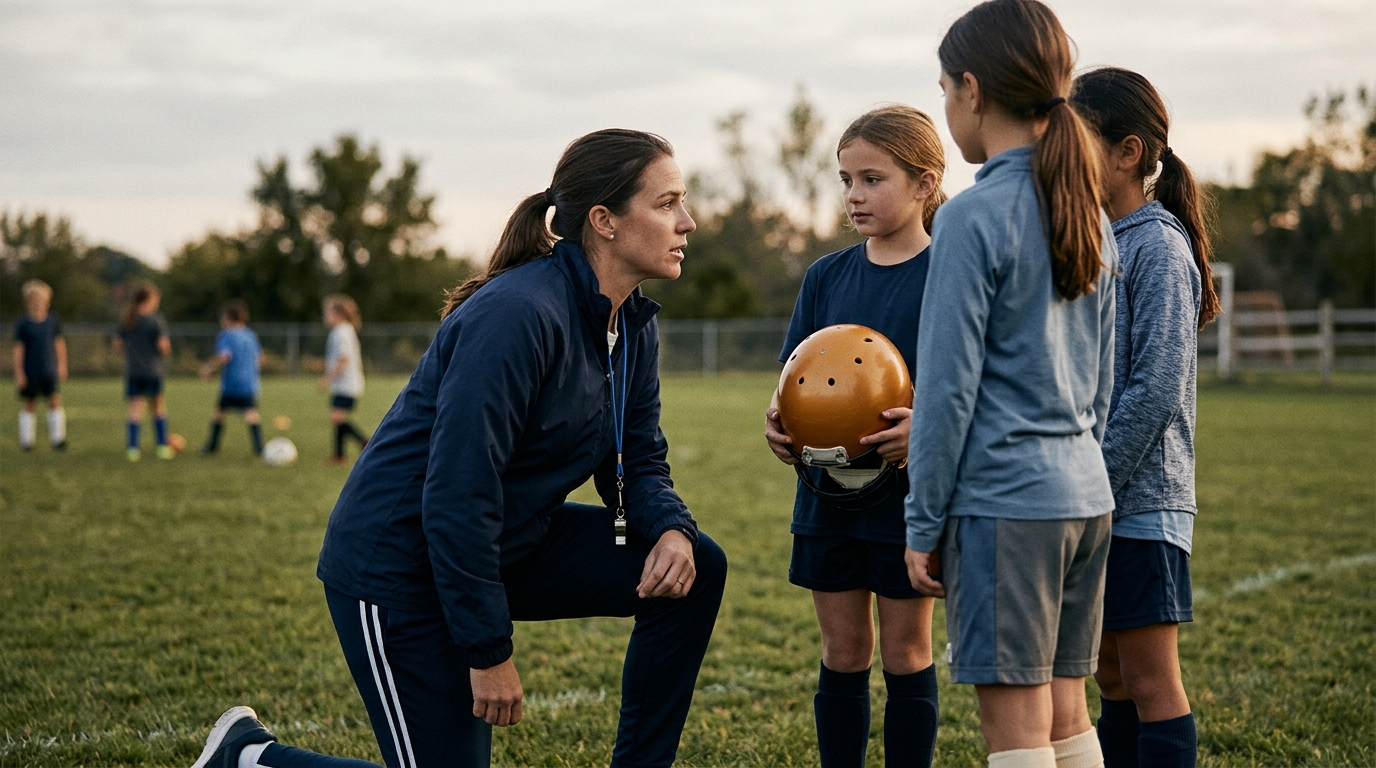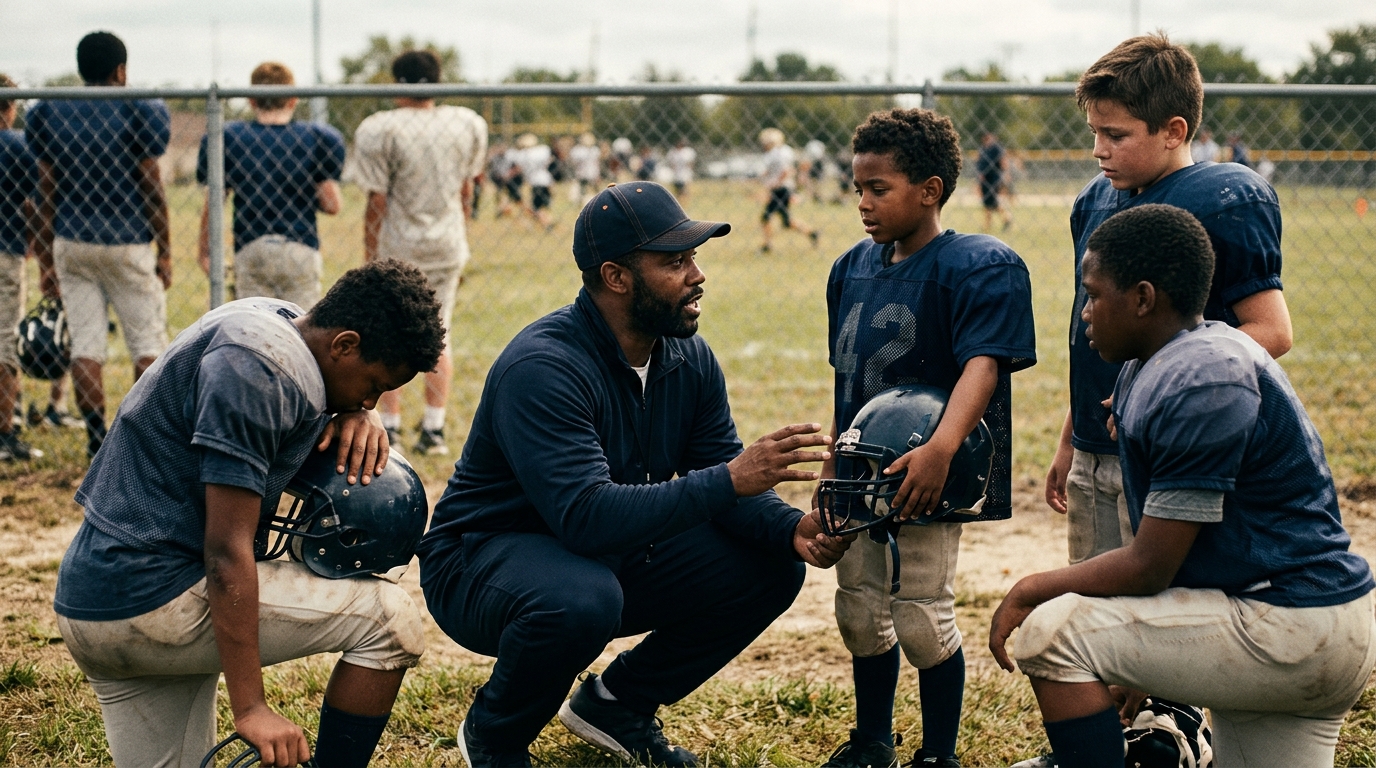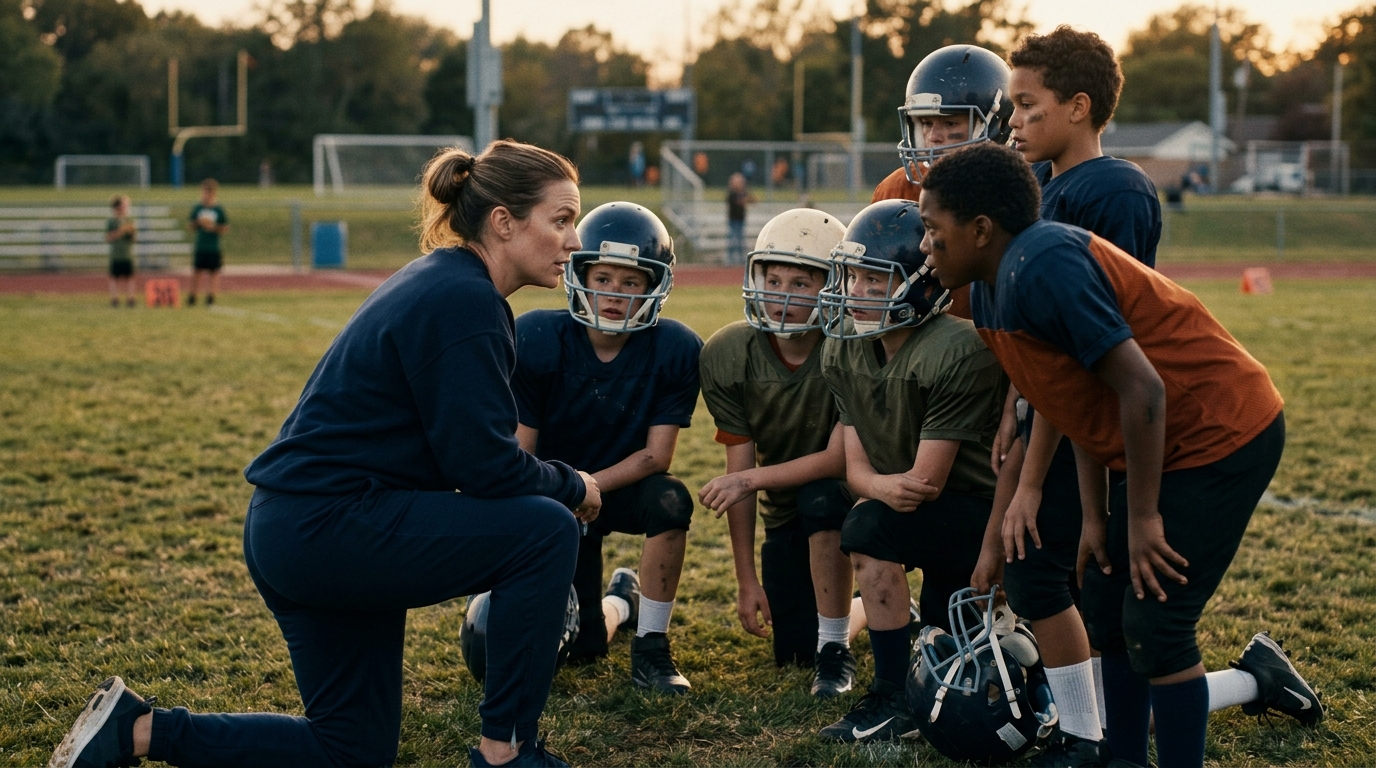

Most adults go straight to the visible stuff: more reps, better drills, extra ice time, another lesson, another tournament. Meanwhile, a kid can have the skill and still freeze after one mistake, spiral after a turnover, or spend half the game arguing with themselves in their own head. That part matters too. A lot.
I’ve watched players dominate warmups, then shrink the second the game got loud. I’ve watched a kid make one bad pass, drop their shoulders, and basically disappear for the next ten minutes. Same athlete. Same skill set. Different headspace.
That’s why mental skills aren’t extra. They’re part of the job. If we want kids to perform well and enjoy sports long enough to stay in them, we have to teach them what to do with nerves, mistakes, pressure, and self-talk.
Why Mental Skills Matter in Youth Sports
Youth sports can get heavy fast. A coach wants execution. A parent wants effort. Teammates want trust. The kid just wants to not mess up in front of everybody. That’s a lot to carry when you’re still learning how to handle emotions in regular life, never mind in a game.
Over the years, I’ve seen plenty of athletes who didn’t need a new move nearly as much as they needed a better reset. Not because they were soft. Because they were human. Kids get distracted. They get nervous. They doubt themselves. They overthink. Left alone, that can turn a good season into burnout.
Mental skills give them a playbook for the moments that usually knock them off track: staying calm, focusing on the next job, bouncing back after errors, and keeping confidence from swinging wildly with every result.
The goal is not to raise emotionless robots. The goal is to help kids recover faster.
Just like footwork or shooting form, mindset can be practiced.
Key Mental Skills Every Young Athlete Should Learn
You do not need a psychology degree to start this. You need a little intention, simple language, and repetition. The best mental tools for kids are usually the ones they can remember in the middle of a messy game.
1. Confidence Building
Confidence is rarely magic. It’s usually evidence plus repetition. Kids build it when they notice what’s going well, hear language that helps, and learn that one bad moment doesn’t erase what they can do.
- Teach better self-talk: When a kid says, “I always mess up,” that’s a cue. Help them replace it with something useful like “I’ve practiced this,” or “Next one.”
- Review what worked: After practice or games, ask, “What did you do well today?” Not to inflate them. To train them to notice real wins.
- Praise effort and choices: Hustle, bravery, focus, recovery, communication. Those are repeatable. Scoreboards are not always.
I’ve had athletes light up when an adult finally praised the sprint back on defense instead of only the goal. That stuff sticks.
2. Goal Setting
Kids do better when the target is clear. Not vague, not giant, not someday. Clear.
- Short-term goals: “I want five strong passes today.”
- Long-term goals: “I want to earn a starting spot by season’s end.”
- Track progress: Write it down. Check in. Celebrate the small steps, because that’s where most growth lives.
On the sideline, I’ve seen kids play tighter when the only goal was “be amazing.” Give them something they can actually chase, and they usually settle down.
3. Focus and Concentration
Yes, kids drift. They notice the crowd, the scoreboard, the snack table, the last mistake, the next rotation. Normal. Focus is a skill, not a personality trait.
Before practice or games, give them one simple check-in:
- “What’s one thing you want to do well today?”
- “What kind of energy are you bringing?”
That small pause helps connect their brain to their body before the chaos starts.
Attention usually gets better when the instruction gets simpler.
4. Handling Mistakes
This one changes everything. Mistakes are guaranteed. The response is trainable.
One easy tool is the flush method. Bad turnover? Missed shot? Botched play? Picture flushing it away. Add one deep breath. Add a reset phrase like “next play.” It sounds a little goofy, which is part of why kids remember it.
I’ve used versions of this with athletes who used to carry one error for an entire half. Once they had a reset routine, they stopped treating mistakes like a personal identity statement.
A mistake is an event. Not a label.
5. Mental Imagery
Seeing success in your mind helps performance feel familiar before it happens for real. That’s useful, especially for nervous kids.
Keep it simple:
- Close your eyes.
- Picture the field, court, rink, or mat.
- See yourself moving with confidence and control.
- Imagine the sounds, pace, and feeling of doing it well.
Before games, before bed, even for thirty seconds. Done consistently, imagery can help athletes feel more prepared and less surprised by pressure.
How to Introduce Mental Skills to Young Athletes
If it feels like homework, you’ll lose them. If it feels like part of sports, you’ve got a chance.
The best results usually come from keeping it light, normal, and repeatable. Over time, these tools become habits.
- Start small: Pick one skill, not five.
- Make it game-like: Use focus drills, breathing challenges, quick reset routines.
- Talk about it often: Ask what they told themselves after a mistake or how they got locked back in.
- Model it: Adults matter here. Stay steady. Own your mistakes. Show them what a reset looks like.
I’ve seen coaches do great work just by making mindset talk normal instead of dramatic. No big speech. Just consistent reminders in real moments.
Building Mental Strength Beyond the Field
This stuff carries over. A kid who learns how to calm down, regroup, and keep going after a rough shift or rough inning is learning more than sports. They’re learning resilience, self-awareness, and how not to fall apart every time something goes sideways.
Not every athlete grabs onto mental training right away. Some love it immediately. Some need time. That’s fine. Progress beats perfection here, every time.
We’re not trying to build flawless athletes. We’re trying to build steady ones.
Final Thoughts
Teaching mental skills gives young athletes tools they can actually use when the pressure shows up: confidence, focus, emotional control, and the ability to move on. Those tools help them in games, in practice, and far beyond both.
If you’re a coach or parent wondering where to begin, keep it simple. Keep it consistent. Keep it human. The mental side does not need to be complicated to be powerful.
If you want support getting started, Voluntold has tools for first-time and rookie coaches, resources for youth sports parents, and mental performance coaching for athletes who need more structured mindset support.