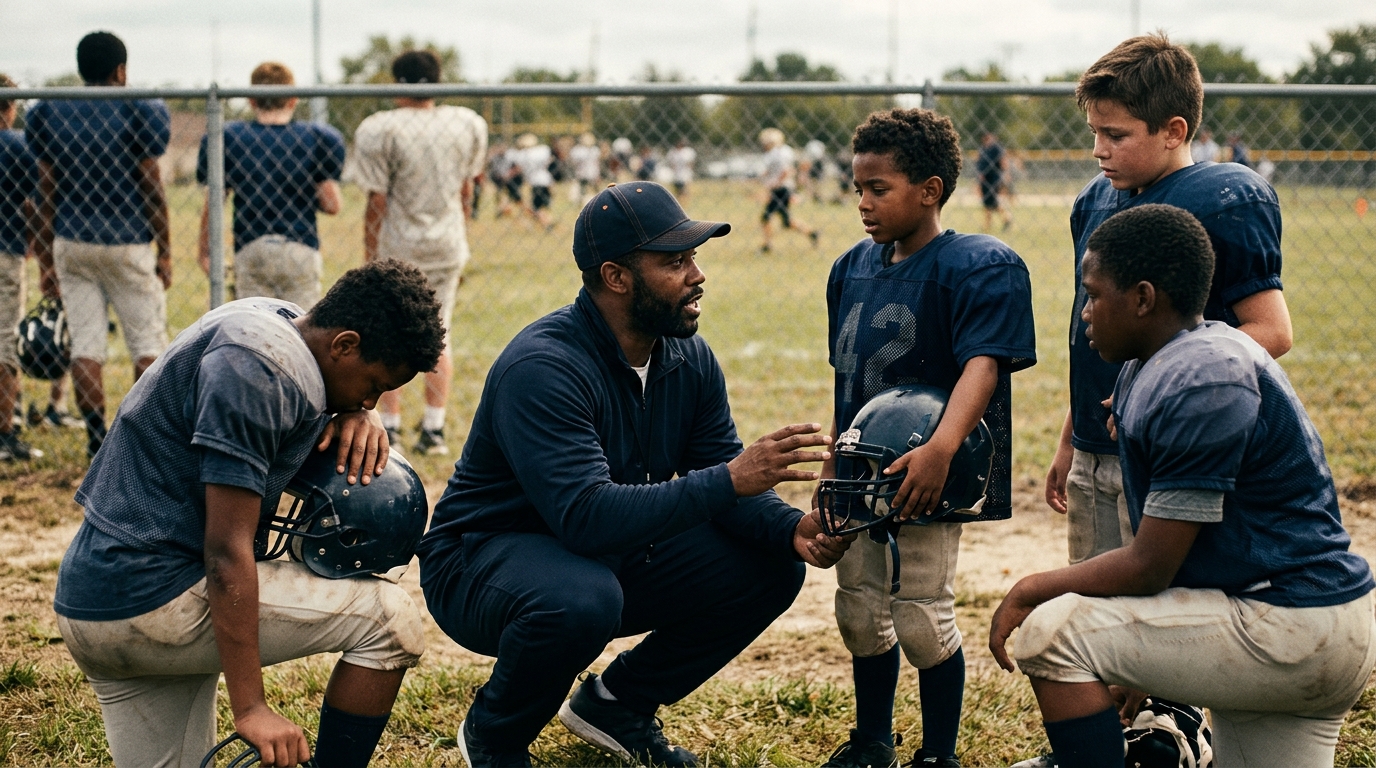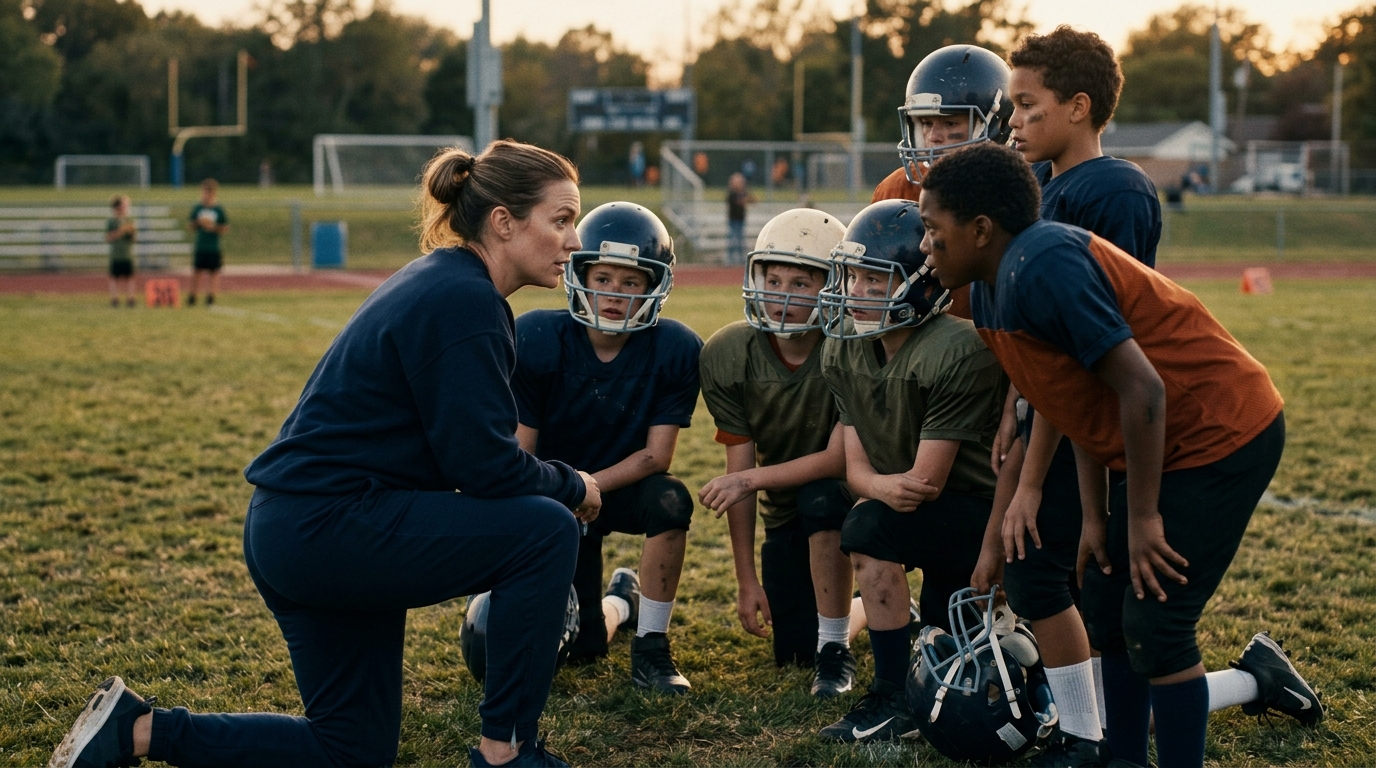

Third inning, one kid is standing in right field tying his shoe with two outs. Another is halfway to the dugout because he thought we were changing sides. A pitcher is staring at me, waiting to find out if he’s done or staying in. Meanwhile, the parents think the team looks scattered. Truth is, the kids weren’t the problem. The adults were late with information.
That’s the day I got even stricter about one simple coaching habit: announce the change before the change happens.
Not during. Not after confusion starts. Before.
Who’s going in next. Which group rotates next. Whether this is the last rep. Whether we’re staying at a station for one more minute. Whether the catcher is finishing the inning. Whether the next line is defense first or offense first. Kids handle change a lot better when it doesn’t sneak up on them.
The chaos usually starts with the coach
I’ve coached long enough to know this one hurts a little, because it feels small. You think, They’ll figure it out. Sometimes they do. But younger players especially spend a lot of energy just keeping up with the basic flow of practice and games. If they’re always guessing what comes next, that guessing eats up attention you want going toward effort, positioning, and listening.
I’ve seen it in every sport setting. A kid checks out because he thought his turn was over. A player misses the teaching point because she’s busy wondering if she’s next in line. A sub walks onto the field late and gets blamed for not being ready, when nobody gave him a real heads-up.
That’s not a discipline issue. That’s an information issue.
Surprise is fun at birthdays. It’s not that helpful in youth sports logistics.
What this looks like in real time
The tactic is simple: give a short preview 10 to 30 seconds before a transition, substitution, or role change.
That means saying things like:
- “Two more reps, then we switch sides.”
- “Maya, you’re in at center after this play.”
- “This is the last minute here, then water.”
- “Catchers, finish this round. Pitchers, you’re up next.”
- “After Ben hits, defense is rotating.”
That one sentence changes the whole feel of a practice. Kids stop asking, “Am I up?” every 14 seconds. They move faster between tasks. They recover better from coming out of a drill or a game because they saw it coming.
And here’s the part coaches miss: this helps your sharper, more driven players too. The high-motor kids are usually the ones most frustrated by disorganization. They don’t like standing around any more than you do.
It lowers friction without a big speech
Most practice problems aren’t really effort problems. They’re transition problems.
Lines get messy in transitions. Focus drifts in transitions. Side conversations start in transitions. Equipment gets kicked around in transitions. Then coaches respond by talking longer and louder, which usually makes the transition slower.
A clean early warning fixes a lot of that.
I learned this the hard way. Early on, I used to coach the current rep while also mentally planning the next three things. In my head, the plan was clear. To the players, it looked like random lane changes with a whistle.
That’s when you get the look every coach knows: kids half-moving, half-watching, waiting for more clues. They’re not being lazy. They’re trying not to be wrong.
Once I started previewing the next move out loud, practices got smoother fast. Not fancier. Smoother. And smoother practices usually become better practices.
Use it most when emotions are already hot
This matters even more around moments kids feel deeply.
Coming off the mound. Leaving a scrimmage group. Moving from infield to outfield. Sitting after an error. Getting bumped from first unit to second unit for a segment. If a player feels a change before they understand it, they’ll often write their own story about what it means.
Usually that story is harsher than reality.
So be early and be plain.
“You’re finishing this inning, then Jake’s taking the next one.”
“Three reps here, then I want you on the other side working footwork.”
“You’re not done. I’m just changing the matchup next round.”
You don’t need a seminar. You need clarity before the player starts guessing.
Kids can handle hard things better than vague things.
This is not coddling
Some coaches hear this kind of advice and think it sounds soft. It’s not soft. It’s organized.
We’re not protecting players from every disappointment. We’re removing avoidable confusion. There’s a big difference. Sports already give kids plenty to deal with: mistakes, competition, sitting, losing, adjusting, waiting their turn. We don’t need to pile on by being unclear about basic flow.
Good team culture is not just built on standards. It’s built on predictability. Not boring predictability. Functional predictability. Players trust a practice more when they know the adults are steering it on purpose.
Where to start this week
Pick one part of your next practice or game where things usually get sloppy. Maybe it’s substitutions. Maybe it’s station changes. Maybe it’s the move from warm-up into the first real teaching block.
Your job is to get one beat earlier with your words.
- Before a sub, tell the player he’s next.
- Before a rotation, name how many reps are left.
- Before water, say when it’s coming.
- Before a role change, explain it in one sentence.
That’s it. Nothing fancy.
You’ll notice fewer wandering eyes. Fewer repeated questions. Fewer kids moving like they just got dropped into the middle of a movie.
Coaching gets easier when your players don’t have to guess what’s about to happen. A lot of “lack of focus” disappears when the next step is clear.
Say the change before they feel it. That one habit cleans up more than most drills ever will.