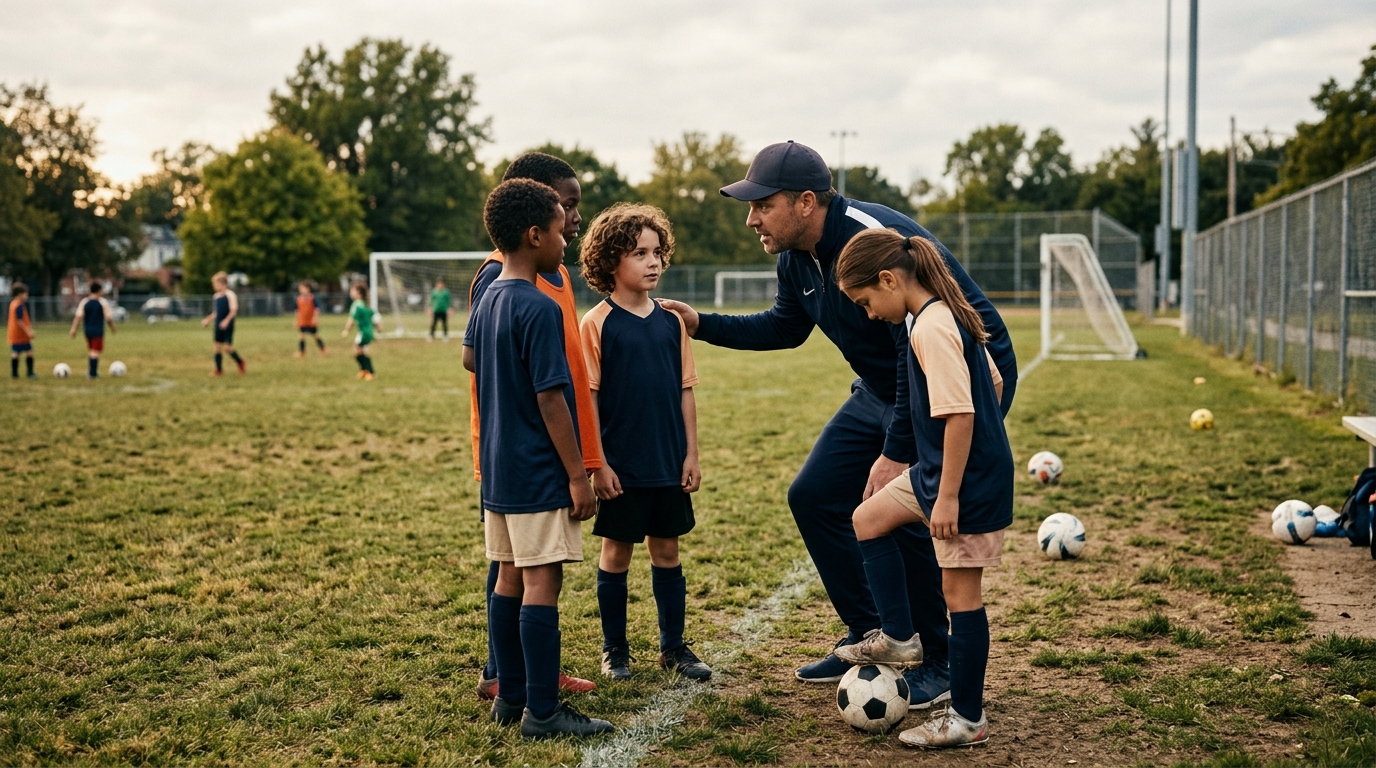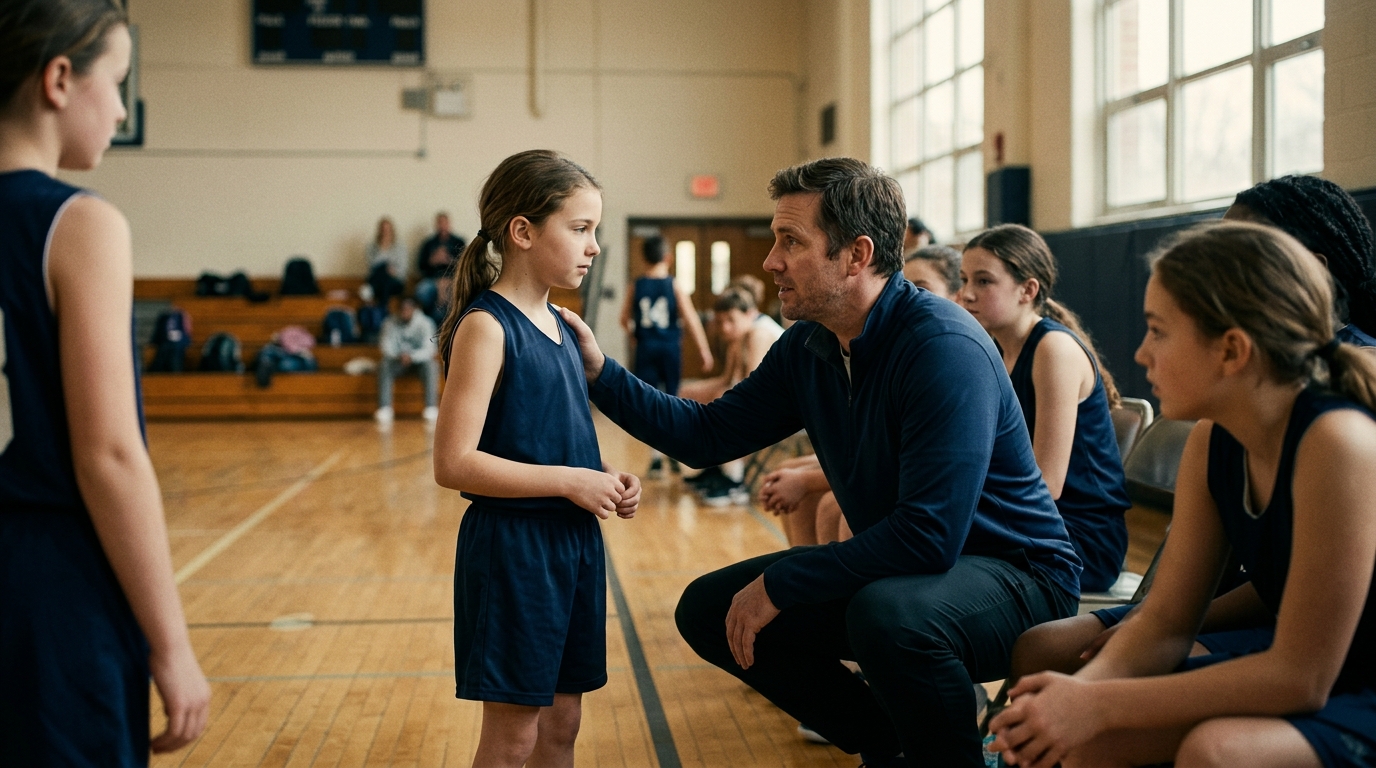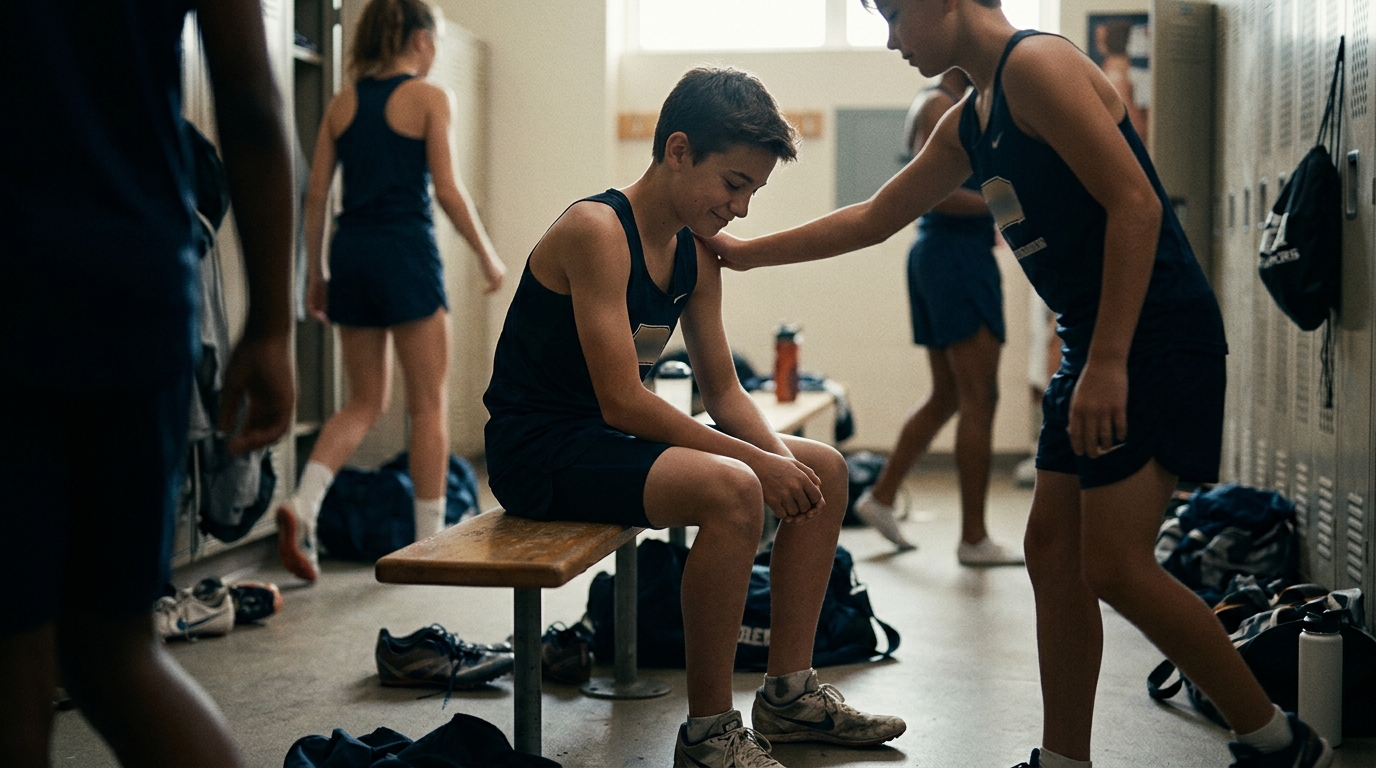
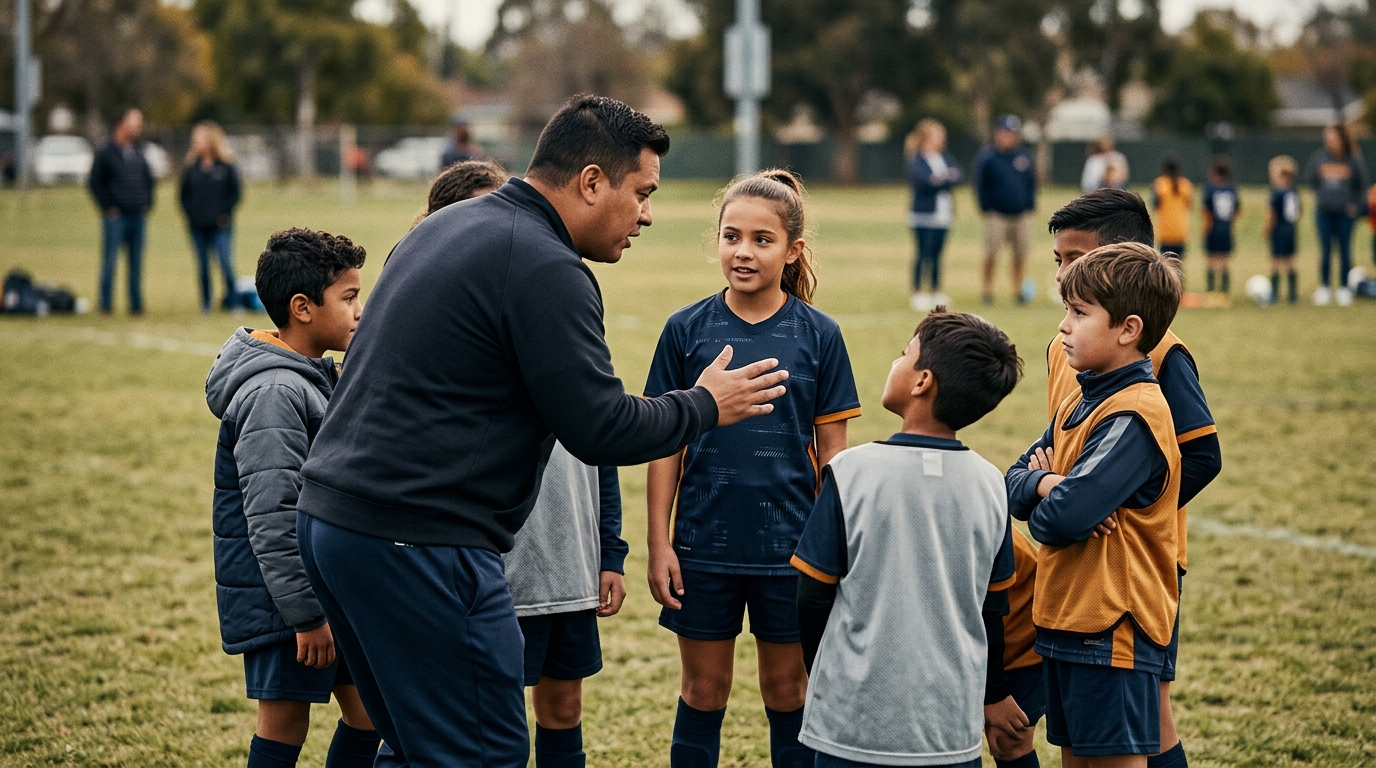
Two minutes into practice, I watched the same thing happen three times in a row.
First kid in line jogged to the cone like he was headed to math class. Everybody behind him matched that speed. The rep dragged. The pass was soft. The finish was late. Then the next group stepped in and copied the same sleepy tempo like it was part of the drill.
Coaches do this all the time without meaning to: we build a decent drill, explain it well enough, and then let the line set the standard instead of us.
That is how an organized practice can still feel dead.
One of the simplest fixes I’ve learned is this: pick the first kid in line on purpose.
The front of the line teaches more than your speech does
I’ve coached long enough to know most kids are not studying the whiteboard. They’re studying the kid who goes first.
If the first rep is sharp, the next six usually tighten up. If the first rep is casual, now you’re correcting energy, pace, and focus before you ever get to the skill you actually wanted to teach.
That front spot is not just a place in line. It’s a message.
When I was younger, I used to think my job was to explain drills better. Sometimes that was true. More often, I needed to stage the drill better.
Kids don’t always need another sentence. They need a clean example at game speed.
Don’t just ask for tempo. Assign it.
If I want a fast, clean start, I put one of my most reliable movers first. Not always my best player. My most reliable one.
The kid who listens quickly. The kid who changes speed on command. The kid who finishes all the way through the rep instead of shutting it down halfway.
Then I say something short and clear.
“You’re first. Show the pace.”
That sentence does two things. It gives one kid a job, and it tells everybody else what matters before the drill even begins.
Now I’m not begging the whole group for energy. I’m planting it where everyone can see it.
That works a lot better.
Why this matters more with younger teams
Younger players are copy machines. That can frustrate coaches, or you can use it.
If the first player shuffles with purpose, calls for the ball, and hustles out, the line starts to mirror that. If the first player drifts, mumbles, and forgets the ending, the line mirrors that too.
This is one of those coaching decisions that looks tiny from the outside. It isn’t.
Practice pace is contagious. So is sloppiness.
And once sloppiness spreads through three stations and two water breaks, now you think you have an effort problem, when really you had a setup problem.
How to use it without making the same kid lead everything
You do not need the same player first every time. In fact, don’t do that.
The move is to be intentional, not predictable.
- Start with a reliable kid when the drill is new.
- Move a quieter kid to the front after they’ve seen it done well.
- Put a high-energy kid first when the group needs juice.
- Put a detail kid first when the group needs cleaner footwork or sharper transitions.
Sometimes I’ll even tell a player exactly why they’re up front.
“You’re first because you finish your cuts.”
That kind of praise is useful because it is specific. The team hears what gets trusted. The player hears what to repeat.
That is culture work, not just traffic control.
What to do when the first rep is bad anyway
It happens. The kid you picked bobbles the ball, forgets the pattern, or goes half-speed.
Don’t turn it into a courtroom scene.
Just reset it fast.
“Good. Back up. Show the pace again.”
No lecture. No sarcasm. No ten-second sigh while everybody stares.
You’re not trying to catch kids messing up. You’re trying to establish the picture.
If the picture is blurry, run it again.
Coaches waste a lot of practice stopping a whole team to correct what one clean re-demo would fix in five seconds.
This also helps your assistants
When your staff knows the first rep matters, practice gets cleaner across the board.
Instead of hearing an assistant say, “Come on, guys, faster, faster, faster,” you get an assistant who quietly pulls the right player to the front and starts the line with intent.
That is a better habit for everybody.
Loud isn’t always clear. Organized is clear.
The real point
Some practice problems are not motivation problems. They are design problems.
If the drill starts soft, the group usually follows. If the drill starts with purpose, the group has something solid to copy.
That’s why I pay attention to the first kid in line now. Not because that spot is special on its own, but because kids are always asking the same question without saying it out loud:
How do you want this to look?
The fastest answer is not a longer explanation.
It’s the right player going first.