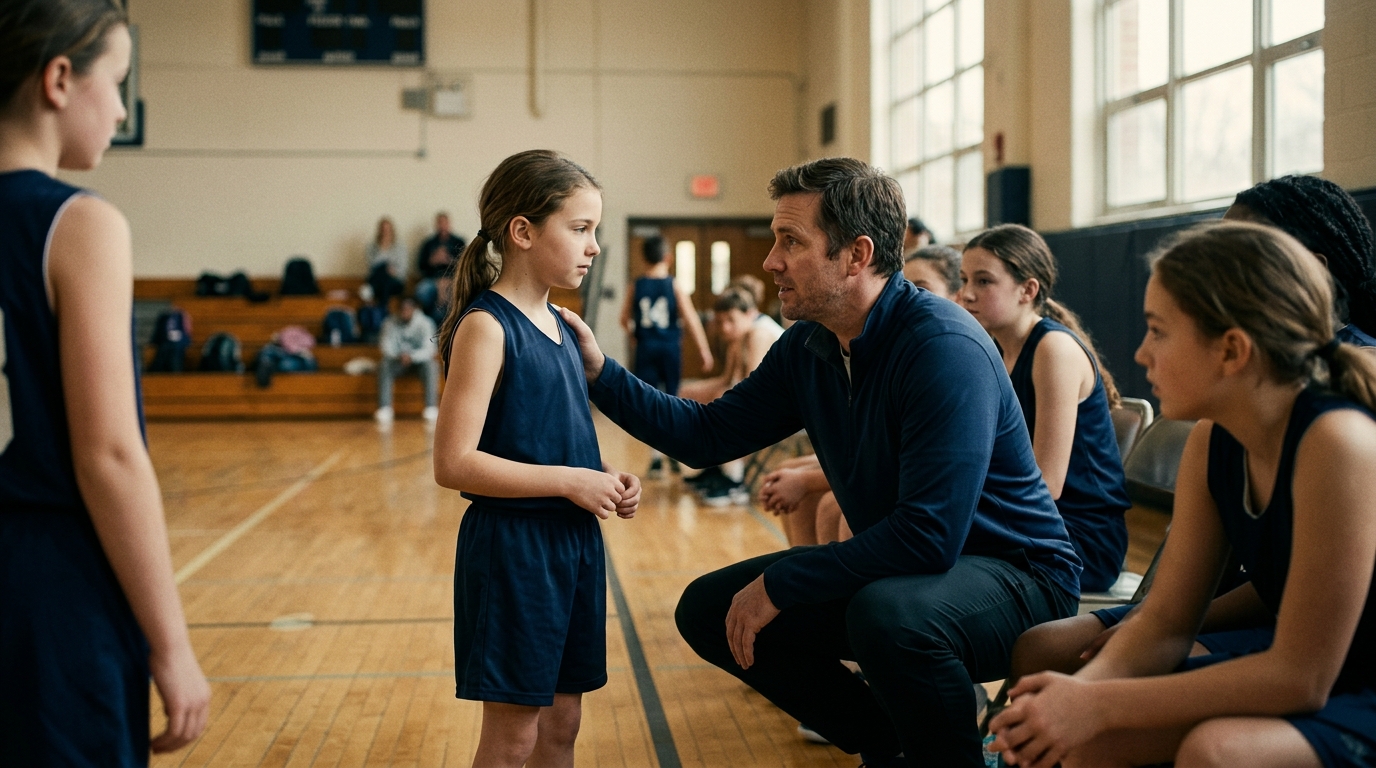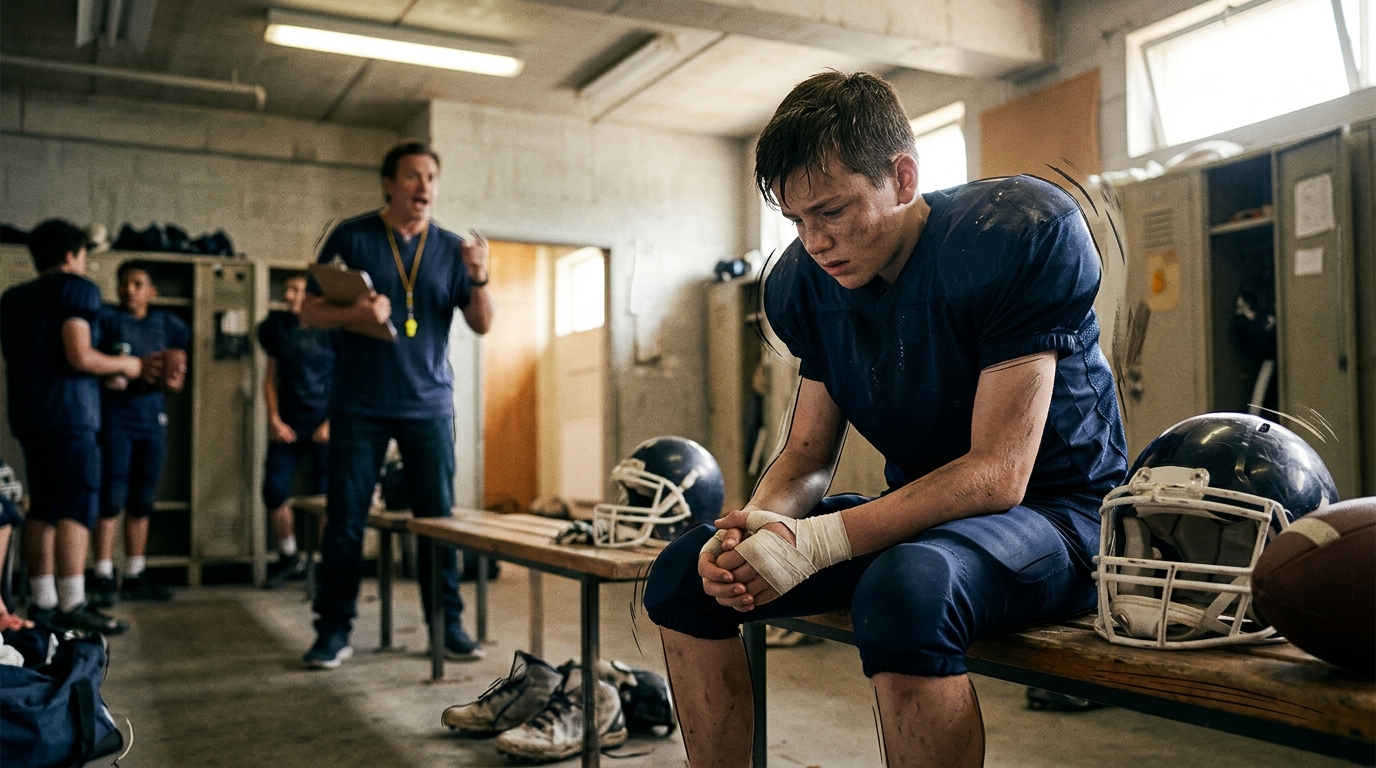

Late in the game, the coach looks down the bench and calls a name that hasn’t shown up much in the box score all month. Not the leading scorer. Not the kid with the highlight clips. The player who’s been locked in the whole time. Warmed up right. Knew the assignment. Didn’t sulk after sitting. Talked on defense. Came in, got one stop, made one smart pass, boxed out, and suddenly everybody on the floor looked steadier.
That player matters. A lot.
Somewhere along the way, a lot of athletes start believing there are only two categories: stars and extras. That’s bad math. Teams don’t work like that. If you play a team sport, there is no such thing as “just” a role player. There are players the team can trust, and players the team can’t. That’s the real split.
I’ve seen plenty of games where the most talented player changed the score, but the role player changed the feeling of the game. Coaches notice that. Teammates definitely notice it. When things get tight, people look for the player who will do their job without needing the whole gym to clap first.
Being a role player does not mean being less serious. It usually means being even more serious. Stars sometimes get to play through mistakes because they carry a bigger offensive load. Role players earn time by being dependable. That’s not unfair. That’s team sports. If your value comes from doing the little things well, then the little things are your big things.
How to matter without being the star
1. Bring useful energy, not random noise.
Every bench has a kid yelling after every play and every bench has a kid actually helping. Those are not always the same person. Useful energy means you stay engaged with the game. You celebrate teammates. You communicate what you see. You keep your body language clean after mistakes, bad calls, or minutes you thought you’d get but didn’t.
Coaches trust players whose mood doesn’t swing with their playing time. Teammates trust players who don’t make the game about themselves. Energy is not about acting loud. It’s about making the group steadier.
2. Prepare like your number is getting called.
This is where role players separate themselves fast. If you only lock in when you start, everybody can see it. Be ready before you’re needed. Know the scout. Know who you might guard. Know the inbounds play. In practice, rep the habits that fit your role: closeouts, communication, first pass, spacing, rebounding, sprinting back, screening, simple finishes.
Not every player gets the same job. That part is true. But every player can become sharper at their job. If your role is defense and effort, become elite at being in the right spot on time. If your role is ball movement, make the easy pass early and the hard pass only when it’s really there. Don’t wait for permission to be prepared.
3. Become the teammate people relax around.
This one travels further than stats. Be the player who does what they say they’ll do. Show up on time. Listen the first time. Own your mistakes without turning it into a speech. If a teammate messes up, help them move to the next play instead of adding drama. If a coach is on you about something real, take the coaching and fix it. If an adult handles something poorly, you still don’t have to let that wreck how you carry yourself.
Trust is built in boring moments. Stretch lines. Film sessions. The third drill of practice when nobody feels like talking. The day after you barely played. Anybody can be a good teammate when they scored 18. The players everyone remembers are often the ones who stayed solid when they had a reason not to.
And yes, reputation follows you. Coaches talk. Teammates talk. Future coaches hear things. Not always formally, but it gets around: that kid competes, that kid pouts, that kid listens, that kid lifts the group, that kid checks out when things aren’t going their way. Your numbers might open one door. Your reputation keeps it open.
None of this means you shouldn’t want more. Want more minutes. Want more responsibility. Work for more. Ask good questions. Improve your game. But don’t disrespect the role you have now while chasing the role you want next. A lot of players stall out because they treat today’s job like it’s beneath them.
Being a role player is still being a player. Sometimes it’s being the kind of player a team badly needs and doesn’t always thank enough in the moment. That can feel unfair. It can also be true. But if you become reliable, prepared, and easy to trust, you won’t stay unnoticed forever. And even before that happens, you’re already giving your team something real.
That counts, whether the stat sheet proves it or not.