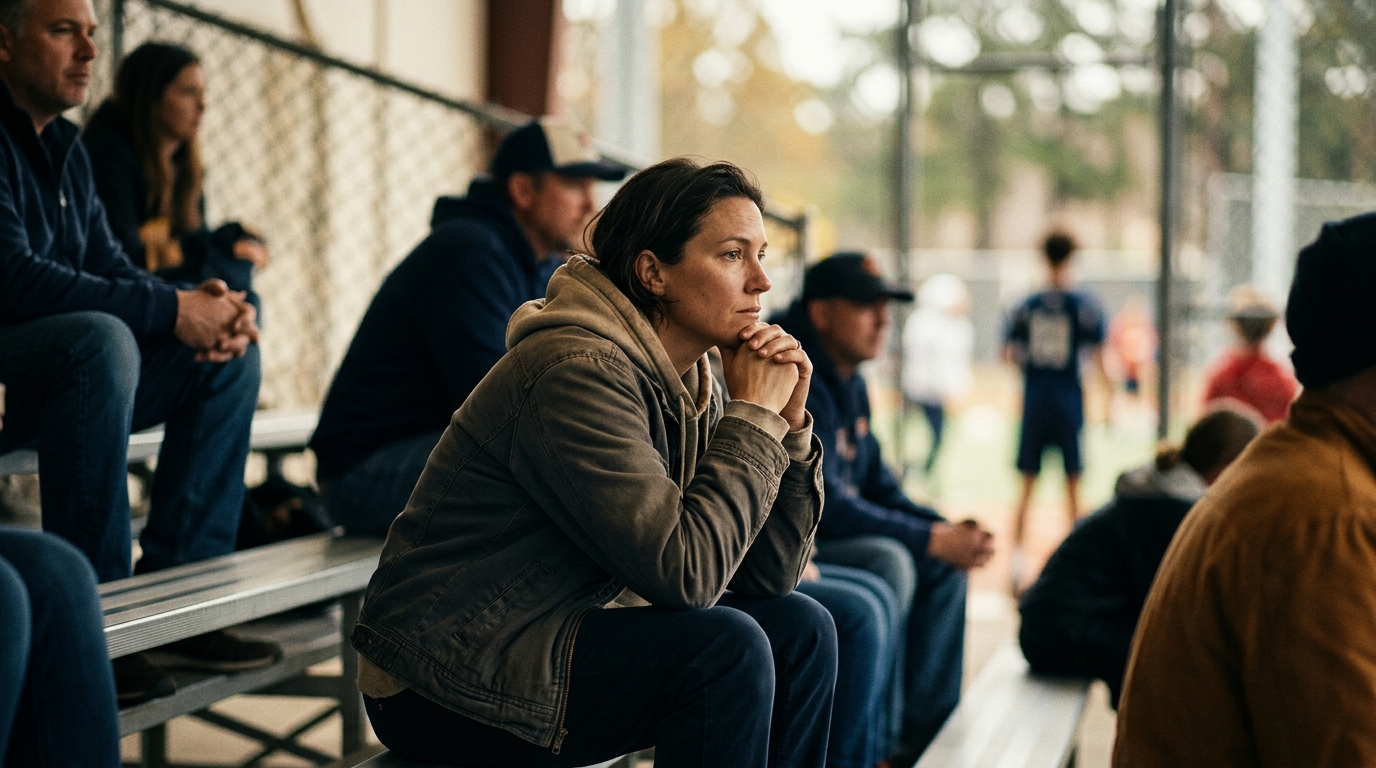
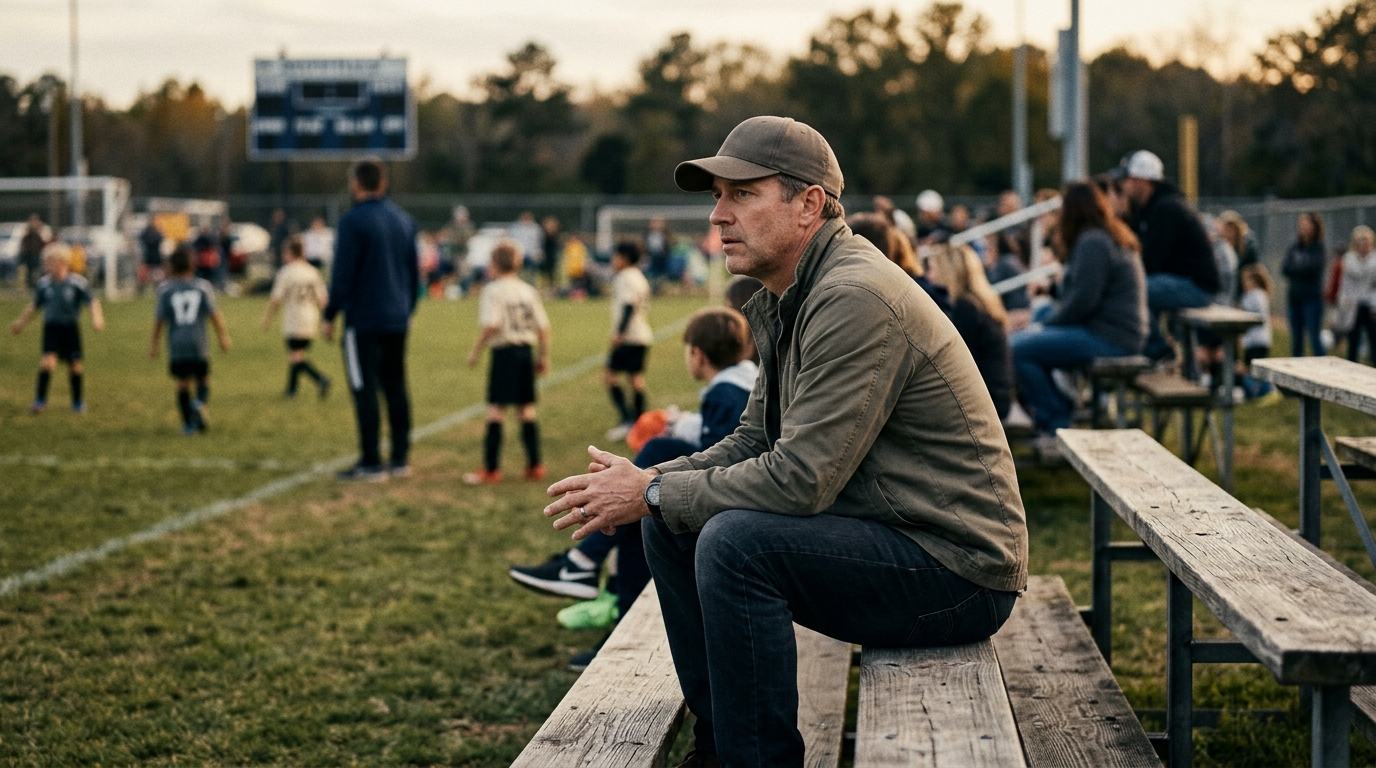
The game ended 20 minutes ago, and somehow you’re still watching it.
Your kid is in the back seat, half out of their shin guards, staring out the window. You’ve already replayed the missed ground ball, the strikeout looking, the shift where they didn’t hustle hard enough, and that moment in the third when the coach left them on the bench longer than you thought made sense.
You can feel the words lining up.
You’ve got to want that ball.
You can’t stand there on two strikes.
I don’t know what Coach was thinking.
And if you’re not careful, the car turns into a film room nobody asked for.
I’ve coached long enough to know this part matters more than parents think. Not because one car ride changes a kid forever. Most things in youth sports aren’t that dramatic. But because these small moments stack. The ride home after a game tells a kid what the day actually meant.
Was it a test they just took for you?
Was it a performance review?
Was it a chance to get picked apart while trapped in row two?
Or was it just a game they played, with a parent who knows how to leave some air in the room?
The ride home is not the second game
A lot of parents mean well and still turn postgame into a full breakdown. That usually happens for one of two reasons.
First, you’re uncomfortable with silence. The game was emotional. Your kid is quiet. You’re quiet. So you start filling space.
Second, you’re still carrying your own game. Not their game. Yours.
The version where you didn’t like the lineup. You didn’t like the substitutions. You think your kid is better than the result showed. You feel proud, disappointed, protective, irritated, and helpful all at once.
That mix gets loud.
Kids can feel when the car ride is really about the parent settling their own nerves.
And here’s the hard part: sometimes what feels like support to you feels like pressure to them.
Not every thought needs a ride home.
Start with less than you think
Most kids do not need a full debrief on the drive. Especially right after the game, when they’re still hot, hungry, tired, or embarrassed.
What they usually need first is simple:
- water
- a snack
- a little quiet
- to know you’re not about to unload on them
If you want a practical rule, try this:
Your first job is to lower the temperature, not raise the lesson count.
That might sound like:
- “Glad I got to watch you play.”
- “Want food first or home first?”
- “You don’t have to talk yet.”
That’s not avoiding the game. That’s reading the moment.
I’ve had players who were ready to talk 10 minutes later. I’ve had others who needed until bedtime. One of the biggest mistakes adults make is thinking good parenting means immediate processing.
Sometimes good parenting means knowing the window is closed.
If they want to talk, don’t grab the whiteboard
When kids do bring it up, parents often rush straight to correction.
“Yeah, you dropped it because your glove was too stiff.”
“Next time you need to attack earlier.”
“You’ve got to be more aggressive.”
Maybe all of that is true. It’s just usually not useful in that moment.
A better move is to let them go first.
- “What felt good today?”
- “What felt hard?”
- “Do you want me to listen or help?”
That last question saves a lot of rides home.
Because sometimes your kid wants advice. Sometimes they want a witness. Parents get in trouble when they answer the second need with the first tool.
Listening is not the lazy version of helping.
Don’t recruit your kid into your coach problem
This is a big one.
You may have a real issue with how the coach handled playing time, position changes, communication, or tone. Fine. Adults can address adult issues. But the car ride home is where a lot of parents accidentally hand that burden to the kid.
“I can’t believe Coach did that to you.”
“You’re clearly better than that other kid.”
“Coach never gives you a fair shot.”
Now your kid has to carry your frustration too.
I’ve seen players walk away from the field disappointed but manageable, then arrive at the next practice angry because the drive home turned irritation into a family case.
If you need to talk to the coach, talk to the coach. Calmly. Later. Without your kid being your evidence folder.
And if it can wait a day, it usually should.
Give them one thing, not seven
If your kid truly wants feedback from you, keep it short enough they can actually use it.
Not a list. Not a speech. One thing.
“You stayed in it after a rough first inning. I liked that.”
Or:
“Next time, just remember to check the runner before you throw.”
That’s it.
Parents lose kids in the ride home because they start stacking points like they’re emptying a junk drawer.
One note can help. Seven notes just feels like losing twice.
Your tone is the whole message
You can say, “I’m just trying to help,” but if your tone says, “I’m disappointed and I need you to fix that for me,” that’s the message that lands.
Kids are pretty good at hearing the part under the words.
That’s why the best ride home isn’t always the most insightful one. It’s often the one where the kid can exhale.
They already know when they played well. They usually know when they didn’t. What they don’t always know is whether home still feels steady after both.
That’s your part.
Be the place the game ends, not the place it keeps going.
You don’t need the perfect line every time. You’re going to talk too much sometimes. You’re going to ask a question too early. You’re going to have moments where your own emotions sneak into the front seat.
That’s normal.
Just remember: when the door shuts and the seat belts click, your kid does not need a broadcaster, a second coach, or a defense attorney.
They need a parent who knows the game is over, even if the scoreboard in their own head is still lit up.