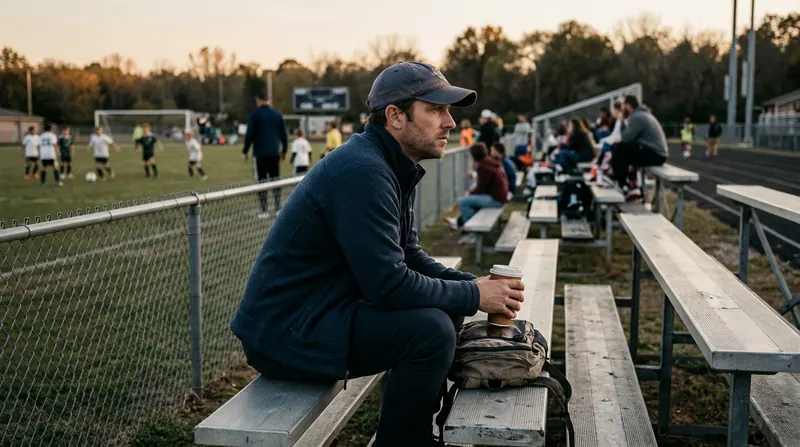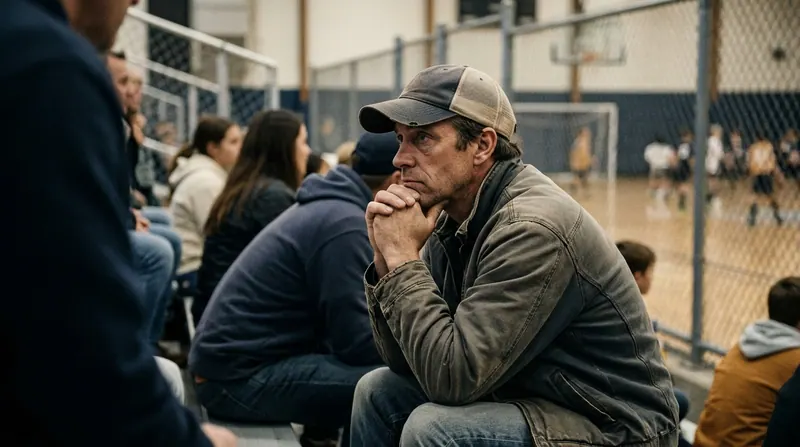
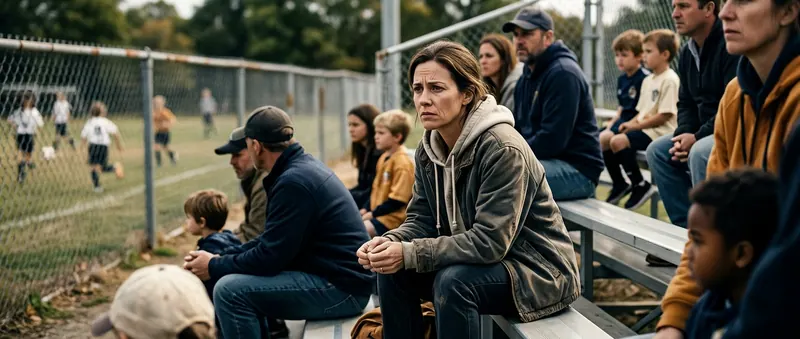
The game ends, kids are half in uniform and half out of it, and your child is standing next to you with one sock rolled down and a juice box in hand while you catch the coach by the fence.
It starts small. “Hey, quick question.” Then the coach answers. Then you add context. Then your kid hears their name. Then they hear words like position, hustle, focus, or batting order. And now a conversation that was supposed to help has turned into a little performance review delivered three feet from the player.
I’ve seen parents do this with good intentions. I’ve done versions of it myself over the years too, especially when I thought I was being efficient. Catch the coach now, solve it now, move on. But kids hear more than adults think they hear, and they carry the wrong parts home.
The practical fix is simple: if you need to talk to the coach about your kid, do not start that conversation with your kid standing there.
Why this goes sideways fast
Most parents are not trying to embarrass their kid. They’re trying to get clarity. But a child standing beside that conversation usually hears one of two things.
- My parent is checking up on me.
- My coach is talking about me instead of to me.
Neither feeling helps much on the ride home.
Even when the coach says something fair and useful, the setting can make it land badly. Kids get stiff. Parents start interpreting. Coaches get careful with their words because now they’re talking in front of the player and the player’s parent at the same time. That usually means nobody gets the clean version.
What you end up with is a blurry message and a kid who feels discussed instead of supported.
Use the bench-and-bag rule
Here’s a good parent rule: if your kid is still within backpack distance, it is not the time for the coach conversation.
That means no sideline debrief while they’re tying cleats. No “quick one” while they’re gulping water. No half-whispered exchange while they pretend not to listen.
Give them a job first. Bench. Bag. Water bottle. Team handshake. Equipment return. Anything that moves them out of earshot and lets them be a kid again for a minute.
This is not sneaky. It is respectful.
Kids do better when they don’t feel like the adults are holding a meeting about them in real time.
If your kid walks up mid-conversation, stop
This is the part a lot of adults miss.
Maybe you waited. Maybe you picked a decent moment. Then your child drifts back over because they forgot their hoodie or want the car keys or just naturally wandered toward you. When that happens, end the conversation.
Not pause. End it.
“Thanks, Coach. I’ll follow up another time.”
That one sentence saves a lot. It tells the coach you understand boundaries, and it tells your kid they don’t need to stand there while adults sort them out like a lineup card.
What to do instead
If the matter is small, keep it for later. Most things are smaller the next day anyway.
If it actually needs a conversation, handle it one of these ways:
- Ask for a better time. “When you have a minute another day, I’ve got one question about how we can help at home.”
- Keep it adult-only. Have the conversation when your child is not right there.
- Bring your kid in later, on purpose. Only if it truly makes sense, and only if the coach is speaking directly to them, not about them.
That last one matters. There is a big difference between including a kid in a respectful conversation and trapping them inside an adult one.
How this helps the ride home
When you avoid the fence-line review with your child standing there, the car gets quieter in a good way.
You’re not climbing in with fresh quotes from the coach bouncing around your head. Your kid is not bracing for your interpretation of what the coach “really meant.” You both get a chance to reset before anybody starts talking about the day.
That usually leads to better first questions.
Not “Why did Coach say you weren’t ready?”
More like: “You want a snack now or when we get home?”
That sounds small. It isn’t. Ordinary questions steady kids after games. They bring the temperature down. Once the game stops being the only thing in the air, your child is more likely to offer something real on their own.
Support doesn’t always sound important
Some of the best parent moves don’t sound deep or wise in the moment.
They sound like this:
- “Go grab your bag.”
- “We’ll talk later.”
- “Coach, not a good time right now.”
- “Let’s get to the car first.”
That’s sideline parenting too. Not dramatic. Just steady.
I’ve coached long enough to know most parent problems are not really about bad motives. They’re about bad timing. A decent question asked in the wrong place can create a problem that wasn’t there five minutes earlier.
So if you need coach talk, keep your kid out of the middle of it. Let them leave the field without feeling like the adults are starting a case file. There is plenty of time to handle real questions. There is no benefit to handling them with your child standing there, pretending not to hear every word.
Protect the space between the game ending and home starting. A lot of good parenting lives right there.