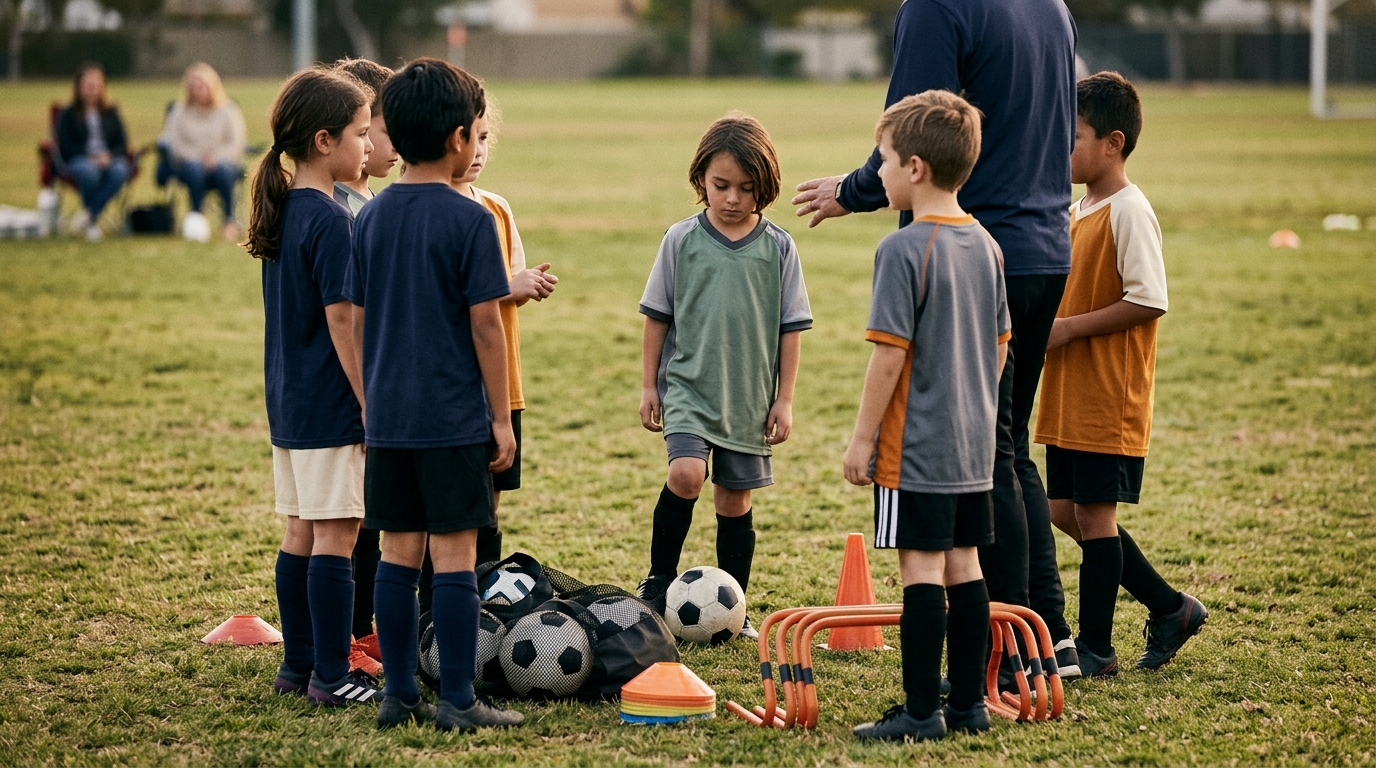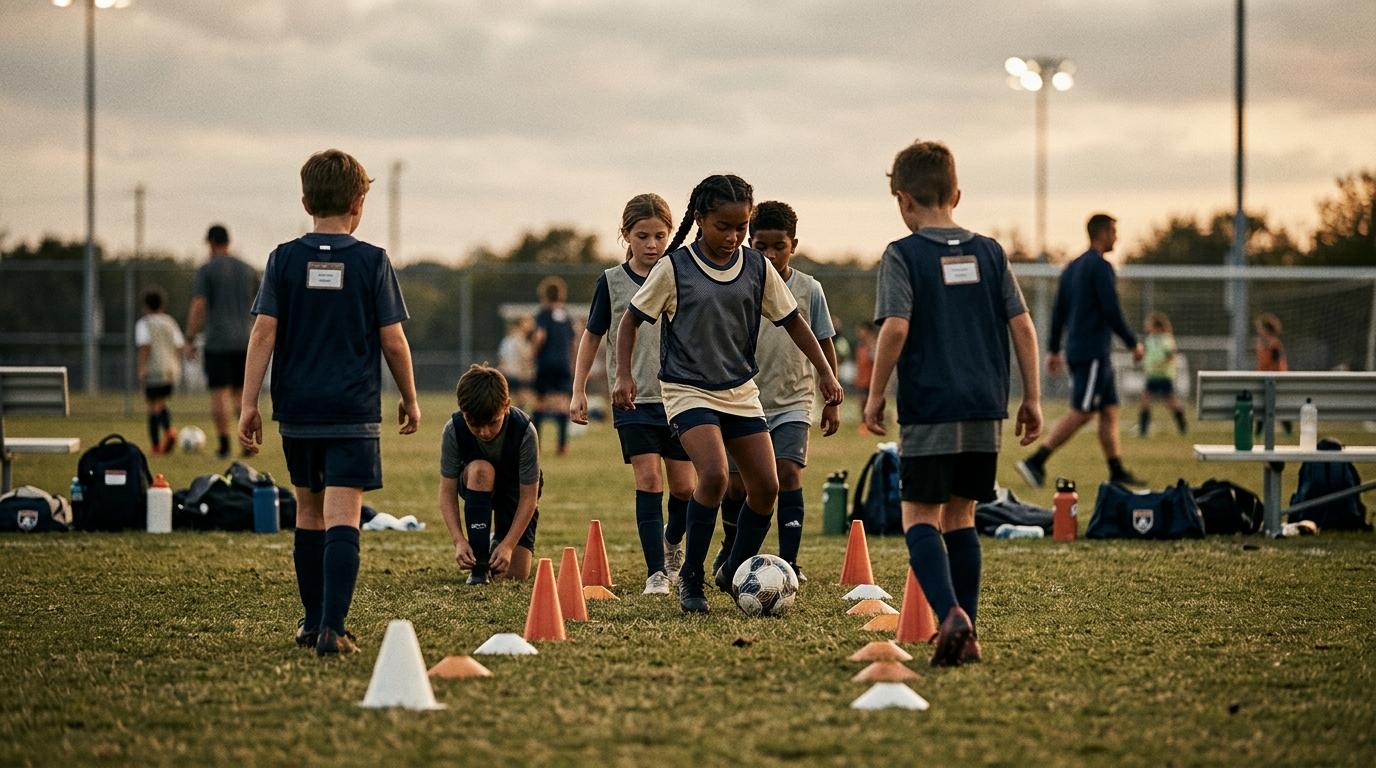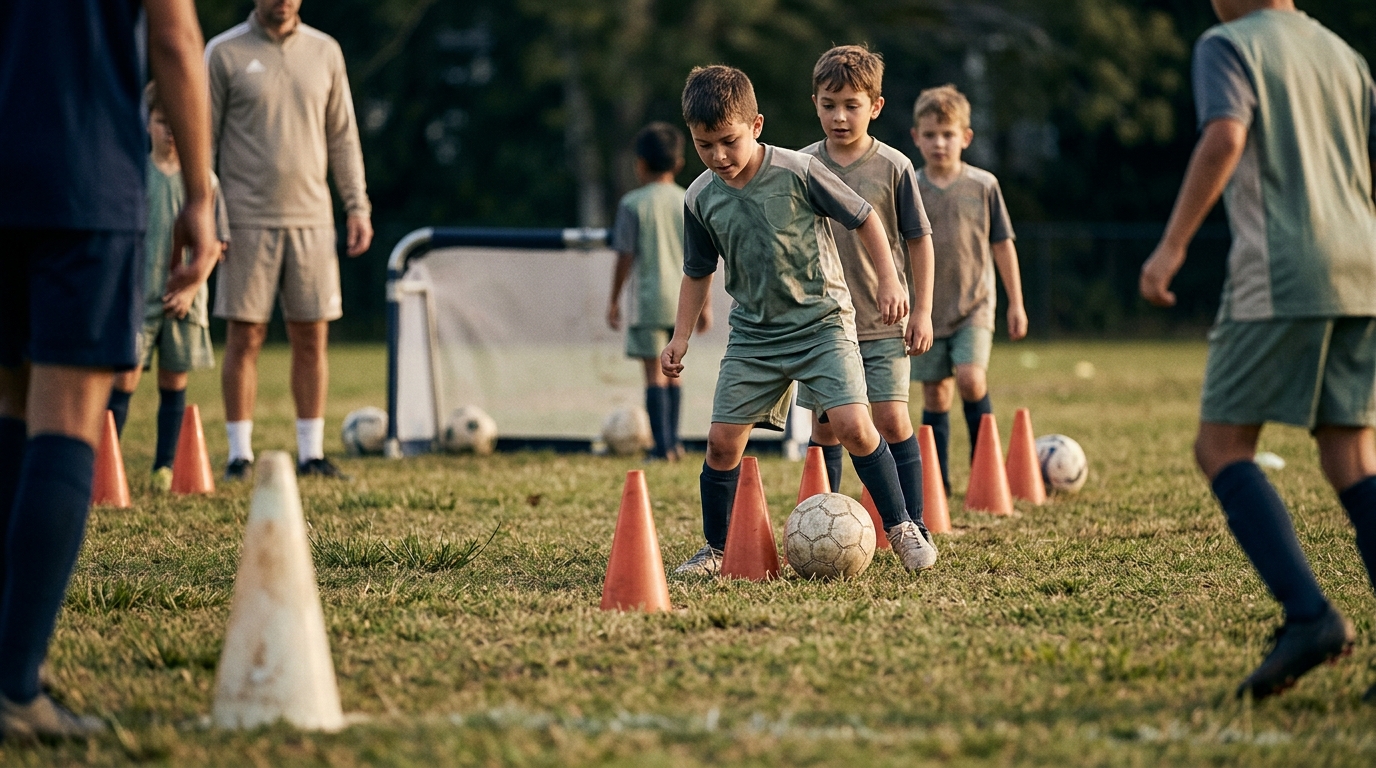

If your young athlete is bringing a rough attitude to practice or games, you’ve probably seen the same movie a few times. A mistake happens, shoulders drop, effort disappears. A coach gives correction, and back comes the eye roll, the crossed arms, or the long walk to the next drill. Sometimes it shows up as arguing. Sometimes it looks more like quitting in plain sight.
The good news: attitude is coachable. It’s not fixed. Kids can learn how to respond better, think better, and compete better. Not by pretending everything is great, but by building habits that help them handle hard moments on the field and off it.
Why Your Young Athlete’s Attitude Matters
Attitude is not just “be positive.” Any coach who’s been around kids knows that. Attitude shows up in how a player reacts when they strike out, miss a tackle, get subbed out, or hear something they don’t want to hear.
I’ve coached plenty of athletes with talent who stalled out because every bad bounce turned into a personal crisis. I’ve also coached kids with less natural ability who became reliable leaders because they stayed steady, respectful, and willing to work.
A poor attitude usually drags a few things down with it:
- Confidence
- Motivation
- Willingness to fight through hard moments
- Relationships with teammates and coaches
A better attitude doesn’t guarantee wins. It does give a young athlete a chance to keep learning, keep competing, and keep being someone others want around.
Attitude doesn’t replace skill. It makes skill easier to use.
1. Help Them Reflect on Their Mindset
A lot of kids are not trying to have a bad attitude. They just haven’t learned to notice what’s going on inside before it spills all over the game.
After practice or a game, skip the speech. Ask a few simple questions and let them talk:
- “How did you feel about your effort today?”
- “What happened to your attitude after that mistake?”
- “What do you think you learned today?”
That works better than jumping in with a full breakdown from the front seat on the ride home. Kids get defensive fast when they feel pinned down. Questions create room. Lectures usually create walls.
I’ve had players answer those questions with a shrug at first. That’s fine. Stay patient. Self-awareness is a skill too.
If you want honesty, make it safe to tell the truth.
2. Focus on Effort, Not Just Outcomes
Scoreboards matter. Results matter. But when a kid starts tying their whole identity to wins, goals, points, or playing time, their attitude gets fragile in a hurry.
The athletes who hold up best under pressure usually know how to lock onto what they can control:
- Effort
- Attitude
- Focus
I’ve stood on plenty of sidelines after losses where one kid was crushed because the team lost, and another kid walked off frustrated but proud because they competed hard, stayed engaged, and responded well all game. Same result. Very different mindset.
If your child loses but hustles every play, listens, and stays composed, that counts. That’s not fake praise. That’s reinforcing the part of performance they can actually build.
Outcome tells you what happened. Effort tells you who you’re becoming.
3. Introduce Positive Self-Talk
You can hear some kids unravel in real time.
- “I’m terrible.”
- “I always mess this up.”
- “Coach probably thinks I stink.”
That inner talk matters. It shapes confidence, body language, and effort faster than most adults realize.
Over the years, I’ve found that young athletes don’t need cheesy slogans. They need believable replacement thoughts. Something steady. Something they can actually say in the middle of a rough inning or a bad shift.
Help them turn negative thoughts into useful ones:
- “I made a mistake” becomes “Everyone makes mistakes. Next one.”
- “I’m bad at this” becomes “I’m still learning this.”
- “I always mess up” becomes “That play was rough. The next one matters most.”
You can practice this at home without making it weird. When they say something harsh about themselves, just ask, “What’s a better way to say that?”
The goal isn’t perfect thoughts. The goal is helpful ones.
4. Teach Them How to Handle Mistakes
Some kids make one error and stay stuck in it for the next twenty minutes. You can see it in their face before the next rep even starts.
That’s why it helps to give them a simple mistake routine. Not a big performance. Just a reset.
Try this:
- Take one deep breath.
- Use a physical cue, like brushing off the hands or tapping the chest.
- Say a short reset phrase: “Next play,” “Shake it off,” or “I’m good.”
I’ve used versions of this with athletes who used to spiral after every error. The routine gives the brain somewhere to go instead of looping the mistake again and again.
One mistake should not get to ruin the whole practice. Kids can learn that. But they usually need something concrete to do in the moment.
Reset is a skill, not a personality trait.
5. Model the Behavior You Want to See
Kids watch everything. Not just what you say after the game, but how you act during it.
If a parent is tense on every possession, barking about stats, or replaying mistakes before the cleats are off, kids feel that. If a coach loses composure every time something goes wrong, players learn that pressure means panic.
It’s worth asking yourself:
- Do I talk more about performance or effort?
- Do I stay calm when things go sideways?
- Do I praise hustle, body language, and coachability—or only big plays?
In my experience, what gets repeated is usually what gets noticed. If all the attention goes to goals, points, and wins, don’t be surprised when attitude disappears the second those things do.
Notice the things that matter long-term: resilience, respect, work rate, response after mistakes, and how they treat teammates.
What you emphasize today becomes what they carry tomorrow.
6. Be Patient—Growth Takes Time
Attitude change is rarely a straight line. A kid can handle one tough game really well, then melt down over something small three days later.
That doesn’t mean nothing is working. It usually means they’re learning.
I’ve seen athletes improve a ton once the adults around them stopped expecting instant transformation. Keep the standard. Keep the reminders. Keep noticing the small wins.
Maybe they still got frustrated, but they recovered faster. Maybe they complained less. Maybe they took coaching without snapping back. That’s progress.
Better responses usually come one small rep at a time.
Final Thoughts: A Better Attitude Leads to Better Performance
Your child does not need to be the most talented player on the team to matter. Some of the most valuable athletes I’ve coached were the ones who kept showing up, stayed teachable, recovered from mistakes, and made the group better.
Reflection, effort-based goals, healthier self-talk, and simple reset routines are not magic tricks. They are practical tools. Used consistently, they help young athletes become more confident, focused, and coachable.
Attitude shapes performance. It also shapes growth.
Start small. Stay steady. Keep it fun enough that they want to come back tomorrow.
Want More Support for Your Young Athlete’s Mental Game?
If your athlete struggles with confidence, nerves, frustration, or bouncing back after mistakes, Voluntold has more tools to help you coach that side of the game too.
The mental part is trainable. Just like footwork. Just like timing. Just like anything else worth improving.