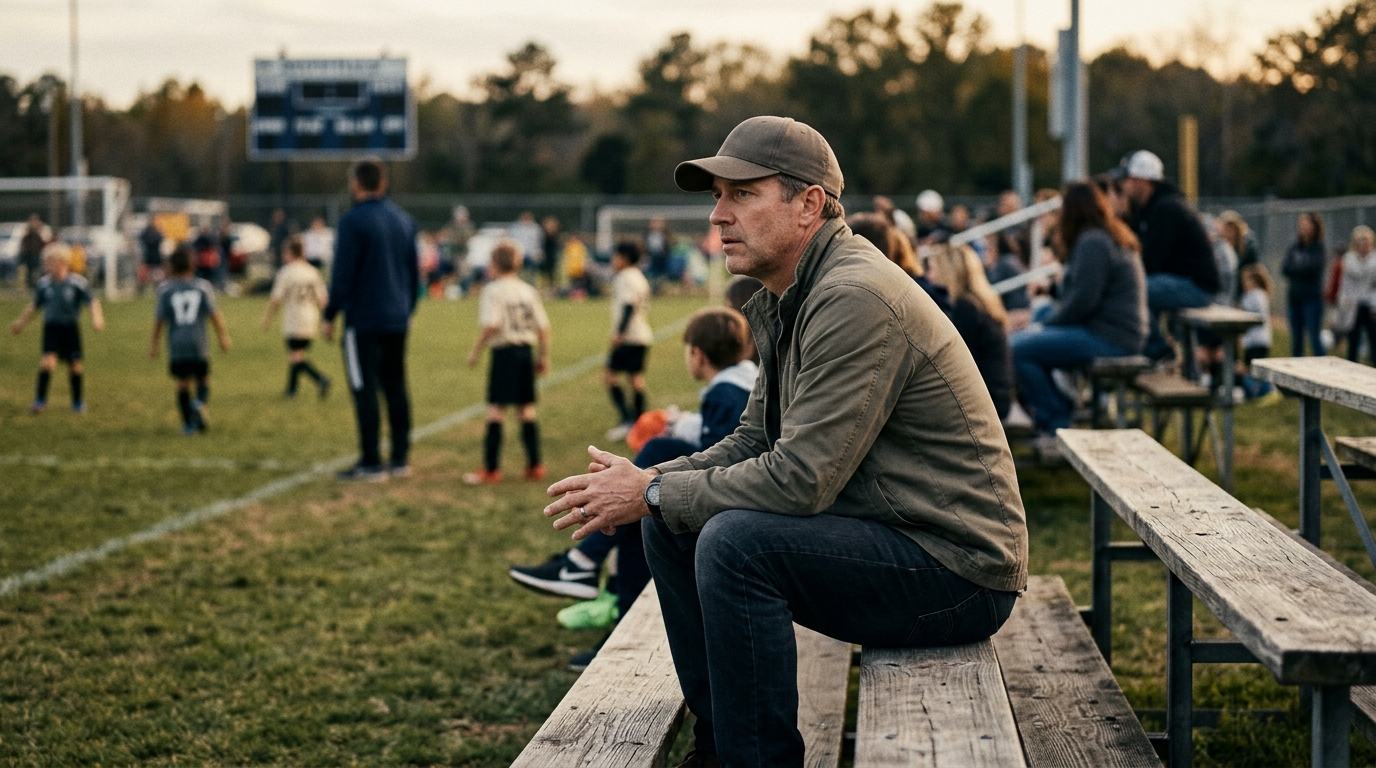
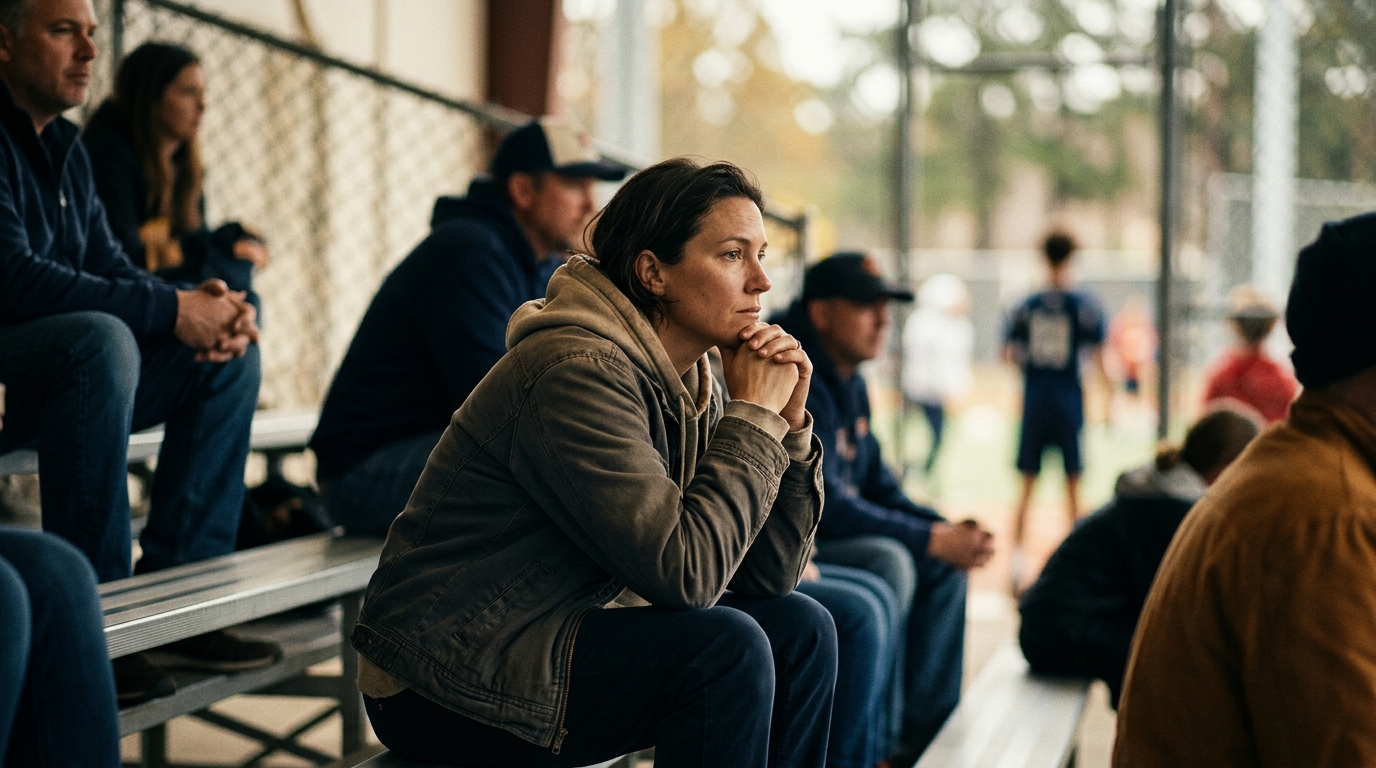
It’s ten minutes after the game. Kids are peeling off shin guards in the grass. One parent is already halfway to the coach with that look—the one that says, quick question but never really means quick. Meanwhile, their kid is standing by the car door, water bottle tucked under one arm, waiting to find out whether the ride home is going to feel normal or turn into a postgame hearing.
I’ve seen that scene from both sides for a long time. As a coach, you can spot the parking-lot interception coming before the parent even starts walking. As a parent, you can feel the urge too: ask about playing time, ask about position, ask why your kid sat when they were sure they were ready. Most of the time, it comes from caring. It just lands badly.
Here’s the practical truth: if you want to help your kid after a game, don’t make the coach the main character of the next 20 minutes.
The ride home usually gets shaped before the car moves
Kids are incredibly good at reading adult weather. They know if you’re irritated before you say a word. They know if that chat with the coach was “just checking in” or if you were trying to settle a score with a smile on your face.
When a parent makes a beeline for the coach right after the game, the kid feels it. Even if they don’t say anything, they start doing math in their head.
- Did I do something wrong?
- Are they upset for me or because of me?
- Am I about to hear about this all the way home?
That’s a heavy load for a kid who might just be tired, thirsty, and still thinking about the pop fly they dropped or the nice pass they made.
Not every conversation with a coach is bad. Some are necessary. But timing matters, tone matters, and your kid’s presence matters most.
Right after a game is a bad time for big questions
Coaches are usually doing five jobs at once after a game. They’re checking on kids, packing gear, talking to assistants, looking for the lineup card, and replaying their own decisions. That is not the best moment for a thoughtful conversation about your child.
And if your kid is within earshot, it gets worse fast.
Even a calm question like, “What does she need to do to earn more time?” can feel to a kid like a public performance review. Now they’re not just riding home with their own thoughts. They’re riding home with your version of their night too.
Some conversations help kids. Some conversations are really for the parent’s blood pressure.
It’s worth knowing the difference.
A better postgame rule for parents
If your kid is with you, keep coach talk to greetings, logistics, and encouragement.
That means things like:
- “Thanks, coach.”
- “See you at practice.”
- “What time should they arrive Saturday?”
That’s it. Short enough that your kid doesn’t start bracing for fallout.
If there’s a real issue—something about communication, role, expectations, or team logistics—handle it later. Not while kids are untying cleats. Not while emotions are still hot. Not while your child is standing there pretending not to listen.
I’ve coached enough years to tell you this: parents who wait usually get better answers. Parents who pounce usually get a rushed response and a longer problem.
What to do in the car instead
The car ride home doesn’t need to become a life lesson every time. Some of the best rides are the ordinary ones.
If your kid wants to talk, let them lead a little. If they don’t, don’t act like silence is failure.
A few better options:
- Start neutral. “Need water?” “Hungry?” “Want to stop somewhere?”
- Notice effort, not just outcome. “You stayed with it tonight.” “I liked how you kept competing.”
- Ask one light question, not twelve. “What felt good today?” works better than a full stat breakdown.
- Let the game breathe. Kids often talk more once they know you’re not opening court.
Not every game deserves a review. Sometimes your kid needs a snack and a little quiet more than a breakdown of footwork and hustle.
If you do need to talk to the coach, do it clean
There’s nothing wrong with advocating for your kid. The problem is when advocacy turns into sideline freelancing.
When you need a conversation, keep it simple:
- Wait until later. A day with cooler heads helps everybody.
- Keep your kid out of the middle. Don’t make them the audience for an adult conversation.
- Ask for clarity, not a verdict. “What can they work on?” goes farther than “Why didn’t they play?”
- Listen for the full answer. Don’t just wait for your turn to rebut.
Most parents don’t mean to create tension. They just love their kid and hate seeing them disappointed. I get it. But your kid does not need to absorb every frustration you have with the coach. That transfer happens quickly, and once it starts, it can change how the kid feels about the team, the game, and themselves.
Your kid needs one safe place after the game
For a lot of kids, that place should be the car.
Not the spot where they hear your running commentary on substitutions. Not the place where they get cross-examined about effort. Not the extension of the sideline argument you didn’t get to have.
Just a place where they can come down from the game and still feel like your kid first.
That doesn’t mean you ignore everything. It means you pick your moments like they matter, because they do.
Kids remember the temperature of the ride home longer than the score.
Keep the coach talk short. Keep your reactions under control. And give your kid more room than review. That’s not being passive. That’s being useful.