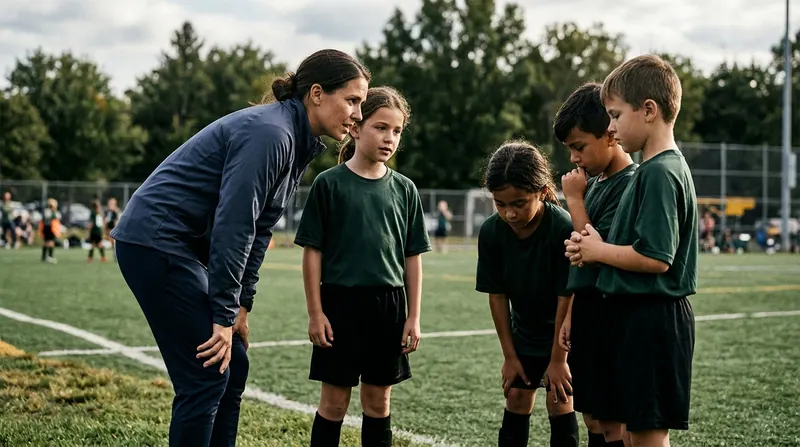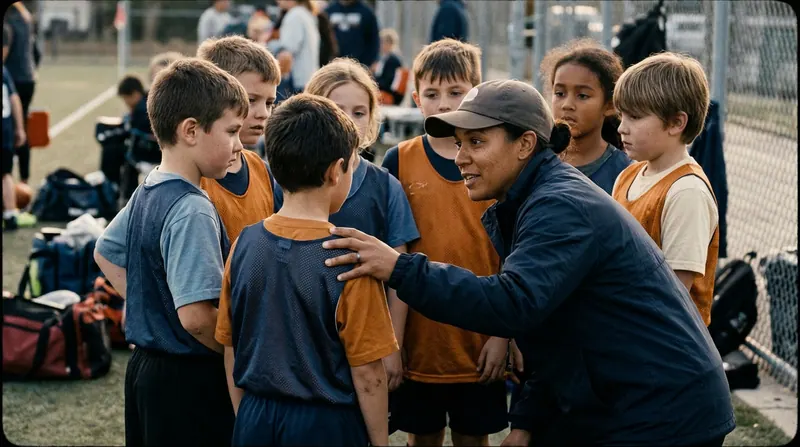
Third quarter, one-goal game, and I watched a youth soccer bench miss two clean sub windows because everybody was looking at the field and nobody owned the timing. One kid had a pinnie half on. Another was tying a shoe. An assistant was trying to count players while also answering a parent question from behind the touchline. Ball goes out, perfect chance to rotate, and the moment passes. Two minutes later, the same tired group gives up a run because their legs were gone before the coach admitted it.
That kind of chaos looks like a conditioning problem from the outside. Most of the time, it’s just an organization problem wearing cleats.
I learned this the hard way coaching games where I thought I could hold the lineup, watch the flow, teach the game, track playing time, and manage substitutions all from the same patch of grass. You can do that for about one half, maybe less, before your brain starts dropping plates. Especially with younger teams, the sub pattern usually doesn’t fail because the coach doesn’t care. It fails because no one person besides the coach is assigned to notice the moment before the moment.
So here’s the fix: give one bench player the job of calling the next subs.
Not deciding them. Calling them.
If your sport uses free substitutions or regular rotation windows, this job matters more than most coaches think. I like giving it to the player who is out with me on the bench and not entering next. I tell them, “Your job is to know who’s going in next and get them standing and ready before the ball goes out.”
That’s it. Simple enough for a ten-year-old. Useful enough for every age group.
What the job actually looks like
Before the period, inning, quarter, or rotation stretch, tell the team the next group. Then assign one player to track it.
- Who is going in next
- Who they are replacing
- What game moment usually opens the window
- Where those players should stand when the chance comes
Now, instead of you yelling three names while the game is moving, that bench kid is already nudging the next group: “You two are next. Be up.”
That changes the whole sideline.
You stop getting surprised by your own rotation. Kids stop entering the game with their shinguard strap loose or batting helmet backward or glove still on the fence. Your assistant stops acting like an air traffic controller. And your players learn that bench attention is part of playing time, not a break from it.
A team gets calmer when everybody knows whose job the moment is.
Why this works better than coach-only sub management
Because the coach is always late if the coach is the first person thinking about the sub.
That sounds harsh, but it’s true. During live play, your eyes belong to the game. You’re reading shape, spacing, effort, matchups, and whether the kid you just corrected actually heard you. If sub prep starts when the whistle blows or the ball rolls out, you’re already behind.
Having a player own the alert system moves the prep earlier. And earlier is where good sideline management lives.
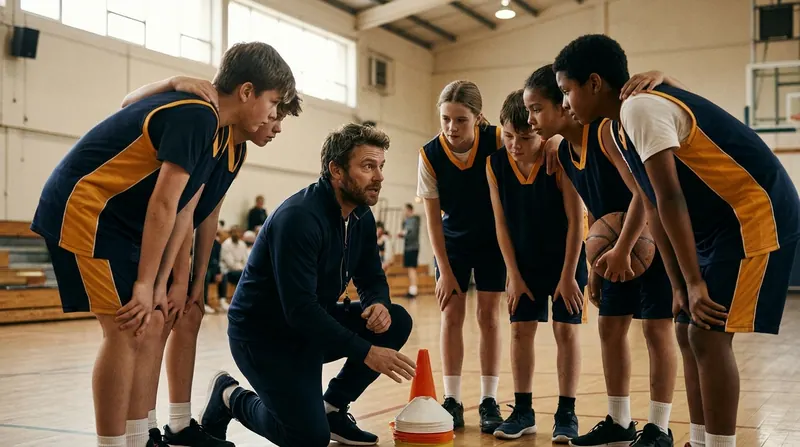
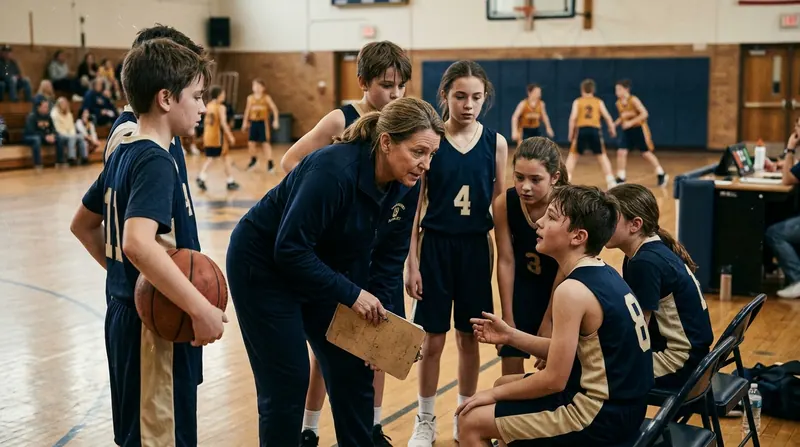
I’ve used this with basketball benches, soccer touchlines, hockey change patterns, and even baseball courtesy-run situations in loose tournament settings. Different sport, same principle: the next move should be ready before the opening appears.
How to assign it without making it weird
Don’t turn it into a ceremony. Just hand over the job plainly.
“Eli, you’ve got subs for this stretch. Mia and Rowan are next in for Jack and Theo. Get them up when you think the window is close.”
That language matters. You are trusting them with awareness, not making them your tiny assistant coach. Keep the responsibility narrow.
If they miss one, don’t torch them. Reset it and keep going. The goal is not perfection. The goal is fewer dead windows and a more connected bench.
A few rules help
- The sub caller does not choose who goes in
- The sub caller gets players standing, not wandering
- The coach still gives the final send-in signal
- The job can rotate by game or by quarter
Kids usually like this role more than adults expect. They feel useful. They stay engaged. And the bench stops becoming a pile of knees and water bottles.
The hidden benefit
It teaches game awareness.
The player doing the job starts noticing rhythm. They see when tired legs show up. They learn where stoppages tend to come from. They start understanding game flow from a wider angle than their own position.
That matters.
Some kids only experience the sport through their own reps. Giving them a bench job like this quietly builds a better team brain. They begin to see the game as a moving group problem, not just a personal turn-taking exercise.
And for the coach, there’s relief in not having to micromanage every exchange.
You still lead it. You just stop carrying all of it alone.
I’ve seen coaches wait way too long to fix substitution chaos because it feels small compared to passing, shooting, throwing, or defense. But game management leaks into performance faster than people admit. Tired kids make sloppy decisions. Unready kids jog in confused. Confused kids play slow. Then everybody thinks the problem is skill.
Sometimes the problem is that no one said, “You’re next. Stand up.”
That’s not a minor detail. That’s coaching.